Taramundi and the Oscos

Worth a detour, and longer than you think. This is the one part of the Asturian interior where a week would not be wasted. Bring a car and no fixed plan.
Water-powered mills, working knife-makers and slate villages in the greenest, least-visited corner of northern Spain.
At a Glance
- — You want to cover ground quickly — the roads here are slow by design
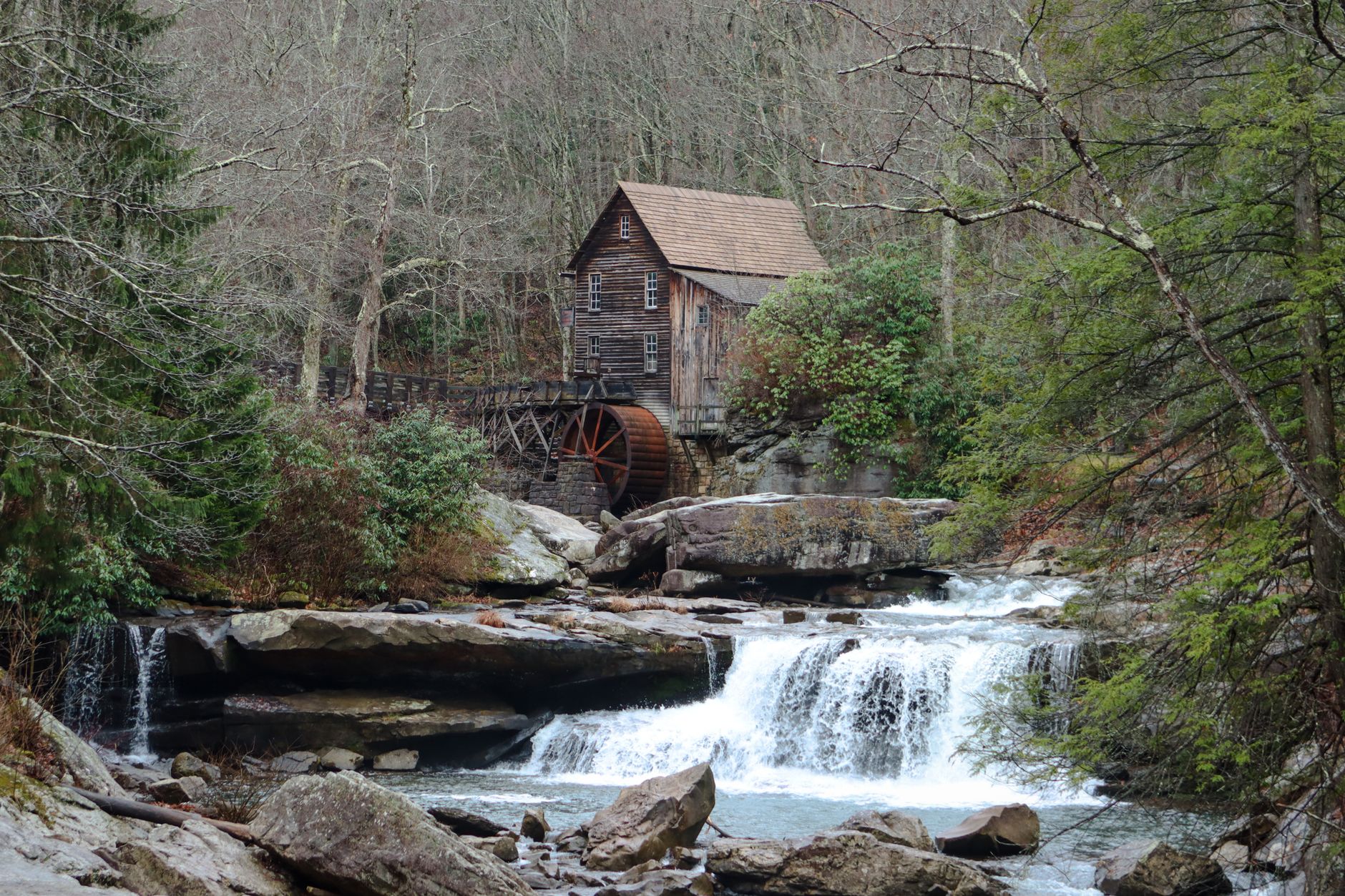
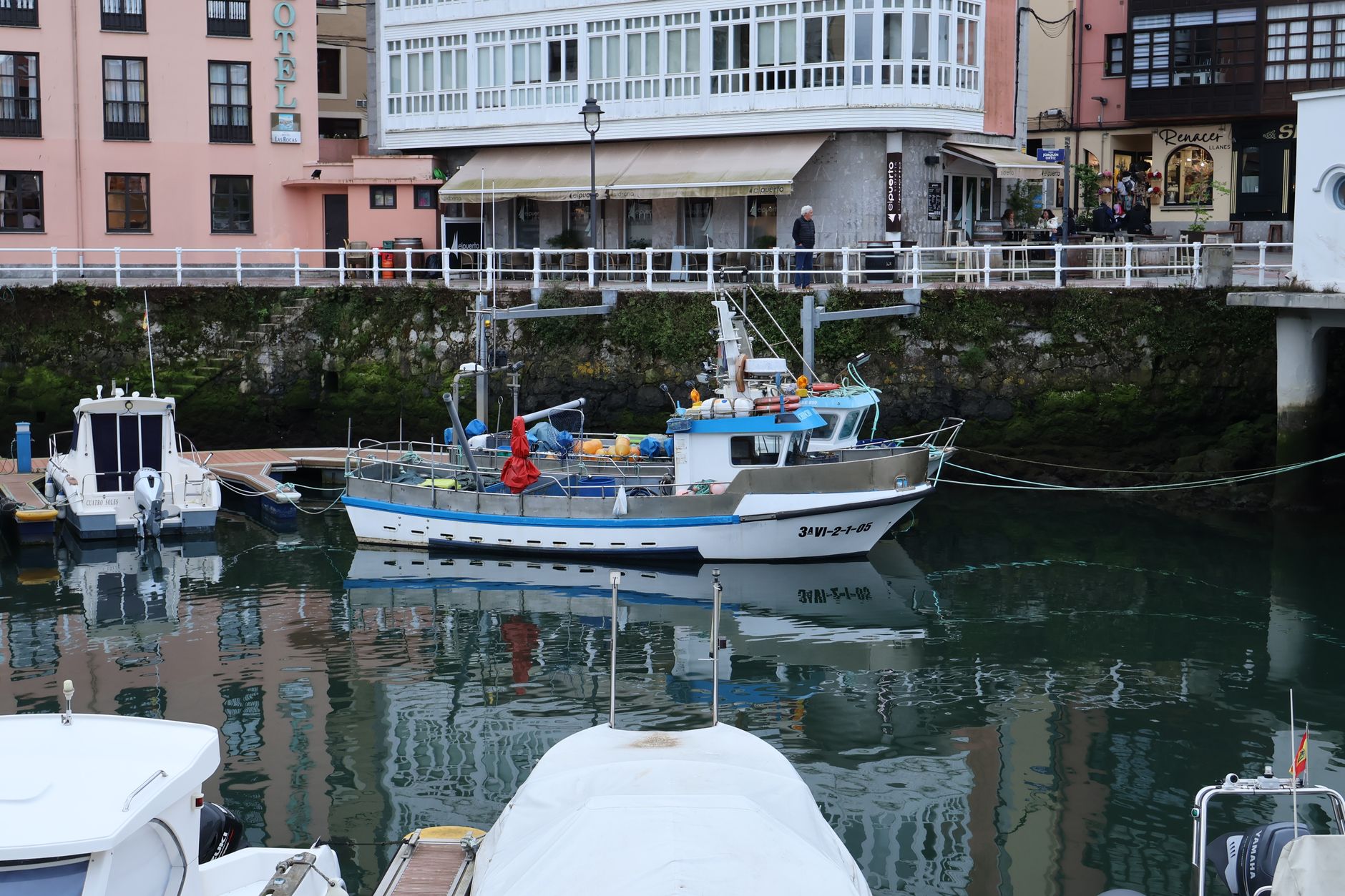
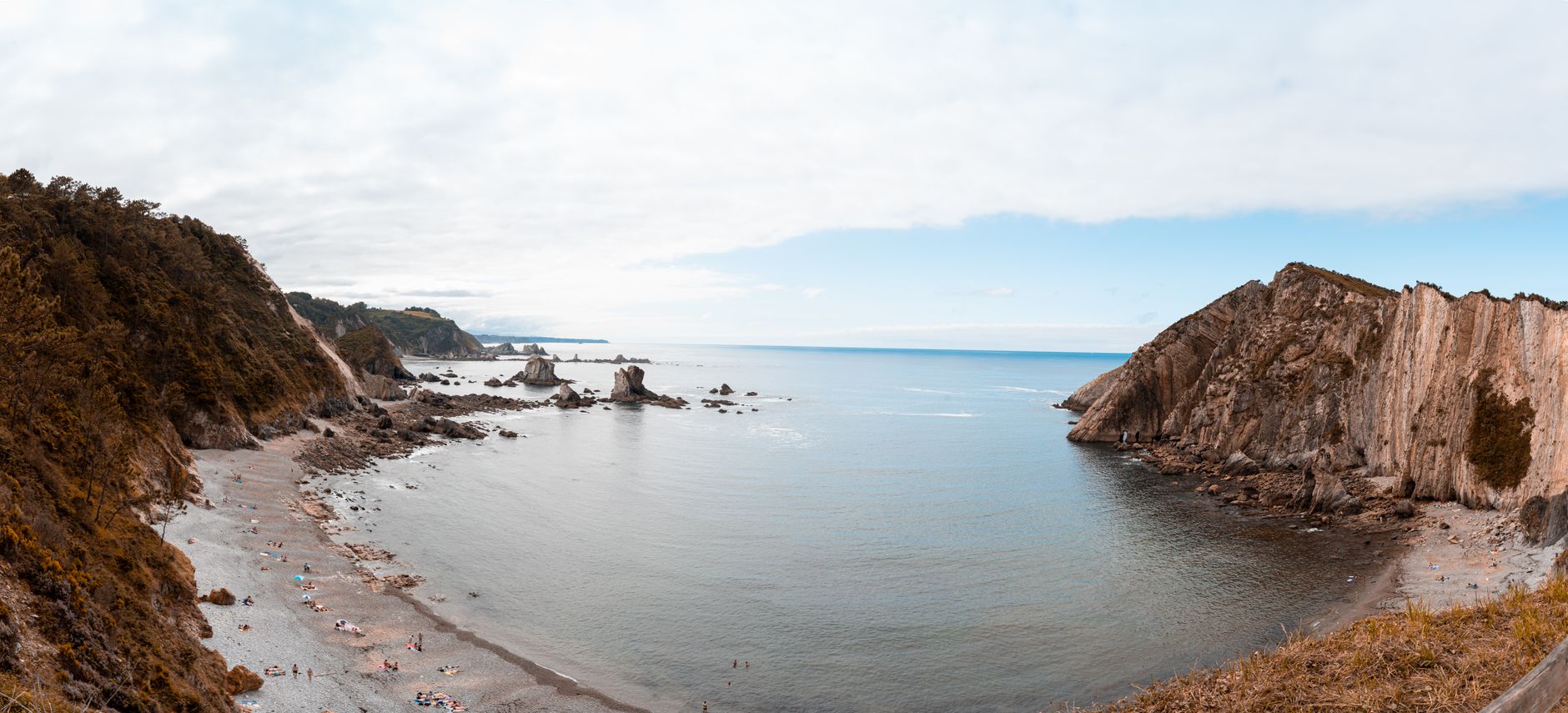
The far west of Asturias, between the Navia and the Eo, is a country of watermills, slate roofs and one-lane roads that end in hamlets of eight houses. Two things give it a shape: ironwork, worked here since the eighteenth century and still worked, in the knife workshops of Taramundi; and water, which powered the mills and forges at Os Teixois and runs through every valley. The Oscos villages are built of slate, the food is heavy and local, and the coast at Castropol and the port at Tapia are fifteen minutes from all of it. Almost no foreign visitor comes.
How it got here
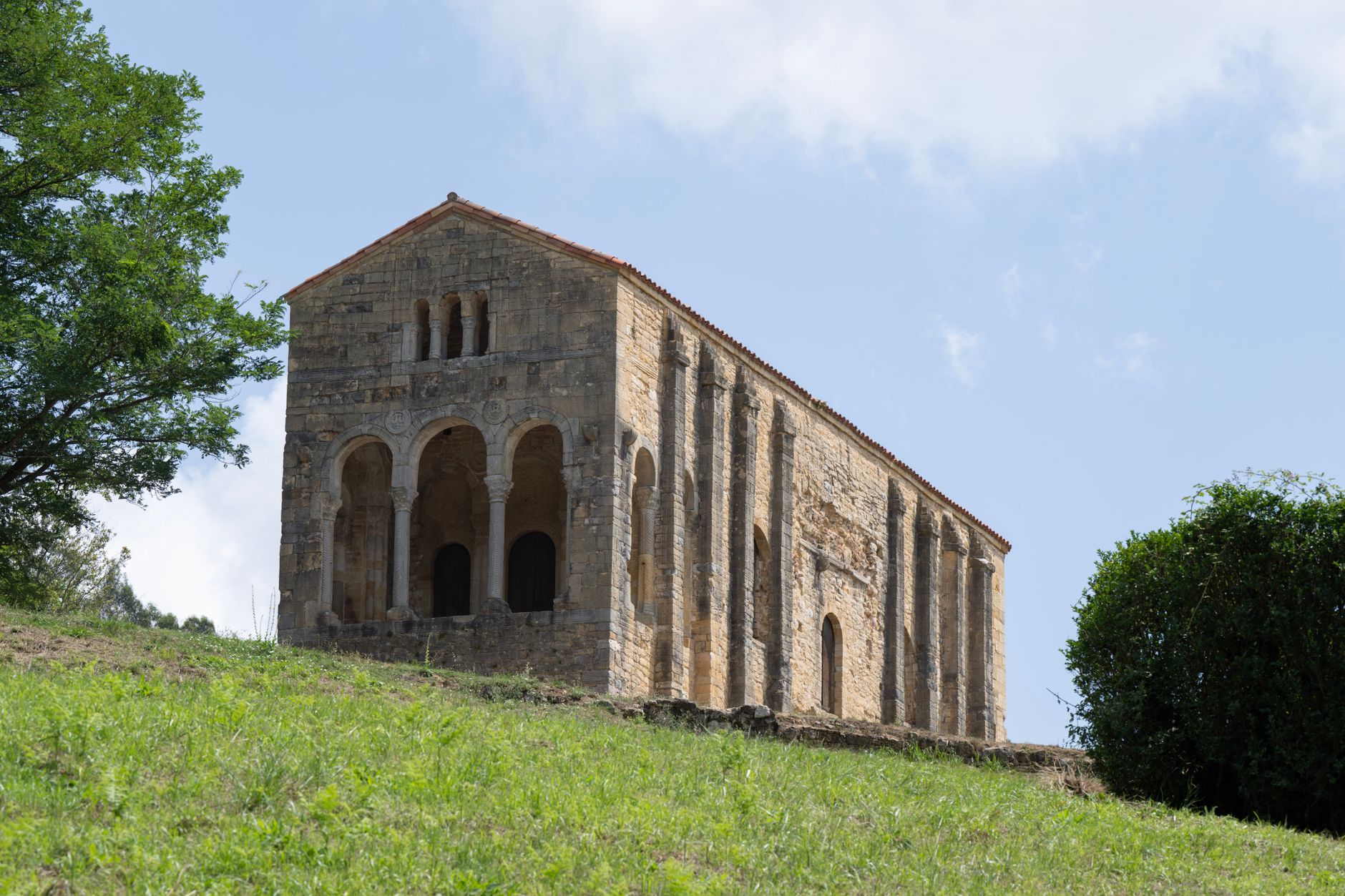
These valleys formed part of the monastic influence of the Kingdom of Asturias during the Middle Ages. The bishops of Oviedo held extensive administrative and land rights here for centuries, organizing the rural economy around the exploitation of mountain water and timber. The specific craft of knife-making emerged from this dependence on local iron deposits and charcoal, with workshops appearing in Taramundi by the eighteenth century. Today the landscape retains the imprint of that medieval division, where tiny, scattered hamlets demonstrate a long history of self-sufficiency. The isolation of these valleys preserved the agricultural infrastructure, protecting the mills and forges that sustained the population before road networks connected the interior to the coast.
Where it sits
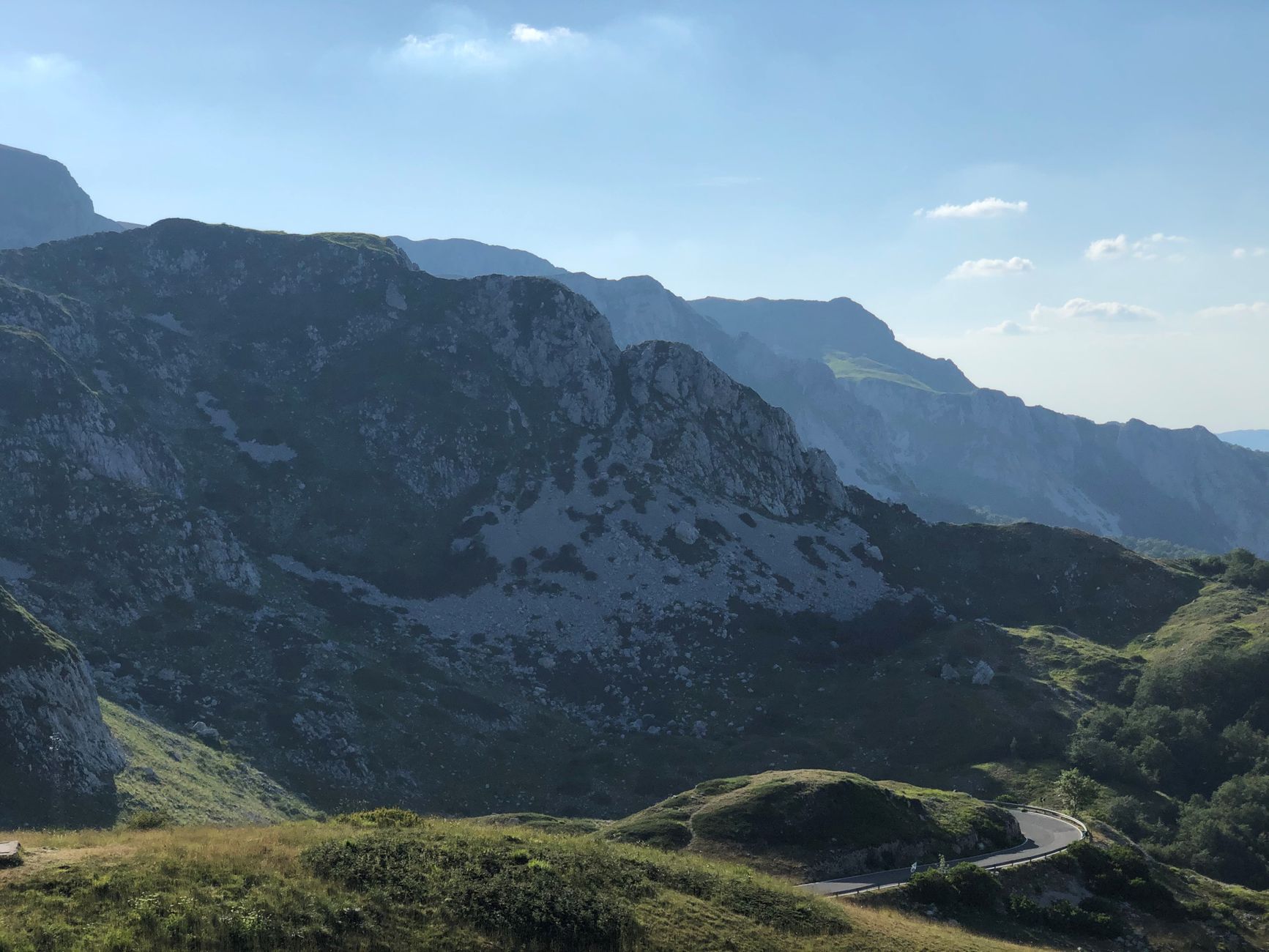
Western Asturias exists as a series of steep, rain-fed ridges separating the Navia river from the Galician border. High levels of precipitation ensure a permanent, dense green canopy that covers the slate slopes and deep canyons. Roads wind along the valley bottoms or follow narrow mountain ridges, connecting isolated clusters of stone houses. Winter brings mist and heavy moisture that keeps the soil sodden, while summer provides temperate relief from the heat found elsewhere in Spain. Few travelers navigate these roads, leaving the silence of the woods and the movement of mountain streams to define the character of the place.
What to eat and drink
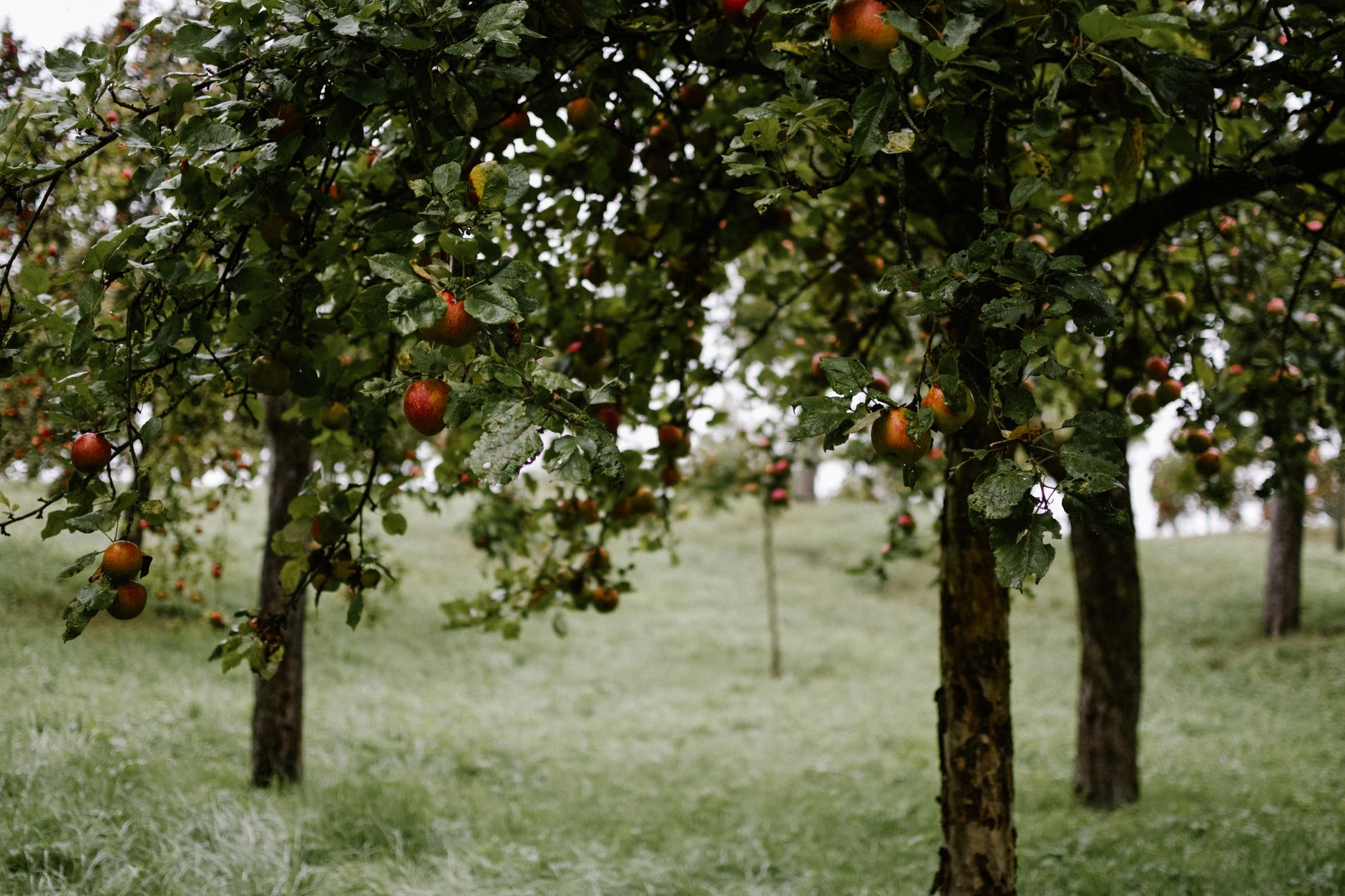
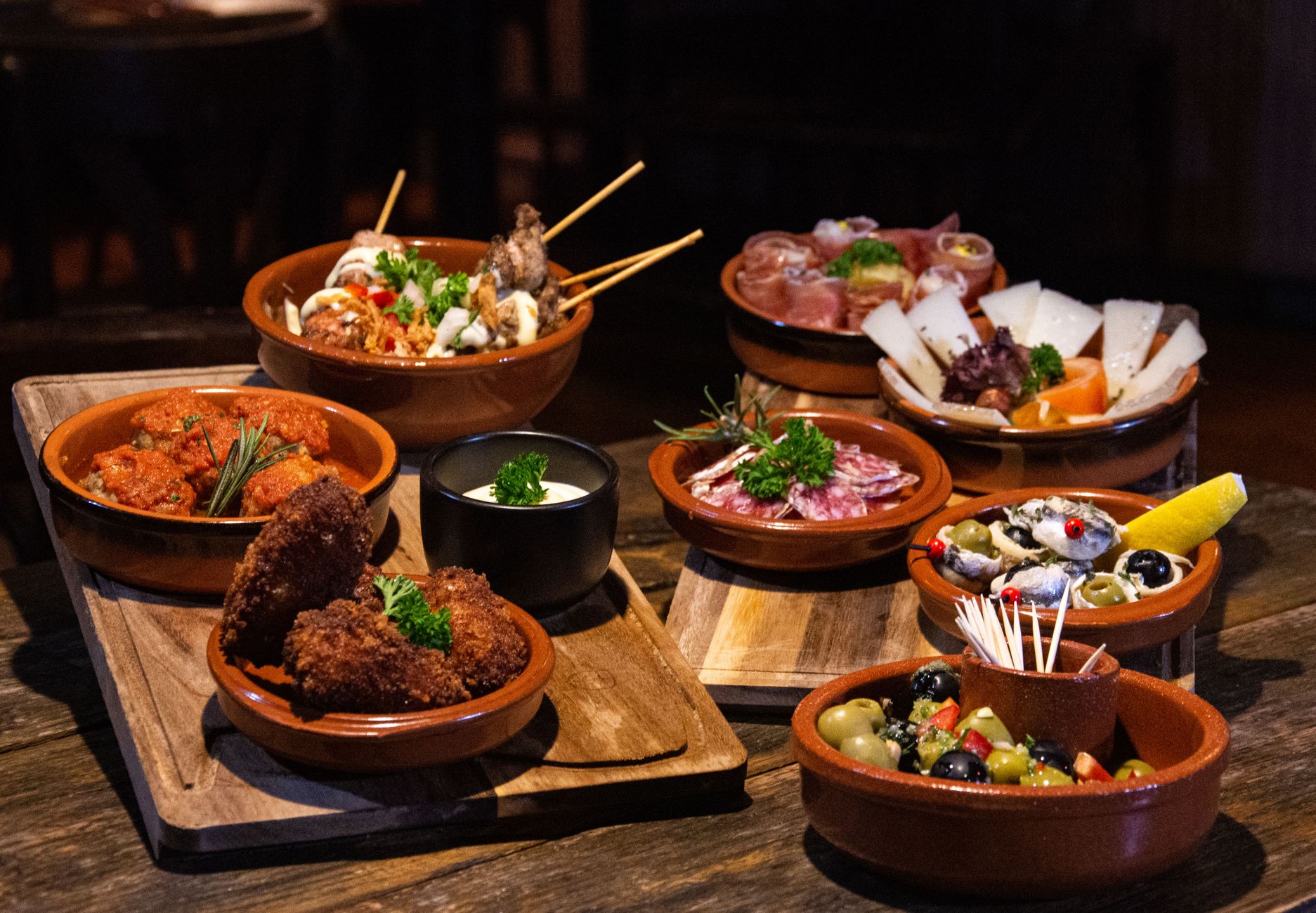
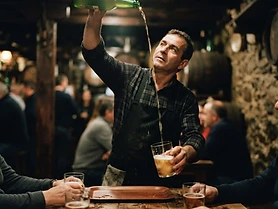
Caldo asturiano, a hearty broth of white beans, potatoes, and collard greens, anchors the local diet. The cold, wet climate favors the production of dense, long-cured sausages and ham, which appear in various stews. Cheeses made from cow milk, such as the creamy Afuega'l pitu, carry a sharp tang from the mountain pastures. Cider houses pour sidra natural, a dry, uncarbonated apple cider, from a height into the glass to aerate the liquid. Meals conclude with rice pudding, arroz con leche, slow-cooked to a thick consistency and caramelized on top with a hot iron.
Asturias: the whole region
Asturias fits a whole coast, a mountain range and a serious kitchen into a province you can cross in two hours. Cider poured from a height, blue cheese, working fishing ports, and the Picos de Europa standing over all of it. It rains often…
Minimum 4 days · better 7 days · deep 10-12 days
In and around Taramundi and the Oscos



In Asturias



In Asturias


In Asturias





Logistics are verified only. We don't publish schedules we haven't confirmed.
Appears In
Ready to build Taramundi and the Oscos into a trip?
You've found a place worth going. When you're ready to turn discovery into an itinerary, Travel Itinerary Co picks up where the Field Guide leaves off — with your saved places already in hand.
Build this into a tripContinues on Travel Itinerary Co
Spain Field Guide may earn a commission when you book through selected links. Recommendations are editorial and independent of commission.