Taramundi

Worth the detour that the whole region is named after. Buy a knife, visit a workshop, then drive on to the mills.
Spain's last cluster of hand knife-making workshops, in a town small enough to walk in ten minutes.
At a Glance
- — You want a town with restaurants and hotels — this is a workshop street and a valley
Taramundi is a small town in the far west of Asturias that has been making knives since the eighteenth century, when itinerant smiths went out from these valleys to work in Portugal and Castile. There are still a dozen workshops making blades and traditional folding knives by hand, a museum in a stone house explaining the trade, and shops along the main street selling what they make — a folding knife with a wooden handle bought here costs a quarter of what it would in a design shop in Madrid. The town itself is small and grey-stone; the point is the craft, and the roads that radiate from it.
How it got here
Knife production in this corner of Asturias emerged from the seasonal migrations of smiths who traveled to Portugal and Castile during the eighteenth century to find work. These artisans returned with techniques that transformed the valleys into a cluster of small-scale workshops. The trade shaped the town into a center for metalwork that persisted through the following centuries despite the isolation of these western mountains. Today the persistence of these workshops acts as a functional link to a time when domestic tools like folding knives relied entirely on local iron and the manual labor of a few families.
Where it sits
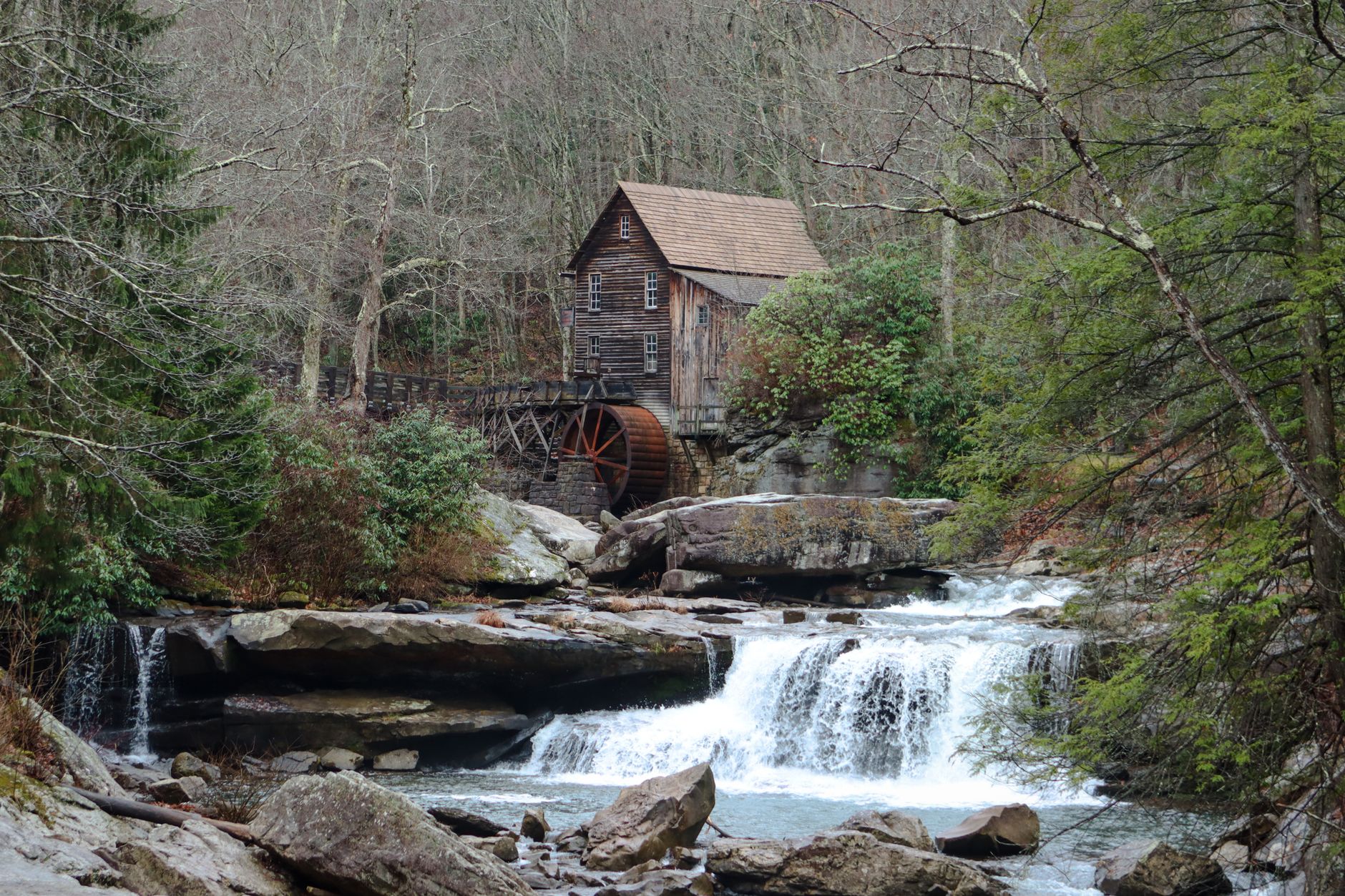
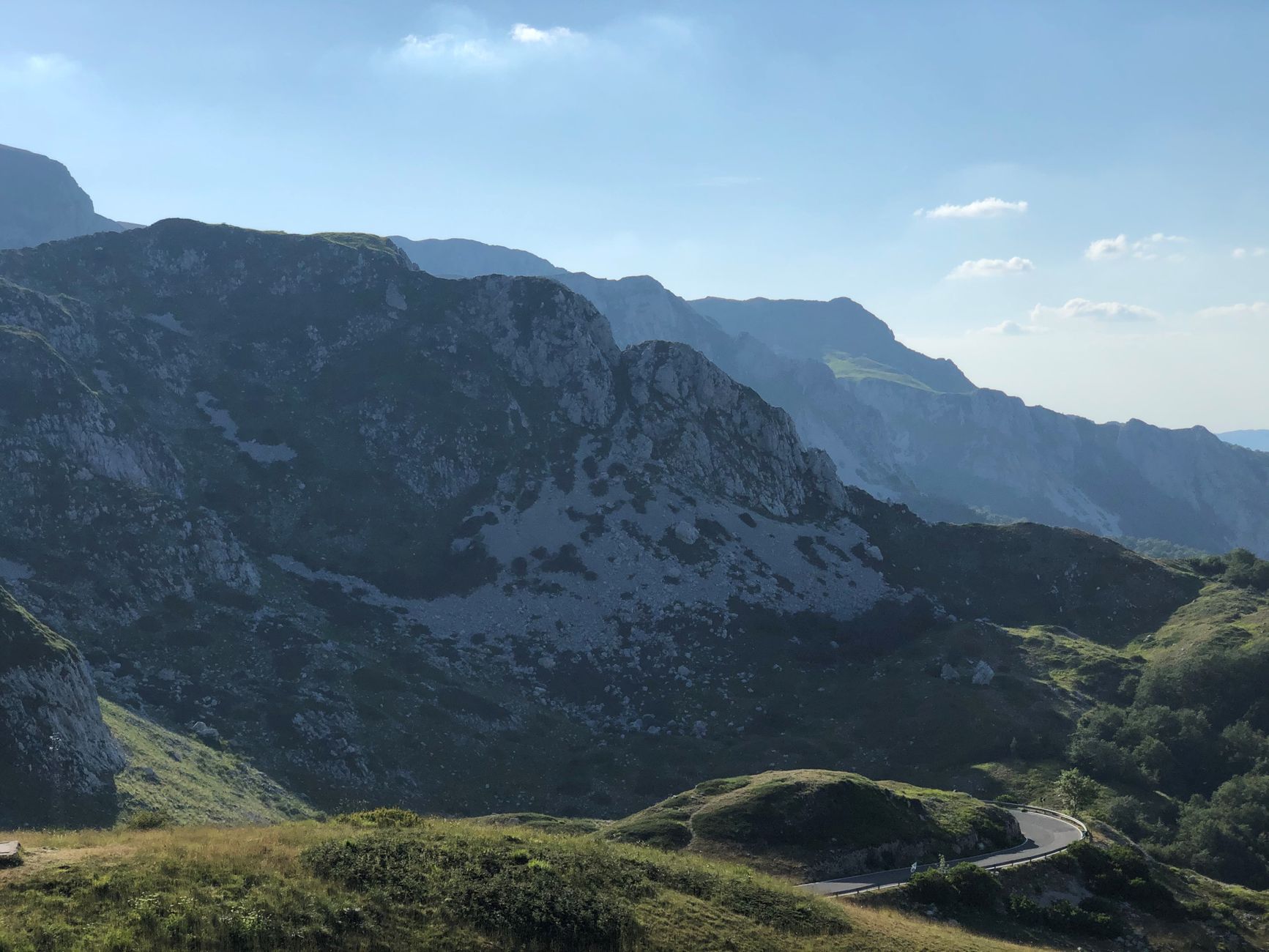
Deep valleys carved by the Eo and Suarón rivers define this landscape in the western reaches of Asturias. Oak and chestnut forests cover the slopes around grey-stone houses that cling to the uneven ground. Winter fogs often hang in the lowlands while the summer sun barely penetrates the deep shadows of the gorges. Roads wind tightly through the steep terrain and connect the town to the coastal plains of the north. Traffic remains light outside of summer months when visitors arrive to walk the trails that connect the mills and ironworks scattered throughout the surrounding slopes.
What to eat and drink
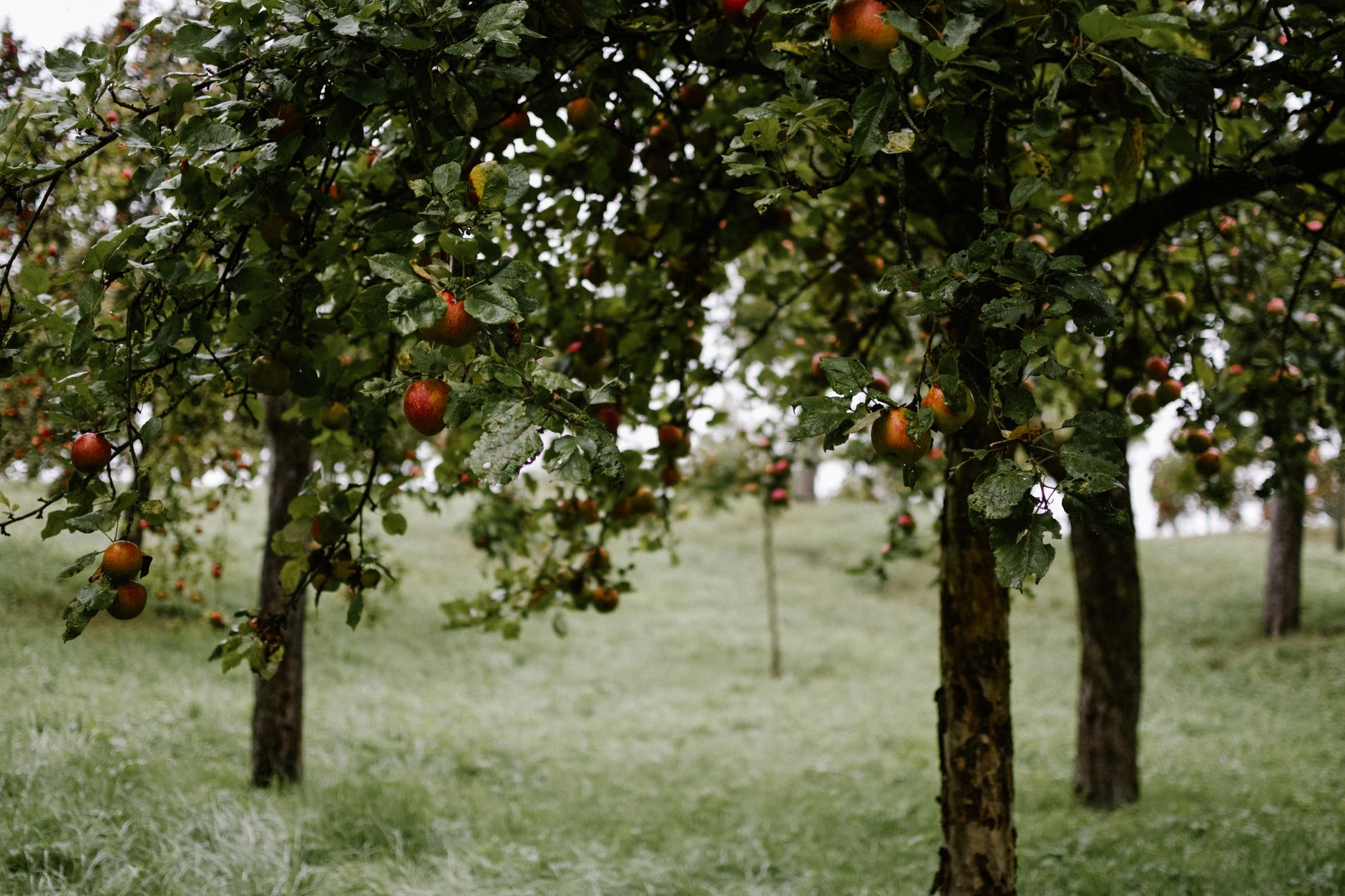
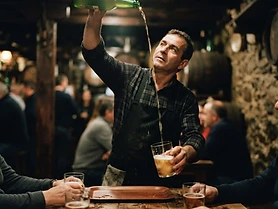
Caldo asturiano, a dense soup of cabbage, white beans, and cured pork, provides the necessary calories for the high humidity of the western mountains. The province depends on beef from mountain cattle and artisanal cheeses like Oscos, which uses local cow milk. Fabada asturiana, the slow-cooked stew of large faba beans and heavy sausages, dominates the table during cold weather. Cider remains the primary drink, poured from a height to aerate the tart apple base. For dessert, rice pudding with a burnt sugar crust follows the heavy, fat-rich meals that define the traditional cooking of the Asturian countryside.
Asturias: the whole region
Asturias fits a whole coast, a mountain range and a serious kitchen into a province you can cross in two hours. Cider poured from a height, blue cheese, working fishing ports, and the Picos de Europa standing over all of it. It rains often…
Minimum 4 days · better 7 days · deep 10-12 days
What's Nearby


Pair It With
In Asturias



In Asturias


In Asturias





Logistics are verified only. We don't publish schedules we haven't confirmed.
Experiences worth booking ahead
Spain Field Guide may earn a commission when you book through selected links. Recommendations are editorial and independent of commission.
Ready to build Taramundi into a trip?
You've found a place worth going. When you're ready to turn discovery into an itinerary, Travel Itinerary Co picks up where the Field Guide leaves off — with your saved places already in hand.
Build this into a tripContinues on Travel Itinerary Co
Spain Field Guide may earn a commission when you book through selected links. Recommendations are editorial and independent of commission.