Cabo de Palos
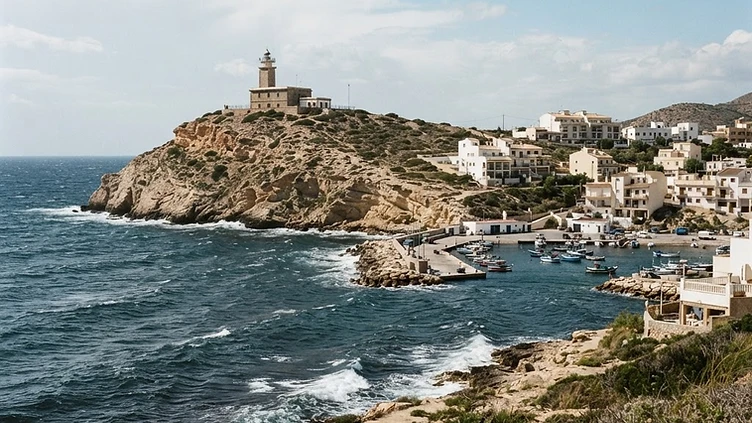
Half a day for the harbour, the lighthouse walk and a plate of caldero. Book a table on a summer weekend, or eat at noon.
A working dive-and-fishing village on a cape: the region's best underwater reserve, and the harbour restaurants that invented caldero.
At a Glance
Cabo de Palos is a small port on the headland that closes the Mar Menor, with a lighthouse at the point and a row of restaurants around the harbour. The marine reserve off the cape is the most popular dive site in Murcia, with wrecks and seagrass meadows. The local dish, caldero, is served with the fish stock that made it on the side.
How it got here
Phoenicians navigated these waters to establish trade routes along the Mediterranean coast, while Roman presence left evidence of salting pits for garum production near the harbour. The cape provided a vital navigational mark for mariners traversing the jagged shelf toward the Mar Menor. During the sixteenth century, the construction of a watchtower aimed to curb the frequent raids by Berber pirates targeting the Murcian littoral. The current lighthouse rose in the nineteenth century upon the foundations of this earlier defensive structure, casting a beam over one of the most perilous nautical passages in the western Mediterranean to protect merchant vessels from submerged rock formations.
Where it sits
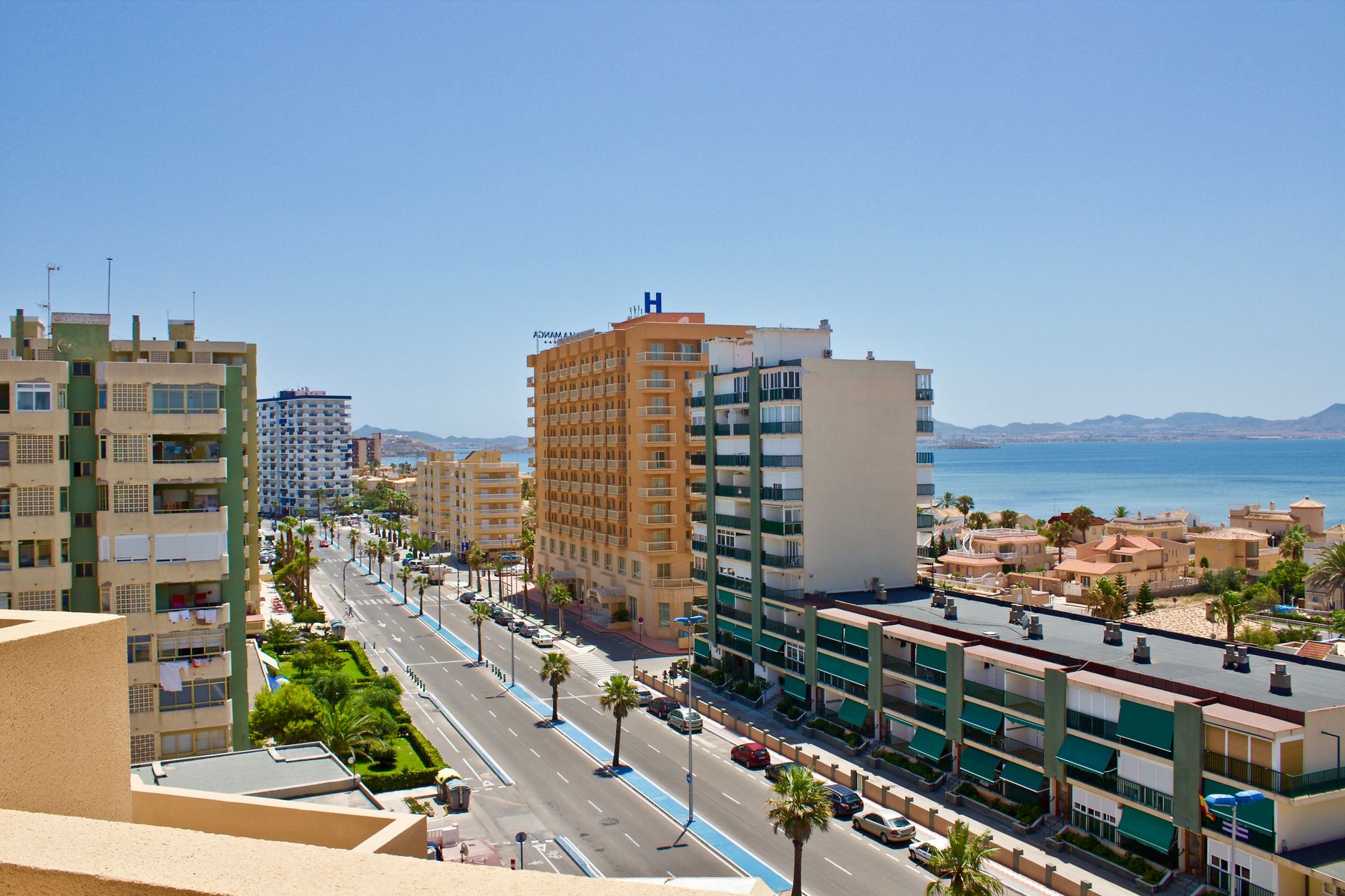
The village sits at the eastern end of a low-lying rocky peninsula separating the Mediterranean from the inland saltwater lagoon of the Mar Menor. The terrain consists of sedimentary rock and scrubland where salt-tolerant flora thrives under the intense sun. Prevailing winds dictate the character of the coastline, churning the open sea while leaving the lagoon waters calm. Summer brings a density of residents from the Murcian interior, shifting the quiet rhythms of the fishing port. In autumn and winter, the salt-crusted limestone paths remain empty, exposed to the raw salt spray and the clarity of the cooler light.
What to eat and drink
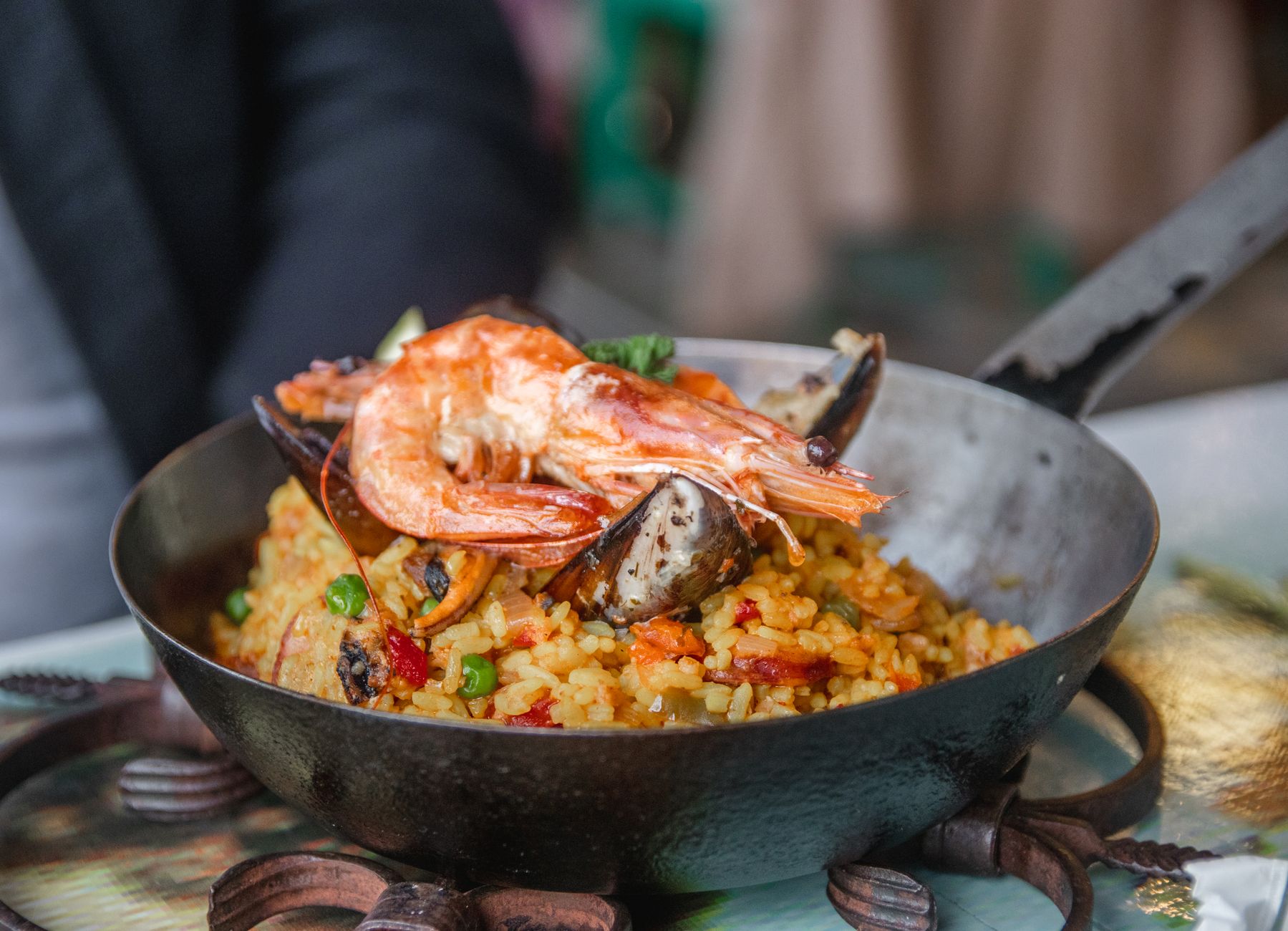
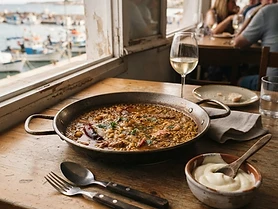
Caldero takes precedence here, a dense fish stew prepared in a cast-iron pot with dried ñora peppers, garlic, and locally caught rockfish, served with the concentrated stock poured over rice. The proximity to the salt flats of San Pedro del Pinatar influences the seasoning of the catch. Salt-baked sea bass provides a plain, effective method of preparation that highlights the freshness of the product. The dry white wines of the Bullas and Jumilla denominations, though inland in origin, provide the necessary acidity to balance the intensity of the seafaring preparations served along the harbour edge.
Murcia: the whole region
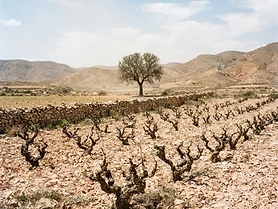
The driest corner of Spain, and better for it: a region of arid hills, irrigated valleys and a coast that is still mostly open. Cartagena is the surprise — a port with a Roman theatre, an Art Nouveau street and a naval history you can walk…
Minimum 3 days · better 5-6 days · deep 8 days
In Murcia




In Murcia


In Murcia









Other Worth a Detour in Murcia


Logistics are verified only. We don't publish schedules we haven't confirmed.
Experiences worth booking ahead
Spain Field Guide may earn a commission when you book through selected links. Recommendations are editorial and independent of commission.
Ready to build Cabo de Palos into a trip?
You've found a place worth going. When you're ready to turn discovery into an itinerary, Travel Itinerary Co picks up where the Field Guide leaves off — with your saved places already in hand.
Build this into a tripContinues on Travel Itinerary Co
Spain Field Guide may earn a commission when you book through selected links. Recommendations are editorial and independent of commission.