La Fresneda

A two-hour stop, and the square alone justifies it. The quietest of the four main villages here.
The best porticoed plaza in the Matarraña, built on wool money.
At a Glance
- — You want somewhere with shops open — there are very few
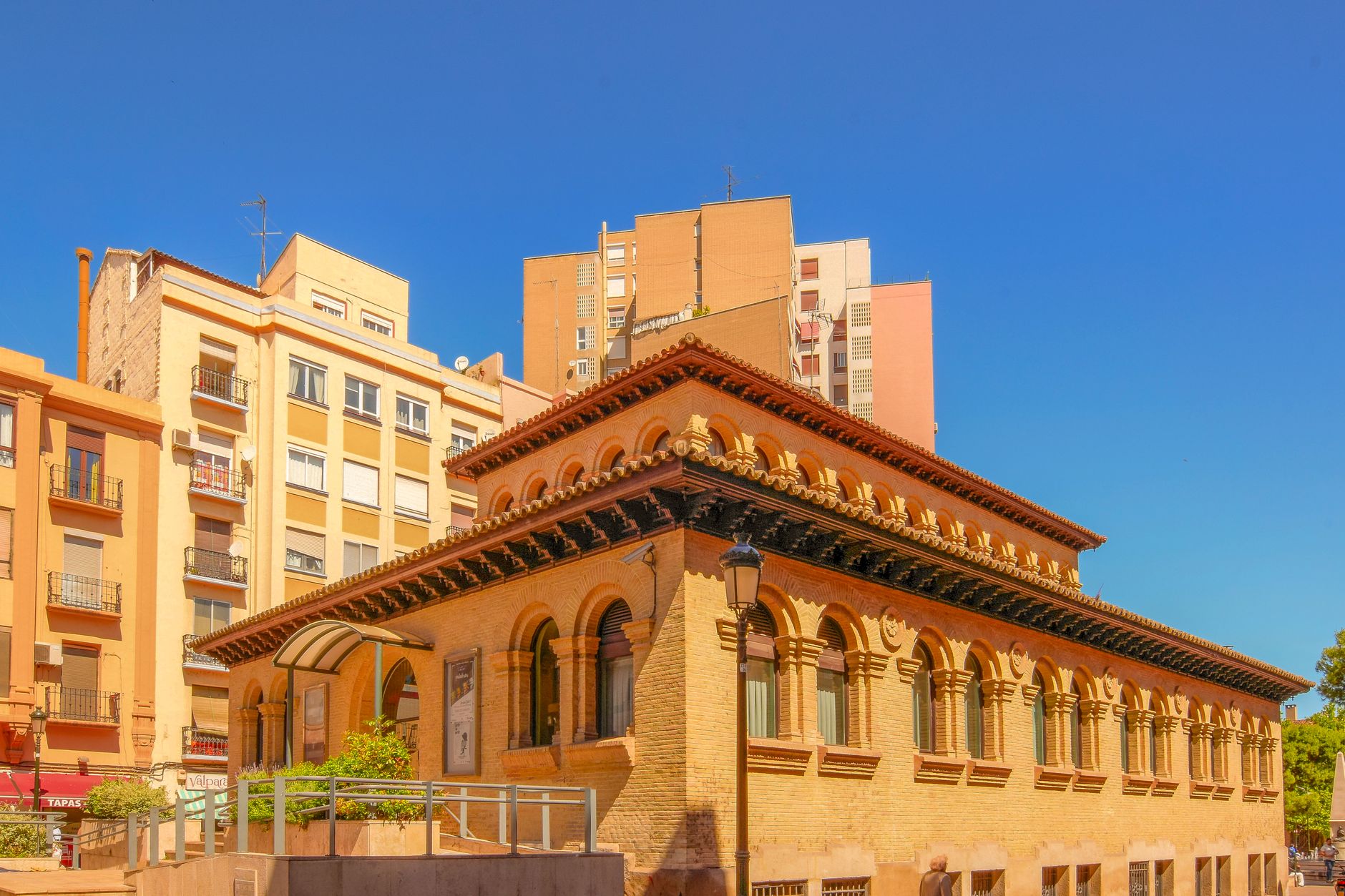
La Fresneda is a hill village with one of the finest market squares in Aragón: a long porticoed plaza with a Renaissance town hall at one end and an old grain exchange at the other, built when this was a prosperous wool town on the road between Zaragoza and the coast. The streets behind it climb to a ruined castle with views over the olive groves. It has a handful of houses open as rural accommodation and a couple of places to eat, and it is the quietest of the Matarraña's four main villages. Twenty minutes of walking, then lunch, then the drive on.
How it got here
The village rose to prominence as a center of wool production during the sixteenth and seventeenth centuries. Wealth from the trade funded the construction of the Plaza Mayor, which served as a grain exchange and administrative hub. The architecture reflects the prosperity of this era when the town occupied a strategic position on the trade route connecting the Ebro Valley to the Mediterranean coast. After the local wool industry declined, the village became a quiet agricultural settlement. The ruined castle and the remnants of the defensive walls speak to the volatile frontier conflicts between the Christian kings and the local Moorish powers during the medieval period.
Where it sits
The village sits on a limestone ridge surrounded by the rolling hills of the Matarraña. Olive groves and almond orchards dominate the lower ground, while the higher elevations support dense forests of holm oak and pine. Roads winding through the landscape provide access from the plains to the west. Summer days bring intense heat that cools rapidly after sunset, and the village sees few travelers compared to the nearby hubs of the province. Winters bring frost to the high ground and long periods of stillness, as the agricultural cycle dictates the pace of daily life in these remote uplands.
What to eat and drink
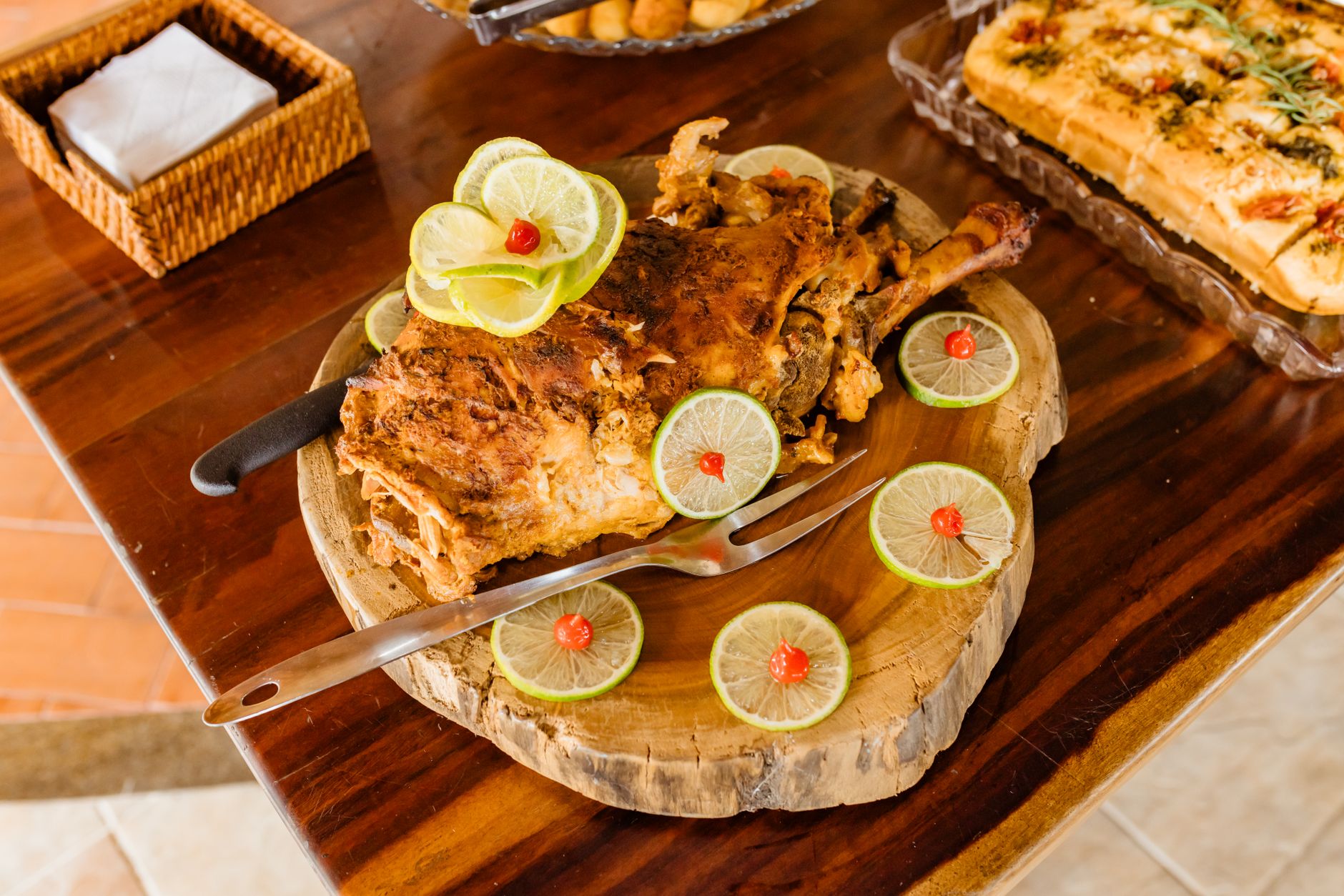
The local cuisine relies on the products of the surrounding hills. Jamón de Teruel, salt-cured ham from high-altitude producers, provides a standard starter. Ternasco, milk-fed lamb roasted with potatoes, continues to define the main course in these rural kitchens. Olive oil produced from the ancient groves surrounding the village serves as the base for all cooking. For dessert, tortas de alma are filled with pumpkin jam or almonds, traditions from the neighboring villages in the Matarraña. Garnacha grapes from the broader Teruel vineyards provide the red wine served alongside these heavy, traditional meals.
Aragón: the whole region
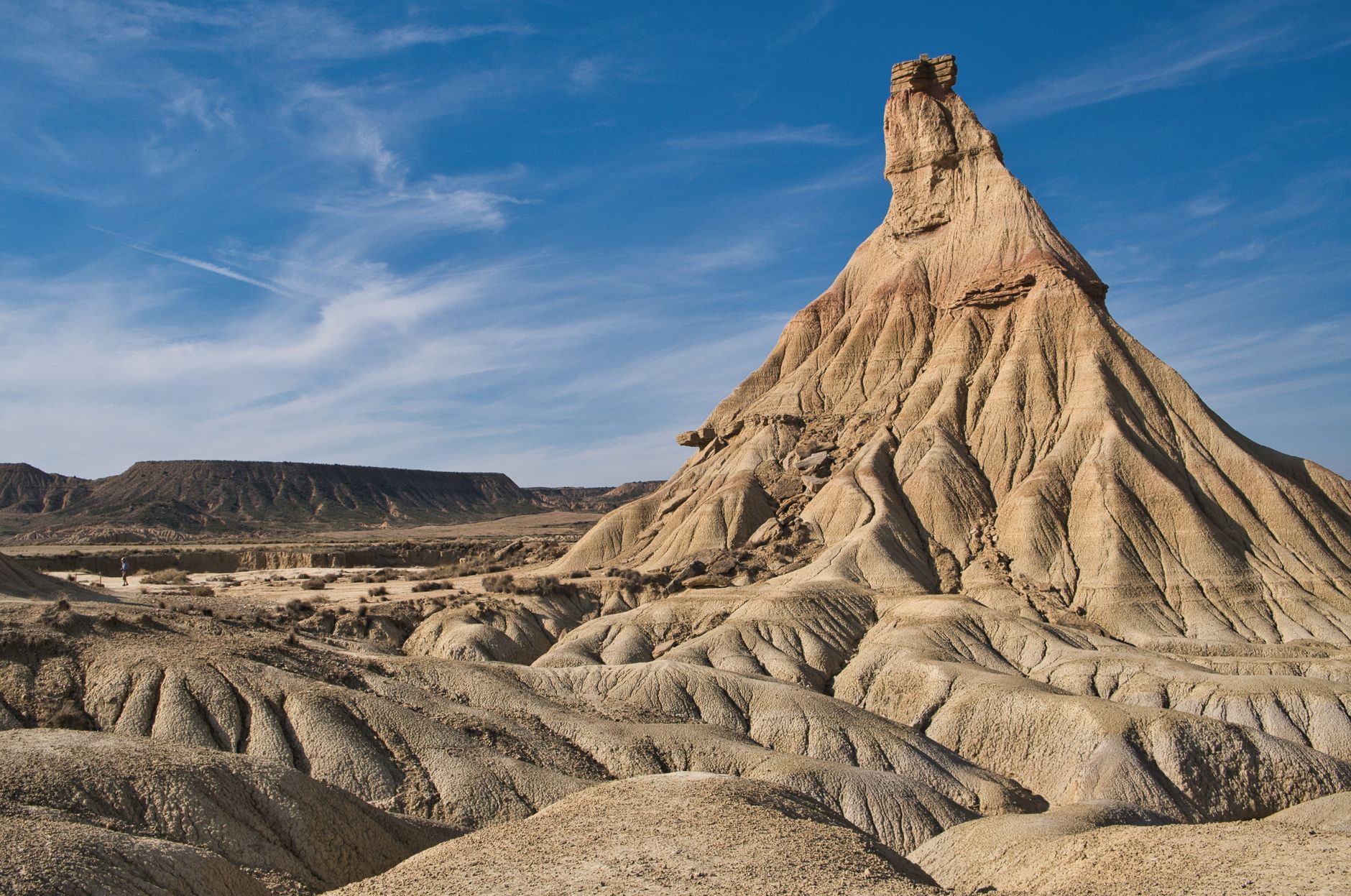
Three landscapes in one region: the Pyrenees and their canyons in the north, the dry Ebro plain with Zaragoza at its centre, and the high, empty south where Teruel's villages and the Maestrazgo stand. It is the least-visited half of…
Minimum 4 days · better 7-8 days · deep 10-12 days


In Aragón

In Aragón

In Aragón






Logistics are verified only. We don't publish schedules we haven't confirmed.
Experiences worth booking ahead
Spain Field Guide may earn a commission when you book through selected links. Recommendations are editorial and independent of commission.
Ready to build La Fresneda into a trip?
You've found a place worth going. When you're ready to turn discovery into an itinerary, Travel Itinerary Co picks up where the Field Guide leaves off — with your saved places already in hand.
Build this into a tripContinues on Travel Itinerary Co
Spain Field Guide may earn a commission when you book through selected links. Recommendations are editorial and independent of commission.