Matarraña
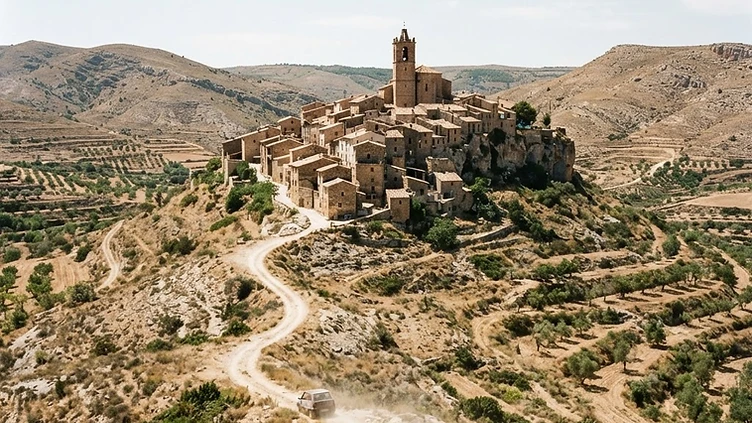
Worth a detour, and one of the best value two-night stays in Spain: good towns, better food than the region's reputation suggests, no crowds.
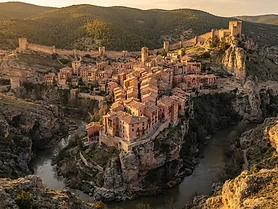
Half a dozen intact medieval towns, ancient olive terraces and a river gorge, in the empty west of Aragón.
At a Glance
- — You are relying on public transport — this is car country
The Matarraña is a comarca of hills, olive terraces and rivers in western Teruel, on the borders with Catalonia and Valencia, and it holds the highest concentration of good medieval towns in Aragón: Valderrobres with its castle, church and bridge, Calaceite, La Fresneda, Beceite. It is also olive country, with ancient trees on dry stone terraces and small mills pressing them, and walking country, where the gorge of El Parrizal cuts through the limestone until the road gives out. The food is Catalan-adjacent, the wine is improving, and nothing is crowded. Come by car, stay two nights.
How it got here
Control of this borderland shifted between Christian and Muslim rulers throughout the medieval period. The Order of Calatrava secured the territory for the Crown of Aragon in the twelfth century, bringing settlers from the north to consolidate the frontier. These mountain towns grew as agricultural hubs protected by defensive walls and fortified churches. Architectural traces from these centuries define the current stone facades and narrow streets of towns like Valderrobres and Calaceite. The reliance on dry stone terracing for olive cultivation created the enduring landscape seen today, as the economy remained tied to the production of oil and grain through successive centuries of political change.
Where it sits
The terrain rises from the Ebro basin into the limestone massifs of the Ports de Tortosa-Beseit range. Rivers carve deep canyons into the pale rock, creating a landscape of narrow gorges and steep terraced slopes covered in ancient olive trees. Summer heat settles in the valley bottoms while the high paths stay cooler, and winter brings sharp cold across the limestone plateaus. Visitors arrive by car from the coastal plains of Catalonia or the interior of Teruel, navigating winding roads that connect isolated villages. The lack of major transport routes keeps the pace quiet regardless of the season.
What to eat and drink
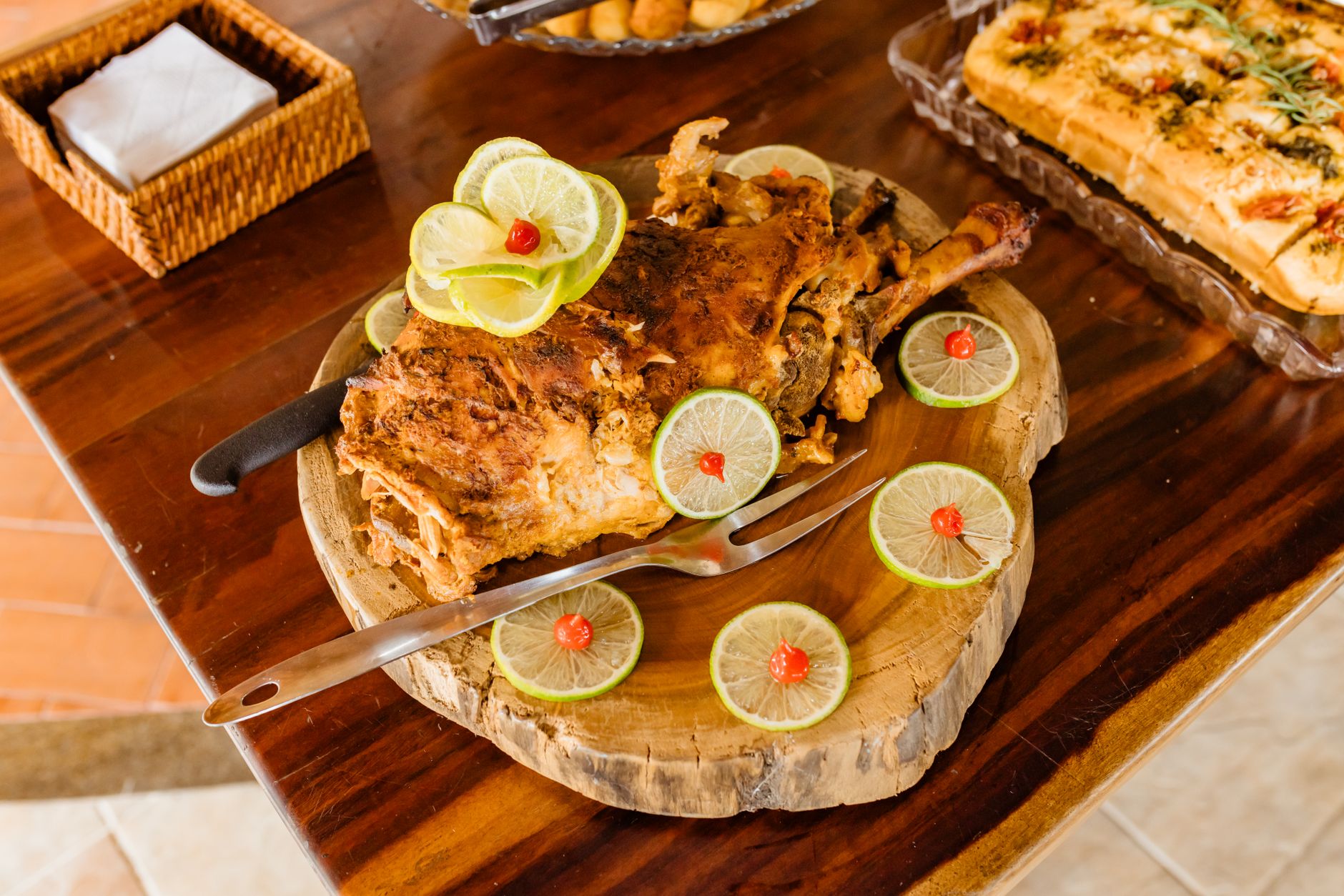
Oil pressed from local empeltre olives provides the foundation for the kitchen. Cooks use this oil for suquet de peix, a fish stew that draws from the Catalan coastal influence, and for frying salt cod with honey. Jamón de Teruel, cured in the dry mountain air, appears at every meal. Lamb, particularly ternasco de Aragón, is roasted simply with potatoes. The wine comes from the nearby Terra Alta and Matarraña designations, focusing on garnacha blanca grapes that thrive in the limestone soil. Small mills produce heavy, unfiltered oils that define the flavor of the cooked vegetables served in every village house.
Aragón: the whole region
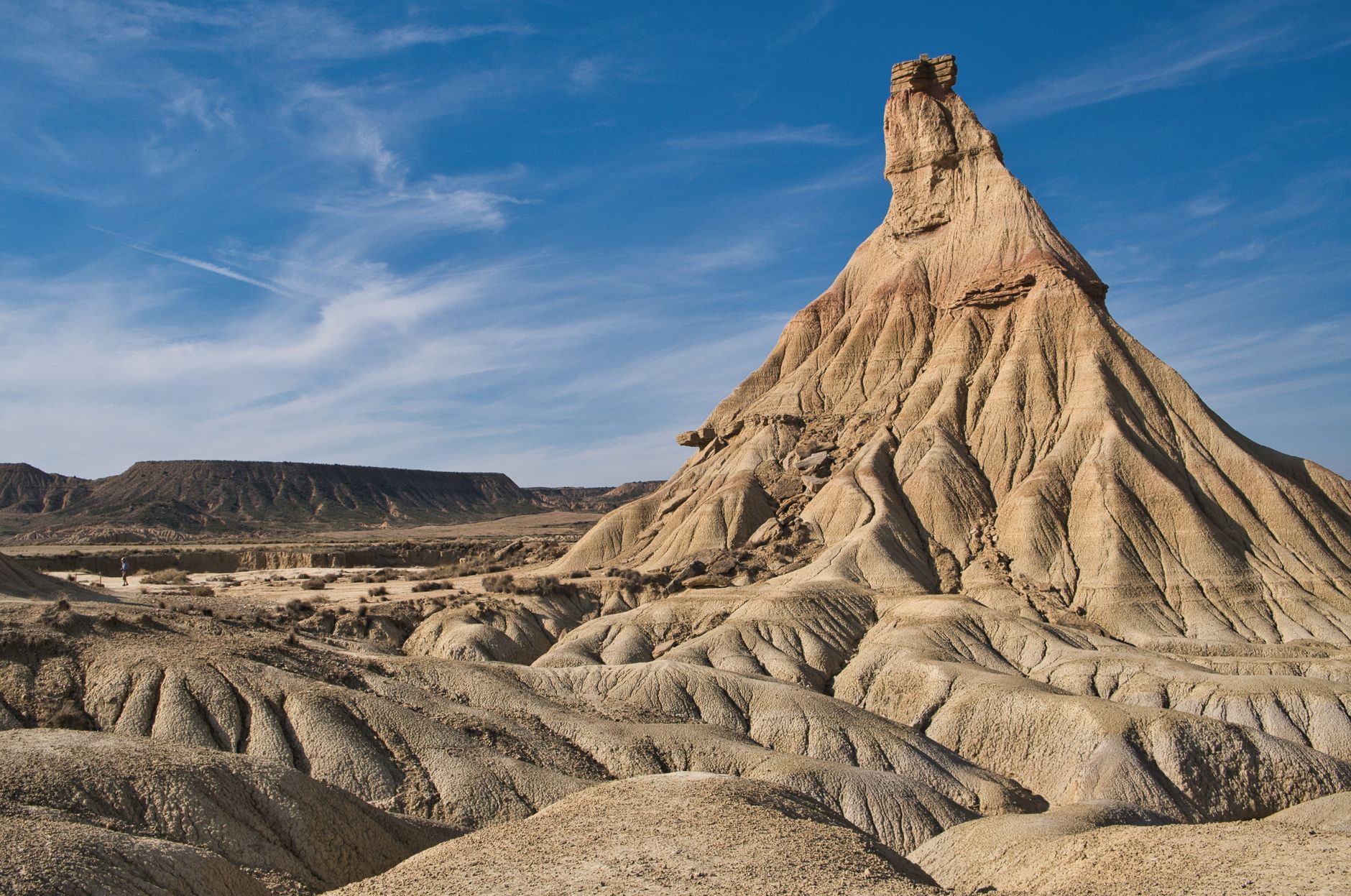
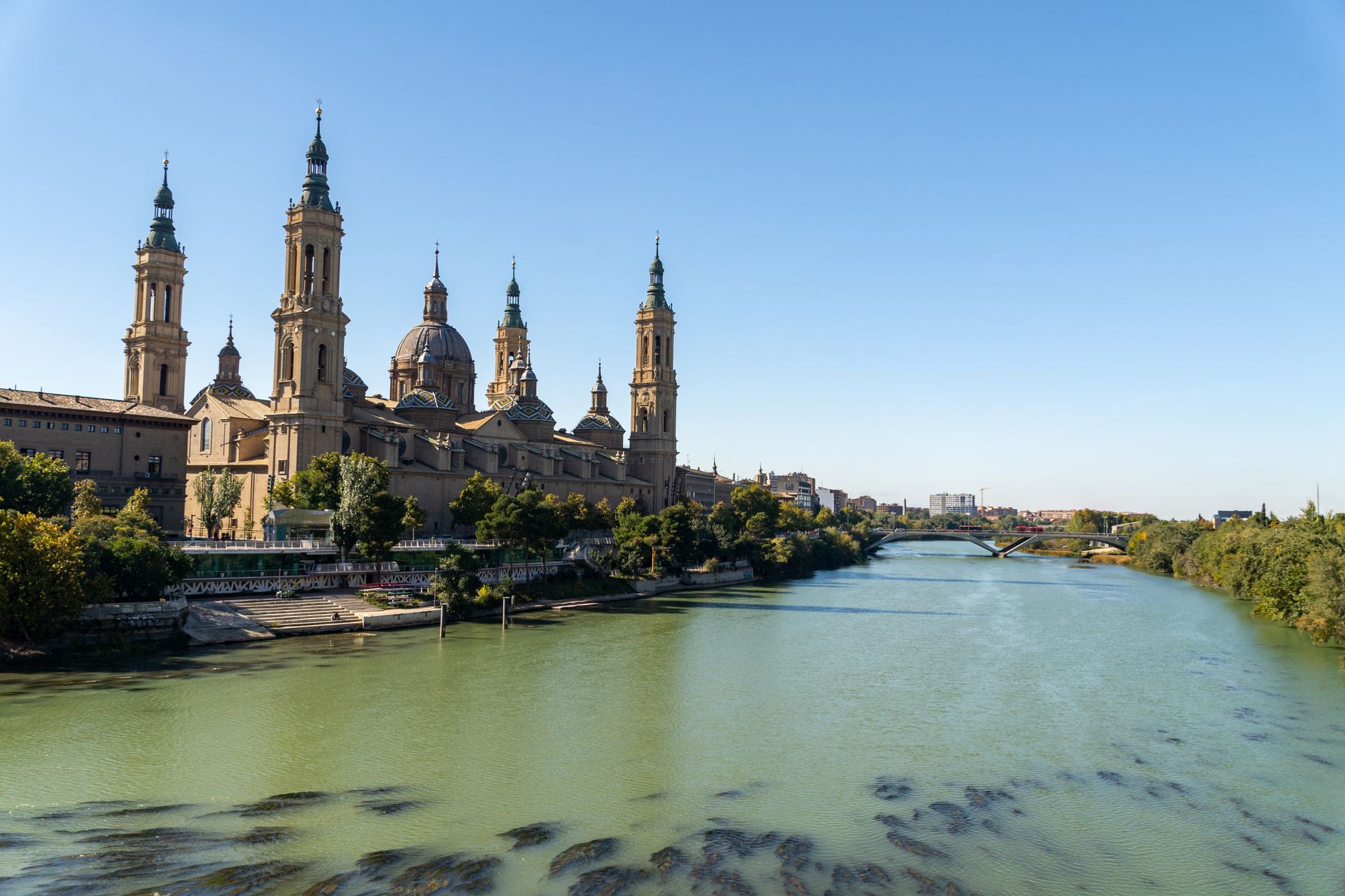
Three landscapes in one region: the Pyrenees and their canyons in the north, the dry Ebro plain with Zaragoza at its centre, and the high, empty south where Teruel's villages and the Maestrazgo stand. It is the least-visited half of…
Minimum 4 days · better 7-8 days · deep 10-12 days
In and around Matarraña


In Aragón

In Aragón

In Aragón





Linked from elsewhere
Entries that name this place in their own nearby lists.


Logistics are verified only. We don't publish schedules we haven't confirmed.
Appears In
Experiences worth booking ahead
Spain Field Guide may earn a commission when you book through selected links. Recommendations are editorial and independent of commission.
Ready to build Matarraña into a trip?
You've found a place worth going. When you're ready to turn discovery into an itinerary, Travel Itinerary Co picks up where the Field Guide leaves off — with your saved places already in hand.
Build this into a tripContinues on Travel Itinerary Co
Spain Field Guide may earn a commission when you book through selected links. Recommendations are editorial and independent of commission.