Sierra de Albarracín
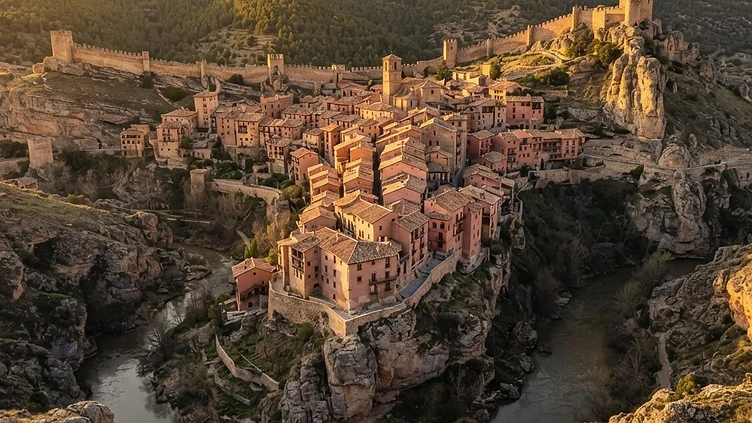
Two days. Albarracín deserves a night, not a photo stop — it empties in the evening and belongs to whoever stays.
A town that looks built into its own cliff, in a pine sierra that stays cool in August.
At a Glance
- — You are visiting in August expecting solitude — the town car park fills by eleven.
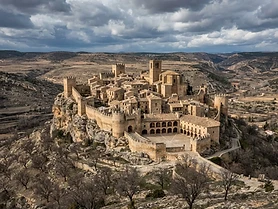
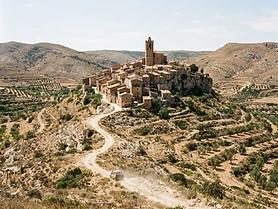
The Sierra de Albarracín is a high plateau of pine forest and red sandstone in the southwest of Teruel, and the town at its middle is the reason most people come: Albarracín, ochre and pink, hung over a gorge on a tight bend of the Guadalaviar, with walls going back to the eleventh century and lanes that end in views rather than squares. Around it is resin country — Orihuela del Tremedal, Bronchales, Ródenas and a dozen villages that live off pine, sheep, cheese and mushrooms — and the source of the Tagus is at the edge of the sierra. Cold nights, long walks, and one of the most beautiful small towns in Spain.
How it got here
The Banu Razín dynasty turned this rugged outpost into the seat of a Taifa kingdom during the eleventh century, leaving a defensive legacy that defined the town as an independent lordship for centuries. This remote autonomy continued under the Azagra family, who navigated the shifting borders between the Aragonese crown and the Kingdom of Castile. The stone walls that pin the town to the gorge cliffs date from this era of persistent territorial negotiation. Centuries of isolation helped preserve the medieval layout, as the difficulty of the surrounding terrain prevented the modern expansion seen in lower, more accessible parts of the province.
Where it sits
The terrain rises toward the Serranía de Cuenca, a plateau of high moorland where pine forests and dense thickets of oak cover the limestone hills. Temperatures drop sharply once the sun leaves the canyons, even during the height of summer. Winter brings long periods of frost that turn the landscape quiet and empty. Access relies on mountain roads that wind through the upland plains from the city of Teruel. The high altitude keeps the air thin and cold, creating a clear, sharp light that illuminates the pink sandstone architecture against the dark green of the forest.
What to eat and drink
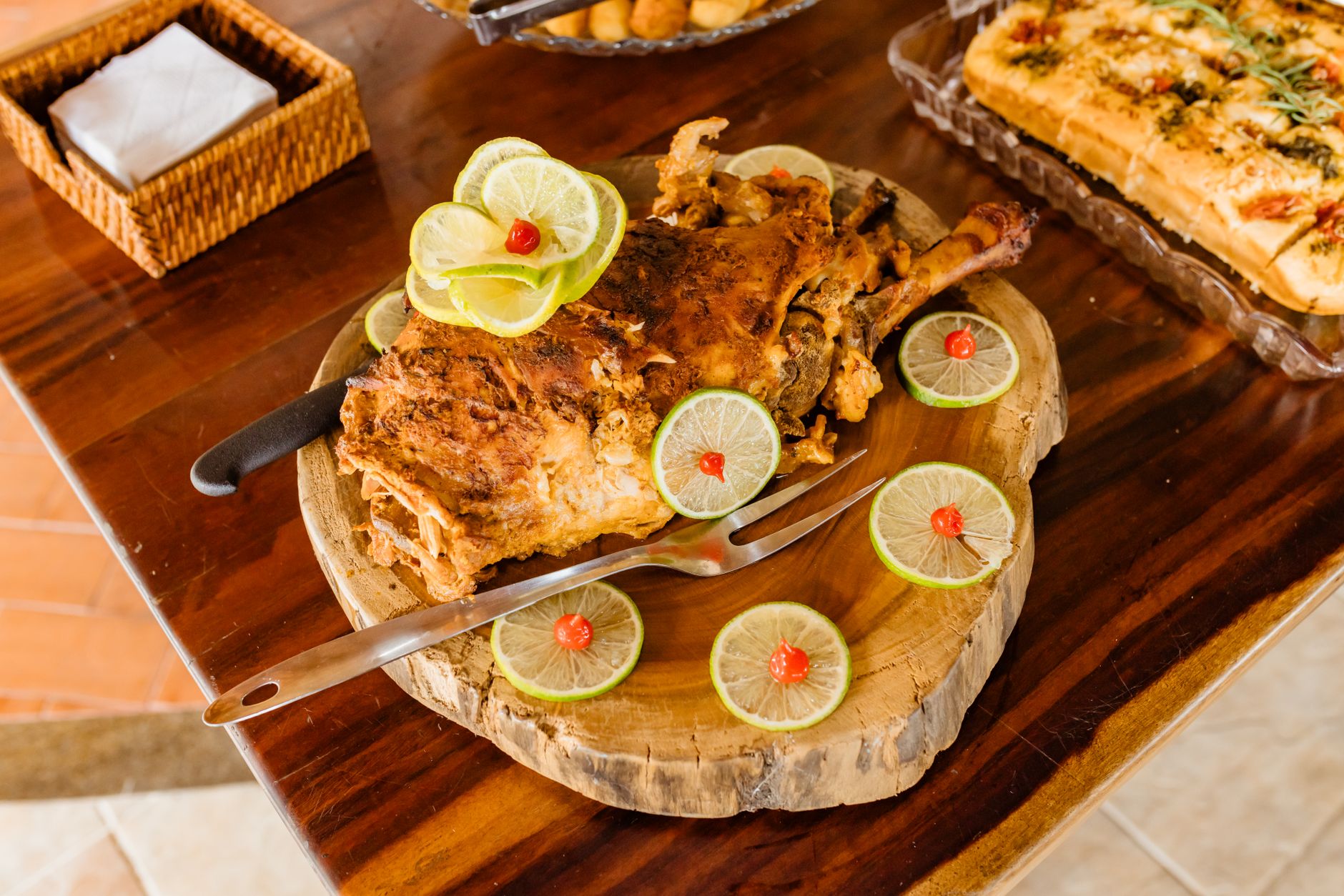
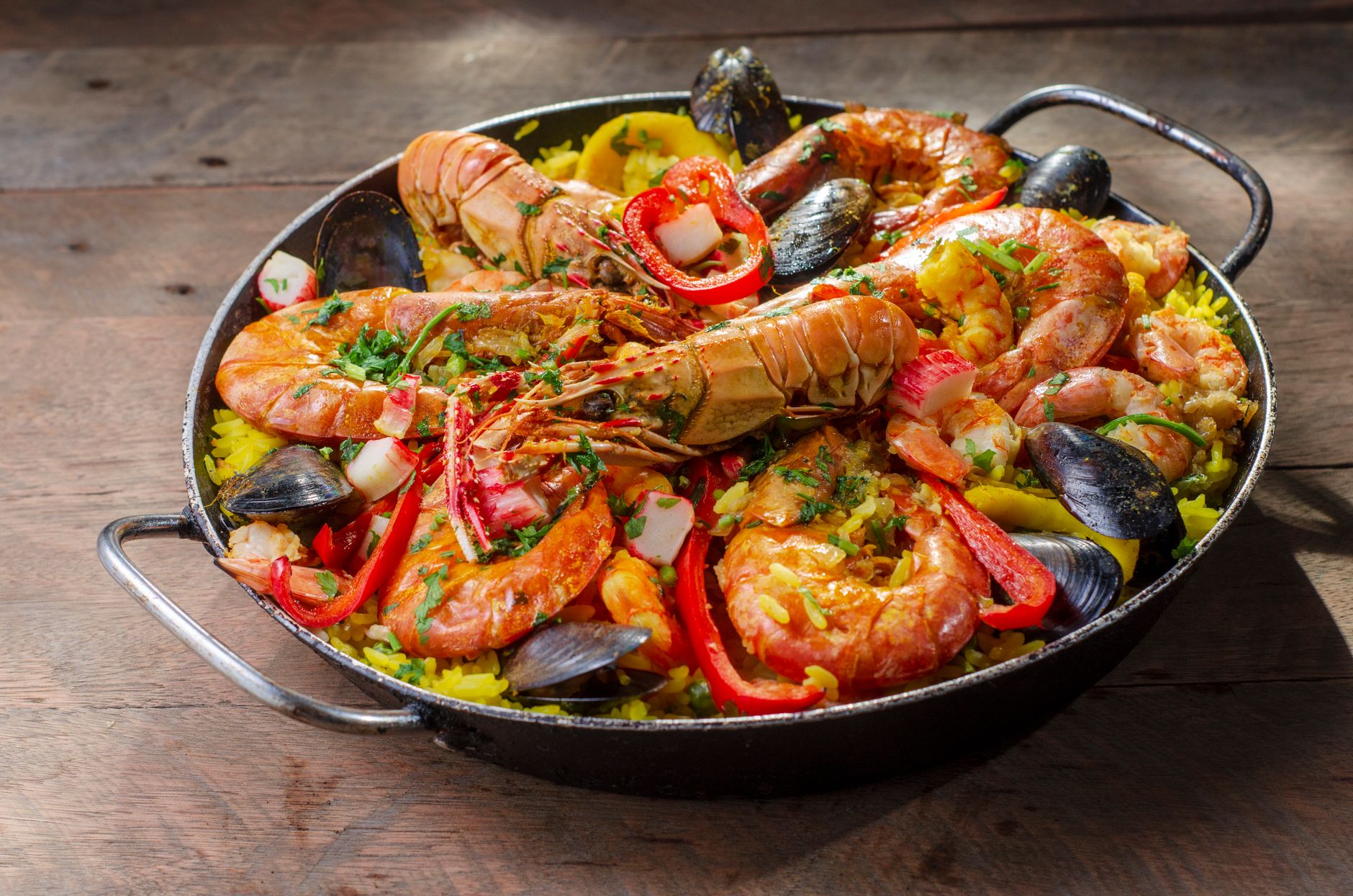
Sheep farming shapes the local diet, with ternasco de Aragón serving as the staple. This milk-fed lamb comes roasted until the skin crisps, served alongside simple potatoes. The cold climate encourages robust dishes such as migas de pastor, composed of breadcrumbs fried with garlic, oil, and bits of pork, sometimes finished with grapes for a touch of sweetness. Small mountain producers cure serrano ham and dry sheep cheese, which reflect the sparse, hard-scrabble nature of the high pastures. Meals often conclude with a glass of local red wine sourced from the lower, warmer valleys of the province.
Aragón: the whole region
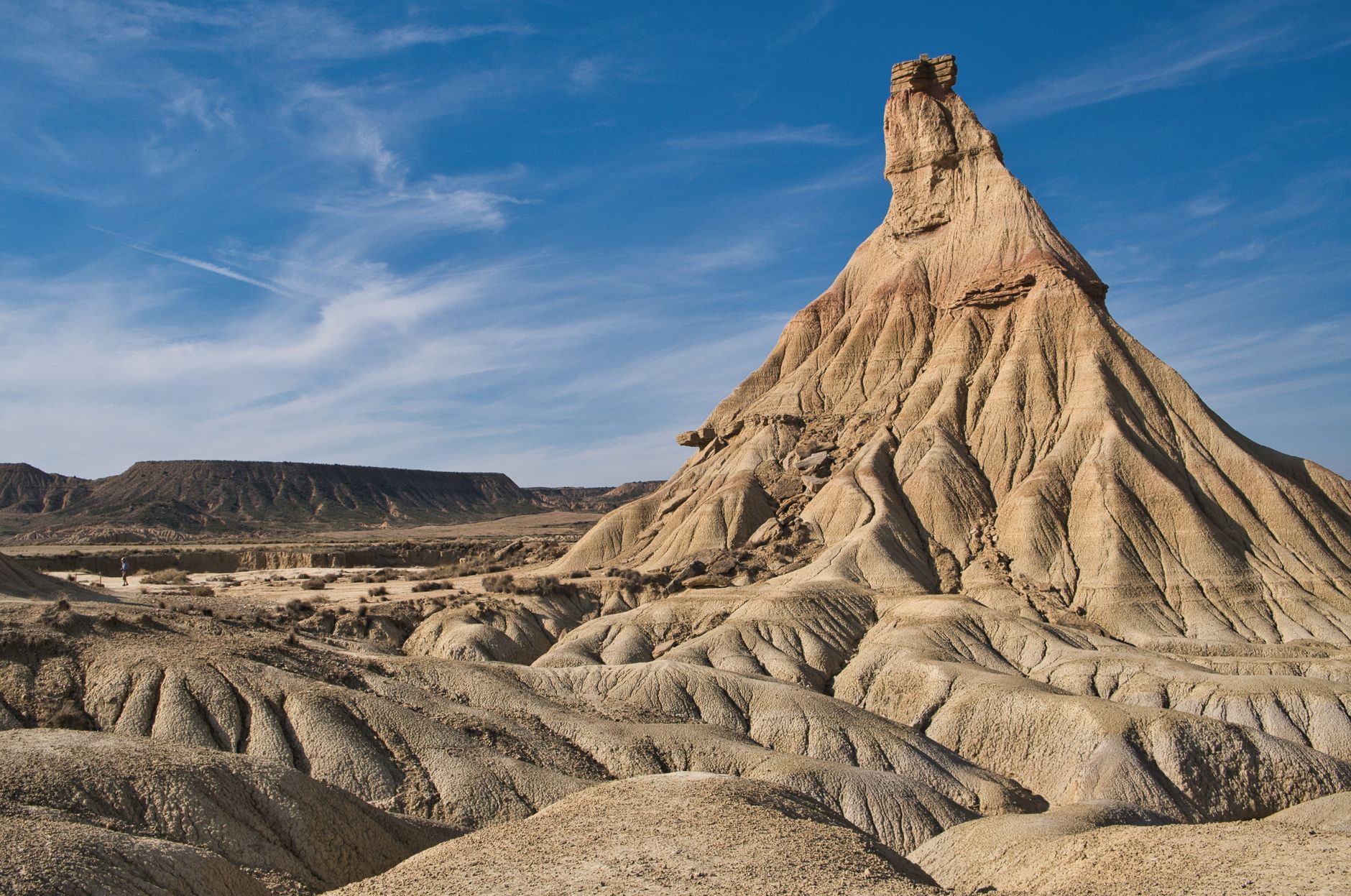
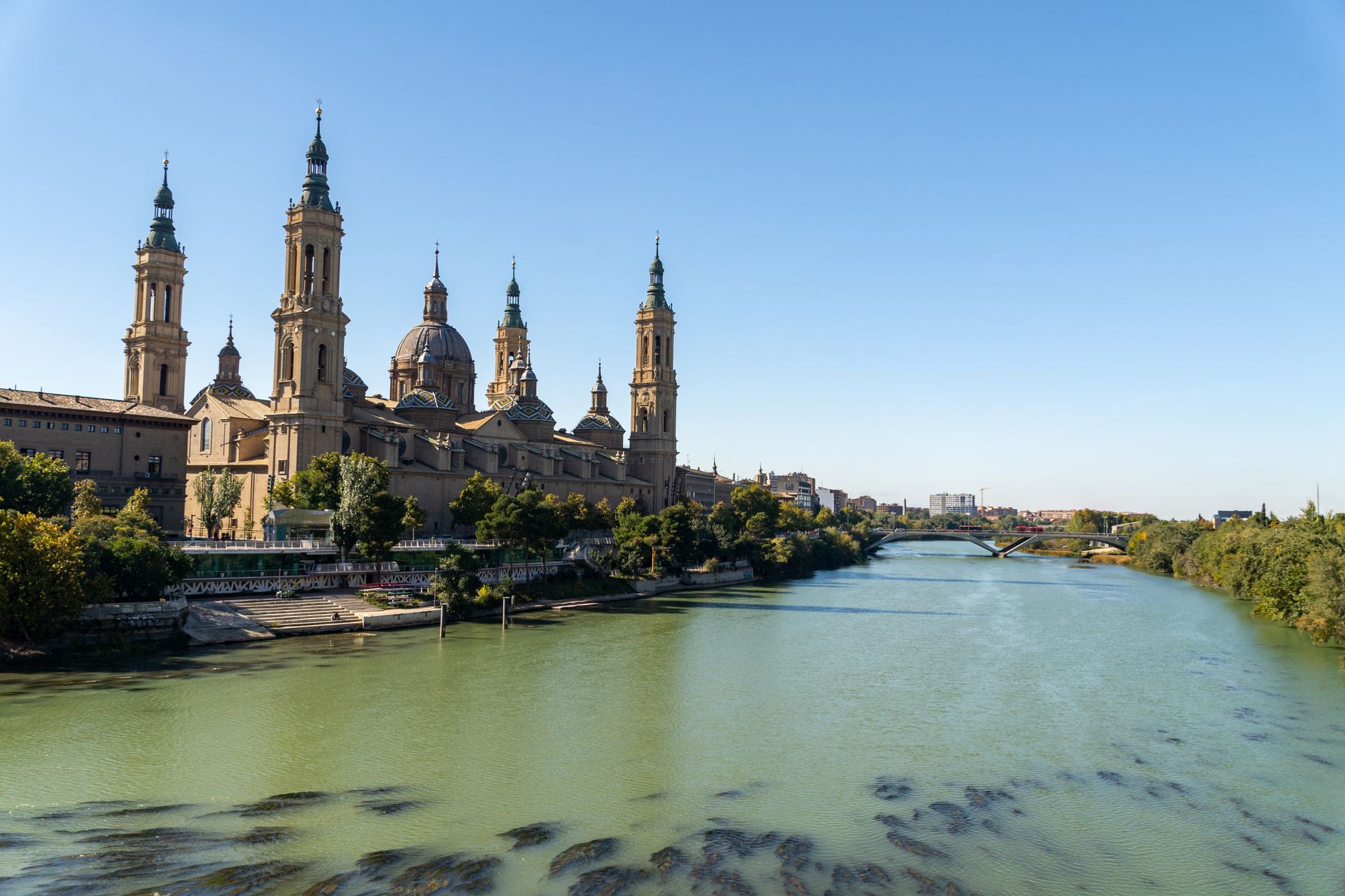
Three landscapes in one region: the Pyrenees and their canyons in the north, the dry Ebro plain with Zaragoza at its centre, and the high, empty south where Teruel's villages and the Maestrazgo stand. It is the least-visited half of…
Minimum 4 days · better 7-8 days · deep 10-12 days
In and around Sierra de Albarracín






In Aragón

In Aragón

In Aragón






Logistics are verified only. We don't publish schedules we haven't confirmed.
Appears In
Experiences worth booking ahead
Spain Field Guide may earn a commission when you book through selected links. Recommendations are editorial and independent of commission.
Ready to build Sierra de Albarracín into a trip?
You've found a place worth going. When you're ready to turn discovery into an itinerary, Travel Itinerary Co picks up where the Field Guide leaves off — with your saved places already in hand.
Build this into a tripContinues on Travel Itinerary Co
Spain Field Guide may earn a commission when you book through selected links. Recommendations are editorial and independent of commission.