Maestrazgo
Two or three days if you walk between villages; one if you only drive. Cold and half-shut from November to March.
Medieval villages that were never rebuilt or abandoned, in country that has changed very little.
At a Glance
- — You want restaurants and nightlife — there is one bar per village and it shuts early.
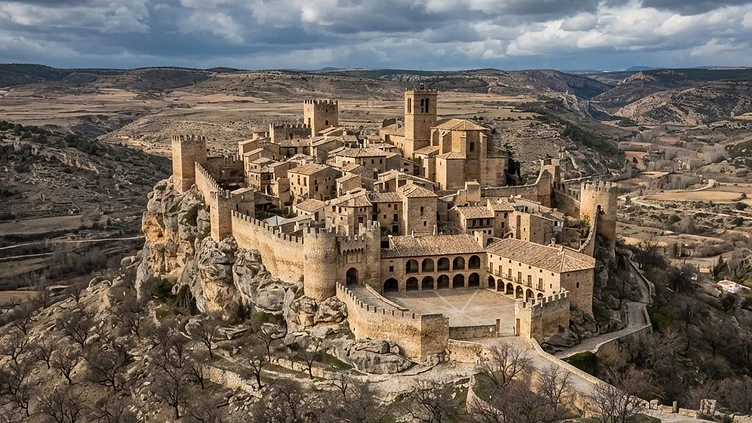
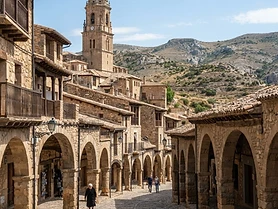
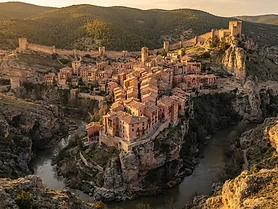
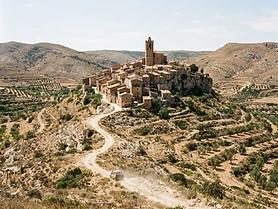
The Maestrazgo is the high country of Teruel, a medieval military district of the Order of Saint John, and it holds the best-preserved walled villages in Aragón: Cantavieja on its rock, Mirambel intact inside its gates, La Iglesuela del Cid with its arcaded main street. Stone, cobbles, hard winters and long views — on a clear day you can see the Castellón coast. This has always been a place of resistance: a Carlist stronghold in the nineteenth century, and maquis country after the Civil War. It still feels like somewhere that prefers to be left alone, which is exactly why it is worth the drive.
How it got here
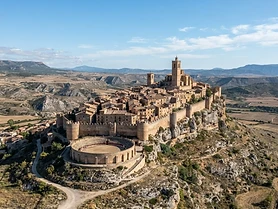
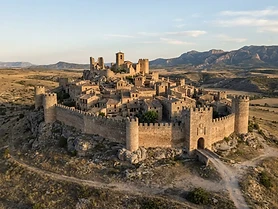
Military orders shaped the district after the Reconquista granted these mountains to the Knights Templar and the Order of Saint John. These fortifications functioned to hold a porous frontier against the kingdom of Valencia. Villages like Cantavieja and Mirambel built walls and stone towers to command the high passes and narrow ravines. The nineteenth century brought the Carlist Wars to these peaks. Rebels used the crags and limestone caves as bases for guerrilla campaigns that defied central authority for decades. This legacy of isolation and independent governance informs the current character of the villages where the stone architecture survives because of a lack of nineteenth and twentieth century industrial expansion.
Where it sits
The terrain rises abruptly from the plains toward the boundary between Aragón and the coast of Castellón. Pale limestone plateaus collide with deep river canyons and dense forests of holm oak and pine. Winter brings heavy snow that renders minor roads impassable for days while summer heat stays moderated by the high elevation. Visitors arrive via winding mountain passes that climb through sparse scrubland and rocky outcrops. The villages sit on high ridges overlooking the valley floors below. This is quiet country where the silence of the high sierra persists throughout the year.
What to eat and drink
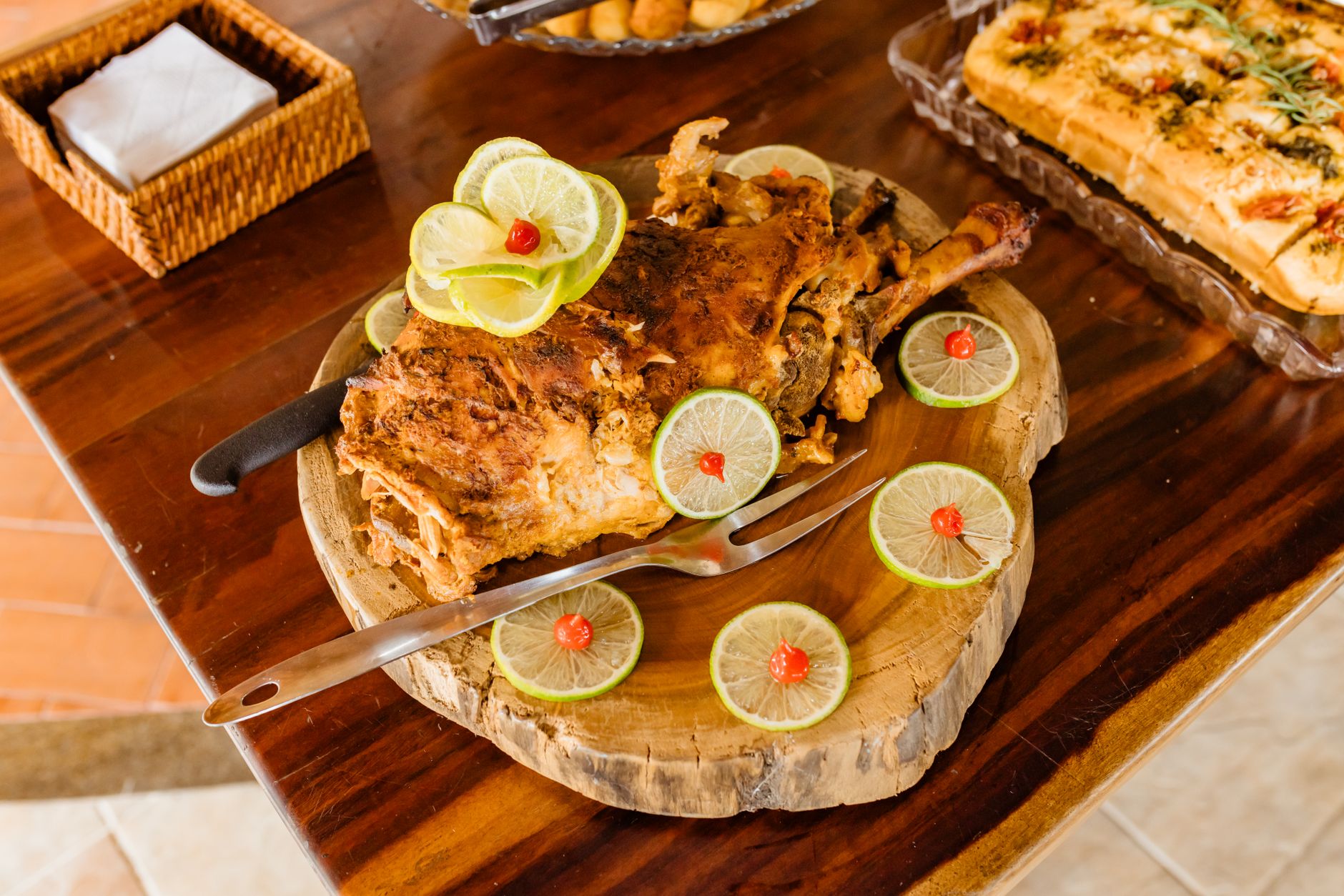
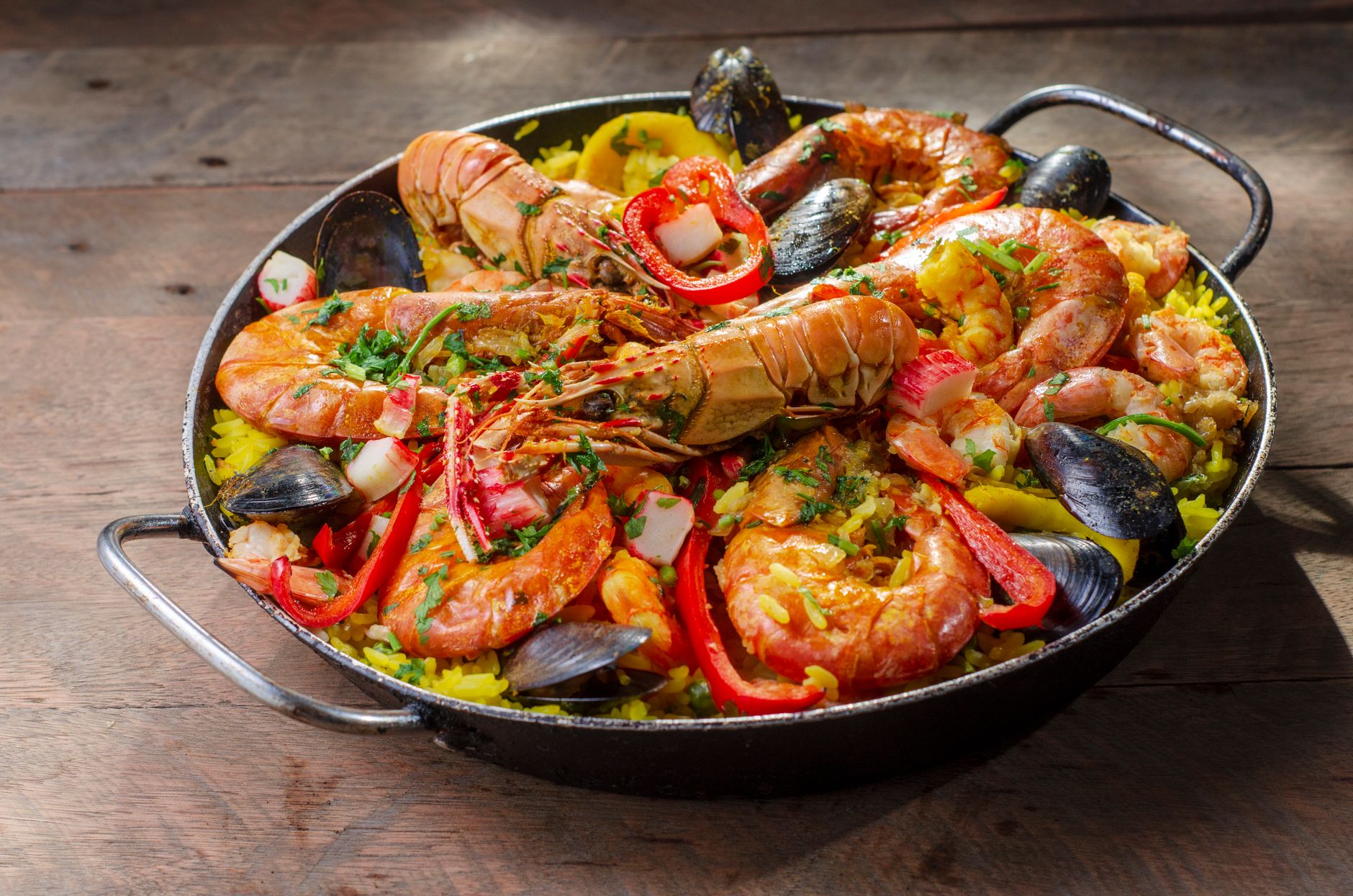
Jamón de Teruel provides the foundation for the local diet. The salt-cured ham arrives sliced thin after long curing cycles in the cold mountain air. Roast suckling lamb or ternasco serves as the standard main dish in village dining rooms. Herders once relied on gachas, a thick porridge made from flour and pork fat, to withstand the cold. Cheese made from raw sheep milk continues to come from local herds grazing on wild rosemary and thyme. Wine from the nearby Bajo Aragón region complements the heavy meals. Hard crust bread accompanies every plate of local stew or fried game.
Aragón: the whole region
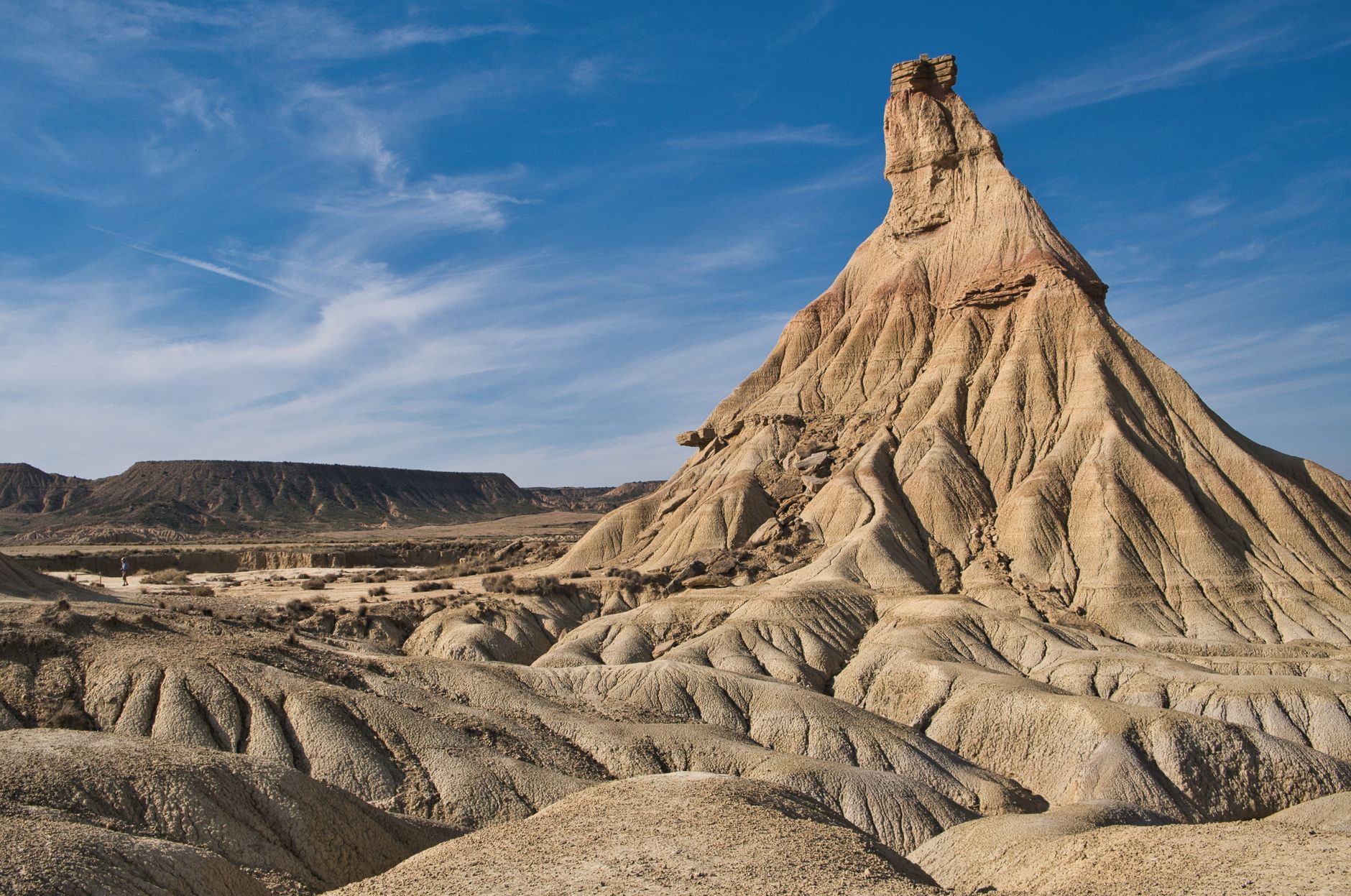
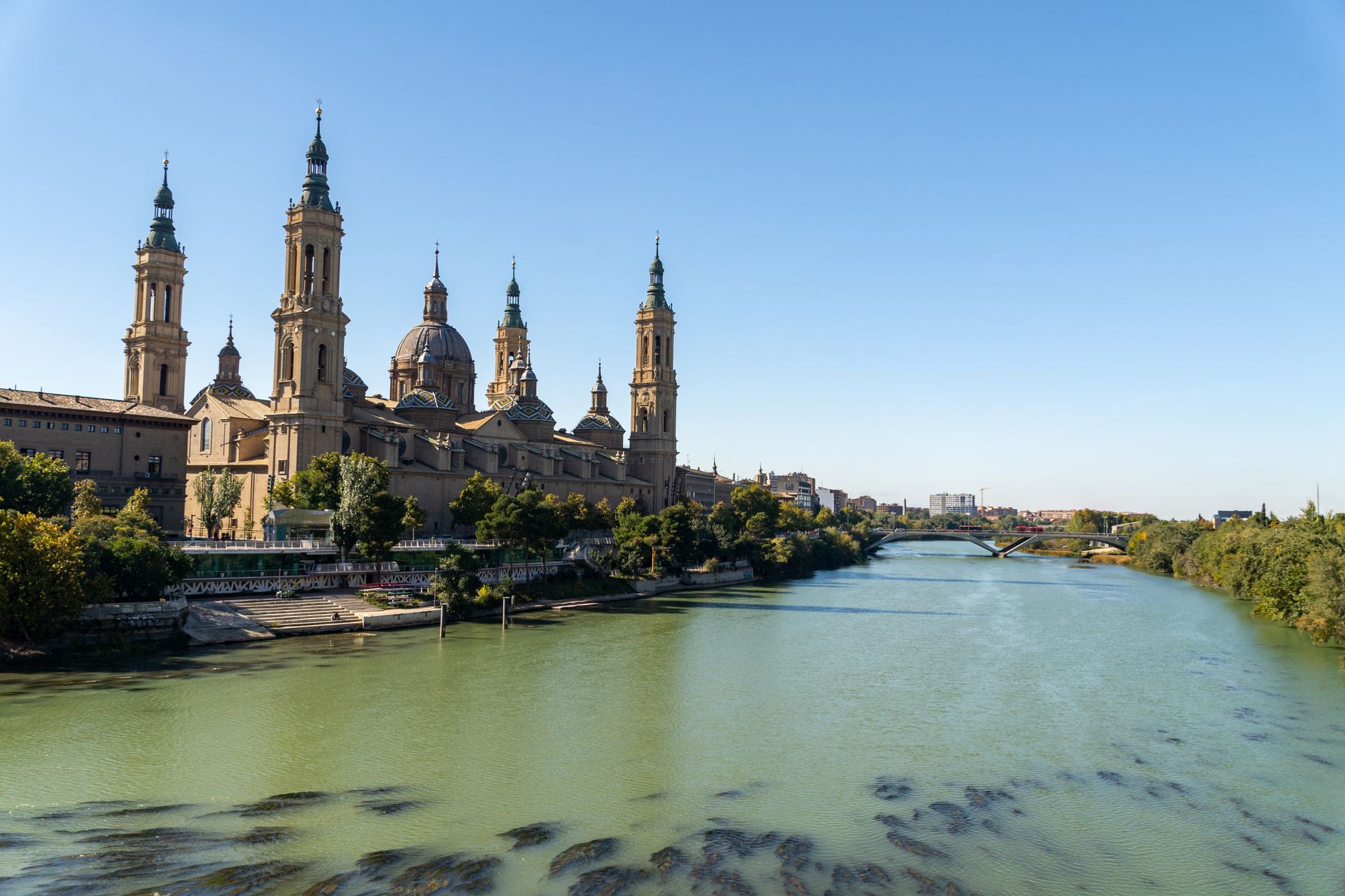
Three landscapes in one region: the Pyrenees and their canyons in the north, the dry Ebro plain with Zaragoza at its centre, and the high, empty south where Teruel's villages and the Maestrazgo stand. It is the least-visited half of…
Minimum 4 days · better 7-8 days · deep 10-12 days
In and around Maestrazgo





In Aragón

In Aragón

In Aragón






Logistics are verified only. We don't publish schedules we haven't confirmed.
Appears In
Experiences worth booking ahead
Spain Field Guide may earn a commission when you book through selected links. Recommendations are editorial and independent of commission.
Ready to build Maestrazgo into a trip?
You've found a place worth going. When you're ready to turn discovery into an itinerary, Travel Itinerary Co picks up where the Field Guide leaves off — with your saved places already in hand.
Build this into a tripContinues on Travel Itinerary Co
Spain Field Guide may earn a commission when you book through selected links. Recommendations are editorial and independent of commission.