Mirambel
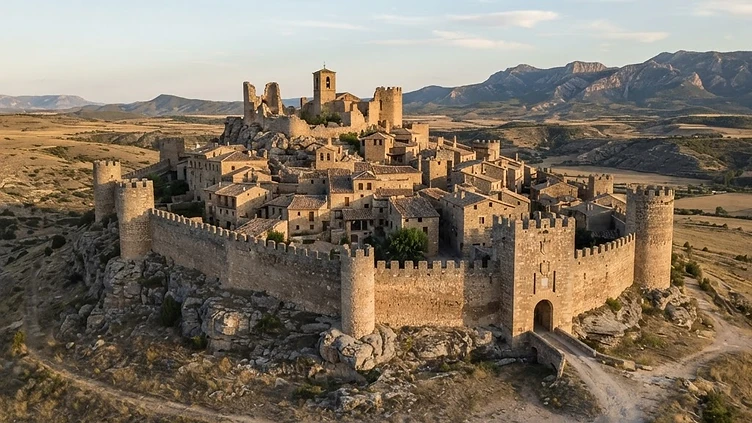
An hour, unhurried. Combine it with Cantavieja in the same day.
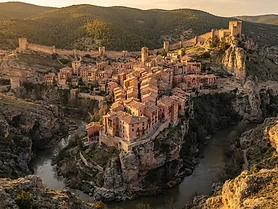
A walled medieval village in one piece, with no tourist infrastructure and no queue.
At a Glance
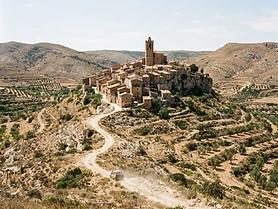
Mirambel is the most complete walled village in the Maestrazgo: the wall runs unbroken, there is a single surviving gate, and the streets inside are narrow, quiet and lined with stone houses with coats of arms over the doors. It has been recognised as a heritage ensemble and it is almost entirely unvisited — on a weekday afternoon you may be the only person inside the walls. There is nowhere to stay and one place to eat, so see it slowly and move on. Twenty minutes from Cantavieja, and worth every one of them.
How it got here
Maestrazgo history follows the long struggle between Christian and Muslim rulers for control over the rugged borderlands of eastern Aragón. The Knights Templar and the Order of Saint John of Jerusalem held administrative authority over these lands during the medieval period. These military orders established fortresses and stone defenses to protect territorial acquisitions from raids originating in the south. The stone walls circling this village reflect the necessity of defense in a frontier territory that shifted hands over generations. Centuries of isolation followed the expulsion of the Moorish population and the slow decline of the military orders, leaving the village architecture largely untouched by industrialization or large scale development.
Where it sits
The terrain rises sharply into the limestone ridges of the Maestrazgo where the landscape turns to dry scrub and pine forests. Narrow roads wind through deep valleys and follow the contours of mountains that separate this high plateau from the Ebro basin. Winter brings biting winds and frost that settles in the shade of the stone houses for weeks at a time. The heat of August lightens in the high air and the quiet settles over the empty squares. Travel here requires a vehicle as the public transport connections disappeared with the decline of local mining and agriculture.
What to eat and drink
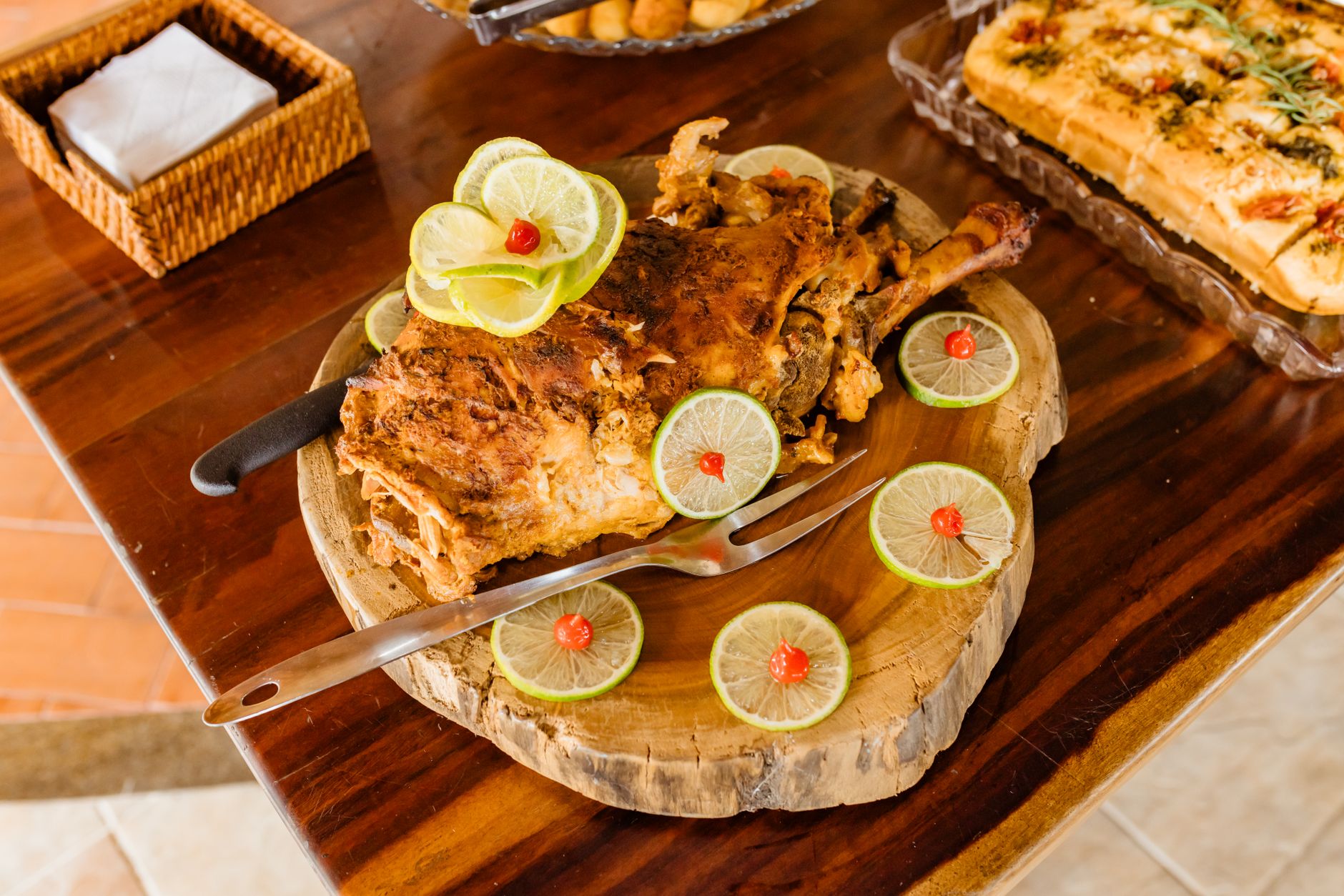
Highland Teruel produces food suited to the harsh climate and the tradition of transhumance. Jamón de Teruel, salt-cured ham from mountain-bred pigs, sits at the center of the local diet. Ternasco, young lamb roasted with potatoes in heavy ceramic trays, provides warmth during the long winters. Local cooks prepare cuajado, a savory pudding made with bread, cheese, and eggs. The wine list in the surrounding villages typically relies on bottles from the nearby Matarraña or the broader Aragón plains, usually Garnacha or Tempranillo. Simple, dense mountain breads baked in wood-fired ovens accompany every meal, serving as the base for garlic-heavy migas.
Aragón: the whole region
Three landscapes in one region: the Pyrenees and their canyons in the north, the dry Ebro plain with Zaragoza at its centre, and the high, empty south where Teruel's villages and the Maestrazgo stand. It is the least-visited half of…
Minimum 4 days · better 7-8 days · deep 10-12 days
In Aragón

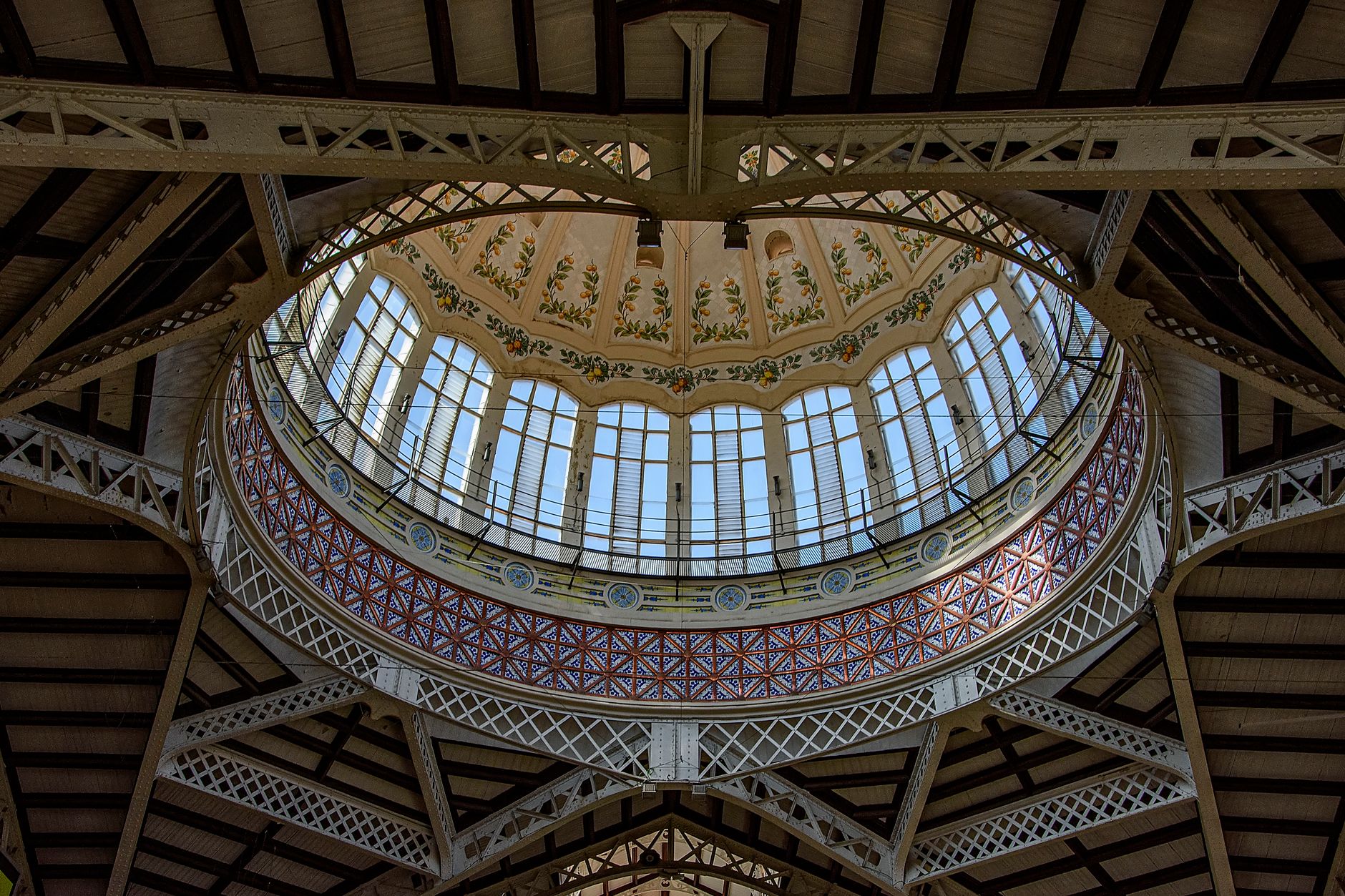
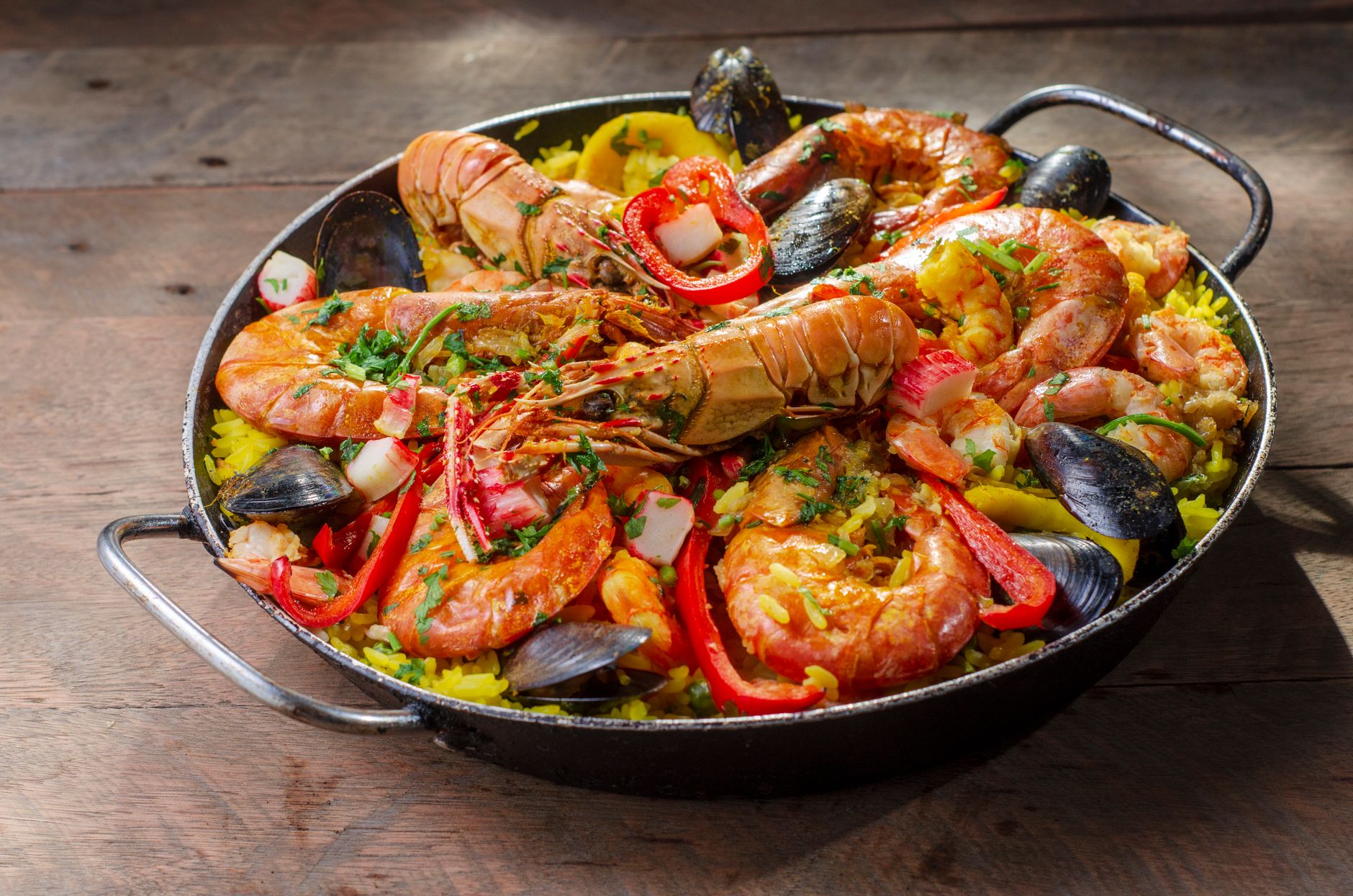
In Aragón
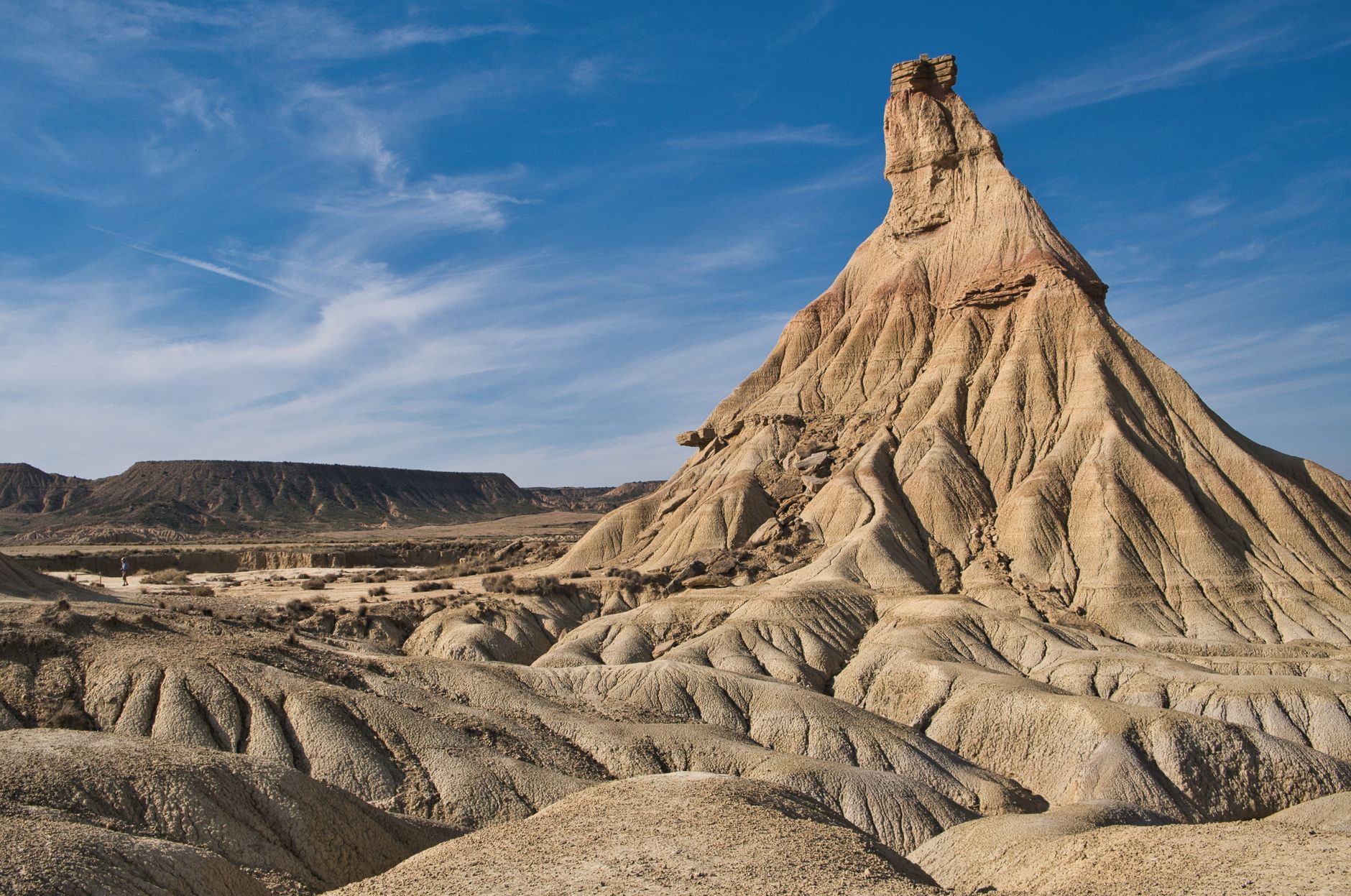

In Aragón


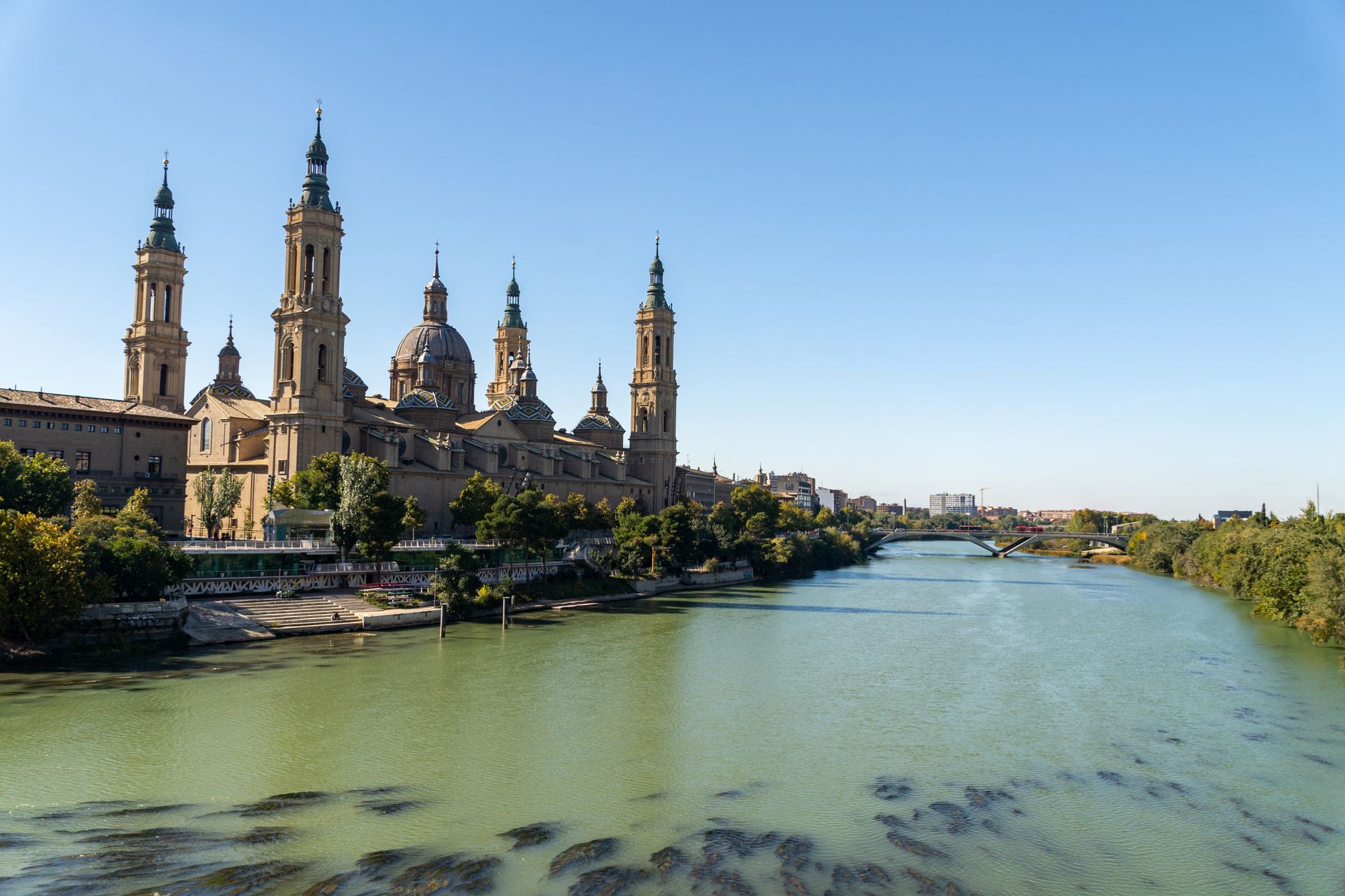


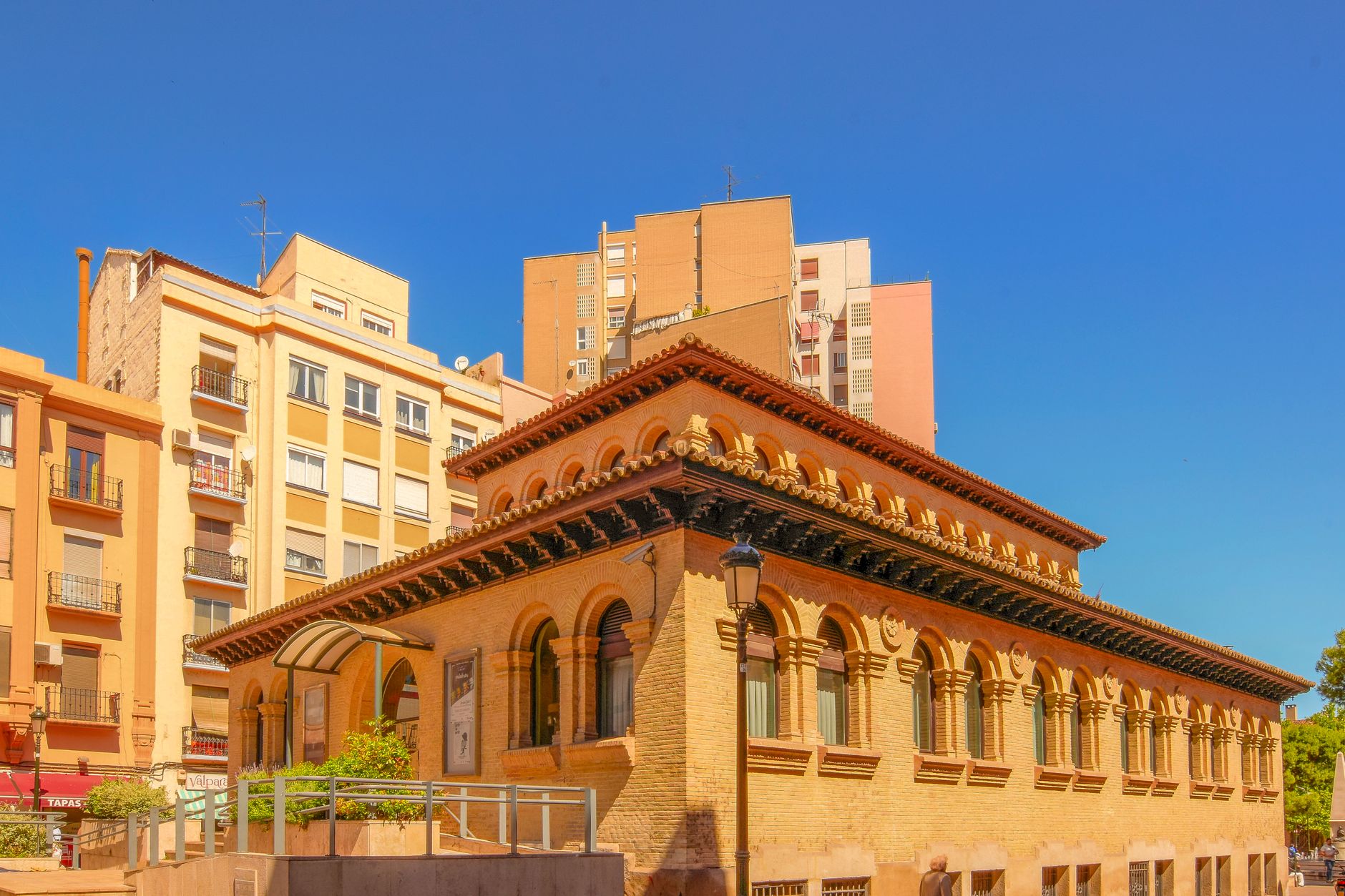


Other Worth a Detour in Aragón





Logistics are verified only. We don't publish schedules we haven't confirmed.
Experiences worth booking ahead
Spain Field Guide may earn a commission when you book through selected links. Recommendations are editorial and independent of commission.
Ready to build Mirambel into a trip?
You've found a place worth going. When you're ready to turn discovery into an itinerary, Travel Itinerary Co picks up where the Field Guide leaves off — with your saved places already in hand.
Build this into a tripContinues on Travel Itinerary Co
Spain Field Guide may earn a commission when you book through selected links. Recommendations are editorial and independent of commission.