Bronchales
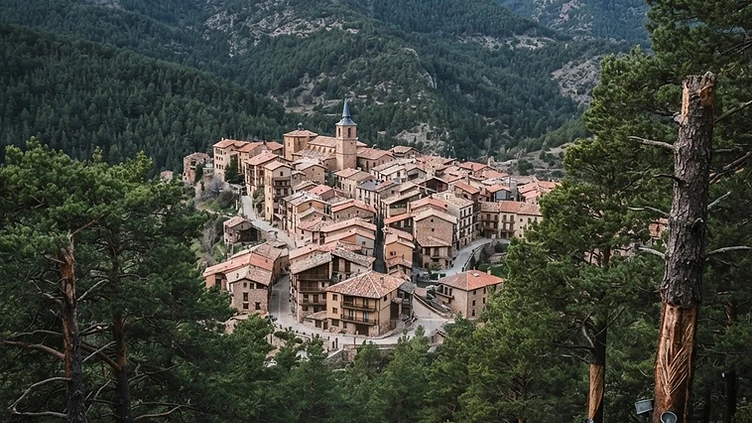
A good overnight if you want forest rather than medieval town. Very quiet outside August.
Pine forest on four sides, and a working resin village that has not been prettified.
At a Glance
Bronchales is surrounded by pine on every side, at almost 1,600 metres, and the economy has always been resin and timber — the marks on the trunks are still visible if you walk out of the village. Several houses rent rooms and there are a couple of places to eat, mostly serving the Spanish summer trade that comes up from Valencia for the cool air. In autumn the villagers go out for mushrooms, and if you are polite you can learn what is in season. Quieter than Albarracín and considerably colder.
How it got here
The Sierra de Albarracín functioned as a vital borderland throughout the Middle Ages, shifting between the control of local Muslim taifas and the expanding Christian kingdoms of the north. Bronchales sits within this rugged territory where shifting loyalties once dictated survival. The economy relied on the pine forests, where the extraction of resin provided a livelihood for generations of villagers. These woods provided timber for construction and trade long before the modern era. The physical evidence of this labor persists in the vertical scars carved into the trunks of mature pines that border the village lanes, marking a time when resin collection drove the local calendar.
Where it sits
At an elevation near 1,600 metres, this village occupies a high plateau carved from pale limestone and dense pine forest. The air stays thin and sharp during the summer months when heat rises from the Mediterranean coast to the east. Winter brings deep snows that periodically cut off access to the higher passes. The terrain is broken by deep ravines and rocky outcrops that define the Sierra de Albarracín. Life here follows the cadence of the forest, turning quiet as the thin mountain soil freezes and opening to visitors only when the summer sun warms the high slopes.
What to eat and drink
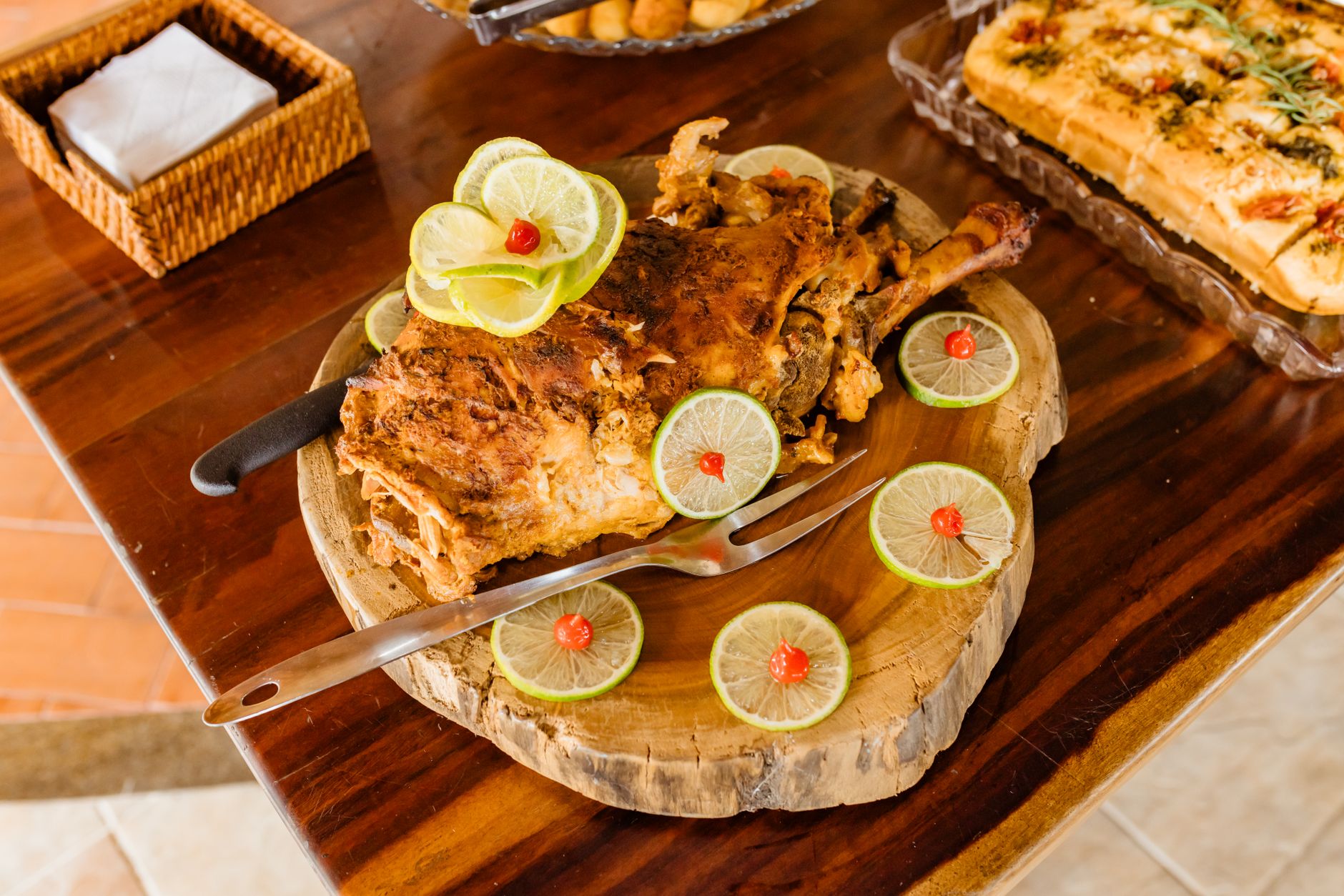
Meals here reflect the survival of a high-altitude sheep-rearing culture. Ternasco, a young milk-fed lamb roasted with thin slices of potato, provides the necessary fat and protein for the cold mountain climate. Migas a la aragonesa, a dish of stale bread sautéed with garlic, cured pork, and sweet grapes, serves as the standard sustenance for shepherds. Forest foraging provides the local diet with mushrooms, particularly in autumn. Jamón de Teruel, salt-cured in the dry mountain air, appears as a staple starter. Local wines from the surrounding provinces of Aragón pair with these heavy, salt-forward dishes.
Aragón: the whole region
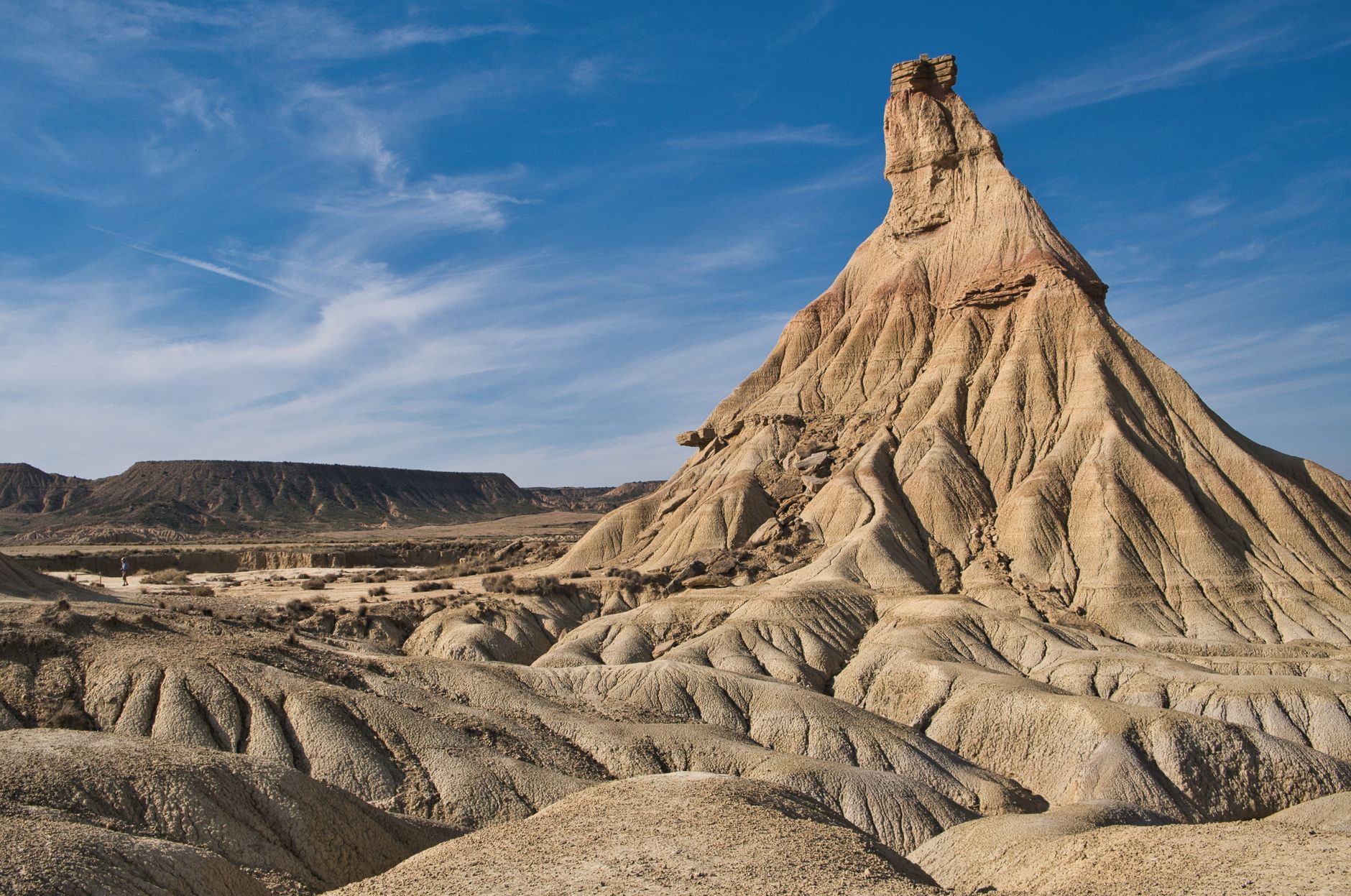
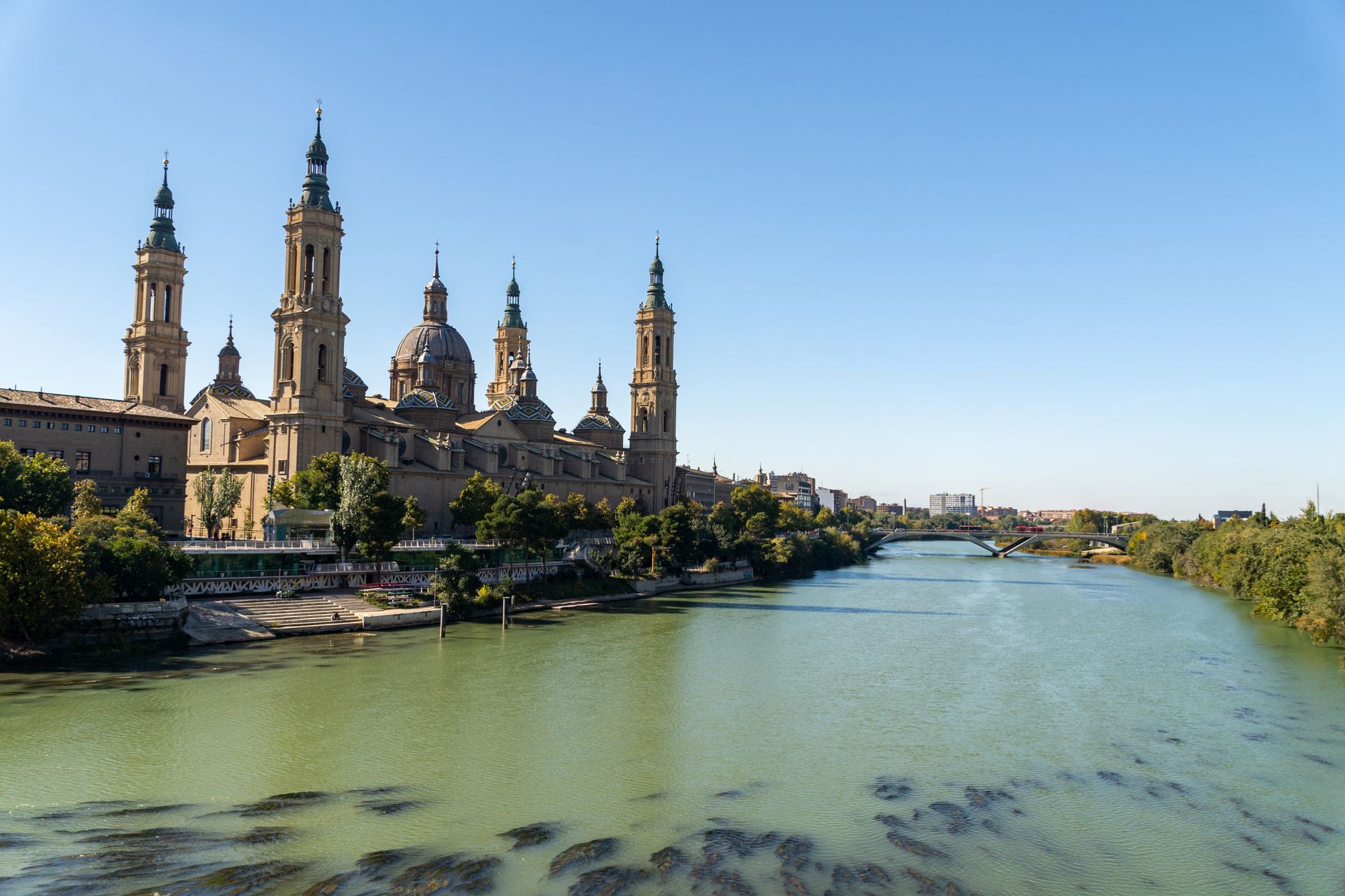
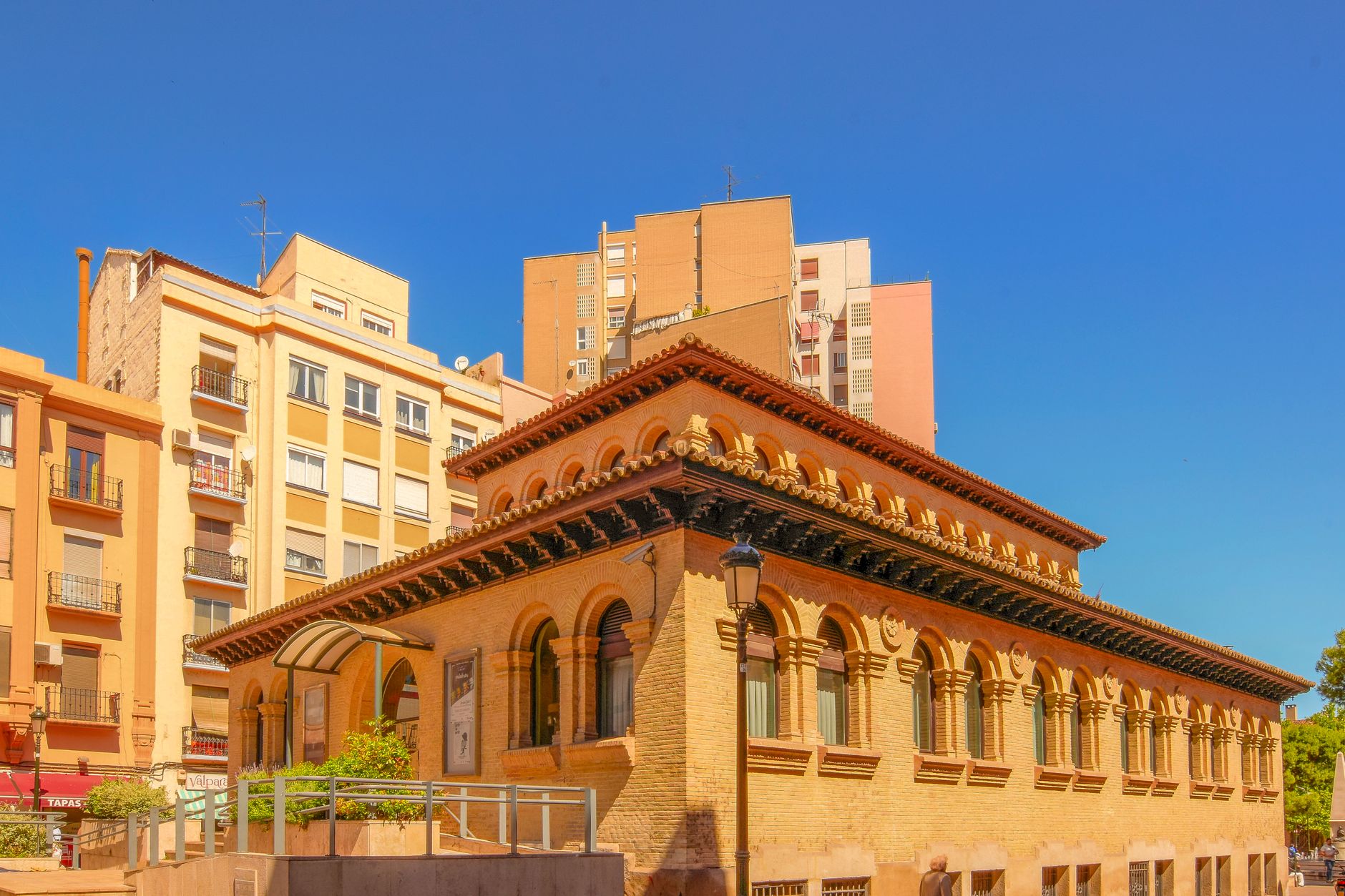
Three landscapes in one region: the Pyrenees and their canyons in the north, the dry Ebro plain with Zaragoza at its centre, and the high, empty south where Teruel's villages and the Maestrazgo stand. It is the least-visited half of…
Minimum 4 days · better 7-8 days · deep 10-12 days
In Aragón

In Aragón

In Aragón







Logistics are verified only. We don't publish schedules we haven't confirmed.
Ready to build Bronchales into a trip?
You've found a place worth going. When you're ready to turn discovery into an itinerary, Travel Itinerary Co picks up where the Field Guide leaves off — with your saved places already in hand.
Build this into a tripContinues on Travel Itinerary Co
Spain Field Guide may earn a commission when you book through selected links. Recommendations are editorial and independent of commission.