Valderrobres

The place to sleep in the Matarraña, and worth an afternoon in its own right. Climb the church tower.
The best-preserved medieval townscape in western Aragón, with the comarca's food and oil around it.
At a Glance
- — You want somewhere undiscovered — this is the one town here that gets visitors
Valderrobres is the capital of the Matarraña and the best-looking town in it: a castle and a Gothic church of the fourteenth century up on the rock, a walled old town of stone lanes below, and a bridge over the river where the road comes in. The church has a gilded fifteenth-century altarpiece and a tower you can climb for the roofscape, and the castle is a shell with a museum in it. There are three or four good places to eat, two small hotels and a shop selling the comarca's olive oil, which is what you should buy. It is the obvious base, and it deserves to be.
How it got here
The Matarraña served as a frontier zone between the Christian kingdoms of Aragón and the Taifa of Saraqusta. Valderrobres became a lordship of the Archbishop of Zaragoza in the fourteenth century, a status that financed the construction of the Gothic palace and the church of Santa María la Mayor. This ecclesiastical power defined the physical layout of the town, centering stone architecture on the steep rock above the river. The lineage of these archbishops controlled local administrative and judicial rights for centuries, leaving a legacy of stone construction that distinguishes the town from the surrounding agricultural settlements of the province.
Where it sits
The town sits at the edge of the Puertos de Beceite, a rugged limestone massif that creates a sharp transition between the Ebro valley and the coastal mountains. The Matarraña river carves a narrow path through the stone, creating a bridge access point that funnels traffic into the old town. Deciduous forests and olive groves cover the slopes, turning golden in autumn. Summer heat lingers on the limestone, but the proximity to the mountain streams keeps the nights cool. The roads twist through hilly terrain, demanding patience, and quiet prevails once the brief afternoon surge of visitors returns to the coast.
What to eat and drink
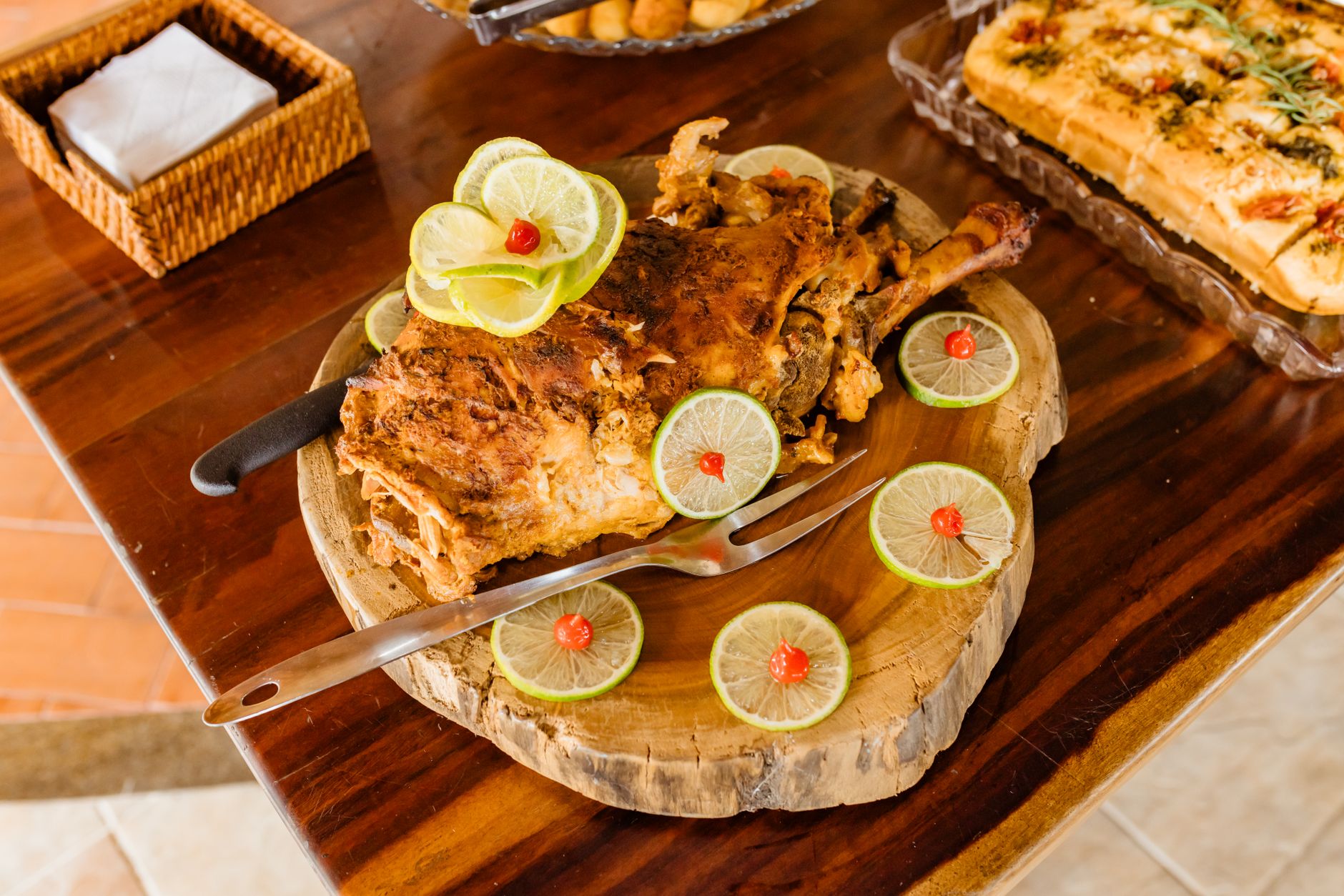
Jamón de Teruel is the primary product, cured in the dry mountain air of the province. Order ternasco, the local lamb, roasted simply with potatoes to highlight the quality of the meat. Olive oil from the Empeltre variety grows on these hills and provides a distinct, smooth finish to the vegetable dishes. For dessert, torta de alma is a pastry filled with squash jam or walnuts. Drink Garnacha wine from the nearby Bajo Aragón, a red that holds up to the salt and fat of the cured ham and the weight of the roasted lamb.
Aragón: the whole region
Three landscapes in one region: the Pyrenees and their canyons in the north, the dry Ebro plain with Zaragoza at its centre, and the high, empty south where Teruel's villages and the Maestrazgo stand. It is the least-visited half of…
Minimum 4 days · better 7-8 days · deep 10-12 days
What's Nearby


In Aragón

In Aragón

In Aragón






Logistics are verified only. We don't publish schedules we haven't confirmed.
Experiences worth booking ahead
- Via Verde Cretes - Pinell de Brai 27km (90% dec. 10% flat)4.9 (130)5 hrsFrom €30
- Paso Robles Wine Adventure within the Paso Robles Wine Region4.7 (192)From €183
- Greenway Section Cretas - Xerta 42km (90% descending 10% flat), Transfer inc.4.9 (92)6 hrsFrom €35
- Valldemosa and Valley of Soller Tour in Mallorca4.6 (215)8 hrsFrom €52
Spain Field Guide may earn a commission when you book through selected links. Recommendations are editorial and independent of commission.
Ready to build Valderrobres into a trip?
You've found a place worth going. When you're ready to turn discovery into an itinerary, Travel Itinerary Co picks up where the Field Guide leaves off — with your saved places already in hand.
Build this into a tripContinues on Travel Itinerary Co
Spain Field Guide may earn a commission when you book through selected links. Recommendations are editorial and independent of commission.