Cantabrian Anchovies

Buy a few tins directly from a cannery. They weigh little and will outclass anything you find at home.
This is a coastal industry you can taste, and a tin makes a better souvenir than anything printed.
At a Glance
- — You do not eat fish
The anchovies sold as Cantabrian are caught in the Bay of Biscay in spring, when the fish are fat, then filleted by hand and cured in salt for months before being packed in oil. The work is done in small canneries along this coast, and the difference between these and cheap anchovies is not marketing: cold water gives the fish more fat, hand-filleting leaves the flesh intact, and curing takes months rather than weeks. Buy a tin from a cannery shop rather than a delicatessen, look for the catch area and the packing date, and eat them on bread with nothing else.
How it got here
Canning emerged as a vital industry along the Cantabrian coast during the nineteenth century when Italian merchants arrived seeking the oily fish of the Bay of Biscay. These settlers brought methods for salting and packing that transformed the local fishery from a subsistence activity into an export economy. The industry demanded precise manual labor for filleting and cleaning, a skill passed down through generations of women in coastal towns like Santoña and Laredo. This heritage defines the current production, where the transition from seasonal catch to tinned product relies on the specific salt curing techniques established during that period of industrial expansion.
Where it sits
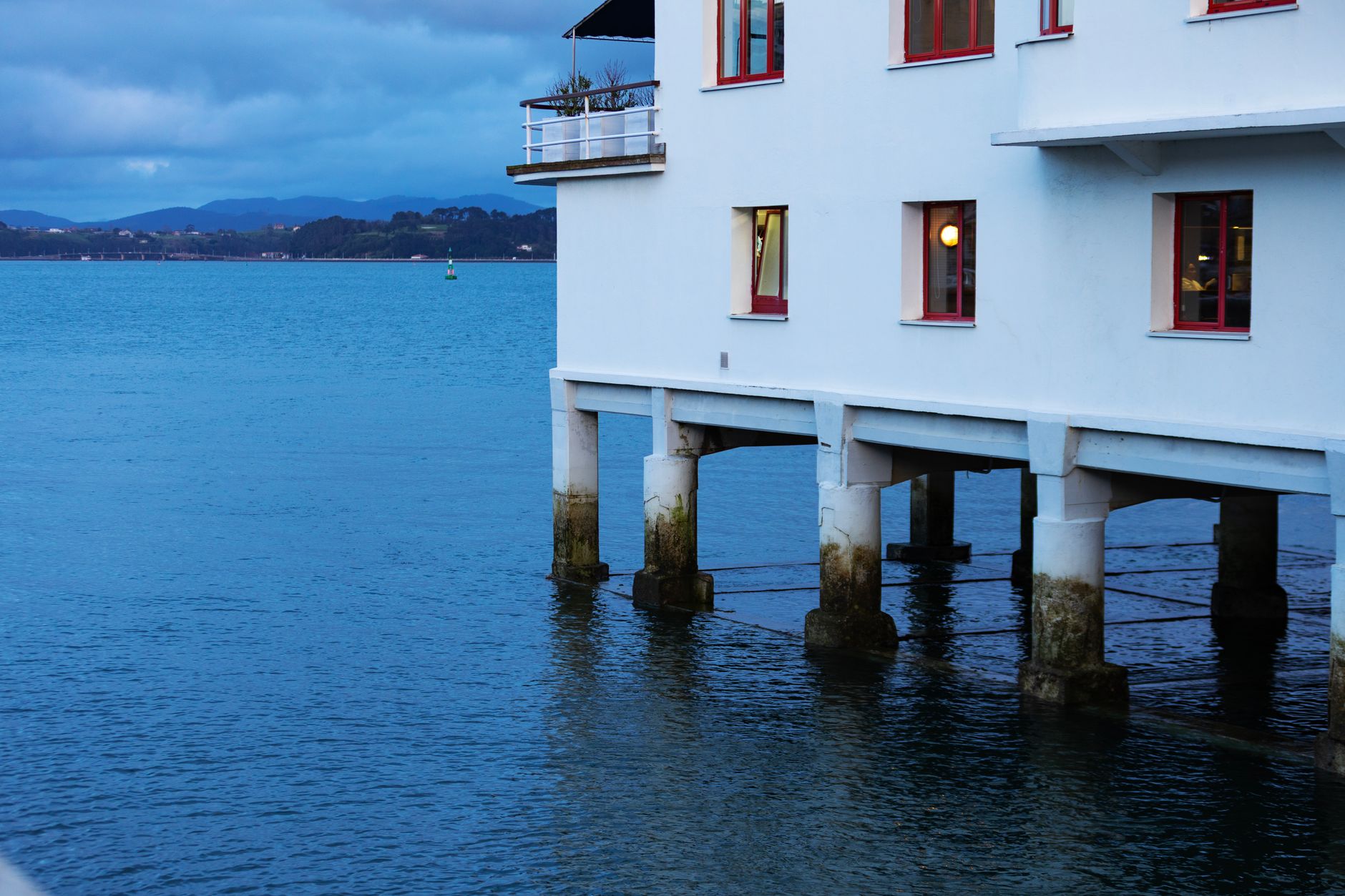
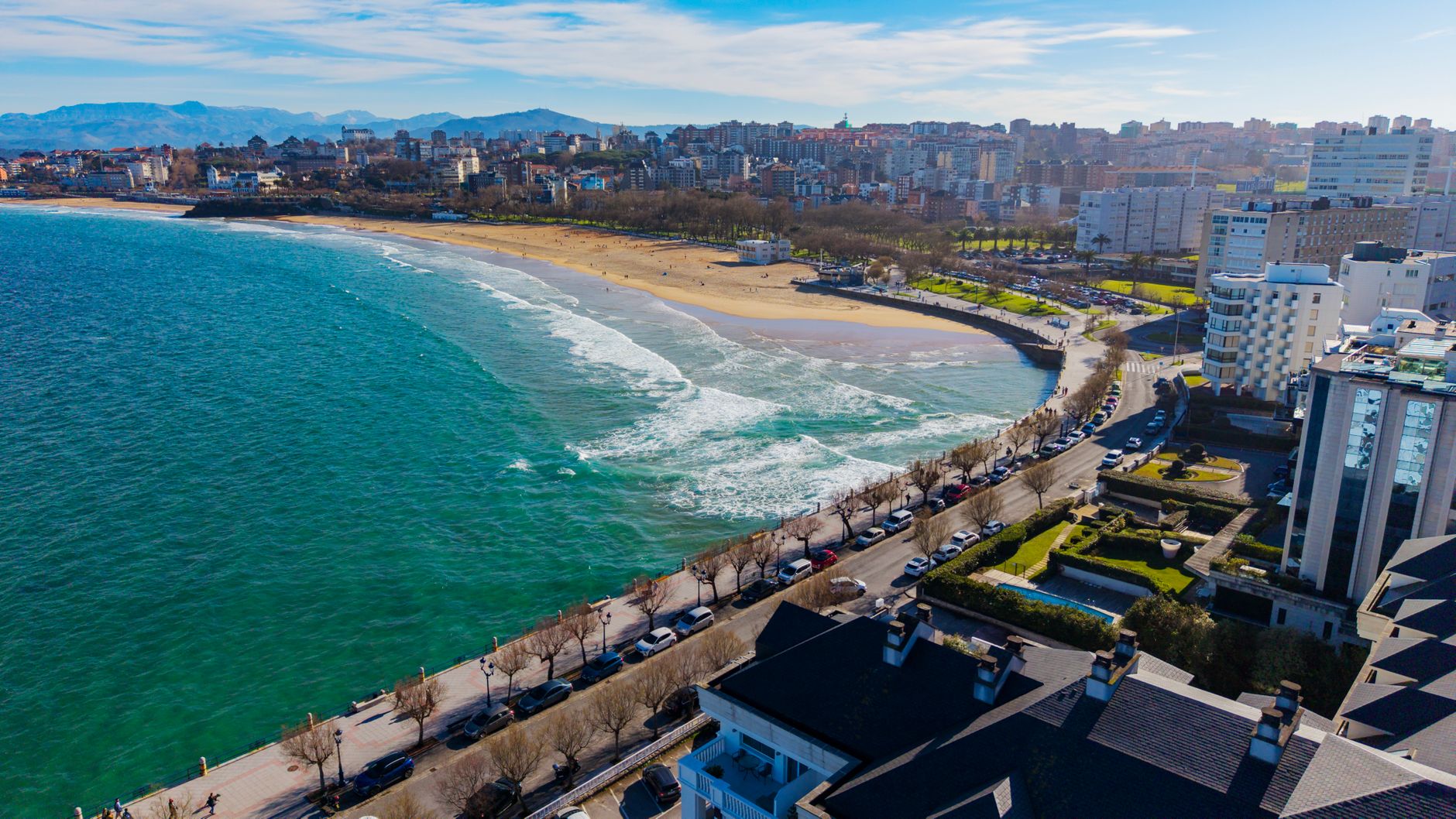
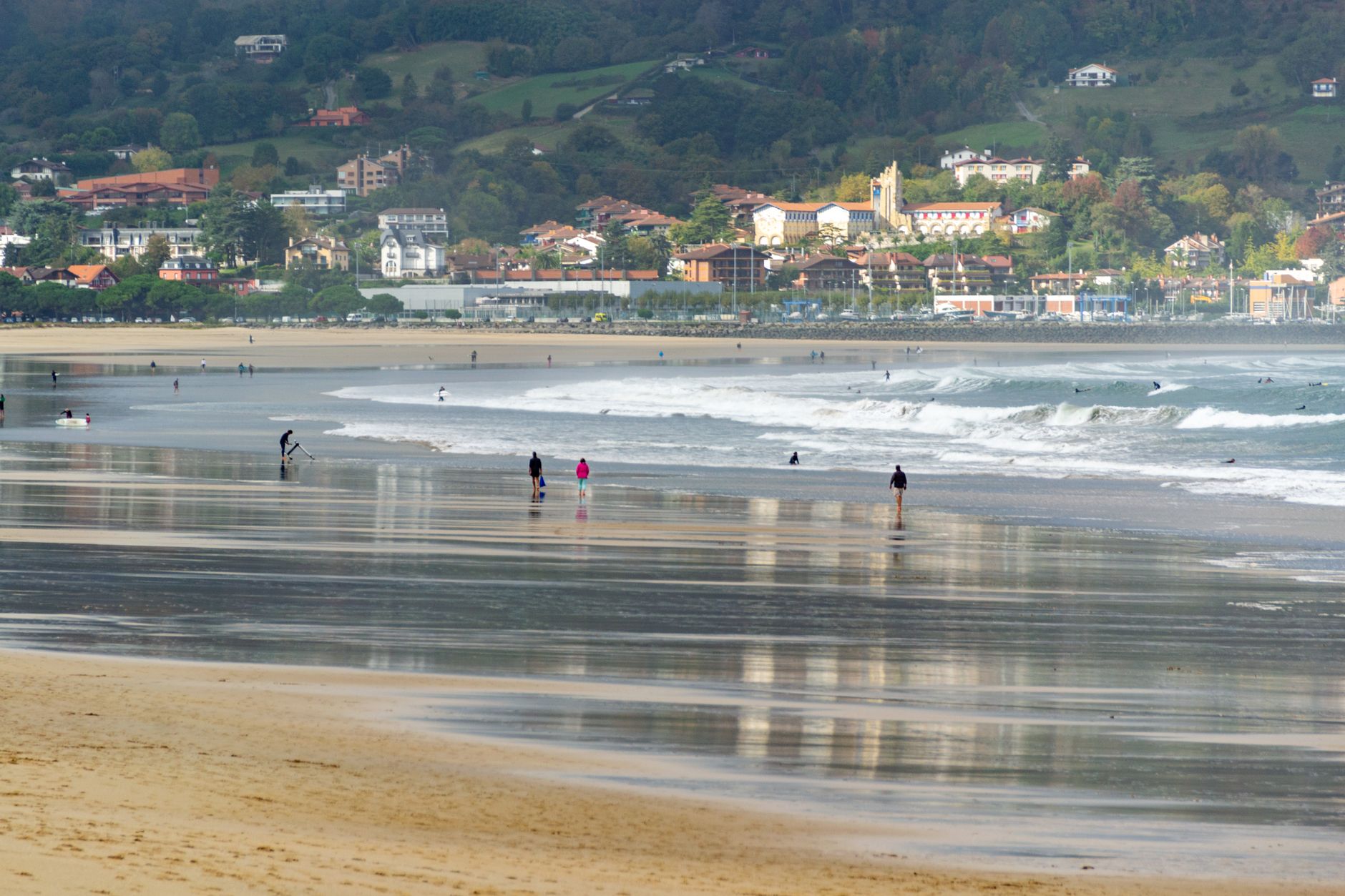
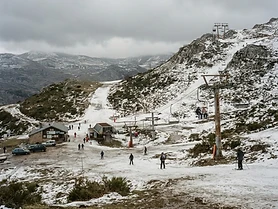
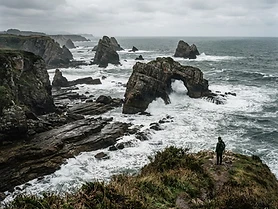
The coastline sits between the sharp limestone peaks of the Picos de Europa and the cold waters of the Cantabrian Sea. Steep slopes drop directly into the tide, limiting the space for ports and creating dense fishing communities where the houses lean into the narrow streets above the docks. Winter brings heavy Atlantic rain and grey skies that empty the small beaches, while summer months draw locals to the shoreline. Access follows the narrow coastal roads that trace the cliffside, connecting isolated fishing villages where the temperature rarely climbs into the heat found further south on the meseta.
What to eat and drink
Cantabrian anchovies require patience, served at room temperature with the oil they were packed in to ensure the salt and fat remain balanced. Along the coast, the anchovies appear as a simple tapa, often draped over a slice of high quality bread or paired with a roasted piquillo pepper. Meals frequently include marmita de bonito, a hearty stew of long-finned tuna, potatoes, and peppers prepared by fishermen at sea. For drink, the sharp acidity of a glass of txakoli, the effervescent white wine from the nearby Basque coast, cuts through the salt of the preserved fish.
Cantabria: the whole region
A small region with an unusual amount of everything: a coast of rough Atlantic beaches, the eastern half of the Picos de Europa, the Pas and Liébana valleys, and two of the most important prehistoric and religious sites in Spain in…
Minimum 3 days · better 5-6 days · deep 9 days

In Cantabria



In Cantabria












Logistics are verified only. We don't publish schedules we haven't confirmed.
Appears In
Cooking classes and food tours worth booking ahead
Spain Field Guide may earn a commission when you book through selected links. Recommendations are editorial and independent of commission.
Ready to build Cantabrian Anchovies into a trip?
You've found a place worth going. When you're ready to turn discovery into an itinerary, Travel Itinerary Co picks up where the Field Guide leaves off — with your saved places already in hand.
Build this into a tripContinues on Travel Itinerary Co
Spain Field Guide may earn a commission when you book through selected links. Recommendations are editorial and independent of commission.