Palacio de la Magdalena

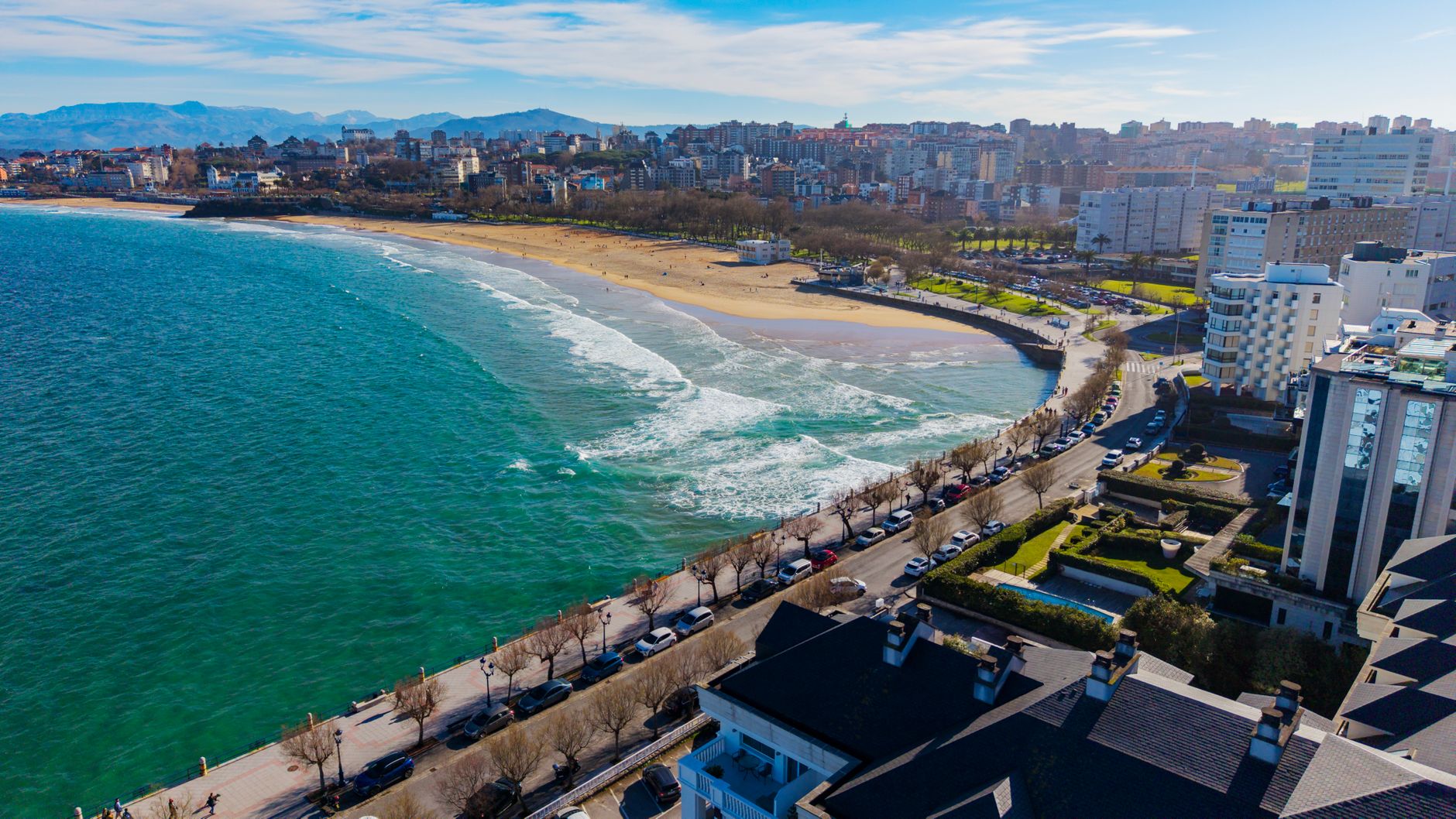
Go for the setting more than the palace itself — a British-style manor on a peninsula with sea on three sides.
The grounds, cliffs, and beaches around the palace are among the best coastal walks in northern Spain, even if the interior is plainer than its setting suggests.
At a Glance
- — seeking medieval or Gothic architecture
- — indoor-only itinerary
- — rushed schedule
Perched on a green peninsula with the Atlantic on three sides, this early 20th-century manor reads more like a British estate than a Spanish royal retreat. The interior rooms are plain and functional, but the surrounding cliffs, beaches, and manicured gardens carry the visit. Go for the salt air and the wide views over Santander's bay rather than the royal history inside.
How it got here
King Alfonso XIII and Queen Victoria Eugenie received the keys to this estate from the city of Santander in 1912. The construction of the palace provided a formal summer residence for the Spanish monarchy, who arrived by train each season to escape the heat of the center. Architects Gonzalo Bringas Vega and Javier González Riancho integrated French, English, and mountain styles during a period when the Cantabrian coast became the preferred destination for the elite. The monarchy stopped using the grounds after the transition to the Second Republic in 1931, eventually leading to the site becoming a university campus and a public park.
Where it sits
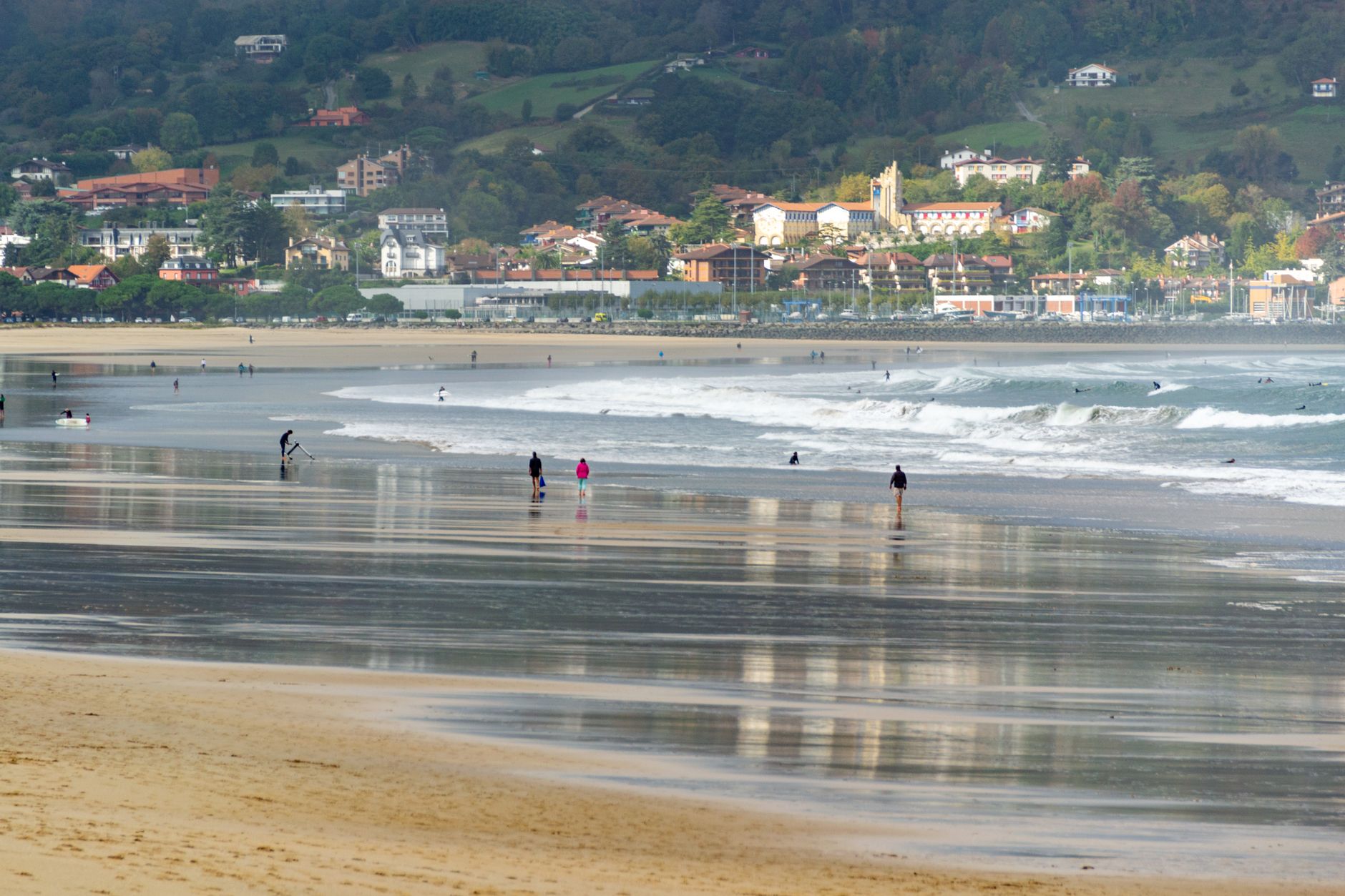
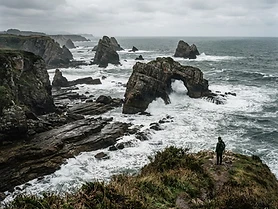
The Magdalena peninsula extends into the Cantabrian Sea, separating the bay of Santander from the open coastline. Winds batter these limestone cliffs through the winter, while summer brings a humid warmth that keeps the surrounding lawns emerald despite the salt spray. Pine trees dominate the slope, obscuring the architecture until the final turn of the park road. The landscape relies on the tides of the Atlantic, which turn the harbor into a vast muddy expanse at low water. Public access follows the winding paths that skirt the edges of the gardens and beaches throughout the year.
What to eat and drink
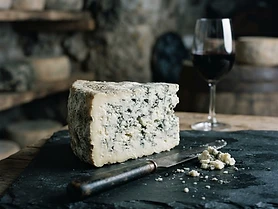
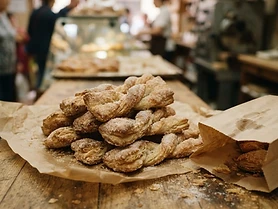
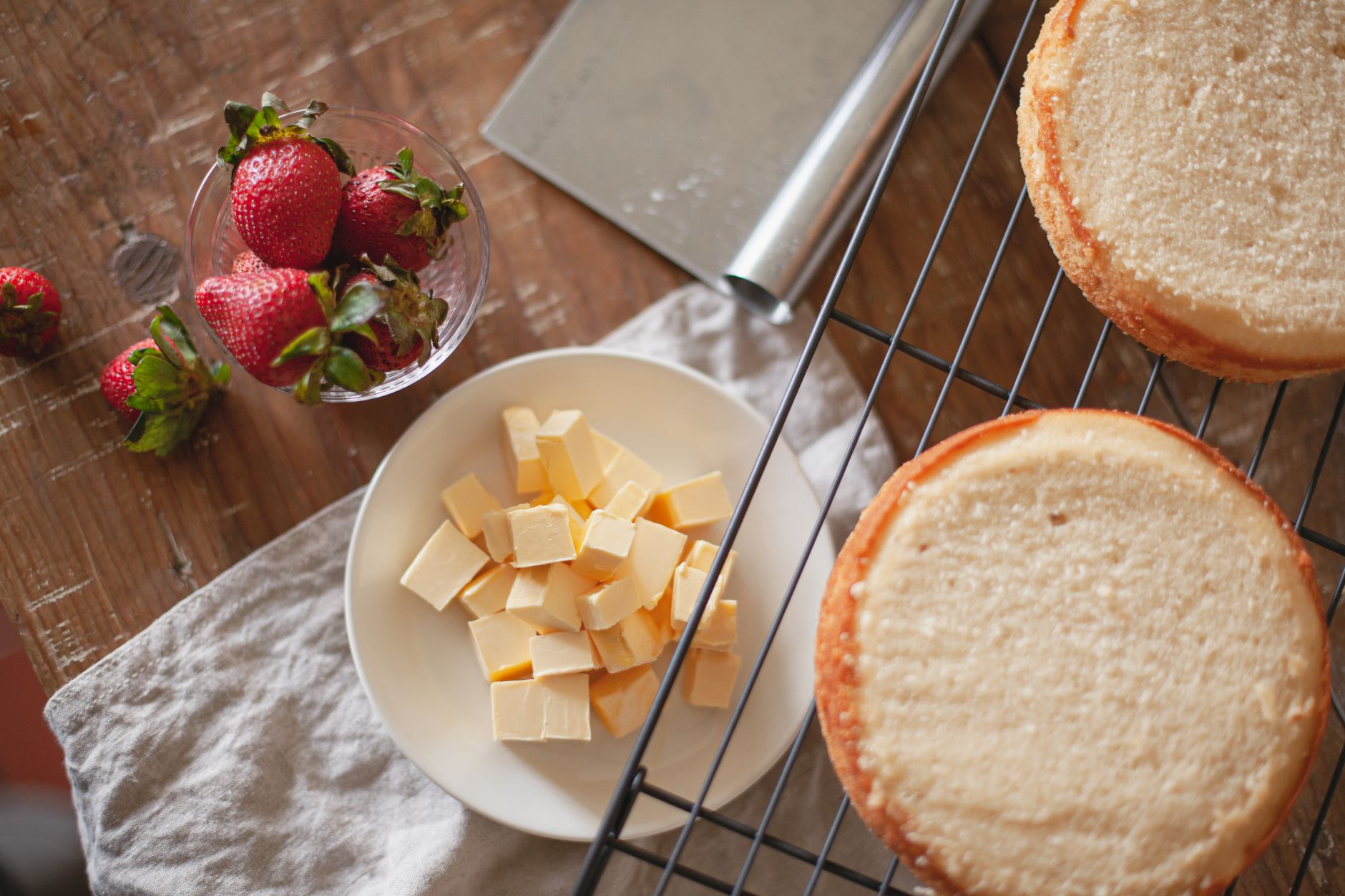
Cantabrian cuisine relies on the Cantabrian Sea and the high pastures of the interior. Rabas, strips of deep-fried squid dusted in flour, appear on every table in the nearby fishing port neighborhoods. Anchovies from Santoña cured in olive oil carry a sharp salinity that defines the local palate. Inland, the heavy stews of the mountainside prevail, such as cocido montañés, a thick mixture of white beans, cabbage, chorizo, and pork ribs. Finish a meal with sobaos pasiegos, a dense, buttery sponge cake made from high-fat milk, often paired with a glass of orujo, a potent pomace brandy distilled from grape skins.
Cantabria: the whole region
A small region with an unusual amount of everything: a coast of rough Atlantic beaches, the eastern half of the Picos de Europa, the Pas and Liébana valleys, and two of the most important prehistoric and religious sites in Spain in…
Minimum 3 days · better 5-6 days · deep 9 days

In Cantabria



In Cantabria










Linked from elsewhere
Entries that name this place in their own nearby lists.
Logistics are verified only. We don't publish schedules we haven't confirmed.
Experiences worth booking ahead
- Picos de Europa and Potes Guided Tour from Santander-small groups4.7 (125)9 hrsFrom €90
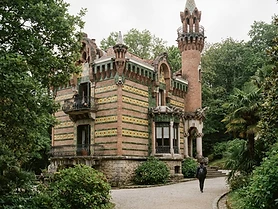
- Comillas, Modernism & Gaudi with entrance tickets -small groups4.7 (52)5 hrsFrom €65
- Peninsula and Magdalena Palace in Santander4.8 (10)2 hrsFrom €18
- Santillana, Altamira, Comillas & San Vicente de la B. Guided Tour4.6 (14)9 hrsFrom €87
Spain Field Guide may earn a commission when you book through selected links. Recommendations are editorial and independent of commission.
Ready to build Palacio de la Magdalena into a trip?
You've found a place worth going. When you're ready to turn discovery into an itinerary, Travel Itinerary Co picks up where the Field Guide leaves off — with your saved places already in hand.
Build this into a tripContinues on Travel Itinerary Co
Spain Field Guide may earn a commission when you book through selected links. Recommendations are editorial and independent of commission.