Cocido Montañés

A Cantabrian winter plate. Eat it in a Santander or Picos-side venta on a rainy day, with bread.
Cantabria's mountain stew: white beans (alubias), cabbage, pork, chorizo, morcilla and bacon simmered into a thick one-pot. The Cantabrian answer to cocido madrileño, denser and greener, built for cold, wet hills.
At a Glance
- — You avoid pork and bean stews
Cantabria's mountain stew is a dense, one-pot cure for cold, rainy days in the Picos de Europa. Unlike the cleaner soups of the south, this is a heavy combination of white beans, cabbage, and an aggressive array of pork products, including chorizo, morcilla, and bacon. It should be served piping hot in a deep clay bowl, the texture thick enough to stand a spoon upright. Seek it out at a roadside venta on a wet afternoon, where it is often the only thing worth ordering.
How it got here
Cantabrian mountain life developed through centuries of relative isolation in deep limestone valleys where livestock farming shaped the economy. The inhabitants relied on stews that utilized every part of the pig slaughtered at home to survive long winters. This preservation of ingredients in the pot follows a tradition of subsistence cooking that prioritizes caloric density over refinement. Because the terrain kept communities separated by high ridges and heavy rainfall, these culinary habits resisted external influence. The resulting dish acts as a record of a rural society that managed resources with strict frugality, ensuring the survival of specific preparation methods from one generation to the next.
Where it sits
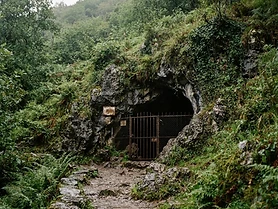
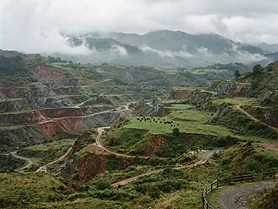
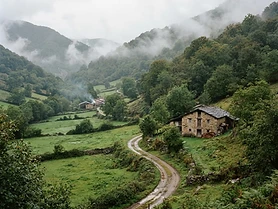
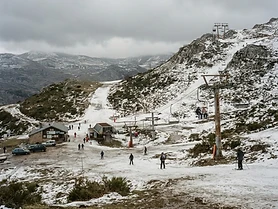
Deep valleys carved into the Picos de Europa define the landscape where humidity stays high and green pastures dominate the slopes. Thick fog frequently clings to the meadows and forest floors while summer heat rarely breaks the cool mountain air. Roads wind through narrow mountain passes that remain prone to snow accumulation until late spring. Villages consist of heavy stone houses with wooden balconies clustered near flowing streams. This setting requires hearty, warmth-inducing meals as the humidity penetrates stone walls even during the transition between seasons when the dampness persists for weeks at a time.
What to eat and drink
Cocido montañés requires the specific compango of chorizo, morcilla, and tocino boiled with alubias blancas and berza cabbage until the mixture thickens. It follows a tradition of long, slow cooking that breaks down the fibers of the pork and binds the vegetables into a dense base. Fresh trout from mountain streams and beef from mountain herds also define local plates. A glass of cider from local orchards provides the necessary acid to cut the intensity of the fat. Artisanal cheeses made from cow milk serve as the standard final course in these highland kitchens.
Cantabria: the whole region
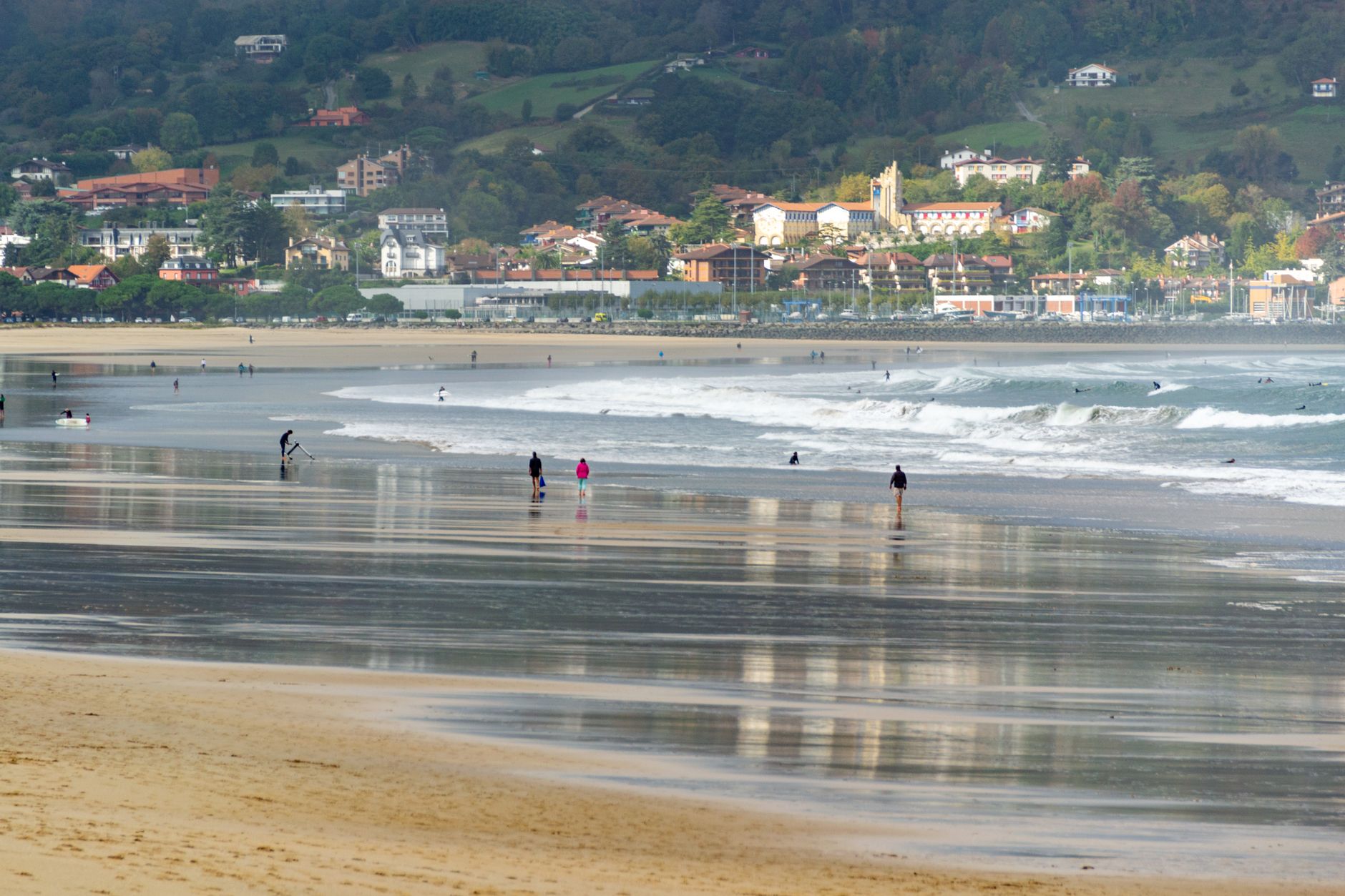
A small region with an unusual amount of everything: a coast of rough Atlantic beaches, the eastern half of the Picos de Europa, the Pas and Liébana valleys, and two of the most important prehistoric and religious sites in Spain in…
Minimum 3 days · better 5-6 days · deep 9 days
What's Nearby
In Cantabria



In Cantabria













Logistics are verified only. We don't publish schedules we haven't confirmed.
Ready to build Cocido Montañés into a trip?
You've found a place worth going. When you're ready to turn discovery into an itinerary, Travel Itinerary Co picks up where the Field Guide leaves off — with your saved places already in hand.
Build this into a tripContinues on Travel Itinerary Co
Spain Field Guide may earn a commission when you book through selected links. Recommendations are editorial and independent of commission.