Santillana del Mar
A worthwhile stop near Santander, but very touristy by day. Go early or overnight.
A perfectly preserved medieval town of honey-colored stone — and near the Altamira cave replica. A Cantabrian classic.
At a Glance
- — You can't share it with day-trippers
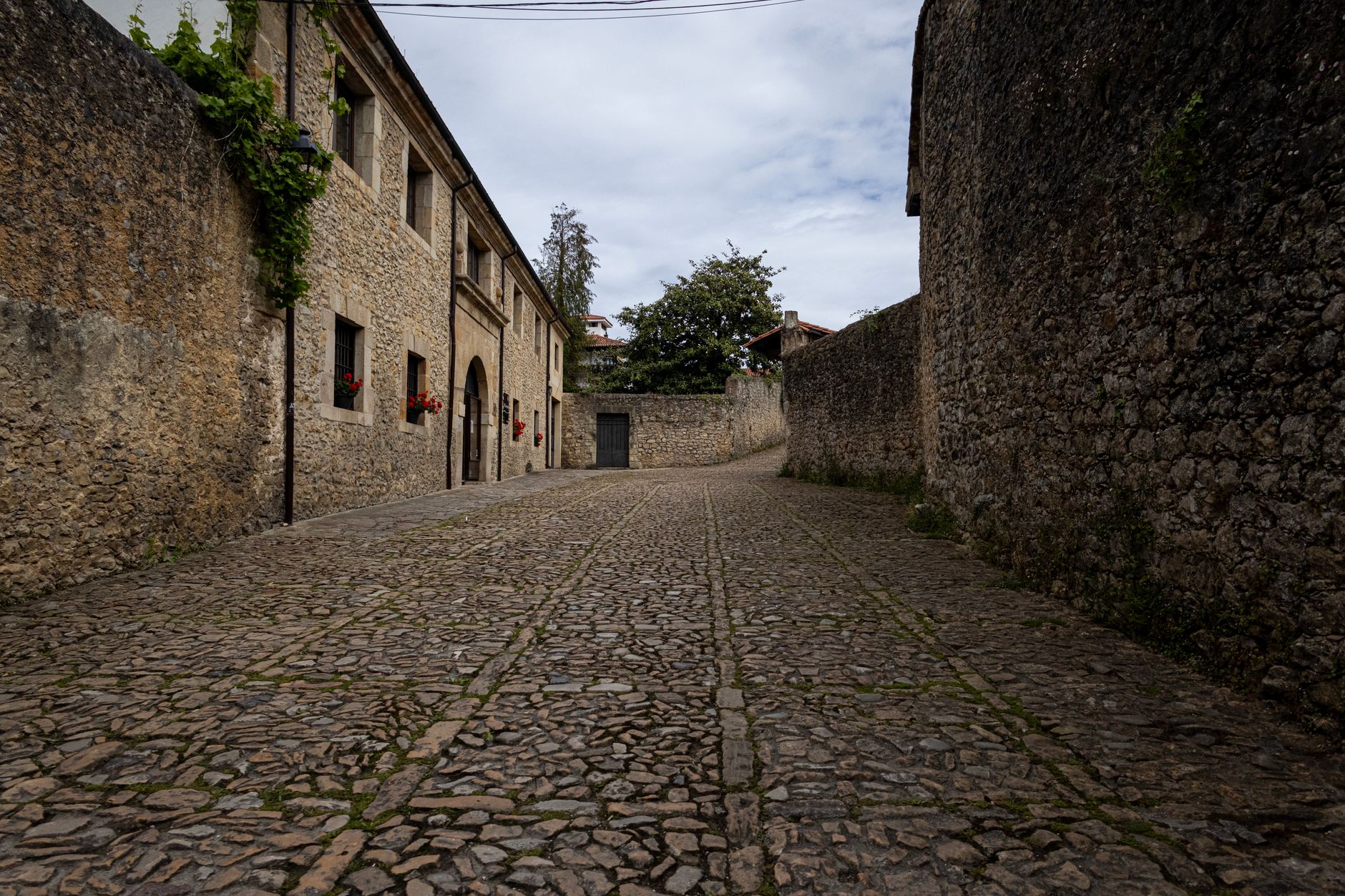
Built entirely from honey-colored stone and timber, this village seems frozen in a permanent medieval state. The narrow lanes are lined with noble houses and carved coats of arms, feeling more like an open-air museum than a living town once the morning crowds arrive. It serves as a quiet, cooling gateway to the region’s ancient cave art, demanding that you arrive at dawn to see the streets before they are filled with cameras.
How it got here
Development began in the eighth century around a monastery housing relics of Santa Juliana. By the eleventh century, the growth of this monastic settlement drew settlers who constructed the stone residences seen today. The town gained prominence through its position along the coast road of the Camino de Santiago. Wealthy families built stone towers and heraldic houses between the fourteenth and eighteenth centuries. These families managed the surrounding lands, grazing livestock and harvesting crops on the fertile slopes leading to the Cantabrian Sea. This period of accumulation built the town as it stands, with heavy masonry and narrow streets reflecting the defensive needs of the landed gentry.
Where it sits
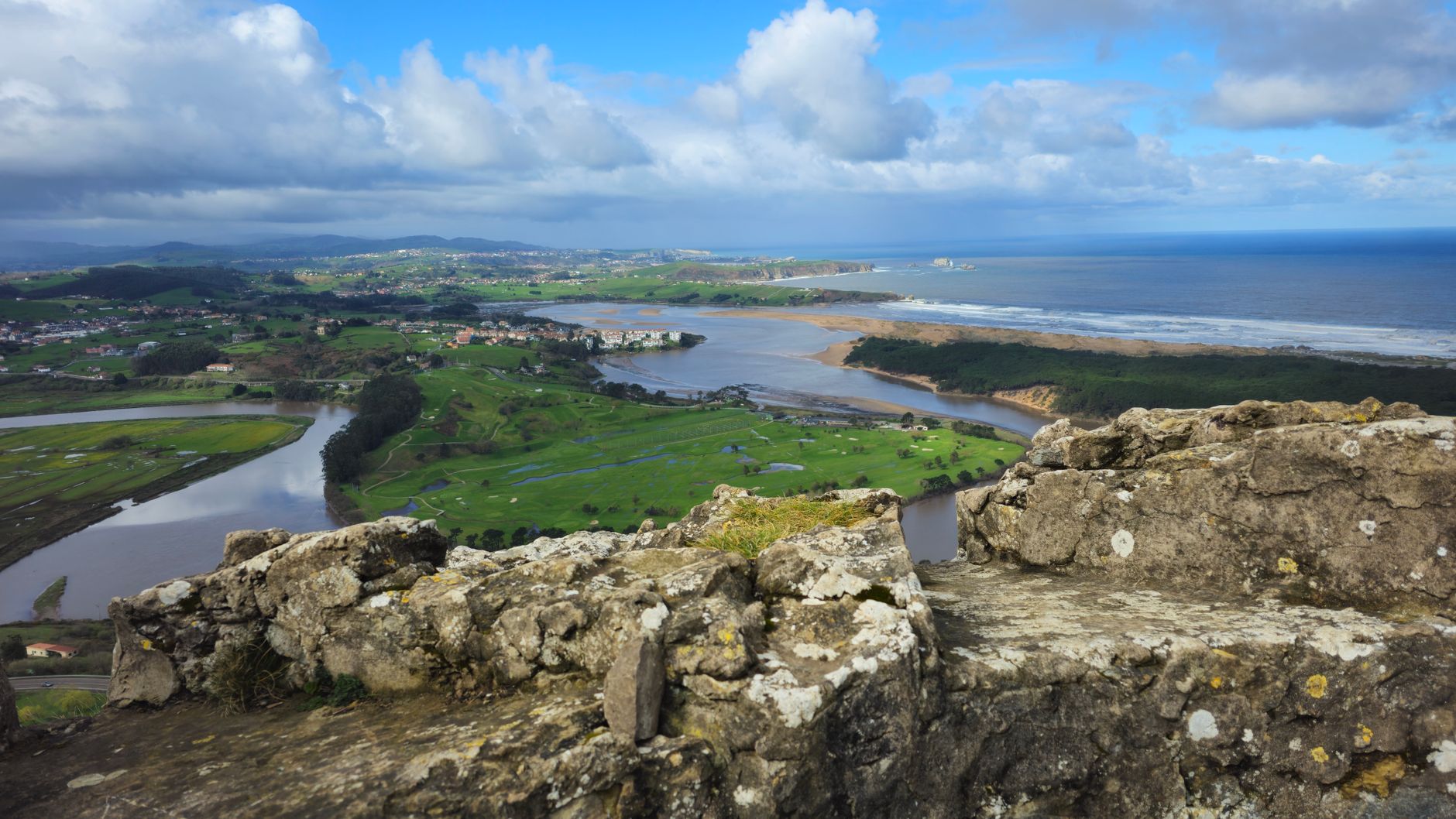
Green hills rise sharply from the Cantabrian Sea to form the coastal landscape. Pastures dominate the terrain, divided by low stone walls and hedges of hawthorn. The climate stays damp and mild, keeping the vegetation thick and the valleys dark. Summers bring heavy fog off the water, while winters see persistent rain that turns the soil to mud. Day trippers arrive from Santander by bus or car to walk the paved lanes. The density of medieval stone architecture creates a wind tunnel effect, funneling the sea breeze through the squares before the evening quiet returns.
What to eat and drink
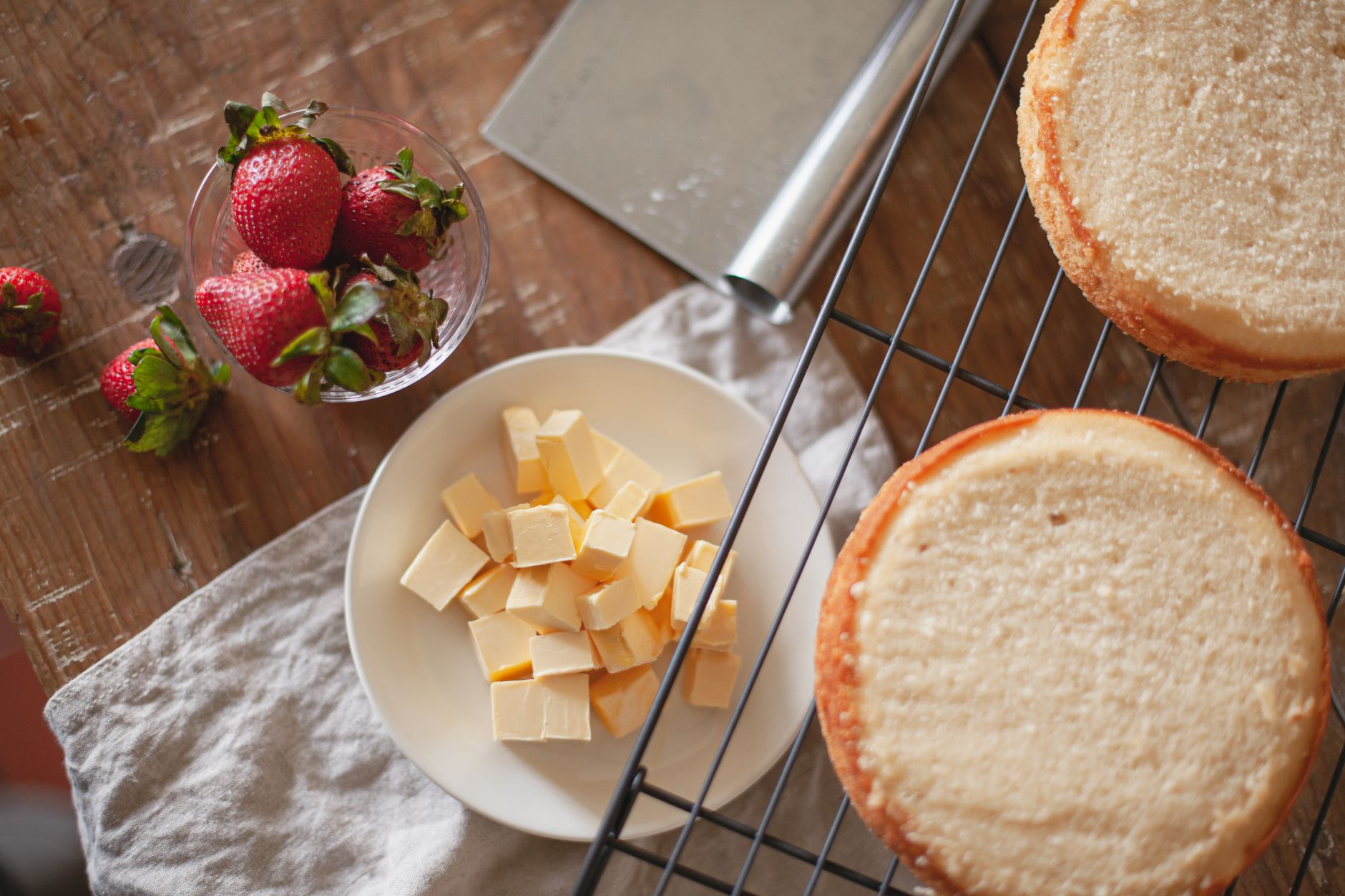
The proximity to the sea and the mountain pastures dictates the diet. Cocido montañés stands as the essential dish, a thick stew of white beans, cabbage, morcilla, and chorizo. The kitchen relies heavily on local dairy, particularly the dense, creamy cow cheeses from the high pastures. Sobao pasiego, a rich butter cake, provides the typical finish to a meal. For a drink, local sidra, a tart apple cider produced in the orchards of northern Spain, accompanies most meals. The salt of the coastal air pairs with these heavy, warming staples, countering the damp chill of the northern weather.
Cantabria: the whole region
A small region with an unusual amount of everything: a coast of rough Atlantic beaches, the eastern half of the Picos de Europa, the Pas and Liébana valleys, and two of the most important prehistoric and religious sites in Spain in…
Minimum 3 days · better 5-6 days · deep 9 days
In and around Santillana del Mar


In Cantabria



In Cantabria





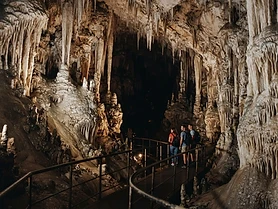

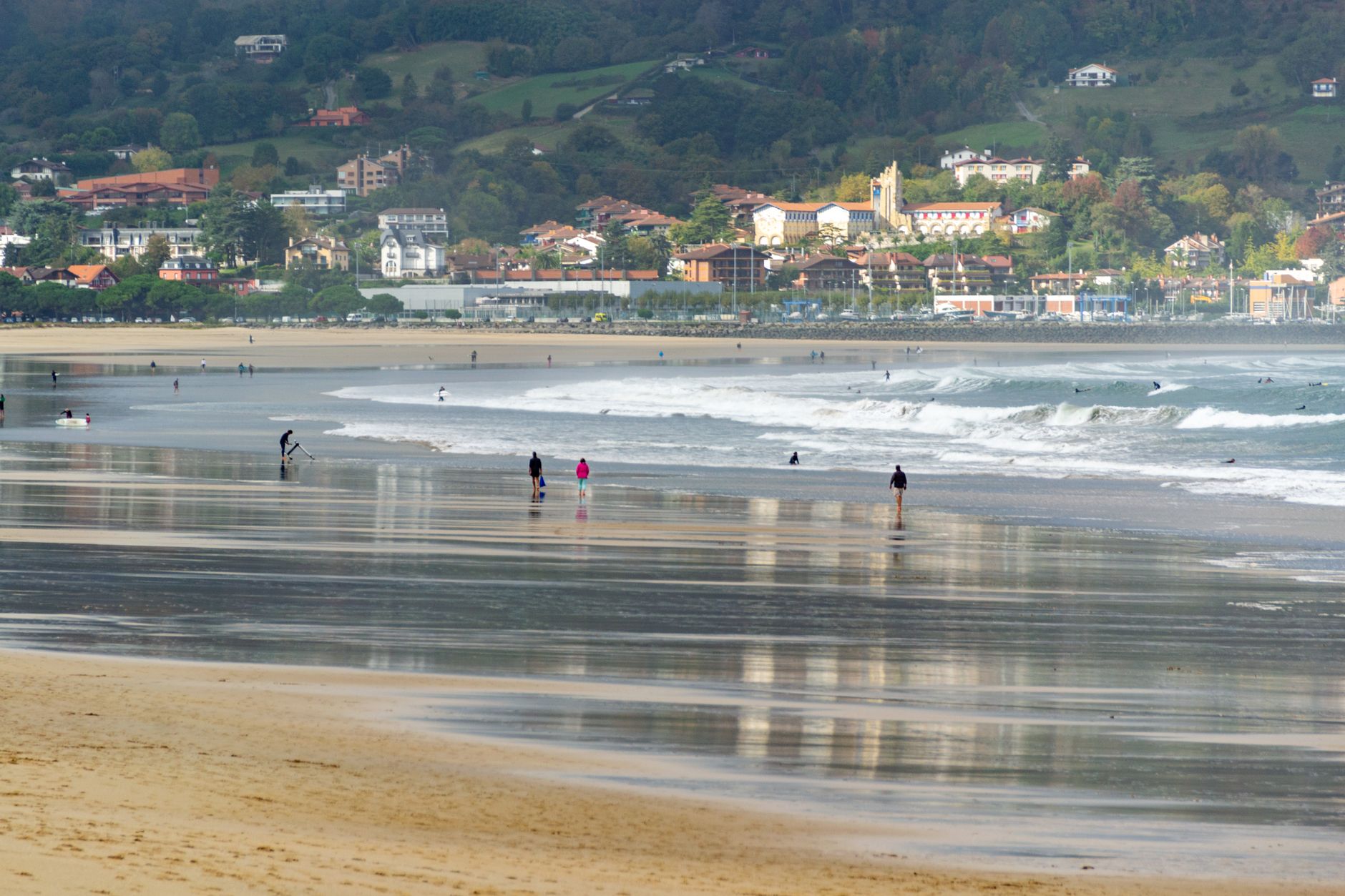

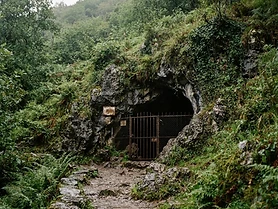

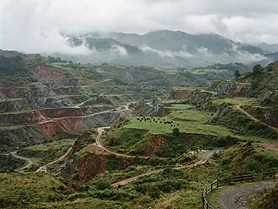




Linked from elsewhere
Entries that name this place in their own nearby lists.
Logistics are verified only. We don't publish schedules we haven't confirmed.
Experiences worth booking ahead
- Santillana del Mar & Altamira Museum with tickets- small groups4.6 (83)4.5 hrsFrom €60
- Santillana, Altamira, Comillas & San Vicente de la B. Guided Tour4.6 (14)9 hrsFrom €87
- Immersive visit to the Velarde Palace Museum4.2 (32)From €10
- Santa Maria del Mar Basilica in Barcelona Ticket & Hosted Access4.5 (2)1 hrsFrom €12
Spain Field Guide may earn a commission when you book through selected links. Recommendations are editorial and independent of commission.
Ready to build Santillana del Mar into a trip?
You've found a place worth going. When you're ready to turn discovery into an itinerary, Travel Itinerary Co picks up where the Field Guide leaves off — with your saved places already in hand.
Build this into a tripContinues on Travel Itinerary Co
Spain Field Guide may earn a commission when you book through selected links. Recommendations are editorial and independent of commission.