Costa Quebrada
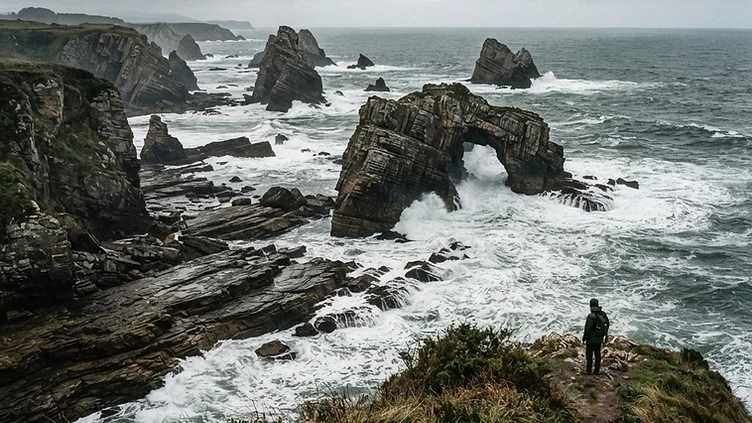
Half a day on the coastal path, with a car parked at one end. Best at low tide; the rock platforms are the point.
Sea stacks, arches and beaches on a single coastal walk from Santander — the most varied coastline in Cantabria.
At a Glance
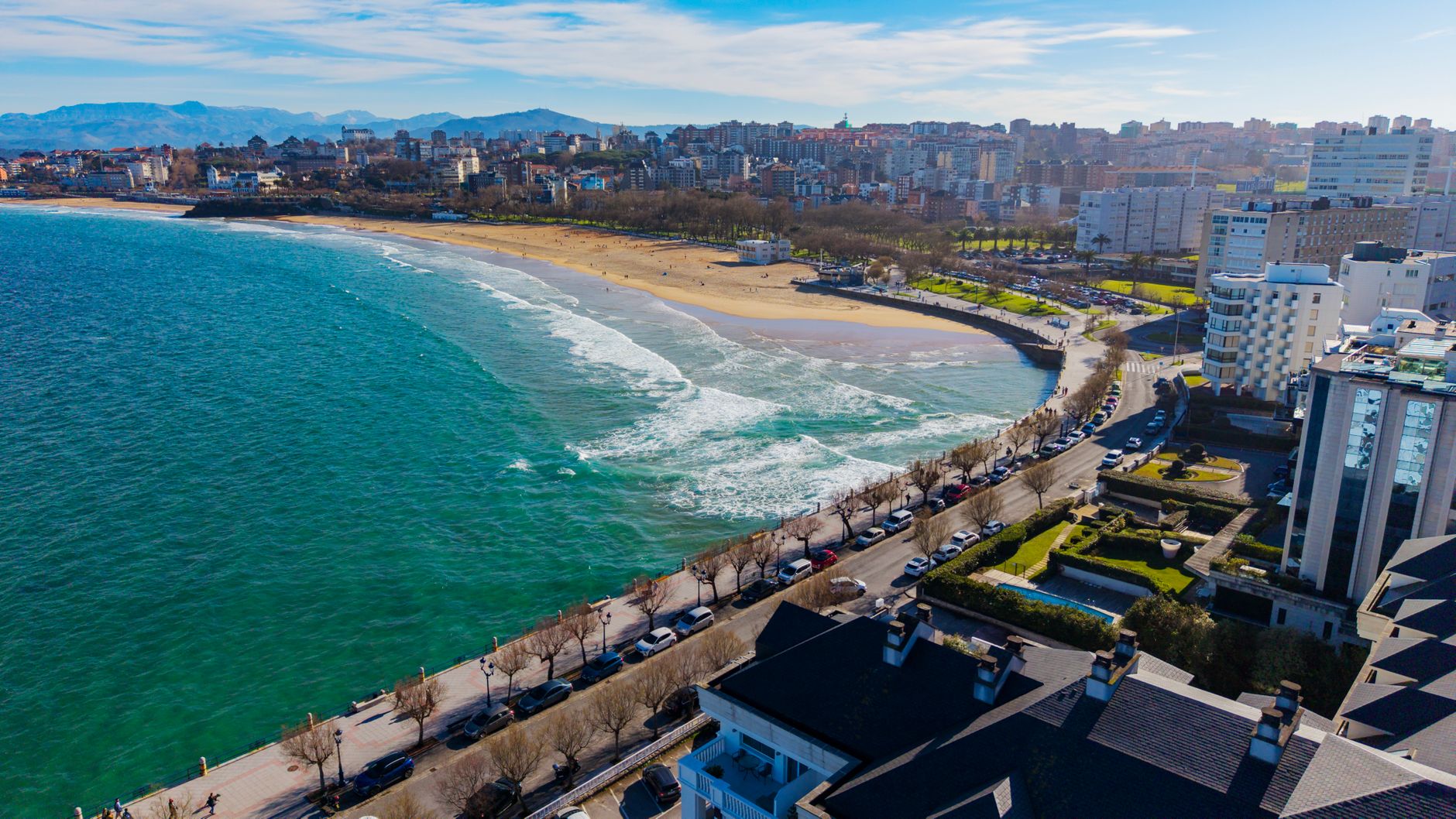
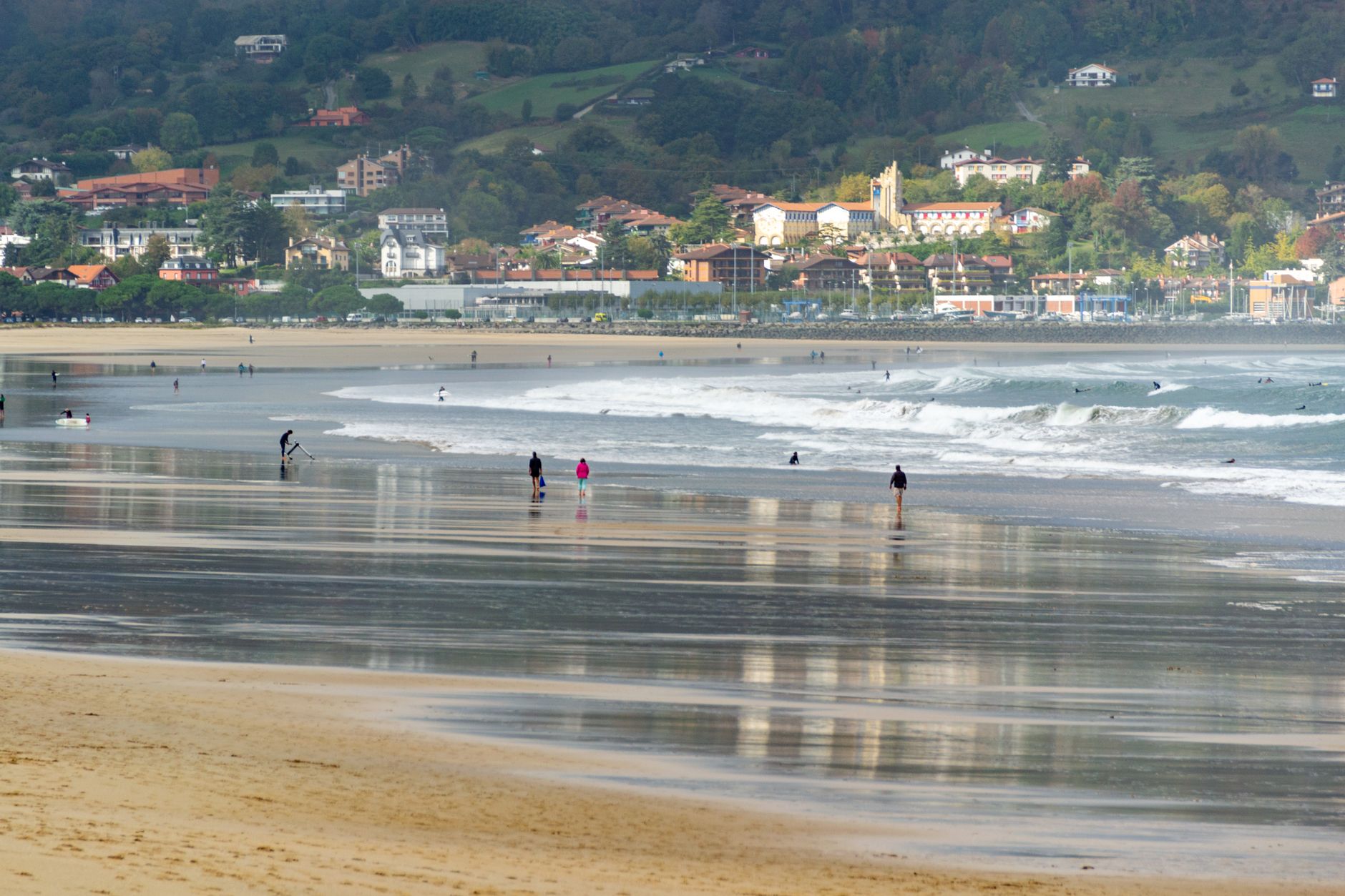
The Costa Quebrada is a stretch of coast west of Santander where the limestone has been eroded into sea stacks, blowholes, arches and small beaches divided by rocky points. It is protected as a geosite for the karst forms, and the coastal path through it passes the beaches of Somo, Liencres and La Arnía. Much of it is only reachable on foot.
How it got here
Cantabria formed part of the Roman province of Hispania Tarraconensis, though the rugged terrain meant Roman control remained tenuous compared to the fertile plains of the south. During the Middle Ages, the coast turned toward maritime trade and fishing, a necessity driven by the thin, acidic soil of the mountains. The port of Santander grew wealthy as the primary outlet for the wool trade from the Castilian interior, creating a divide between the bustling city and the rural, independent coastal communities to the west. This isolation preserved the traditional small-scale mining and agricultural rhythms that defined the northern littoral before the recent surge in regional tourism.
Where it sits
The limestone cliffs between Santander and Liencres collapse into the Atlantic under the constant force of the Cantabrian Sea. Massive sea stacks stand detached from the mainland while tidal platforms expose layers of earth that document tectonic shifts. Salt spray kills the vegetation near the water, leaving only hardy grasses and stunted shrubs on the clifftops. Heavy rain turns the inland meadows a deep, vibrant green, but the salt-scrubbed coast remains harsh. Winter storms bring immense swells that hammer the arches, keeping the landscape in a state of slow, relentless erosion that defines the shoreline.
What to eat and drink
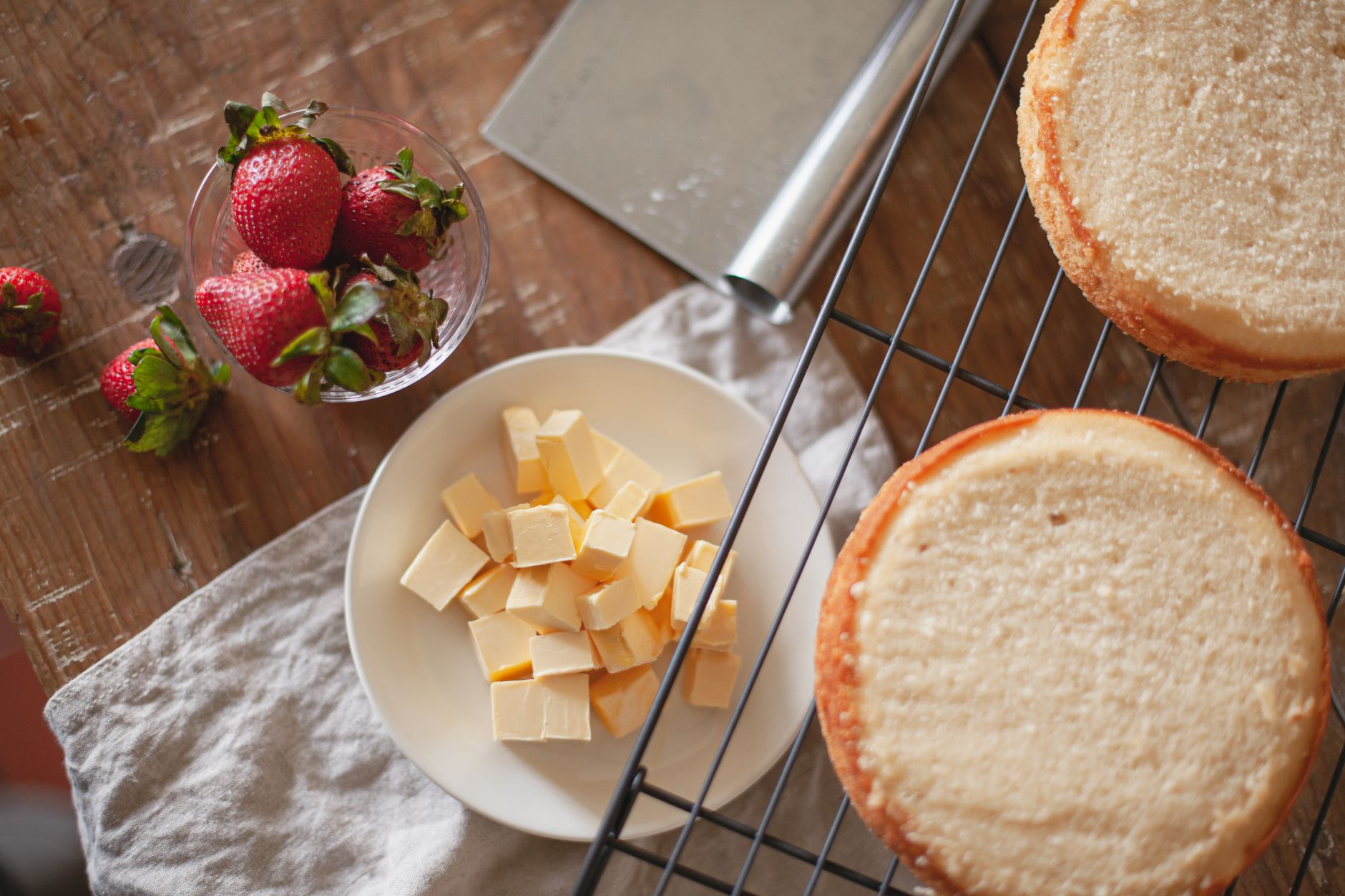
Cantabrian tables focus on the catch of the Bay of Biscay. Anchovies preserved in olive oil from Santoña define the start of most meals, alongside rabas, strips of squid dusted in flour and fried until crisp. The local stew, sorropotún, uses bonito del norte, potatoes, onions, and peppers, reflecting the historic reliance on tuna fleets. For dessert, the province produces sobaos pasiegos, dense butter cakes made with heavy cream from mountain cattle. Cider remains the traditional drink, poured from a height to aerate the tart apple base before it hits the glass.
Cantabria: the whole region
A small region with an unusual amount of everything: a coast of rough Atlantic beaches, the eastern half of the Picos de Europa, the Pas and Liébana valleys, and two of the most important prehistoric and religious sites in Spain in…
Minimum 3 days · better 5-6 days · deep 9 days
In Cantabria


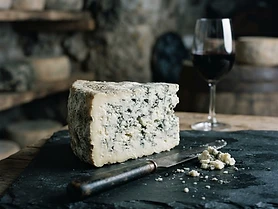

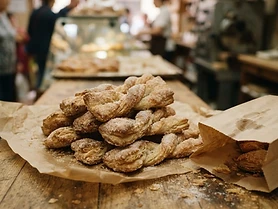
In Cantabria











Logistics are verified only. We don't publish schedules we haven't confirmed.
Ready to build Costa Quebrada into a trip?
You've found a place worth going. When you're ready to turn discovery into an itinerary, Travel Itinerary Co picks up where the Field Guide leaves off — with your saved places already in hand.
Build this into a tripContinues on Travel Itinerary Co
Spain Field Guide may earn a commission when you book through selected links. Recommendations are editorial and independent of commission.