Cabárceno
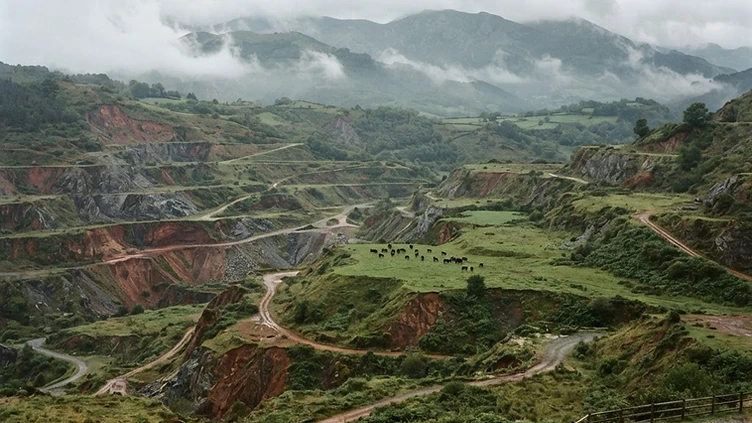
A full day, and best with children and a car. Go early, in the week, and take the cable car once rather than twice.
A wildlife park built inside a worked-out iron mine, driven through at your own pace — the biggest animal enclosure in northern Spain.
Os Pasiegos · Liébana · Santander · Potes
At a Glance
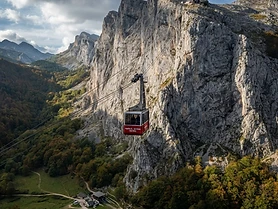
Cabárceno occupies the terraces and lakes of a disused iron mine south of Santander, with elephants, bears, rhinos and big cats living in large semi-free enclosures across 750 hectares. Visitors drive between the sectors, and the cable car crosses the middle. It is a zoo, and a zoo at a scale few others attempt, in a landscape the mining left behind.
How it got here
Cantabria holds layers of industrial transformation within its northern coastal folds. The pits at Cabárceno originated as open-cast iron mines during the twentieth century, extraction sites that stripped the earth to its limestone bones. After the closure of mining operations, the landscape endured as a scarred topography of deep gorges and artificial basins. The reclamation of this terrain transformed the industrial relic into a wildlife park, repurposing the hazardous pits into enclosures. The park exists today as a consequence of this geological upheaval, where the physical marks of extraction determine the spatial layout of the animal habitats across the karst terrain.
Where it sits
The park occupies a stretch of limestone karsts south of the Santander bay. Pine forests and scrubland cling to the uneven ridges that define the inland Cantabrian corridor. Frequent Atlantic weather systems bring heavy rainfall to the valleys, ensuring the slopes remain green throughout the year. Roads wind through the mountain passes, connecting the isolated interior villages to the coast. Summer months bring cooling breezes from the Bay of Biscay, though the narrow canyons trap humidity. The surrounding countryside consists of small dairy farms and rugged grazing land that stretches toward the peaks of the Picos de Europa.
What to eat and drink
Cantabrian tables focus on the produce of the coast and the mountain pastures. Cocido montañés, a thick stew of white beans, cabbage, and pork, provides the heavy sustenance required for the climate. Fresh fish from the nearby Atlantic ports often appear simply grilled or cooked in the style of the fishermen. Anchovies from Santoña, cured in oil and salt, serve as a standard appetizer. For dessert, quesada pasiega, a dense tart made from curdled cow milk and cinnamon, follows meals. The region drinks Orujo, a potent spirit distilled from the fermented skins of local grapes.
Cantabria: the whole region
A small region with an unusual amount of everything: a coast of rough Atlantic beaches, the eastern half of the Picos de Europa, the Pas and Liébana valleys, and two of the most important prehistoric and religious sites in Spain in…
Minimum 3 days · better 5-6 days · deep 9 days
In Cantabria


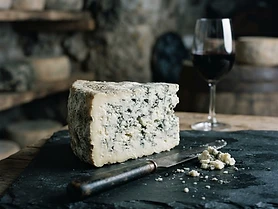



In Cantabria

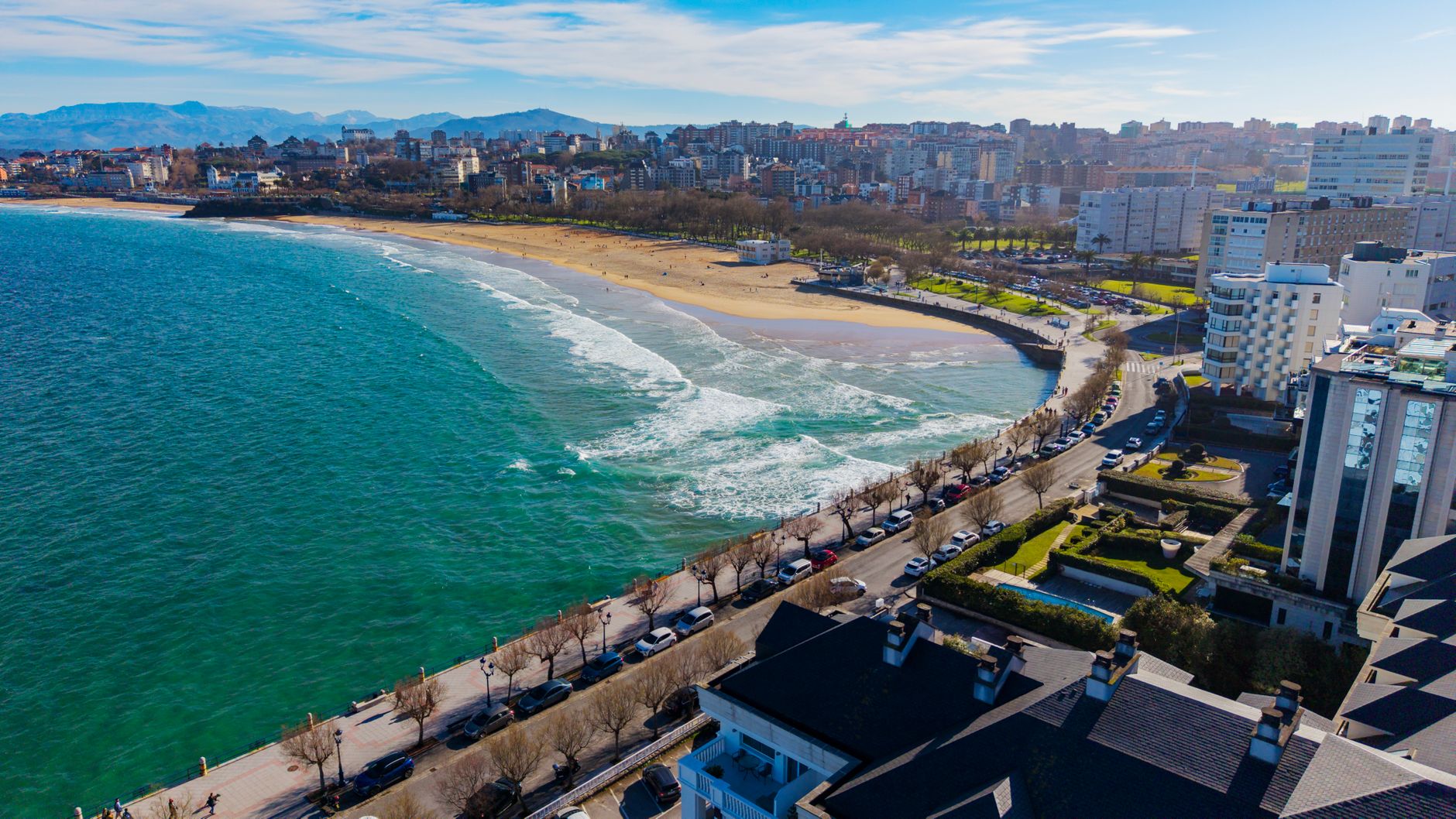

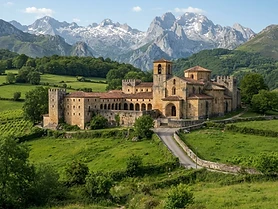









Logistics are verified only. We don't publish schedules we haven't confirmed.
Ready to build Cabárceno into a trip?
You've found a place worth going. When you're ready to turn discovery into an itinerary, Travel Itinerary Co picks up where the Field Guide leaves off — with your saved places already in hand.
Build this into a tripContinues on Travel Itinerary Co
Spain Field Guide may earn a commission when you book through selected links. Recommendations are editorial and independent of commission.