El Soplao
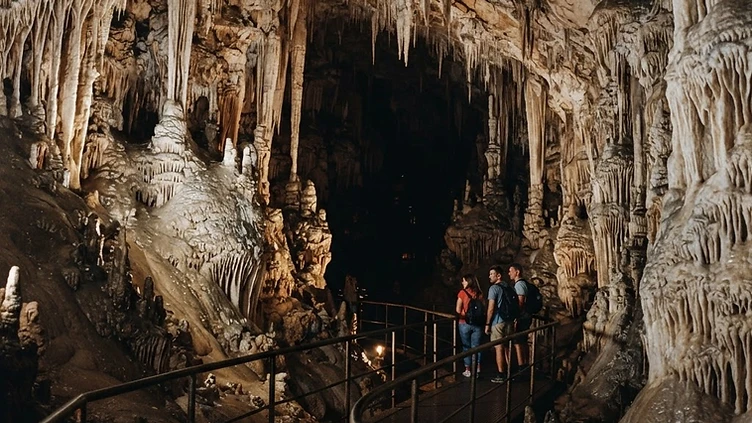
Two to three hours on the standard tour, book ahead in summer. Dress warmly: the cave sits at nine degrees all year.
Cave formations that seem to disobey gravity, discovered by lead miners — the best-show cave in Cantabria.
Os Pasiegos · Liébana · Santander · Potes
At a Glance
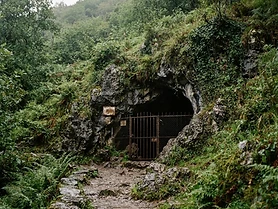
El Soplao was found by miners working the La Florida seam in 1908, and it is the formations rather than the galleries that make it: helictites that grow sideways and upwards in defiance of gravity, and dense curtains of calcite. Visits run on a narrow-gauge train into the hill, then on foot through the show cave, with a caving option for those who book it.
How it got here
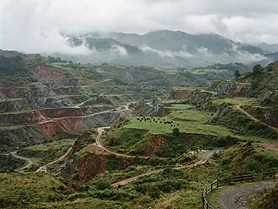
Miners working the lead and zinc seams of the Sierra de Arnero first breached these galleries in 1908. Industrial excavation continued for decades, exposing the subterranean chambers during the extraction of ores that powered much of the regional economy. Geologists later documented the site for its rare mineralogy, specifically the proliferation of helictites. The transition from industrial site to public attraction preserved the original mine tracks and access routes. These paths follow the path of the miners into the mountain, framing the cave as a site where heavy industry and natural geology met underground.
Where it sits
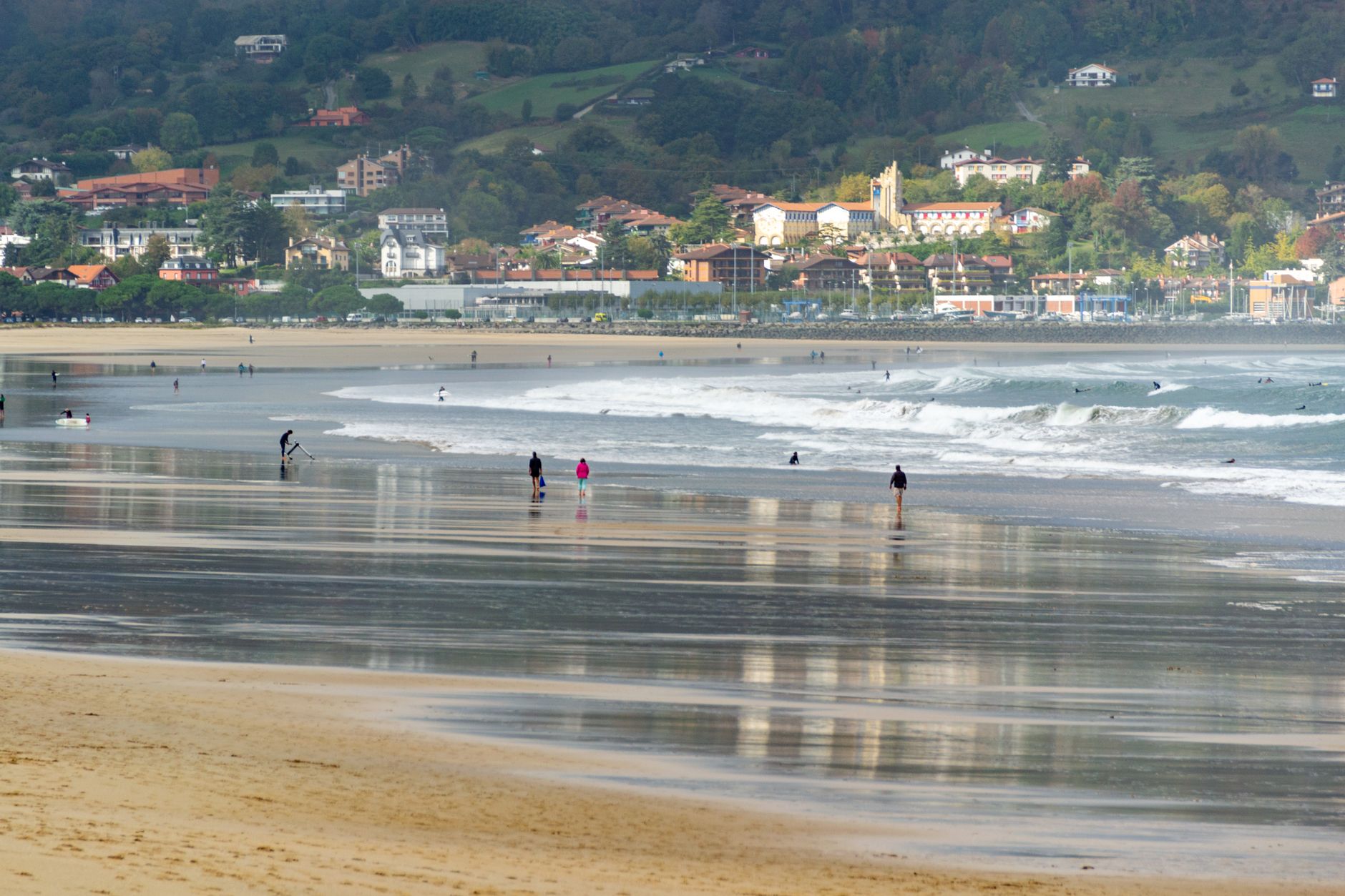
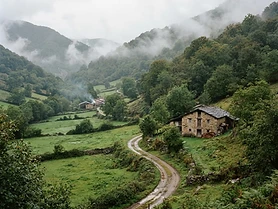
The Rionansa valley cradles this limestone ridge between the Cantabrian Sea and the Picos de Europa. Heavy rains sustain the dense green pastures and temperate forests that define this corner of Cantabria. Roads climb sharply from the coast through narrow mountain passes that trap winter mists and hold cool air well into the summer months. The landscape remains defined by slow mountain life, cattle grazing on high slopes, and small villages built of stone and wood that change little through the seasons. Visitors find a silent, damp terrain far from the busy summer beaches of the northern coast.
What to eat and drink
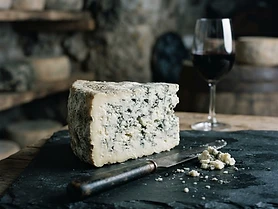
Coastal Cantabrian cooking leans heavily on the catch from the Bay of Biscay. Order bocartes, fresh anchovies fried in olive oil, or marmita de bonito, a thick stew of tuna, potatoes, peppers, and onions traditionally prepared by fishermen. Inland, the high mountain pastures provide milk for Quesucos de Liébana, small cheeses with a distinct sharp flavor. For the end of a meal, Orujo, a potent pomace brandy distilled from grape skins, appears in glasses across the province. It provides the necessary warmth for the damp, cool evenings common to these high mountain valleys.
Cantabria: the whole region
A small region with an unusual amount of everything: a coast of rough Atlantic beaches, the eastern half of the Picos de Europa, the Pas and Liébana valleys, and two of the most important prehistoric and religious sites in Spain in…
Minimum 3 days · better 5-6 days · deep 9 days
In Cantabria





In Cantabria












More attraction in Cantabria
Logistics are verified only. We don't publish schedules we haven't confirmed.
Ready to build El Soplao into a trip?
You've found a place worth going. When you're ready to turn discovery into an itinerary, Travel Itinerary Co picks up where the Field Guide leaves off — with your saved places already in hand.
Build this into a tripContinues on Travel Itinerary Co
Spain Field Guide may earn a commission when you book through selected links. Recommendations are editorial and independent of commission.