Fuente Dé
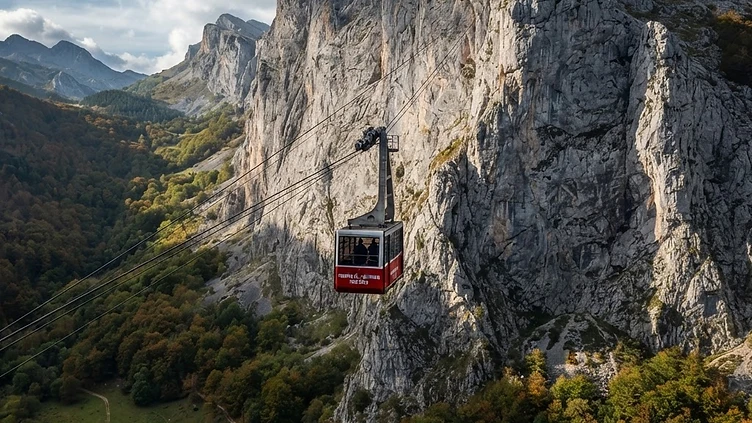
Do it on a clear morning and walk for an hour at the top. In bad visibility it is not worth queuing.
The fastest way into the middle of the Picos, and a view that justifies the ticket price.
Os Pasiegos · Liébana · Santander · Potes
At a Glance
Fuente Dé is the end of the road from Potes, where the valley closes under a wall of limestone and a cable car climbs 750 metres to the hotel and mirador at El Cable, right in the middle of the Picos de Europa. The ride takes four minutes and the view from the top is the best single view in Cantabria; from there, paths run up to the Horcados Rojos and down towards the Valdeón valley. Go up early, before the cloud builds and before the queues start — in summer, ticket slots sell out. Parking at the base is limited and full by mid-morning.
How it got here
The Liébana valley serves as the historical gateway into the Picos de Europa, acting as a natural barricade against the coastal storms of northern Spain. For centuries, isolated mountain communities here lived largely outside the reach of centralized power, relying on transhumance and the cultivation of plots on vertical terrain. This rugged isolation preserved archaic dialects and social structures until the expansion of internal infrastructure in the twentieth century. The cable car installation at the valley head transformed the route from a dead-end transit point into a pressurized gateway for mountain climbers and researchers who study the limestone massif that defines the central Cantabrian range.
Where it sits
The road ends abruptly where the glacial cirque pushes against a towering limestone curtain. Heavy mists frequent the peaks as Atlantic air meets the jagged elevation, causing sudden visibility drops that obscure the path ahead. The ascent requires a brief, steep climb via the cable system, bridging the divide between the green floor of the valley and the lunar landscape of the upper plateau. Mornings during the warmer months draw crowds that fill the base lot, but the high terrain demands caution as winter snows persist in sheltered hollows well into the spring season.
What to eat and drink
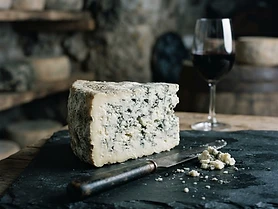
Cocido lebaniego stands as the essential local dish, a thick stew of chickpeas, potatoes, cabbage, and bits of pork, blood sausage, and bacon. The inclusion of the small, local chickpea makes the flavor profile distinct from other regional variations. To accompany the meal, Orujo serves as the traditional digestive, a potent grape spirit distilled from the leftover skins of the wine press. The climate also supports the production of high-quality cheeses, particularly Queso Picón Bejes-Tresviso, a pungent blue variety aged in caves to develop a sharp, spicy bite that cuts through the richness of the local mountain meats.
Cantabria: the whole region
A small region with an unusual amount of everything: a coast of rough Atlantic beaches, the eastern half of the Picos de Europa, the Pas and Liébana valleys, and two of the most important prehistoric and religious sites in Spain in…
Minimum 3 days · better 5-6 days · deep 9 days
In Cantabria



In Cantabria











Linked from elsewhere
Entries that name this place in their own nearby lists.
Logistics are verified only. We don't publish schedules we haven't confirmed.
Experiences worth booking ahead
Spain Field Guide may earn a commission when you book through selected links. Recommendations are editorial and independent of commission.
Ready to build Fuente Dé into a trip?
You've found a place worth going. When you're ready to turn discovery into an itinerary, Travel Itinerary Co picks up where the Field Guide leaves off — with your saved places already in hand.
Build this into a tripContinues on Travel Itinerary Co
Spain Field Guide may earn a commission when you book through selected links. Recommendations are editorial and independent of commission.