Catedral de Santander

A modest stop, notable mostly for its crypt and low-key charm rather than grandeur.
The 13th-century crypt beneath the main structure is atmospheric and free of crowds, offering a quieter contrast to Spain's bigger cathedral sets.
At a Glance
- — expecting a major Gothic monument
- — limited time in Cantabria
Perched on a hill overlooking the Bay of Santander, this cathedral feels grounded and austere, especially within its medieval crypt. The lower level, which dates back to the 13th century, is cool, dark, and remarkably atmospheric, creating a visceral sense of the city’s ancient history that is often ignored by those rushing to the coastal boardwalks. While the upper nave has been rebuilt following historical fires, the crypt remains a genuine, untouched sanctuary. It is a quiet, thoughtful stop for those who prefer the solemnity of buried stone over the gilded grandeur of more frequented sites.
How it got here
Construction began in the thirteenth century upon the foundations of an abbey dedicated to the martyrs Emeterius and Celedonius. This site held importance as a center for maritime traffic and pilgrimage along the northern coast of the Iberian Peninsula. A fire in 1941 devastated much of the city, forcing major reconstruction of the upper nave, yet the lower crypt survived the flames. The architecture provides a contrast between the original medieval limestone structures of the lower church and the modern stone work above. The structure anchors the historic core of the city and stands as a primary record of the survival of Cantabrian religious architecture through centuries of fire and urban change.
Where it sits
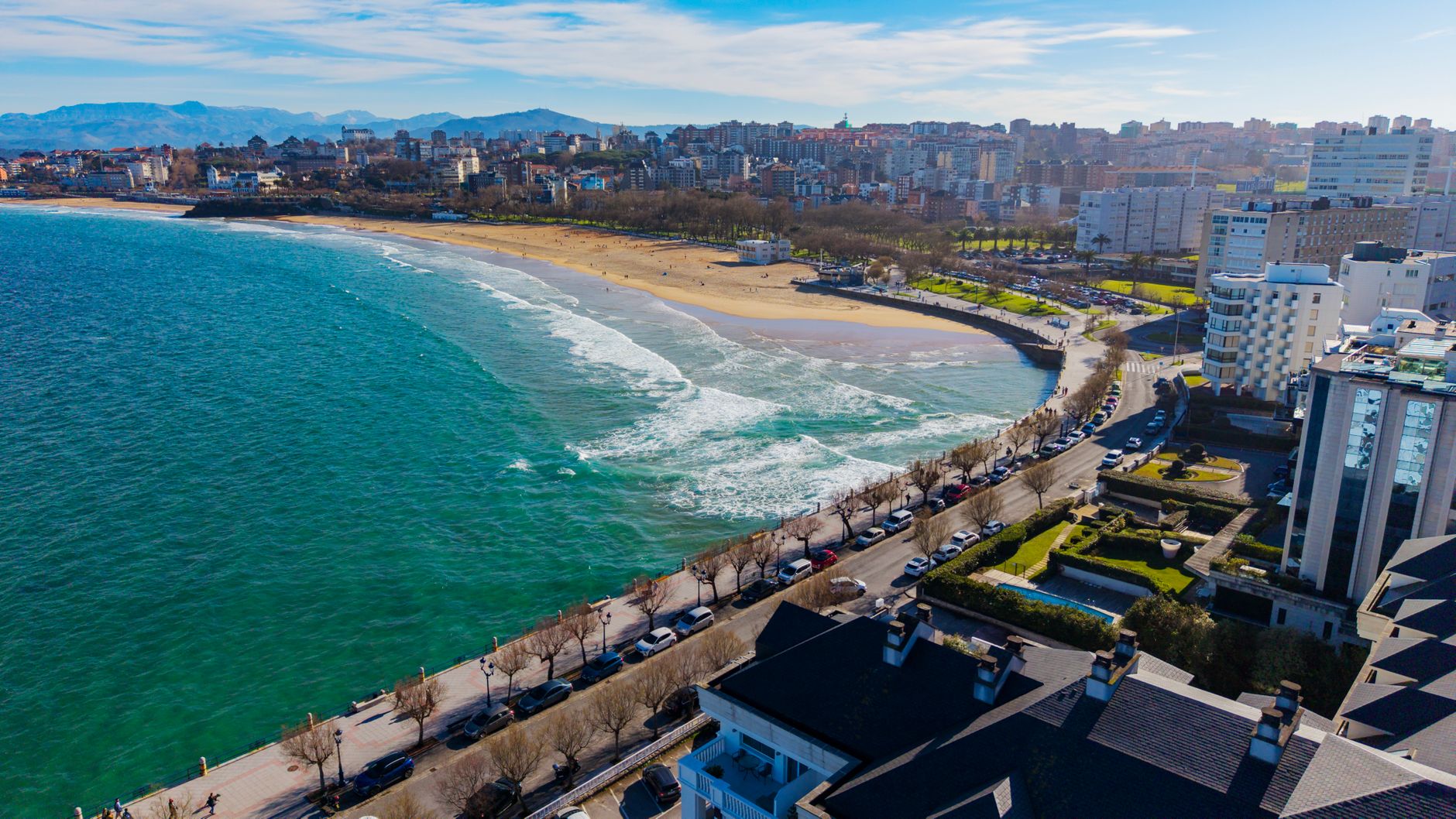
The cathedral stands on a rise overlooking the Bay of Santander where the land meets the Cantabrian Sea. This part of the coast experiences heavy Atlantic storms throughout the winter months, while summers bring mild temperatures and steady humidity. The city grew around this port, expanding from the high ground of the old town toward the coastal promenades. The surrounding landscape consists of steep hills and coastal cliffs that drop sharply into the bay. Pedestrian access flows from the harbor through narrow streets that climb steadily from the waterfront toward the cathedral gates, distancing the quiet interior from the noise of the active port.
What to eat and drink
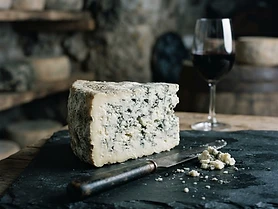
Santander draws heavily from the Cantabrian Sea. Sorropotún, a thick stew of bonito fish and potatoes, provides the staple meal for fishing communities during the summer months. Anchovies from the nearby bay, preserved in olive oil, appear in almost every pantry. For dessert, the region favors quesada pasiega, a dense cake made from curdled milk, sugar, and cinnamon that originated in the Pas Valley. Sidra, the tart fermented apple cider from the northern provinces, provides the common drink, poured from a height to aerate the liquid before it reaches the glass.
Cantabria: the whole region
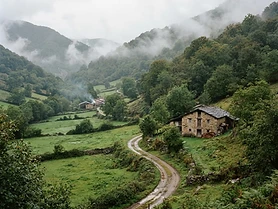
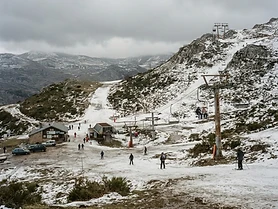
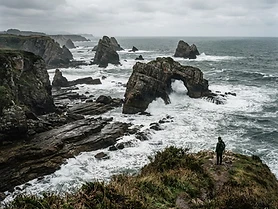
A small region with an unusual amount of everything: a coast of rough Atlantic beaches, the eastern half of the Picos de Europa, the Pas and Liébana valleys, and two of the most important prehistoric and religious sites in Spain in…
Minimum 3 days · better 5-6 days · deep 9 days

In Cantabria





In Cantabria










Linked from elsewhere
Entries that name this place in their own nearby lists.
Logistics are verified only. We don't publish schedules we haven't confirmed.
Experiences worth booking ahead
- Picos de Europa and Potes Guided Tour from Santander-small groups4.7 (125)9 hrsFrom €90
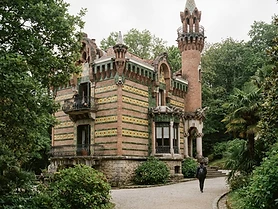
- Comillas, Modernism & Gaudi with entrance tickets -small groups4.7 (52)5 hrsFrom €65
- Peninsula and Magdalena Palace in Santander4.8 (10)2 hrsFrom €18
- Santillana, Altamira, Comillas & San Vicente de la B. Guided Tour4.6 (14)9 hrsFrom €87
Spain Field Guide may earn a commission when you book through selected links. Recommendations are editorial and independent of commission.
Ready to build Catedral de Santander into a trip?
You've found a place worth going. When you're ready to turn discovery into an itinerary, Travel Itinerary Co picks up where the Field Guide leaves off — with your saved places already in hand.
Build this into a tripContinues on Travel Itinerary Co
Spain Field Guide may earn a commission when you book through selected links. Recommendations are editorial and independent of commission.