Santo Toribio de Liébana
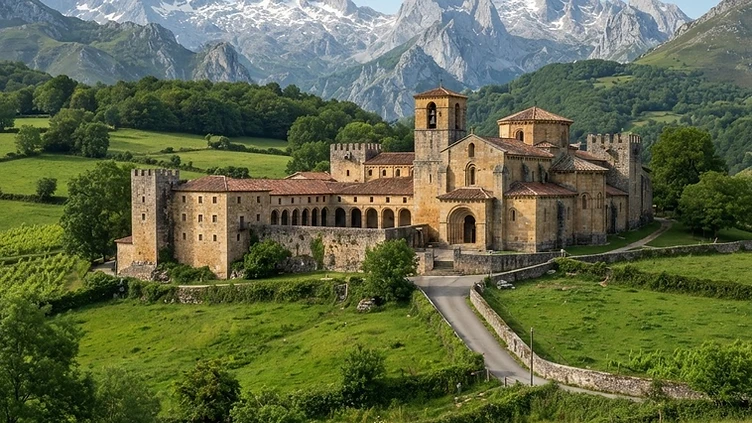
Half a day, and combine it with the walk up the valley afterwards.
A holy place of medieval Europe, five minutes from Potes, with a fraction of the visitors it should get.
At a Glance
Santo Toribio de Liébana was, in the Middle Ages, one of the four holy places of Latin Christianity alongside Rome, Jerusalem and Santiago, because it holds a fragment of the True Cross. The monastery that grew from that claim is a mixture of Romanesque, Gothic and later building, set against the Picos at the end of a short valley road four kilometres from Potes, with a fine Romanesque doorway and a chapel built around the reliquary. It is calm, unhurried and far less visited than its history deserves. A Franciscan community still lives here.
How it got here
Medieval pilgrims travelled to this site because the Lignum Crucis, the largest known fragment of the True Cross, drew travellers from across the Iberian Peninsula. Its status as a holy site paralleled Jerusalem, Rome and Santiago de Compostela, granting the monastery the right to issue indulgences to those making the arduous journey through the Cantabrian mountains. The current building replaced earlier structures, blending Romanesque and Gothic architecture into a singular site of devotion. A Franciscan community maintains the enclosure, preserving the continuity of a site that once served as a primary destination for the faithful crossing the northern peaks during the Middle Ages.
Where it sits
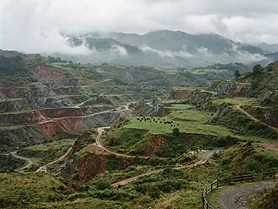
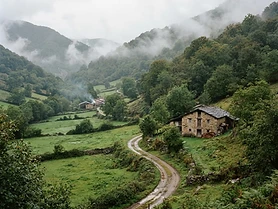
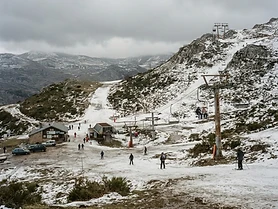
The monastery stands above the valley of Liébana, where the Picos de Europa create a barrier between the coast and the high plateau. Narrow roads wind from the town of Potes, climbing through dense forests of oak and beech that turn gold in autumn. Heavy snow blankets the high passes in winter, isolating the small villages that dot the slopes. During the summer, the air remains crisp even as the sun intensifies against the limestone massifs. Few travellers venture this far into the mountains, leaving the monastery and its cloisters quiet throughout the year.
What to eat and drink
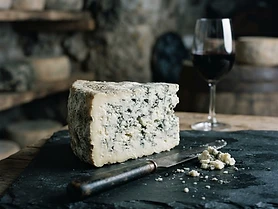
Cocido lebaniego defines the table in this valley. It is a hearty stew of chickpeas, potatoes, cabbage and various cuts of pork, often served in two courses starting with the broth. Orujo, a strong grape brandy distilled from the remnants of wine production, marks the end of most meals here. Cheese remains a pillar of local production, particularly Quesucos de Liébana, small rounds of cow, sheep or goat milk cheese that carry the distinct scent of the mountain pastures. These foods sustain the high mountain lifestyle, providing necessary warmth against the changing weather of the Cantabrian peaks.
Cantabria: the whole region
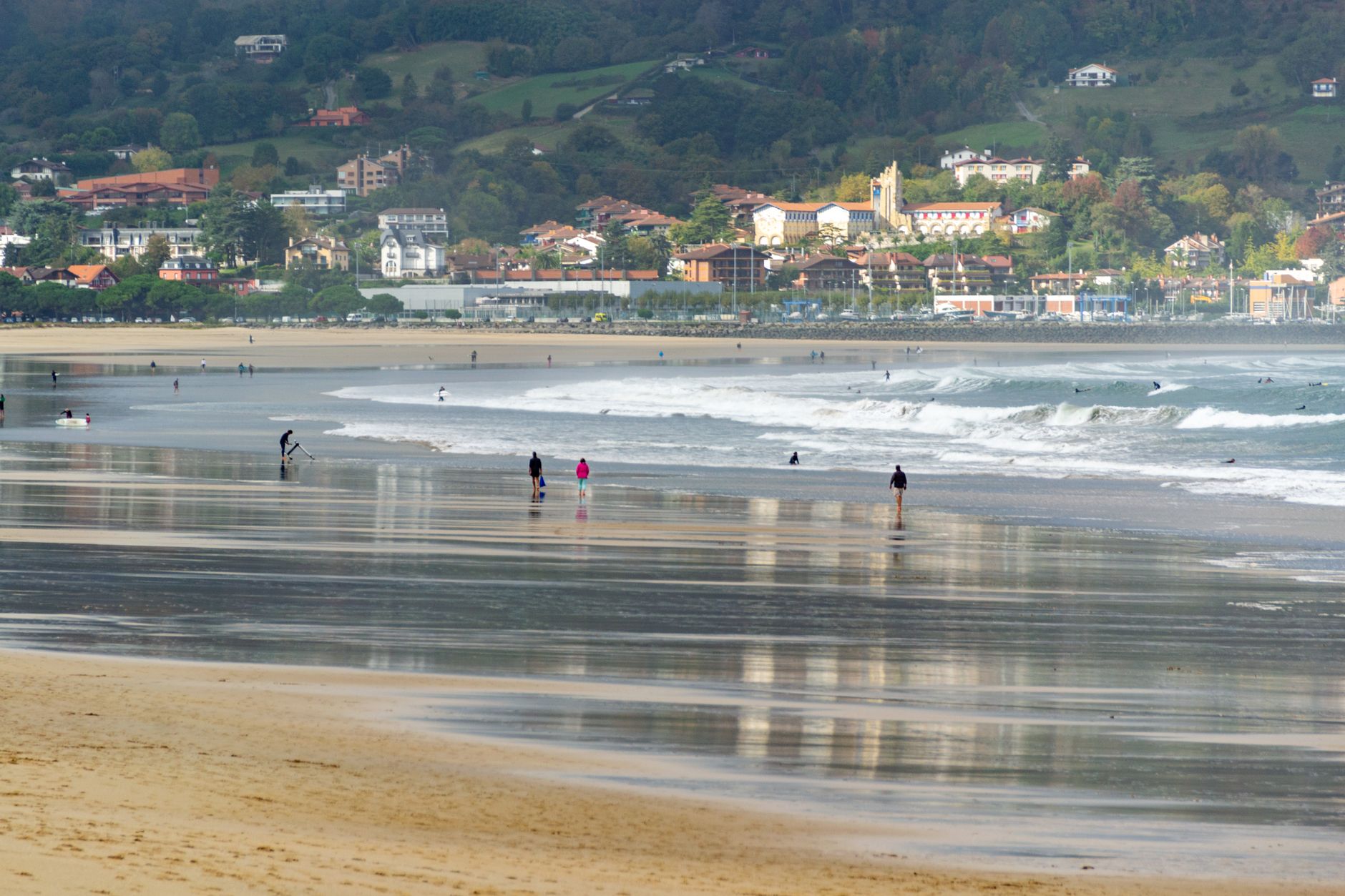
A small region with an unusual amount of everything: a coast of rough Atlantic beaches, the eastern half of the Picos de Europa, the Pas and Liébana valleys, and two of the most important prehistoric and religious sites in Spain in…
Minimum 3 days · better 5-6 days · deep 9 days
What's Nearby


In Cantabria



In Cantabria











Logistics are verified only. We don't publish schedules we haven't confirmed.
Experiences worth booking ahead
Spain Field Guide may earn a commission when you book through selected links. Recommendations are editorial and independent of commission.
Ready to build Santo Toribio de Liébana into a trip?
You've found a place worth going. When you're ready to turn discovery into an itinerary, Travel Itinerary Co picks up where the Field Guide leaves off — with your saved places already in hand.
Build this into a tripContinues on Travel Itinerary Co
Spain Field Guide may earn a commission when you book through selected links. Recommendations are editorial and independent of commission.