Parque Natural Saja-Besaya
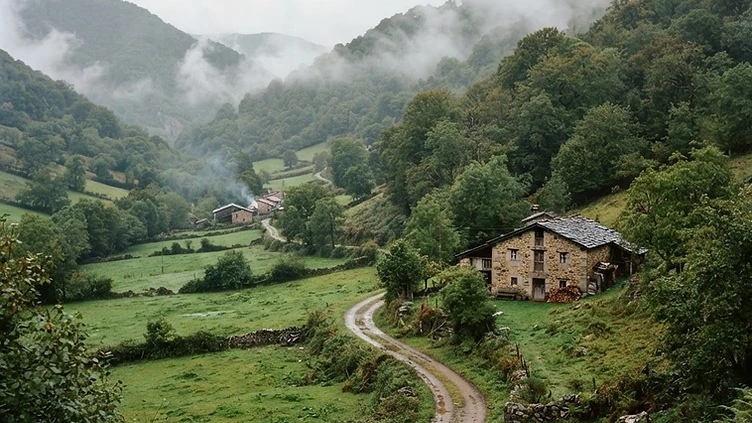
A day by car, with stops at Bárcena Mayor and the puertos above. Bears are not a reasonable expectation; the forest is.
The heart of Cantabrian bear country — beech woods, high pastures and valley villages, with the best chance of wild territory in the region.
At a Glance
Saja-Besaya covers the valleys of the Saja and Besaya rivers in western Cantabria, a landscape of beech, oak and pasture where the Cantabrian brown bear population is strongest. Villages of stone and timber sit in the valley floors, and roads climb to the puertos where cattle are still moved in summer. Walking is on forest tracks and old drovers' paths.
How it got here
Cantabria maintains a lineage defined by the mountain passes connecting the Cantabrian Sea to the high plains of the Meseta. These valleys sustained the local livestock economy through the medieval Mesta system, which granted legal privileges to the guilds of sheep farmers who moved flocks across the Iberian Peninsula. The stone architecture of the villages records a sedentary life built around communal pasture rights and timber harvesting. While major historical narratives favor the coast or the southern plateaus, the Saja-Besaya interior functioned as a vital conduit for trade and transhumance, maintaining a social structure dictated by the rhythms of the mountain seasons and ancestral land use customs that persist in contemporary village governance.
Where it sits
The terrain transitions from deep valley floors carved by the Saja and Besaya rivers to high alpine meadows. Dense forests of oak and beech cover the lower slopes, eventually thinning into scrub and grassland at the higher puertos. Summer brings cattle to the high grazing grounds, while autumn turns the forest canopy into dark shades of red and gold. Winters are harsh, frequently blocking mountain passes with snow. Reaching these valleys requires navigating winding roads that climb away from the coastal highway, moving deeper into a landscape that stays quiet and isolated even as the northern Spanish coast draws its crowds.
What to eat and drink
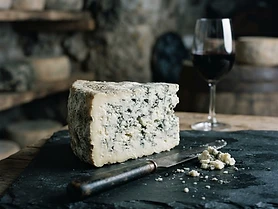
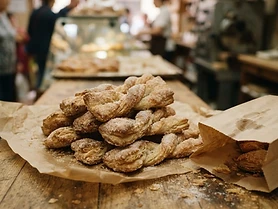
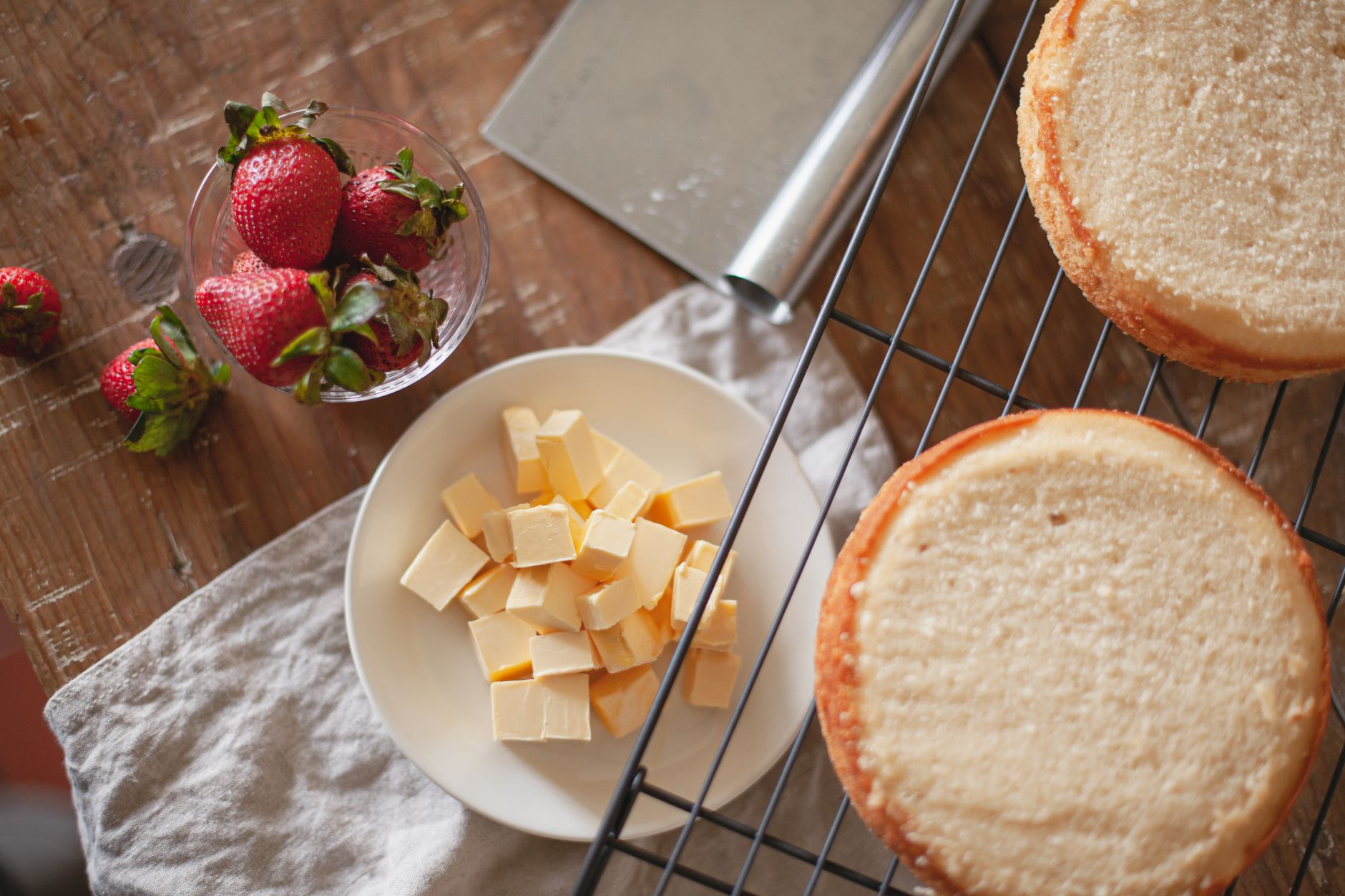
The table relies on the mountain climate and the products of the herd. Cocido montañés stands as the quintessential dish, a slow-simmered stew of white beans, berza cabbage, and local pork products like morcilla and chorizo. For dessert, quesada pasiega provides a dense, baked treat made from curdled cow milk, sugar, and cinnamon. The region produces notable cheeses, specifically those made from raw milk in the high pastures. Meals often conclude with orujo, a strong spirit distilled from grape pomace, which provides a traditional remedy against the chill of the damp, green Cantabrian valleys.
Cantabria: the whole region
A small region with an unusual amount of everything: a coast of rough Atlantic beaches, the eastern half of the Picos de Europa, the Pas and Liébana valleys, and two of the most important prehistoric and religious sites in Spain in…
Minimum 3 days · better 5-6 days · deep 9 days
In Cantabria



In Cantabria











Logistics are verified only. We don't publish schedules we haven't confirmed.
Ready to build Parque Natural Saja-Besaya into a trip?
You've found a place worth going. When you're ready to turn discovery into an itinerary, Travel Itinerary Co picks up where the Field Guide leaves off — with your saved places already in hand.
Build this into a tripContinues on Travel Itinerary Co
Spain Field Guide may earn a commission when you book through selected links. Recommendations are editorial and independent of commission.