Bárcena Mayor
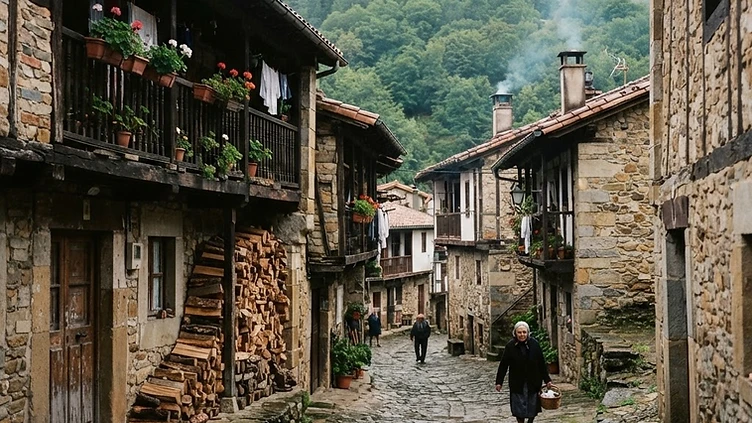
Two hours, plus lunch. Come on a weekday: on summer Sundays the car park fills by noon and the village is a crowd.
A medieval Cantabrian village intact at the end of a valley road — stone, timber and cobbles, with the Saja forest around it.
Os Pasiegos · Liébana · Santander · Potes
At a Glance
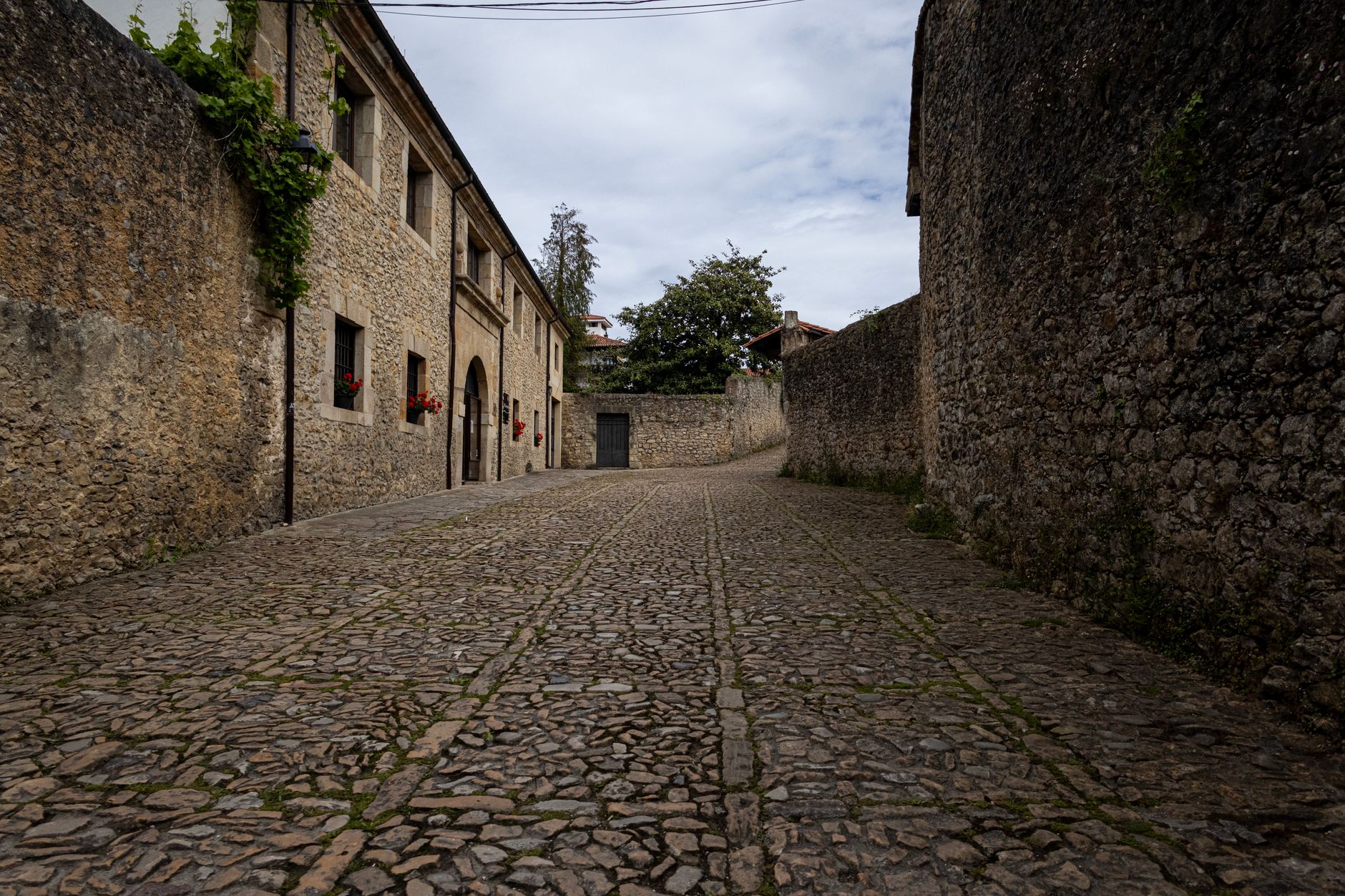
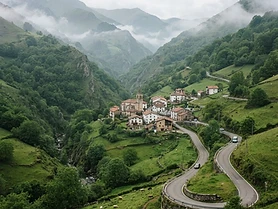
Bárcena Mayor is a cluster of stone houses with wide timber balconies at the head of the Argoza valley, reached by a single road and surrounded by the Saja reserve. Its streets are cobbled and its church Romanesque, and there are a handful of restaurants and a museum of rural life. Cars park at the entrance, which is most of why it has survived.
How it got here
Cantabrian mountain life followed the rhythms of transhumance and communal land use for centuries. The Saja valley supported small agricultural settlements that maintained a degree of autonomy from the feudal lords of the coast. Bárcena Mayor survives as a complete example of this mountain architecture because the narrow, winding valley road prevented the modernization of its stone structures. The isolation kept the village tied to forestry and livestock while the rest of the province moved toward industrialization. Every timber balcony and stone hearth inside these walls serves as proof of a rural order that relied on shared woodland rights and local timber to withstand the damp mountain winters.
Where it sits
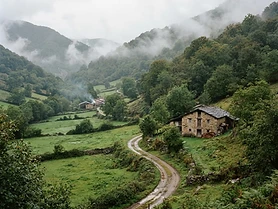
Deep within the Saja-Besaya Natural Park, the village marks the end of a single mountain road following the Argoza river. The landscape consists of steep hillsides covered in oak and beech forests that turn gold by late autumn. High moisture levels from the Atlantic ensure the valley stays green, though snow frequently blocks the higher passes during the winter months. The village retains a quiet atmosphere because vehicles cannot enter the narrow cobbled lanes. Visitors arrive for the mountain air and the view of dense woodland that presses against the slate roofs.
What to eat and drink
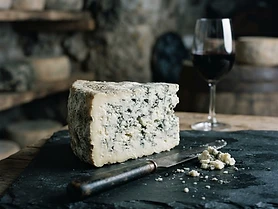
Cuisine in this valley relies on the cattle raised on high mountain pastures. Cocido montañés, a hearty stew of white beans, collard greens, chorizo, and pork belly, provides the fuel necessary for the climate. Local hunters bring venison and wild boar to the table in the autumn, often served in rich, slow-cooked sauces. To drink, the local orujo, a potent pomace brandy distilled from grape skins, marks the end of a meal. Mountain cheeses made from cow milk remain a staple of the daily diet, produced in the surrounding valleys and aged in stone cellars.
Cantabria: the whole region
A small region with an unusual amount of everything: a coast of rough Atlantic beaches, the eastern half of the Picos de Europa, the Pas and Liébana valleys, and two of the most important prehistoric and religious sites in Spain in…
Minimum 3 days · better 5-6 days · deep 9 days
In Cantabria



In Cantabria












Other Quick Stop in Cantabria

Logistics are verified only. We don't publish schedules we haven't confirmed.
Experiences worth booking ahead
Spain Field Guide may earn a commission when you book through selected links. Recommendations are editorial and independent of commission.
Ready to build Bárcena Mayor into a trip?
You've found a place worth going. When you're ready to turn discovery into an itinerary, Travel Itinerary Co picks up where the Field Guide leaves off — with your saved places already in hand.
Build this into a tripContinues on Travel Itinerary Co
Spain Field Guide may earn a commission when you book through selected links. Recommendations are editorial and independent of commission.