San Roque de Riomiera
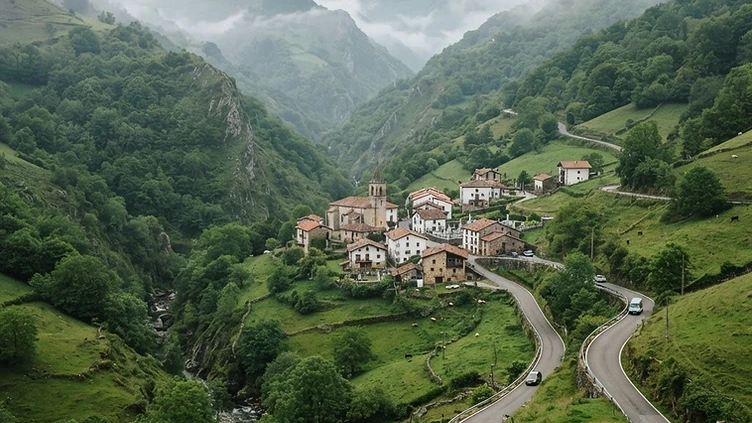
A stop on the pass road. Do not come up here specifically for the village.
High passes and beech forest, and the shortest way into the Pasiego country from the east.
Os Pasiegos · Liébana · Santander · Potes
At a Glance
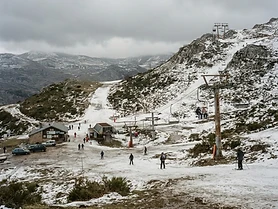
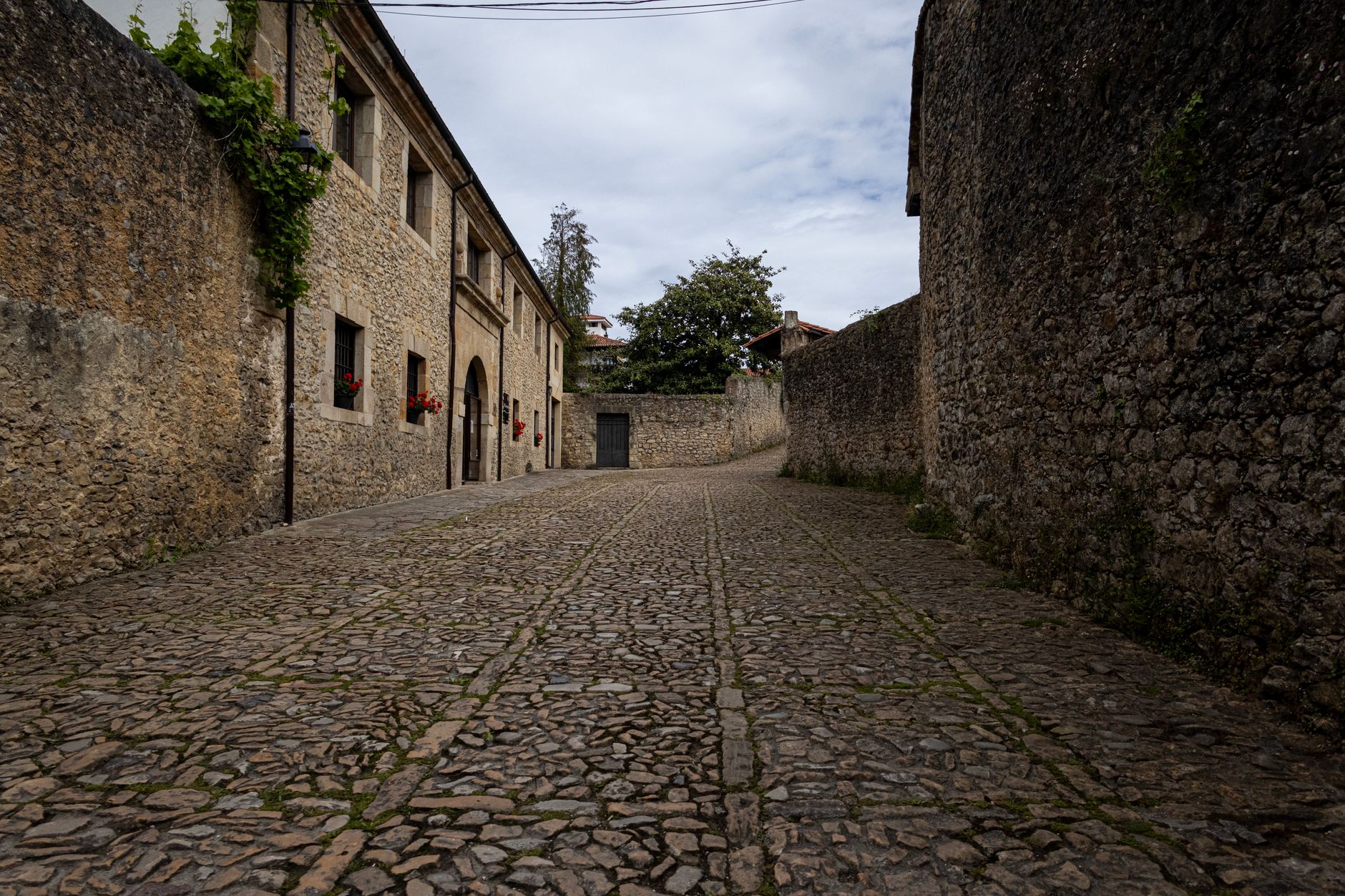
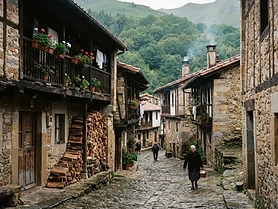
San Roque de Riomiera is a small village high in the Miera valley, on the road that climbs to the Lunada and La Sía passes towards Burgos. Beech woods and pastures rise on both sides, and the village itself is a row of houses along the road with a church and a bar. Its attraction is the drive up and the passes above it, which give the best views in the Pasiego valleys. Snow closes them in winter.
How it got here
San Roque de Riomiera belongs to the Pas valleys, a landscape defined by the transhumance of the Pasiego people. These communities moved cattle between seasonal huts known as cabañas pasiegas, spreading across the Miera, Pisueña, and Pas river basins. The population developed a distinct identity isolated from the maritime culture of the Cantabrian coast. This structure grew from the medieval system of land use where families held small, scattered pastures. The architecture of stone walls and slate roofs maps the traditional movement of livestock through the high valleys, grounding the village in the centuries of struggle against the rugged climate of the northern cordillera.
Where it sits
The village stretches along the valley floor where the Miera river begins its descent. Beyond the houses, the terrain rises sharply into alpine pastures and dense beech forests that climb toward the peaks of the Cantabrian range. The road cuts through the valley as the primary artery connecting the coast to the high passes leading toward the Castilian plateau. Winter snows often block these mountain roads, isolating the high pastures until late spring. The landscape maintains a quiet character, defined by the sound of running water and the shifting mist that settles between the limestone ridges.
What to eat and drink
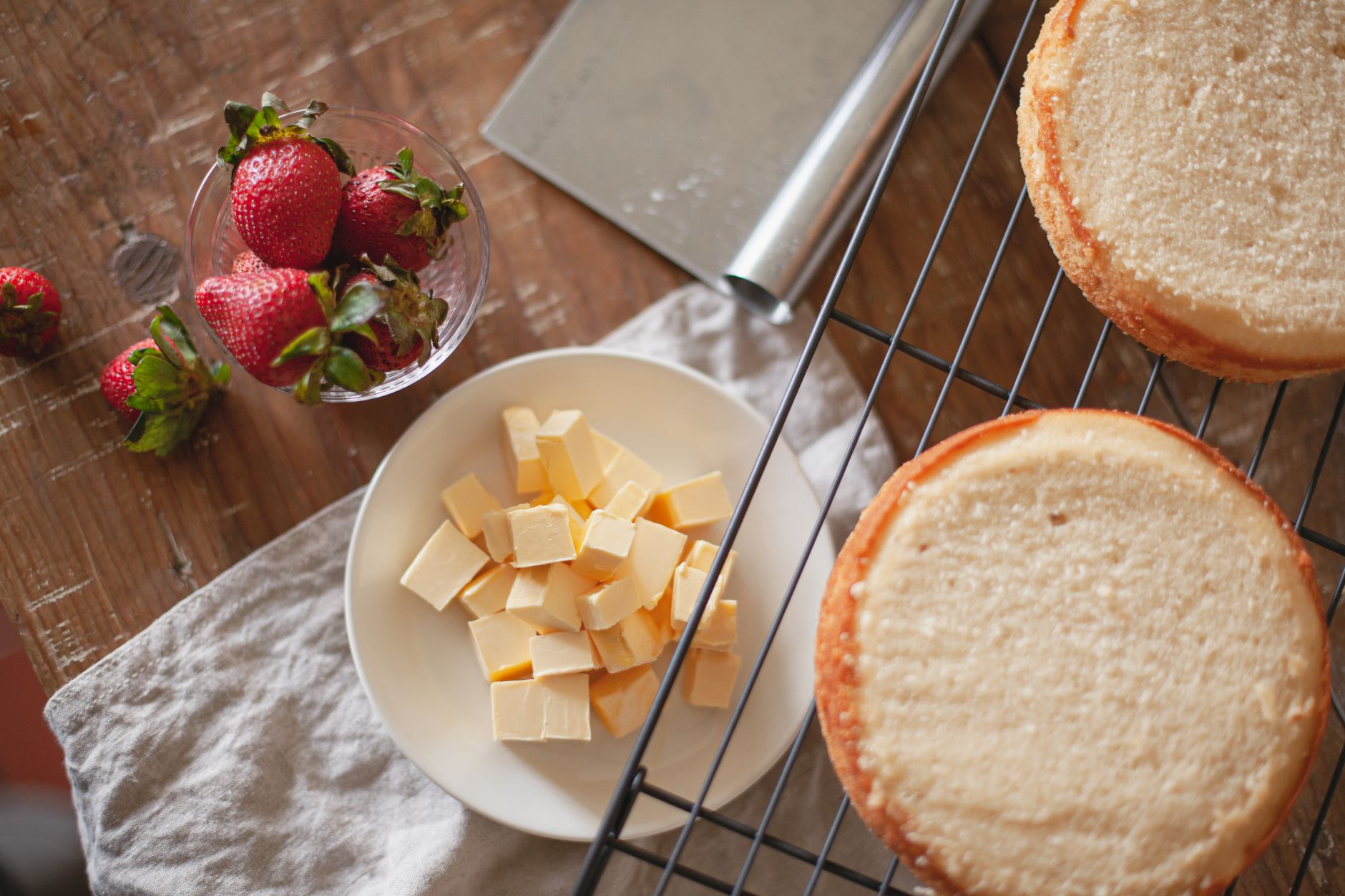
The culinary identity of the Pas valleys centers on the dairy produced in these mountain pastures. Quesada pasiega, a dense pudding made from curdled milk, butter, sugar, and flour, defines the local pantry. Sobao pasiego, a butter-rich sponge cake baked in square shapes, originated in this region to sustain workers. Meat dishes rely on local cattle, typically served as carne de tudanca, a lean beef from the indigenous breed of the Cantabrian mountains. The tradition of slow-cooked stews using beans or seasonal mountain herbs provides the standard meal for those working the high slopes during the colder months.
Cantabria: the whole region
A small region with an unusual amount of everything: a coast of rough Atlantic beaches, the eastern half of the Picos de Europa, the Pas and Liébana valleys, and two of the most important prehistoric and religious sites in Spain in…
Minimum 3 days · better 5-6 days · deep 9 days
In Cantabria


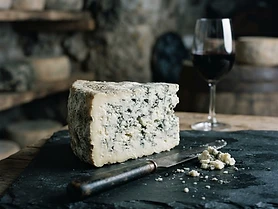

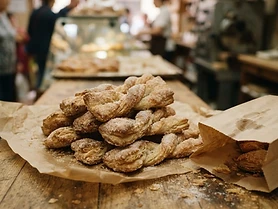
In Cantabria

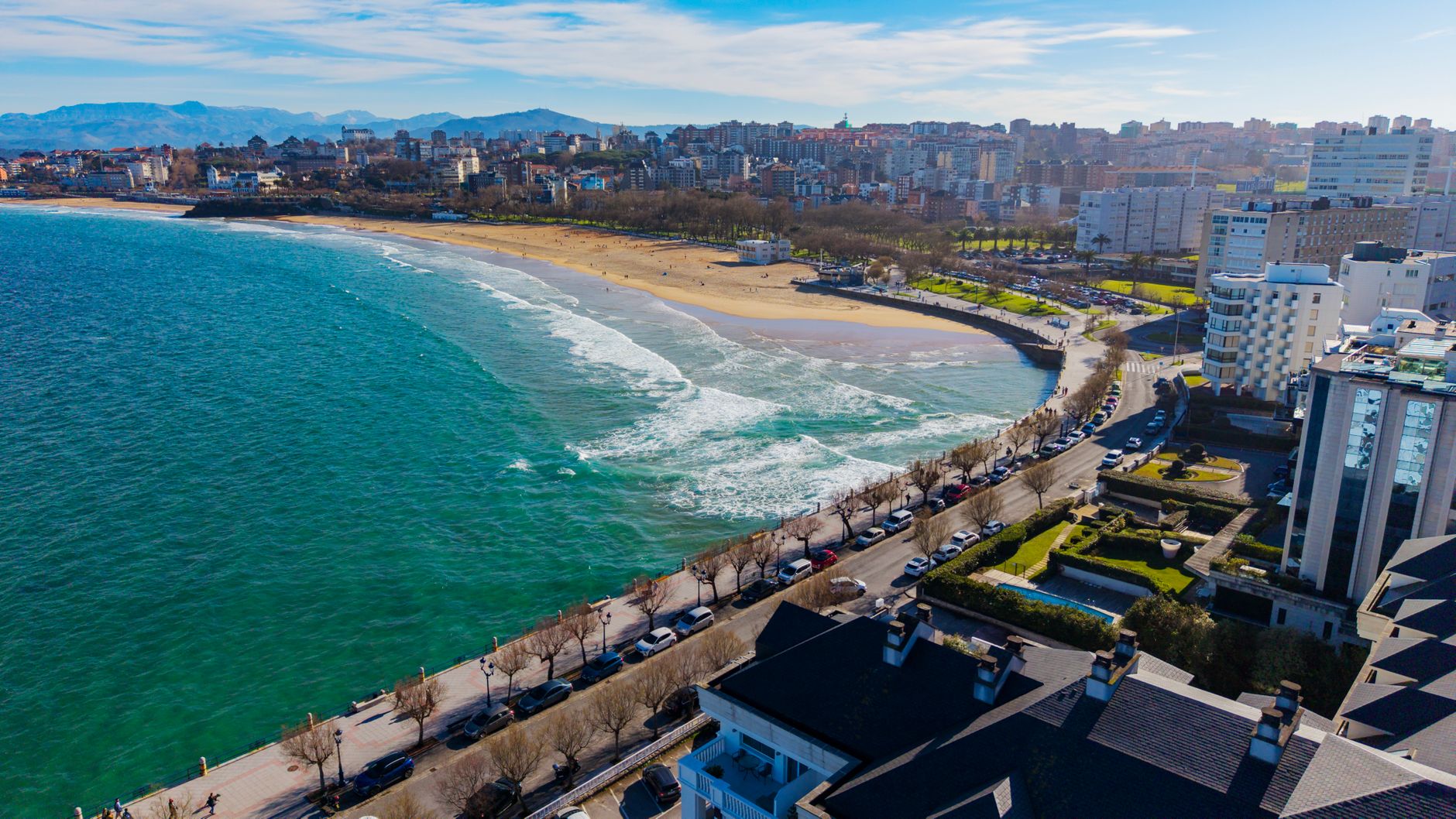

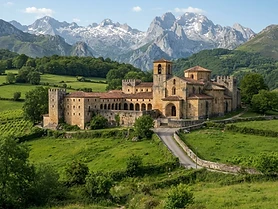

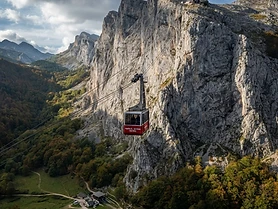


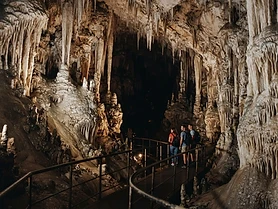

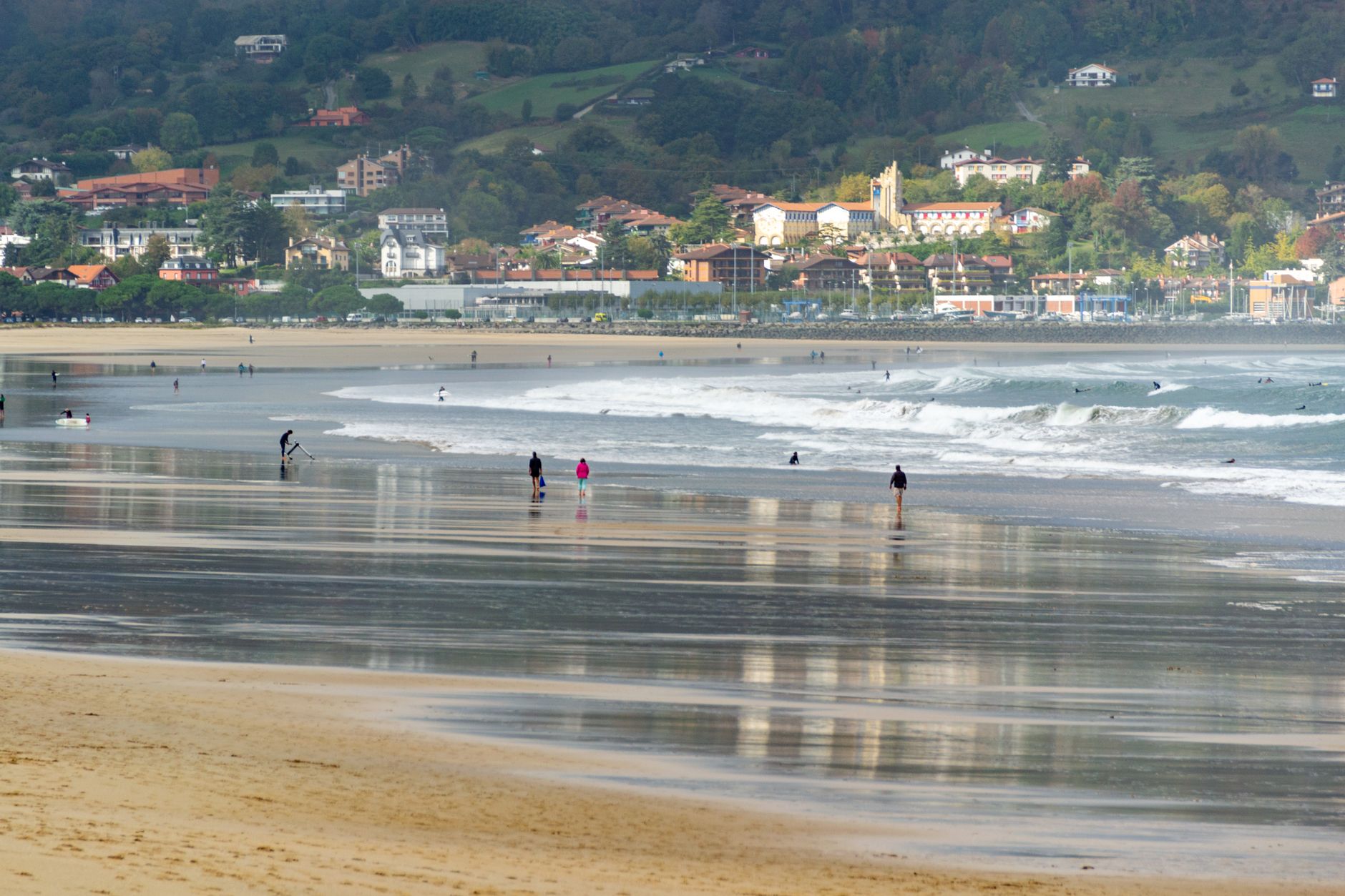

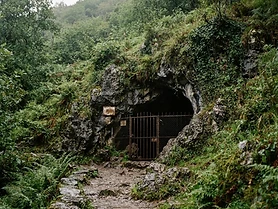

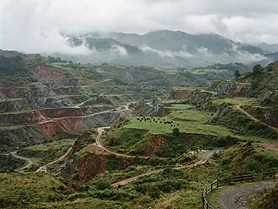

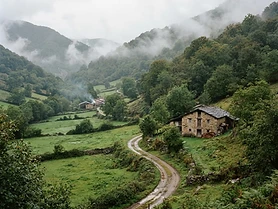



Other Quick Stop in Cantabria

Logistics are verified only. We don't publish schedules we haven't confirmed.
Experiences worth booking ahead
- Hondarribia, San Juan & San Pedro from San Sebastian4.8 (223)4 hrsFrom €55
- Biarritz and the French Coast from San Sebastian or Bilbao4.6 (231)From €79
- Gran Canaria Peaks Full-Day Tour from Las Palmas4.7 (130)8 hrsFrom €55
- Rioja wine tour: winery and traditional lunch from San Sebastian4.9 (59)From €250
Spain Field Guide may earn a commission when you book through selected links. Recommendations are editorial and independent of commission.
Ready to build San Roque de Riomiera into a trip?
You've found a place worth going. When you're ready to turn discovery into an itinerary, Travel Itinerary Co picks up where the Field Guide leaves off — with your saved places already in hand.
Build this into a tripContinues on Travel Itinerary Co
Spain Field Guide may earn a commission when you book through selected links. Recommendations are editorial and independent of commission.