El Capricho de Gaudí
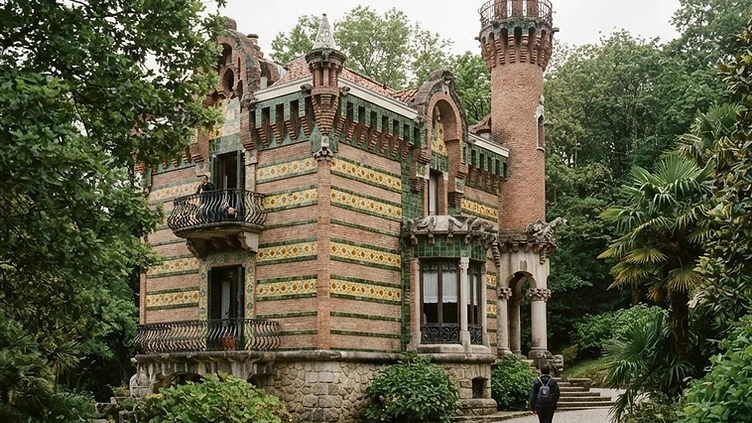
An hour, and booking ahead is essential in summer. Pair it with Sobrellano palace and the village in the same morning.
Gaudí's earliest house outside Catalonia, faced in sunflower tiles — small, odd and entirely of its architect's imagination.
Os Pasiegos · Liébana · Santander · Potes
At a Glance
El Capricho was designed by Gaudí in 1883 for Máximo Díaz de Quijano, a Comillas emigrant returned from Cuba, and is the only Gaudí building in Cantabria. Its tower is faced in sunflower tiles and its ironwork is green, and the interior is small, eccentric and completely restored. Visits are timed and limited, with the garden included.
How it got here
Máximo Díaz de Quijano commissioned this summer villa in 1883. He returned to his hometown of Comillas after building wealth in Cuba, a path taken by many Cantabrians in the nineteenth century. The building marks the early career of Antoni Gaudí, who worked under the patronage of the first Marquess of Comillas. This commission stands as the singular architectural work by Gaudí outside of Catalonia. Its design uses ceramic tiles and ironwork to define the exterior, grounding the structure in the ornamental preferences of the period. The villa stands today as a record of the connection between the colonial wealth of returning emigrants and the avant-garde Catalan architecture of the late nineteenth century.
Where it sits
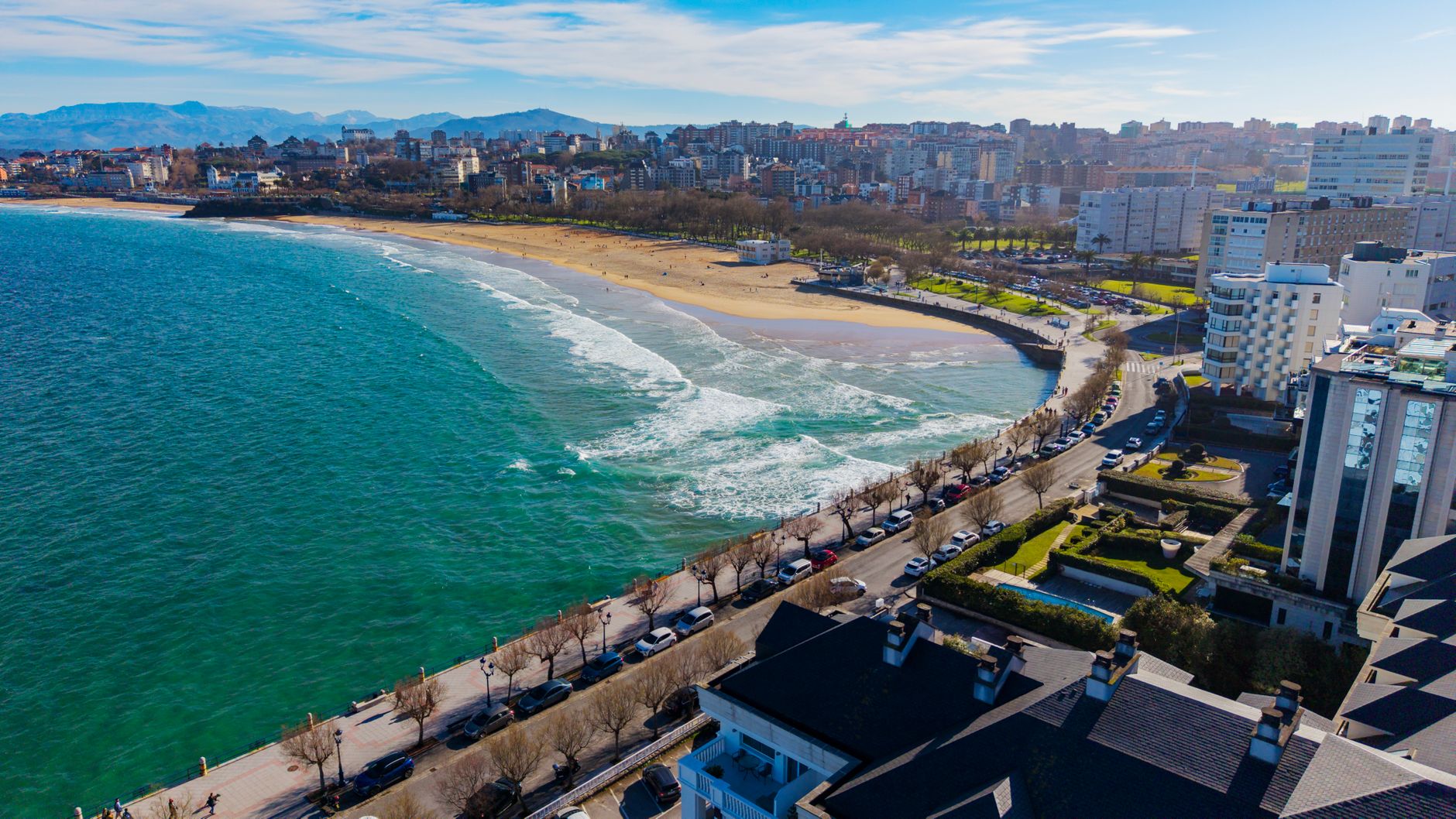
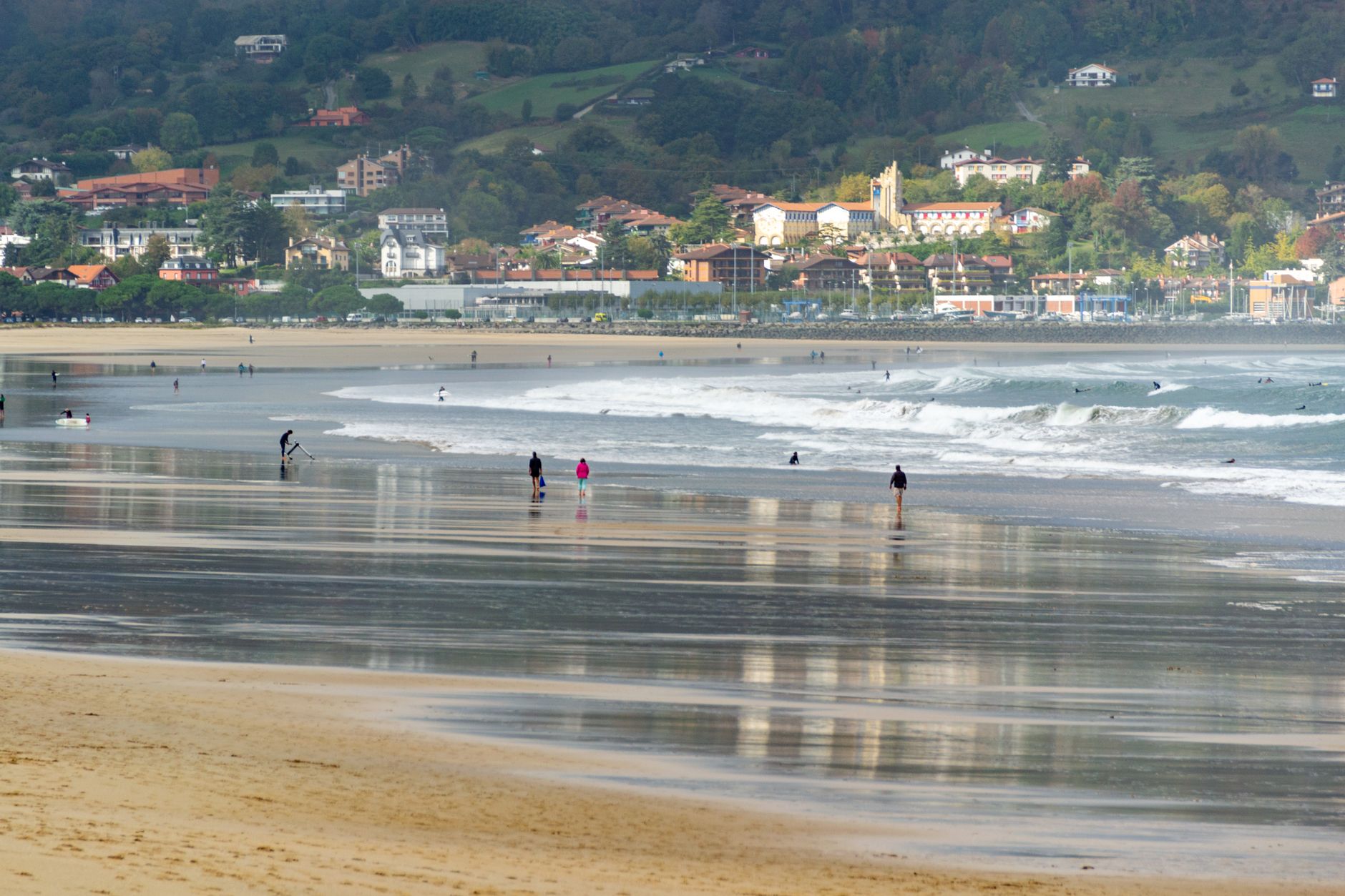
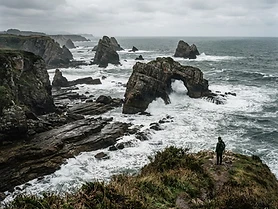
Comillas sits on a low ridge overlooking the Cantabrian Sea. The surrounding coast alternates between rocky cliffs and beaches, backed by the rising slopes of the Picos de Europa further inland. Green pastures define the landscape, kept lush by frequent Atlantic rains. The town stays quiet through the winter months, while summer brings visitors to the coast. Roads wind through these hills, connecting the small fishing ports and agricultural villages that dot the shore. Soft light and maritime mist often shroud the villa, muting the brightness of its ceramic sunflowers against the grey sky of a typical Cantabrian afternoon.
What to eat and drink
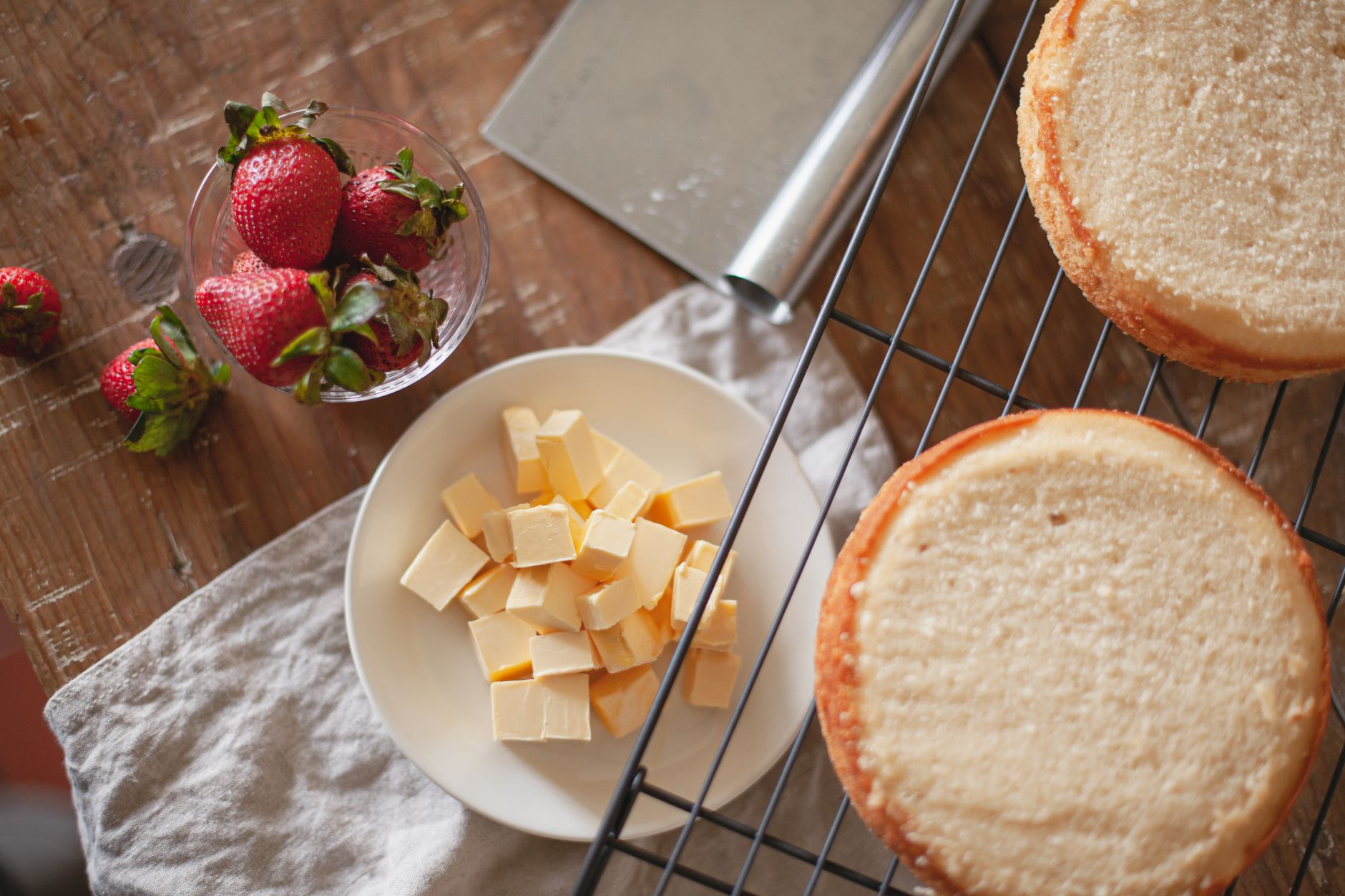
Cantabrian cuisine revolves around the sea and the green pastures of the interior. Sorropotún, a thick tuna stew with potatoes and onions, provides a staple of local coastal cooking. In the mountain villages, cocido montañés remains the primary dish, combining white beans, cabbage, and pork products like chorizo and morcilla. Fresh anchovies from the Bay of Biscay hold deep cultural importance, prepared simply with olive oil. For dessert, sobaos pasiegos offer a dense, butter-rich sponge cake originating from the nearby Pas valley, paired with a glass of local cider, the traditional drink of the northern coast.
Cantabria: the whole region
A small region with an unusual amount of everything: a coast of rough Atlantic beaches, the eastern half of the Picos de Europa, the Pas and Liébana valleys, and two of the most important prehistoric and religious sites in Spain in…
Minimum 3 days · better 5-6 days · deep 9 days
In Cantabria



In Cantabria











Logistics are verified only. We don't publish schedules we haven't confirmed.
Experiences worth booking ahead
- Comillas, Modernism & Gaudi with entrance tickets -small groups4.7 (52)5 hrsFrom €65
- Mallorca in One Day Sightseeing Tour with Boat Ride and Vintage Train4.2 (1,212)9 hrsFrom €99
- Santillana, Altamira, Comillas & San Vicente de la B. Guided Tour4.6 (14)9 hrsFrom €87
- Visit to the mansion of the Duke of Almodóvar del Río in Comillas5.0 (1)1 hrsFrom €11
Spain Field Guide may earn a commission when you book through selected links. Recommendations are editorial and independent of commission.
Ready to build El Capricho de Gaudí into a trip?
You've found a place worth going. When you're ready to turn discovery into an itinerary, Travel Itinerary Co picks up where the Field Guide leaves off — with your saved places already in hand.
Build this into a tripContinues on Travel Itinerary Co
Spain Field Guide may earn a commission when you book through selected links. Recommendations are editorial and independent of commission.