Comillas
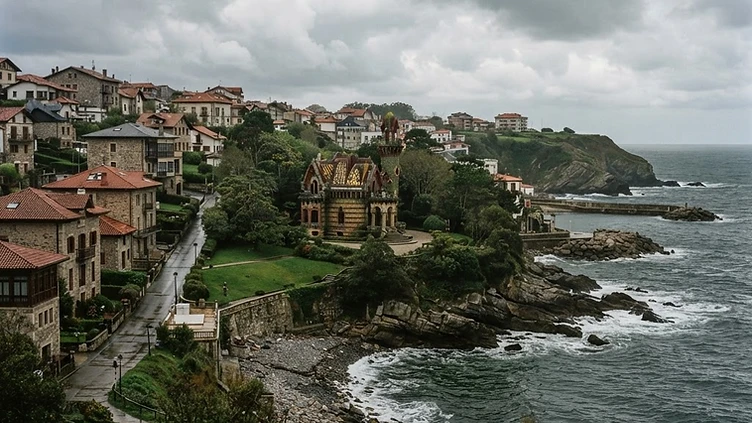
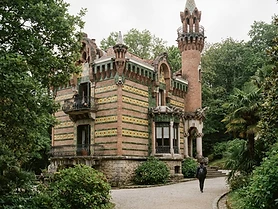
Half a day for El Capricho, Sobrellano and the university, all within a short walk. Book El Capricho in summer; it caps entry.
Gaudí, Domènech and Catalan modernism in a Cantabrian fishing village — the least likely concentration of architecture on the north coast.
At a Glance
Comillas made its money from emigrants who returned rich from the Americas in the late 19th century, and spent it on buildings: Gaudí's El Capricho, the Sobrellano palace by Joan Martorell and Domènech i Montaner, and the Pontifical University on the hill above the sea. The old town is small and the beach below the village is sheltered.
How it got here
Cantabria grew through the wealth of the Indianos, the emigrants who returned from the Americas during the nineteenth century with fortunes that fundamentally altered the coast. Comillas became a primary beneficiary of this influx, as local families commissioned architects from Catalonia to build grand residences that broke from the traditional stone vernacular. The presence of Gaudí and Martorell in this fishing port redirected the local architectural identity, transforming a modest coastal settlement into a site of modernist experimentation. This period of rapid expansion established a permanent connection between the local landscape and late nineteenth-century industrial prosperity, marking a departure from the agrarian and maritime livelihoods that defined the rest of the province.
Where it sits
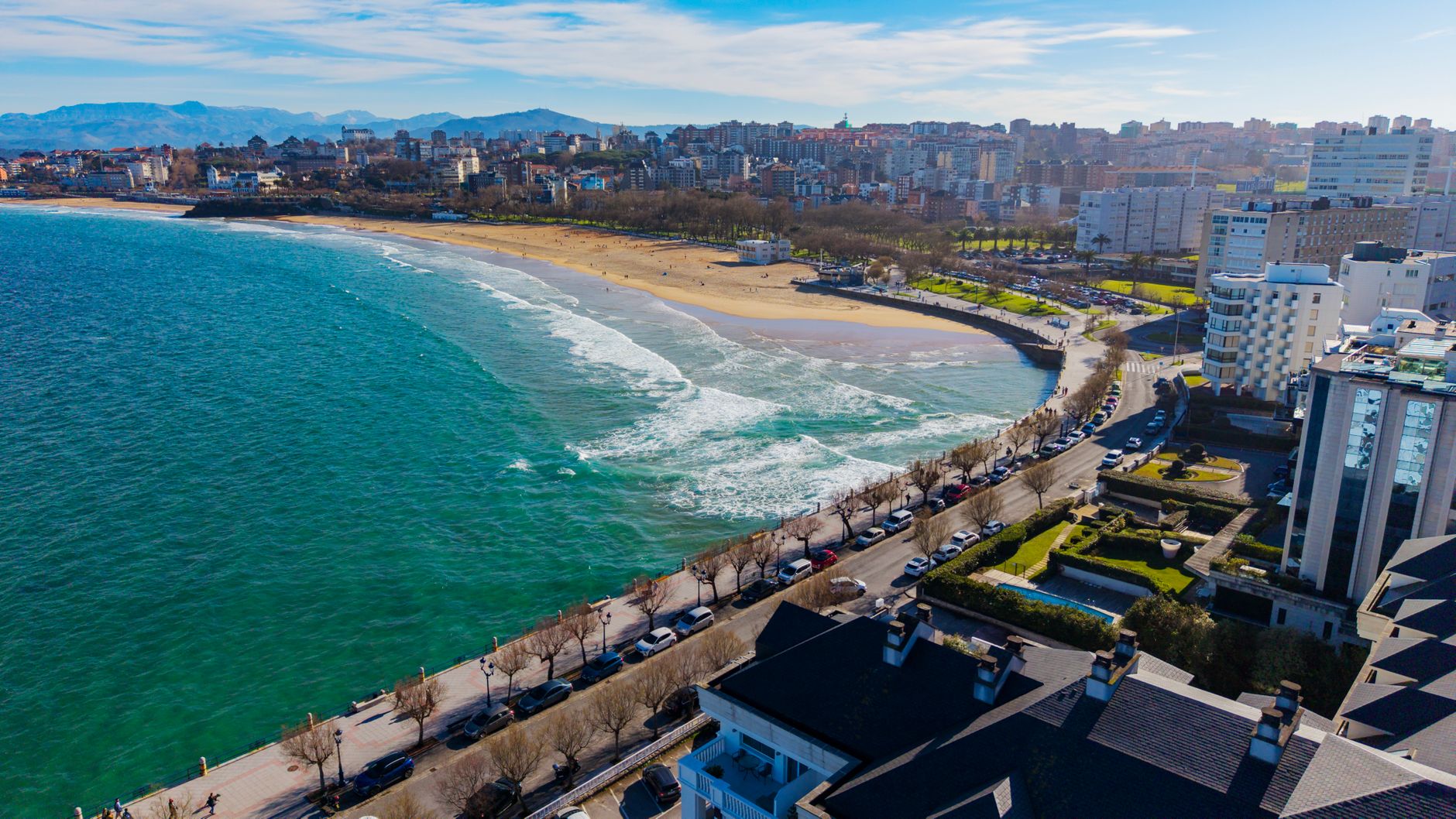
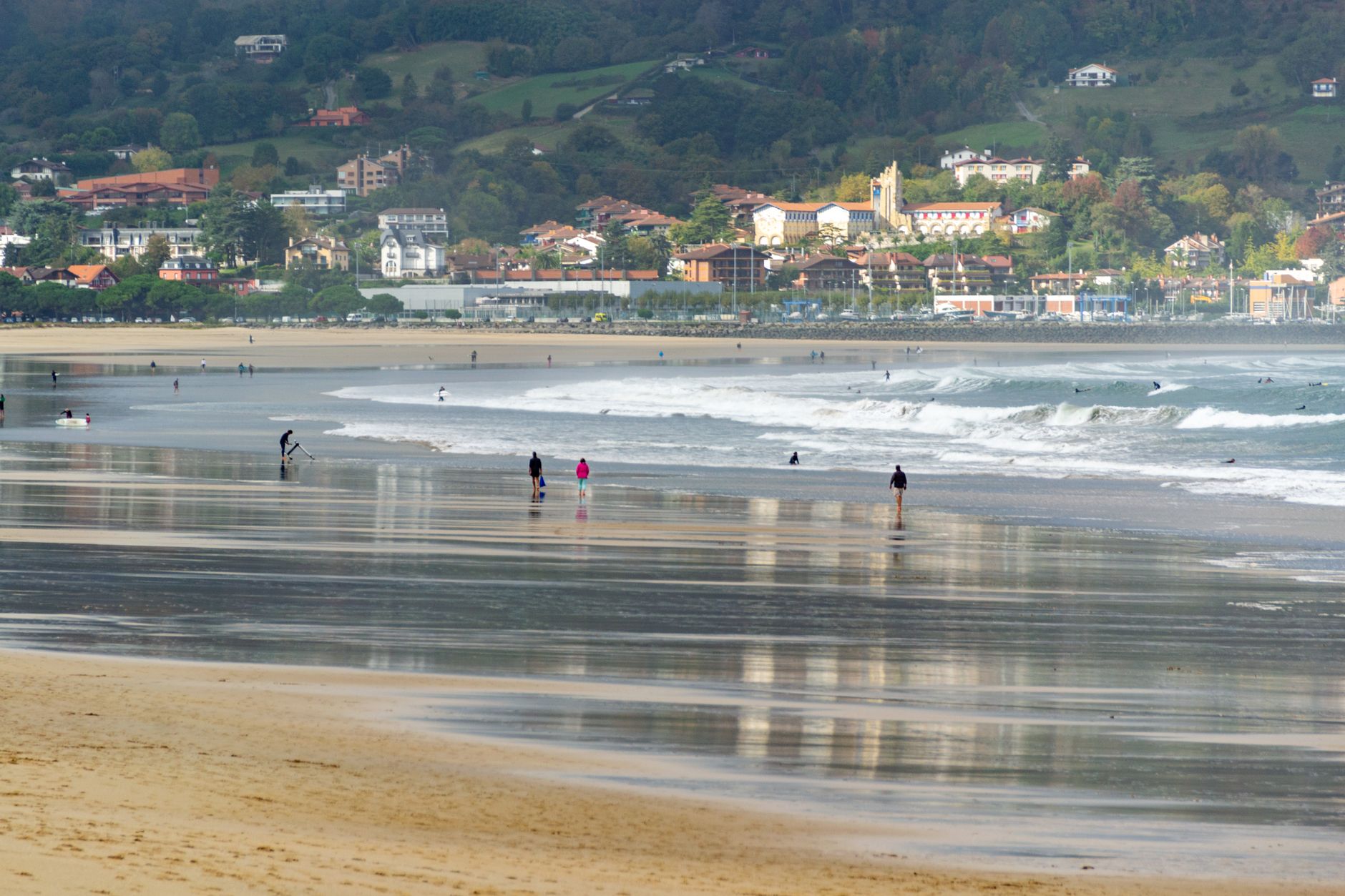
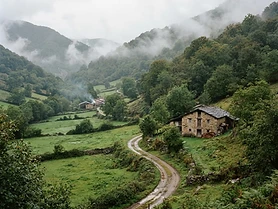
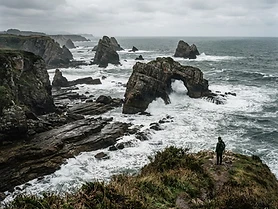
The village overlooks the Cantabrian Sea, grounded on a cliff edge that defines its northern boundary. Rolling green pastures back the town, extending into the foothills of the Picos de Europa. Summer months bring sea mists that soften the light against the white facades of the old quarter. Roads winding along the coastline provide the primary access, cutting through thickets of eucalyptus and oak. While the harbor retains a maritime character, the landscape shifts between narrow, cobbled streets and the expansive, sheltered sand of the nearby beach. The rhythm of the place slows once the August heat dissipates and the damp winters arrive from the bay.
What to eat and drink
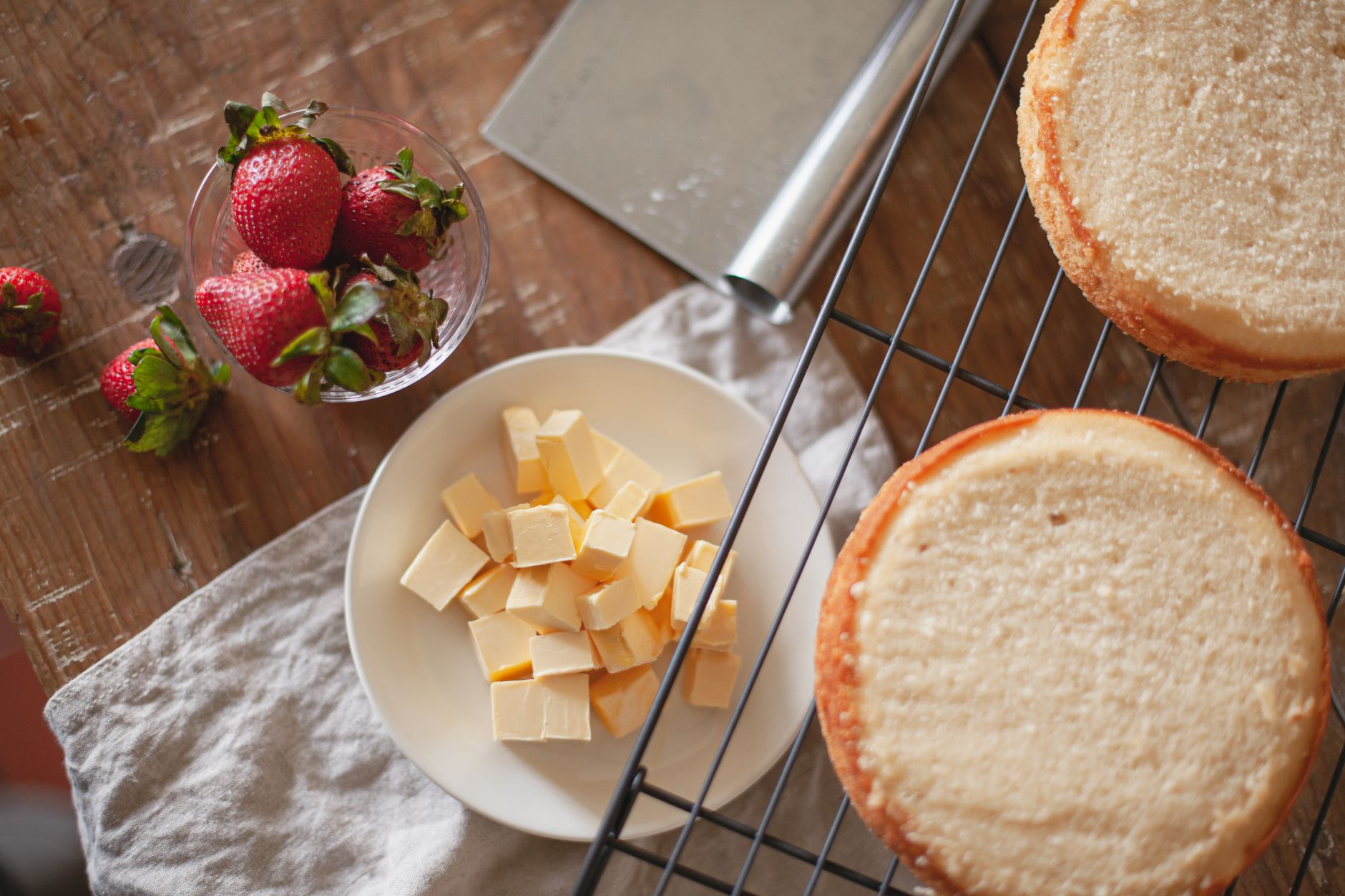
Cantabrian cuisine draws directly from the Cantabrian Sea and the mountain pastures behind the coast. The local staple is marmita de bonito, a hearty stew of tuna, potatoes, peppers, and onion prepared by fishermen. Anchovies from the nearby ports remain the essential preserved product of the province, cured in salt and oil. For those seeking mountain produce, sobaos pasiegos offer a dense, buttery sponge cake that originated in the inland valleys. Meals often conclude with a glass of orujo, a potent grape pomace spirit distilled in the rural highlands, which provides a sharp contrast to the persistent humidity of the coast.
Cantabria: the whole region
A small region with an unusual amount of everything: a coast of rough Atlantic beaches, the eastern half of the Picos de Europa, the Pas and Liébana valleys, and two of the most important prehistoric and religious sites in Spain in…
Minimum 3 days · better 5-6 days · deep 9 days

In Cantabria



In Cantabria











Logistics are verified only. We don't publish schedules we haven't confirmed.
Experiences worth booking ahead
- Comillas, Modernism & Gaudi with entrance tickets -small groups4.7 (52)5 hrsFrom €65
- Mallorca in One Day Sightseeing Tour with Boat Ride and Vintage Train4.2 (1,212)9 hrsFrom €99
- Santillana, Altamira, Comillas & San Vicente de la B. Guided Tour4.6 (14)9 hrsFrom €87
- Visit to the mansion of the Duke of Almodóvar del Río in Comillas5.0 (1)1 hrsFrom €11
Spain Field Guide may earn a commission when you book through selected links. Recommendations are editorial and independent of commission.
Ready to build Comillas into a trip?
You've found a place worth going. When you're ready to turn discovery into an itinerary, Travel Itinerary Co picks up where the Field Guide leaves off — with your saved places already in hand.
Build this into a tripContinues on Travel Itinerary Co
Spain Field Guide may earn a commission when you book through selected links. Recommendations are editorial and independent of commission.