Cueva de El Castillo
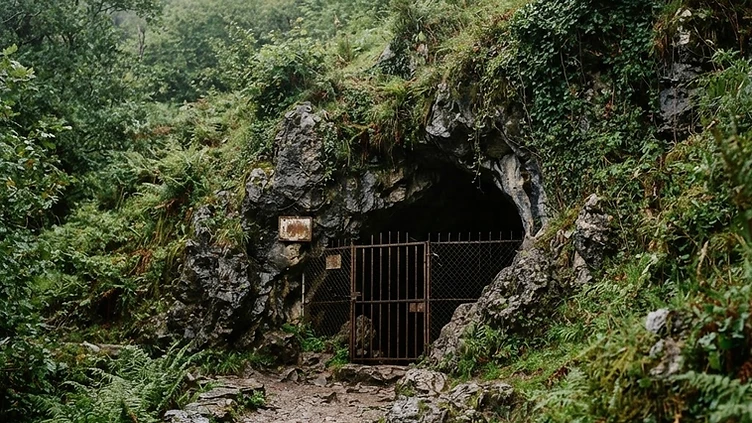
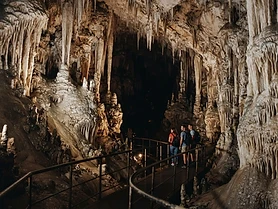
Two hours, and you must book: numbers are capped to protect the walls, and the neighbouring cave Las Monedas is often easier to get into.
The oldest known cave painting in Europe, on a hill above the Pas valley — Neanderthal art, dated to more than 64,000 years ago.
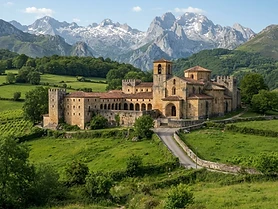
Os Pasiegos · Liébana · Santander · Potes
At a Glance
El Castillo is one of the caves on Monte Castillo above Puente Viesgo, occupied for more than a hundred thousand years and painted through its upper layers. A red disc in the Cave of the Hands here has been dated to over 64,000 years ago, making it the oldest reliably dated cave art known, and the work of Neanderthals. Visits are strictly limited and by booking.
How it got here
Upper Paleolithic humans used these galleries for tens of thousands of years, leaving behind hand stencils and animal depictions that chronicle early human cognition. Excavations begun by Hermilio Alcalde del Río in the early twentieth century revealed a stratigraphic sequence that spans from the Mousterian to the Bronze Age. These layers demonstrate a long succession of habitation where groups returned to the site for rituals and shelter. The cave provides a record of how populations transitioned through environmental shifts while maintaining a connection to this limestone massif. Modern research on the calcite crusts covering the pigments pushed the origins of these works into the Neanderthal period, changing academic understanding of prehistoric artistic capabilities.
Where it sits
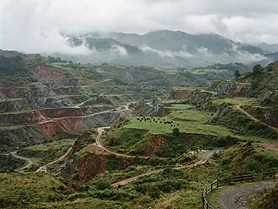
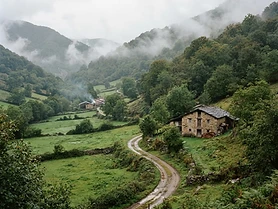
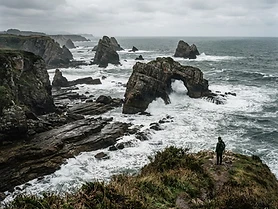
Monte Castillo rises above the Pas river valley, a landscape of wet Cantabrian meadows and dense oak forests. The limestone ridge sits near the village of Puente Viesgo, where the valley floor widens before the terrain rises sharply toward the Cantabrian mountains. Moisture from the Bay of Biscay keeps the slopes green throughout the year and turns the paths to mud during the frequent winter rains. Spring brings a thick mist that clings to the crags, while summer heat remains tempered by the altitude and the shade of the valley. Narrow winding roads connect these isolated limestone outcrops to the coastal plains.
What to eat and drink
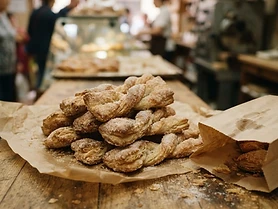
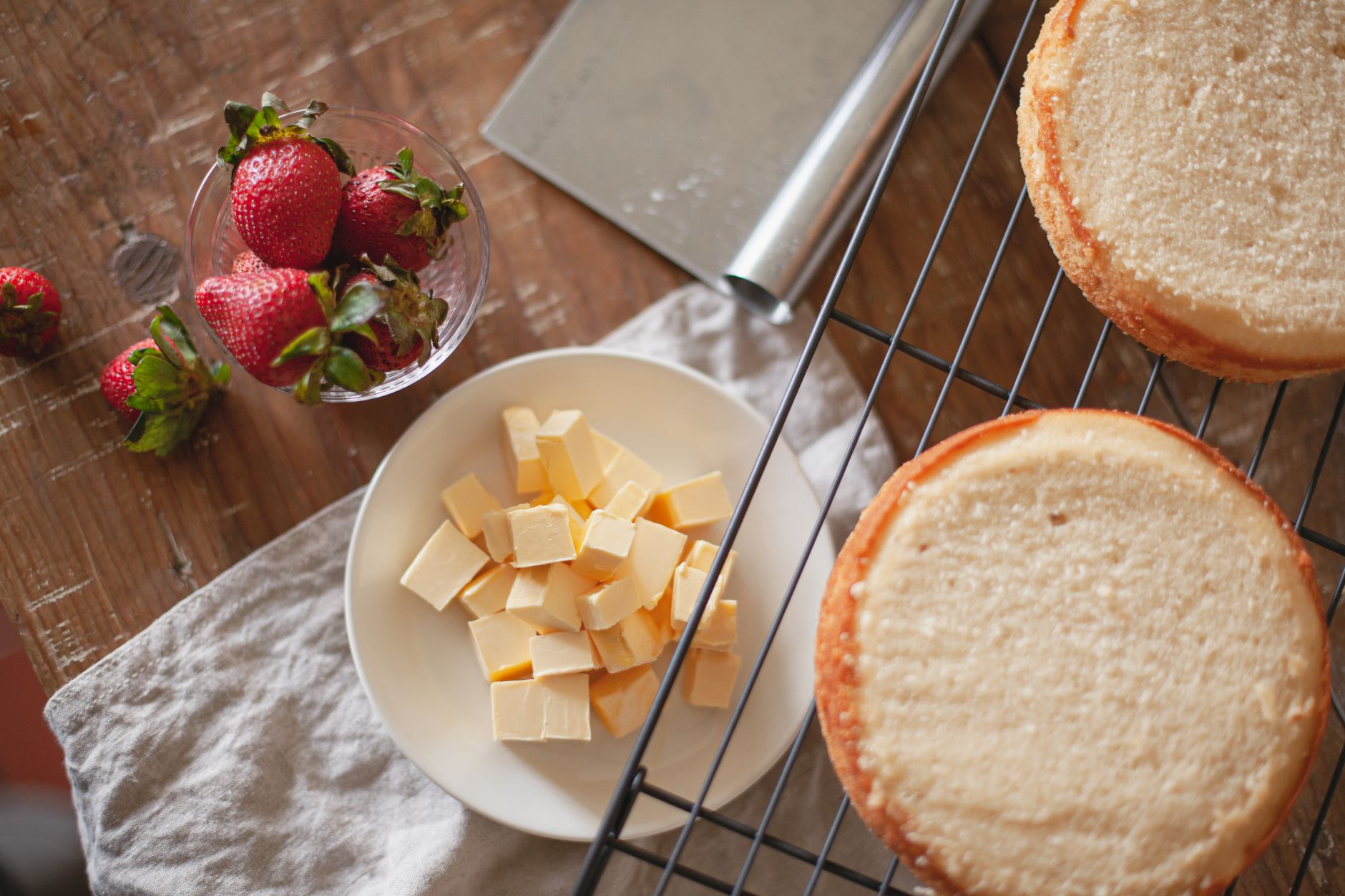
Cantabria relies on the Cantabrian Sea and its mountain pastures. Cocido montañés, a heavy stew of white beans, collard greens, chorizo, and pork belly, provides the necessary fuel for this climate. Fresh anchovies from the coast, cured in olive oil or salted, appear on most tables. For dessert, sobaos pasiegos offer a dense, butter-rich sponge cake born from the local dairy tradition. Drink cider, which is poured from a height to aerate the fermented apple juice, or a glass of wine from the nearby Liébana valley where grapes ripen in the sheltered mountain microclimates.
Cantabria: the whole region
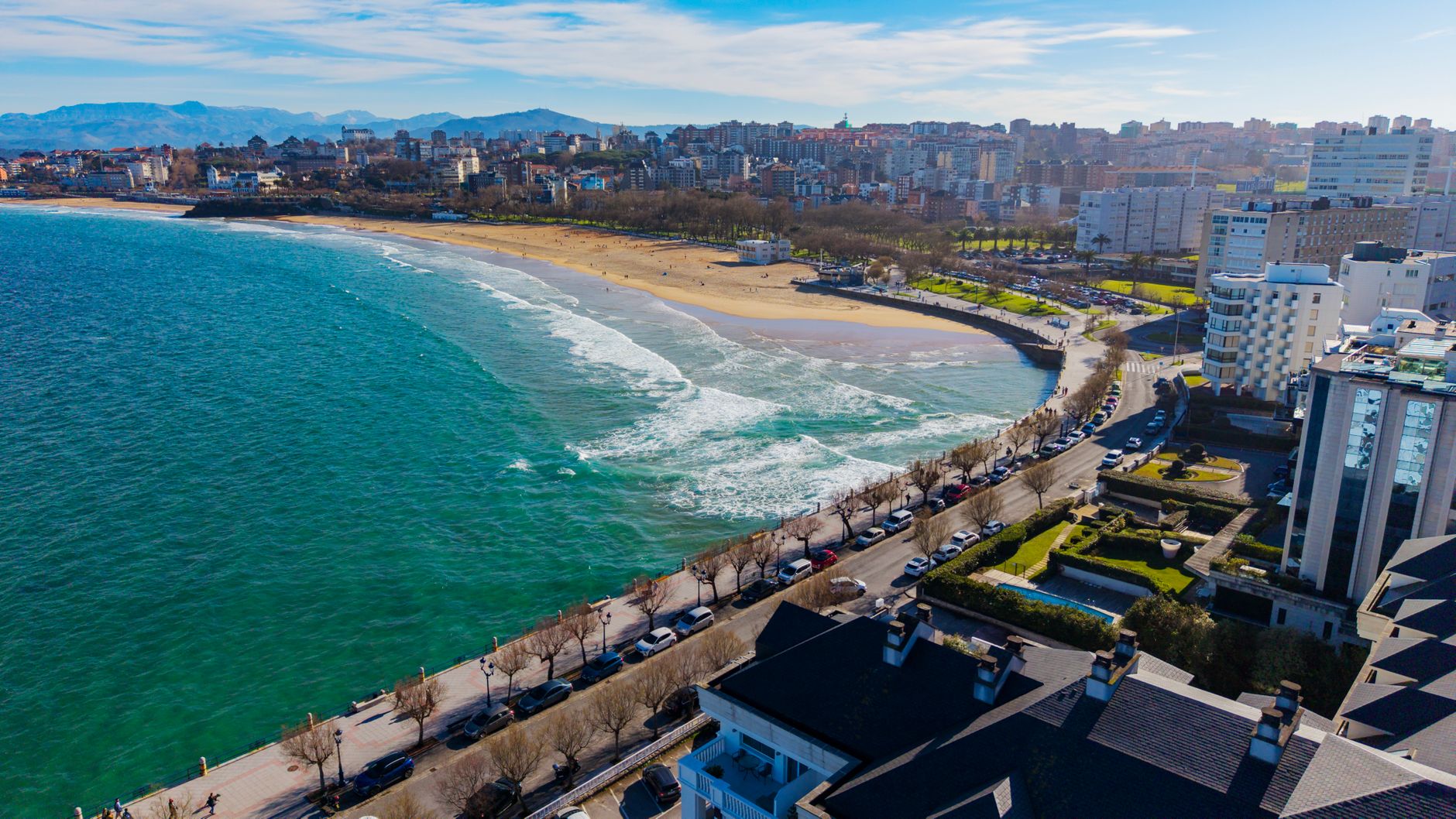
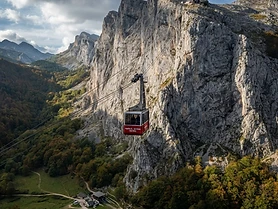
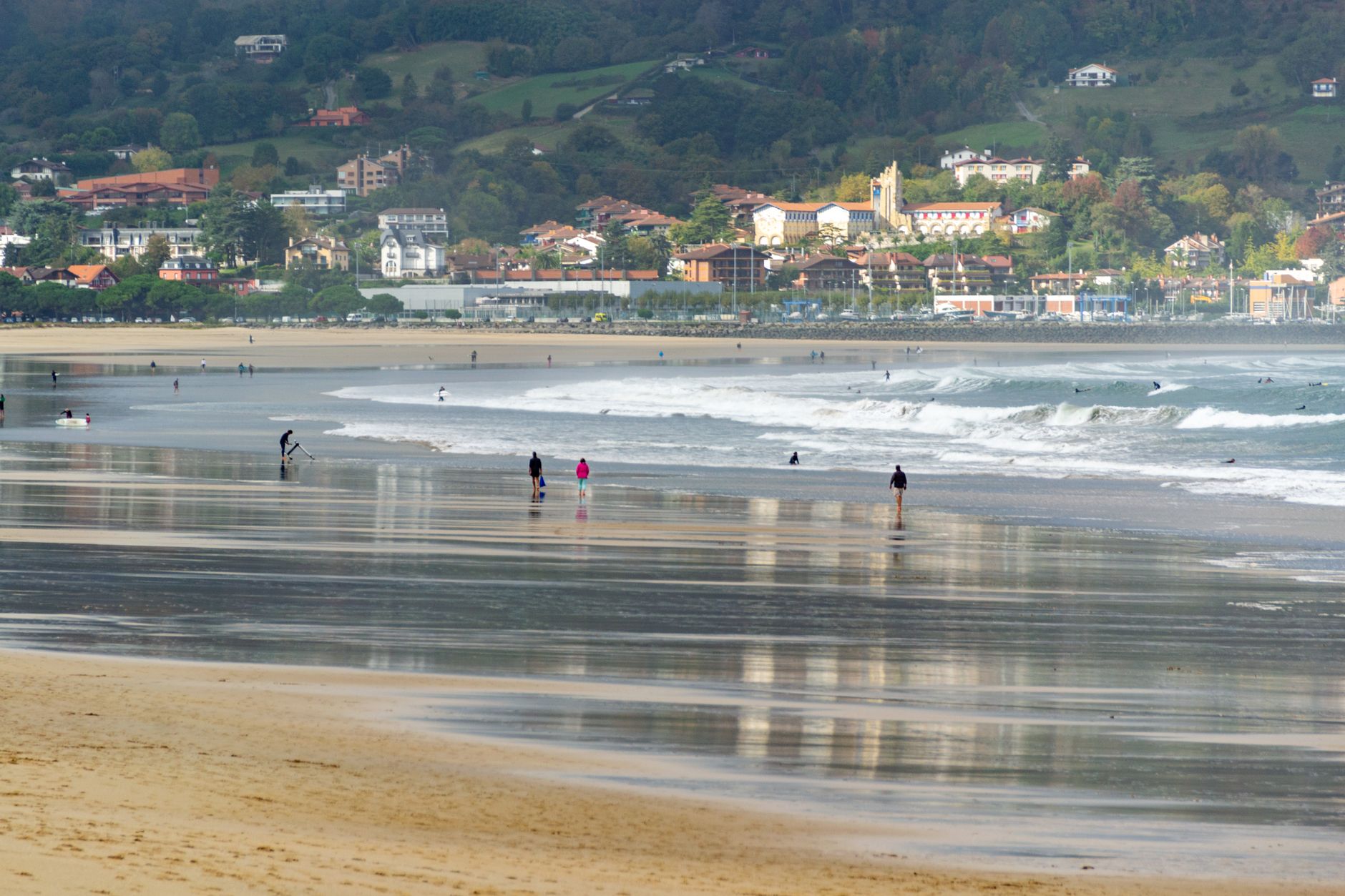
A small region with an unusual amount of everything: a coast of rough Atlantic beaches, the eastern half of the Picos de Europa, the Pas and Liébana valleys, and two of the most important prehistoric and religious sites in Spain in…
Minimum 3 days · better 5-6 days · deep 9 days
In Cantabria


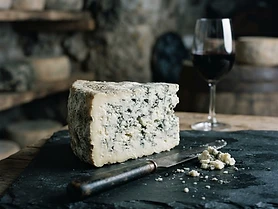

In Cantabria











Logistics are verified only. We don't publish schedules we haven't confirmed.
Ready to build Cueva de El Castillo into a trip?
You've found a place worth going. When you're ready to turn discovery into an itinerary, Travel Itinerary Co picks up where the Field Guide leaves off — with your saved places already in hand.
Build this into a tripContinues on Travel Itinerary Co
Spain Field Guide may earn a commission when you book through selected links. Recommendations are editorial and independent of commission.