San Pedro del Romeral
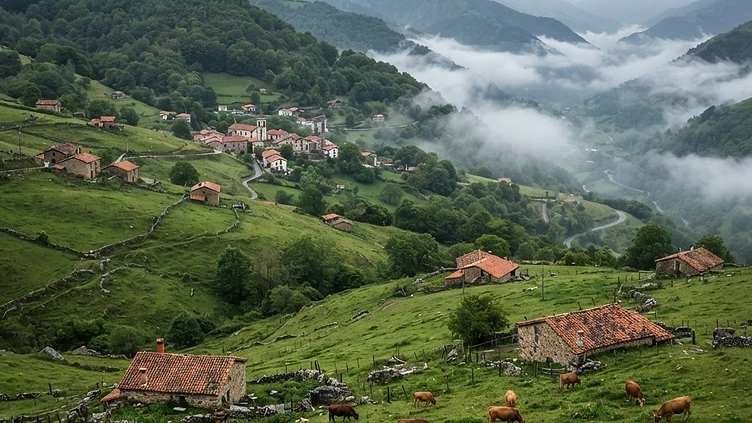
Worth the detour if you are already in the Pas valley. Add two hours for the drive and a walk.
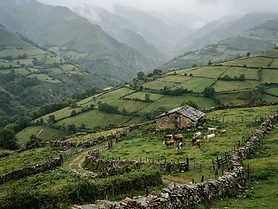
The most enclosed of the Pasiego valleys, with the pasture architecture intact on the climb.
Os Pasiegos · Liébana · Santander · Potes
At a Glance
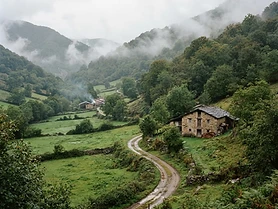
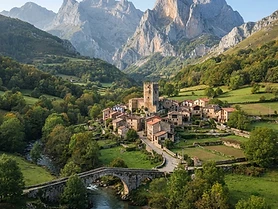
San Pedro del Romeral sits at the top of its own valley, reached by a single road that climbs through walled fields and ends in the village. It is the highest and most isolated of the three Pasiego settlements, and the cabañas and pastures on the way up are better than the village itself. There is a bar, a church and a strong sense of a place that has kept its own rules. Walk up to the summer pastures if the weather allows.
How it got here
The history of San Pedro del Romeral binds it to the nomadic cycle of the Pasiego people. For centuries, these families moved between low valley dwellings and high mountain huts called cabañas to graze livestock. This seasonal movement required a degree of autonomy that kept the village outside the reach of formal feudal control for generations. Its culture developed in isolation within the Valles Pasiegos where independent homesteads replaced the traditional clustered village structure common elsewhere in Spain. This lack of centralized oversight fostered a distinct social character that prioritized mountain rights and communal pasture management over rigid regional administrative rule.
Where it sits
The village claims the head of the Pas valley, a deep green corridor carved into the northern face of the Cantabrian mountains. The road terminates here after winding through slopes partitioned by dry stone walls and dotted with limestone huts. In spring the landscape turns an intense shade of wet green, while winter snows frequently cut access to the higher summer pastures. The village itself stands on a high shelf overlooking the valley floor. Mist frequently clings to the ridge lines, keeping the air cool even during the warmest months of the year.
What to eat and drink
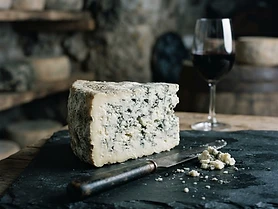
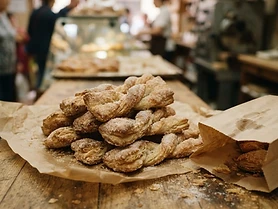
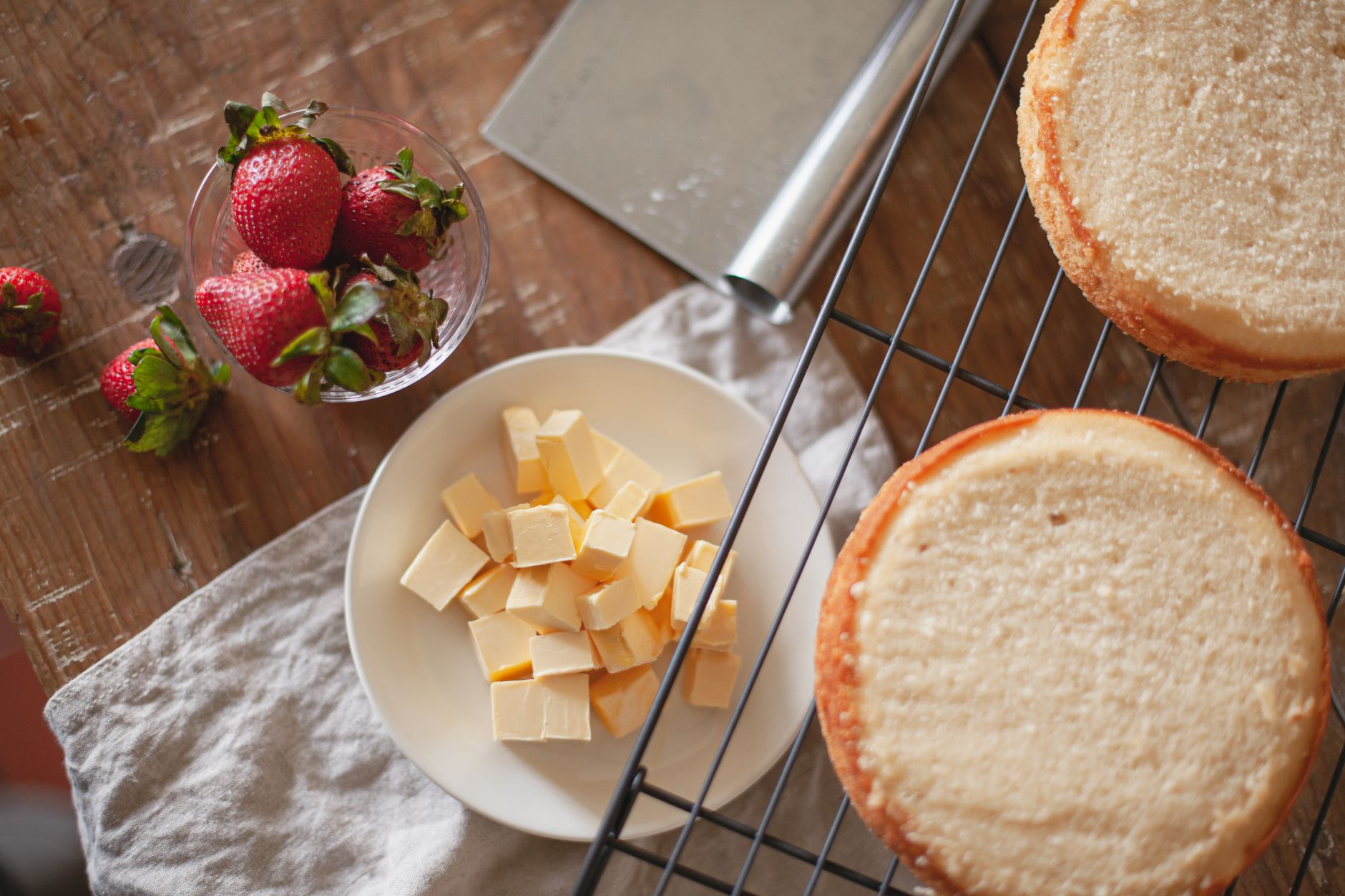
Cooking here revolves around the dairy and the mountain. Quesada pasiega, a dense pudding of fresh cow curd, sugar, flour, butter, and cinnamon, defines the local pantry. Sobao pasiego, a butter-rich sponge cake traditionally made with high-fat mountain milk, serves as the standard accompaniment to coffee. Meat dishes rely on local veal or mutton cooked simply in heavy pots to sustain the mountain climate. Fresh cheese from the surrounding valley pastures provides the foundation for most meals. Hard mountain cider or local white wines from the wider Cantabrian coast usually accompany the midday meal.
Cantabria: the whole region
A small region with an unusual amount of everything: a coast of rough Atlantic beaches, the eastern half of the Picos de Europa, the Pas and Liébana valleys, and two of the most important prehistoric and religious sites in Spain in…
Minimum 3 days · better 5-6 days · deep 9 days
In Cantabria



In Cantabria










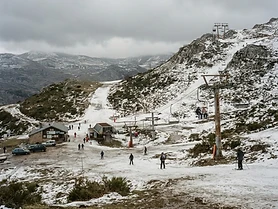

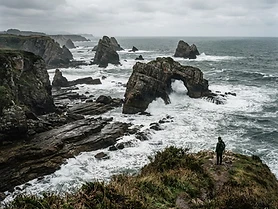

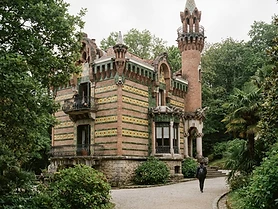
Other Worth a Detour in Cantabria





Logistics are verified only. We don't publish schedules we haven't confirmed.
Experiences worth booking ahead
Spain Field Guide may earn a commission when you book through selected links. Recommendations are editorial and independent of commission.
Ready to build San Pedro del Romeral into a trip?
You've found a place worth going. When you're ready to turn discovery into an itinerary, Travel Itinerary Co picks up where the Field Guide leaves off — with your saved places already in hand.
Build this into a tripContinues on Travel Itinerary Co
Spain Field Guide may earn a commission when you book through selected links. Recommendations are editorial and independent of commission.