Castro Urdiales
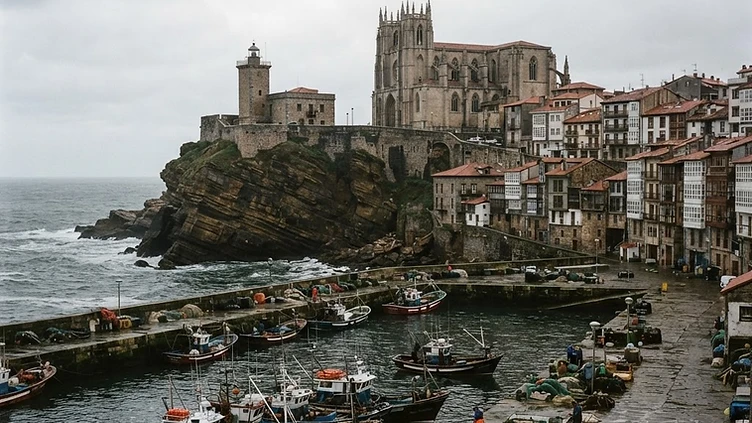
Half a day, and an easy stop on the coast road or the Camino. The old town takes an hour, the promenade another.
A Gothic church and a lighthouse inside a castle, on a bay at the eastern end of Cantabria — three centuries of building on one small headland.
Os Pasiegos · Liébana · Santander · Potes
At a Glance
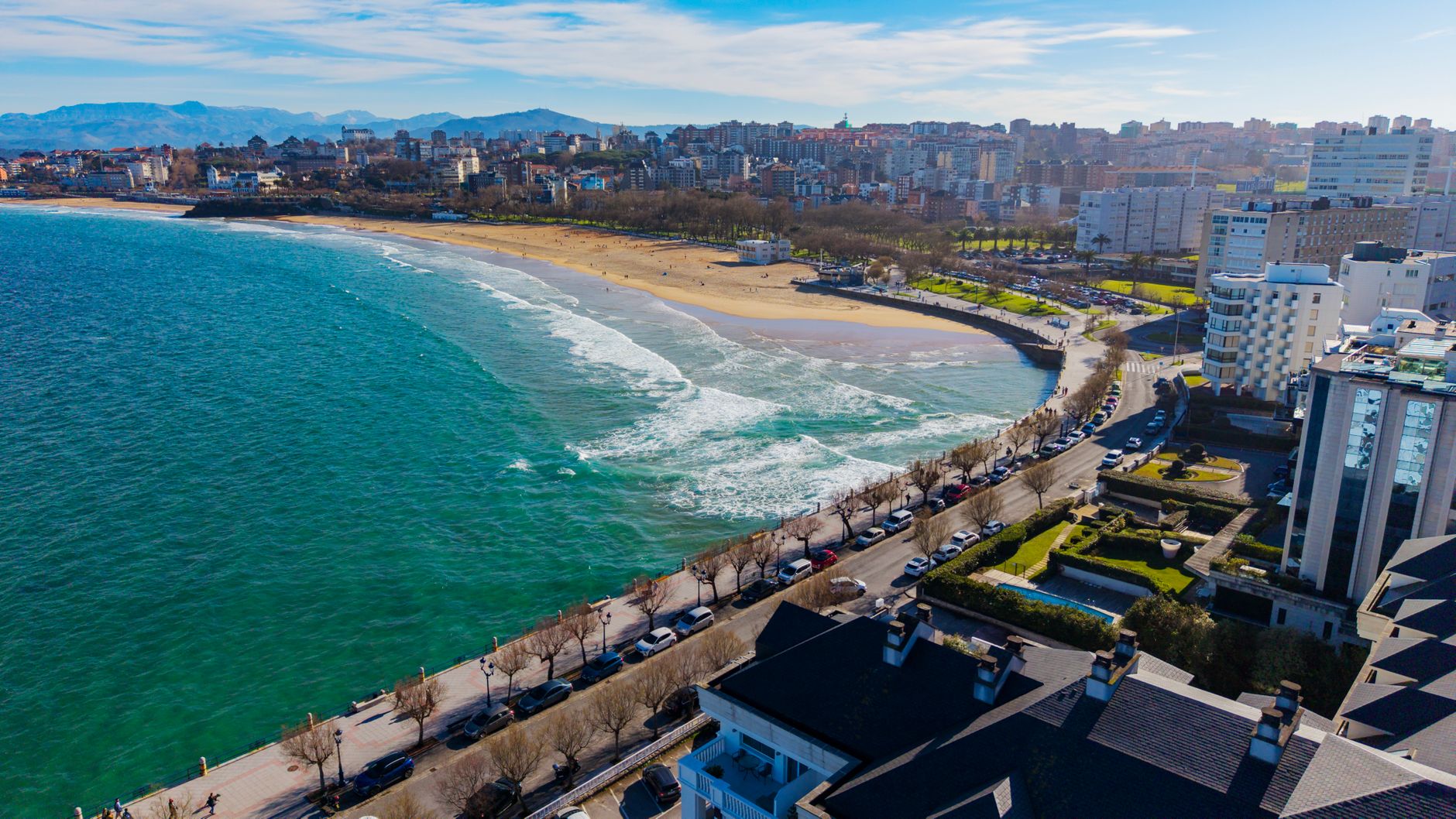
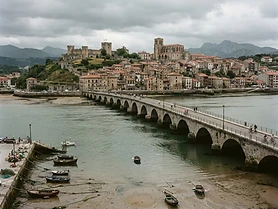
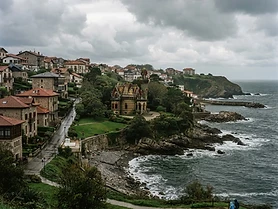
Castro Urdiales is the last town of Cantabria before the Basque Country, built around a small bay with the church of Santa María de la Asunción above it — a Gothic parish of considerable size for a town this small, with a Flemish altarpiece. The castle of Santa Ana stands on the point with a lighthouse built into it, and the Camino del Norte passes through.
How it got here
Flavius Flaviobriga occupied this coastal inlet under the Romans as a strategic port for northern trade routes. Later growth centered on the medieval maritime industry where whale hunting and iron shipping defined the local economy. The town became a royal grant in the twelfth century when Alfonso VIII of Castile recognized its importance in connecting the inland plateau to the Bay of Biscay. The fire of 1813 destroyed much of the original medieval fabric yet the Gothic church of Santa María de la Asunción survived on the cliff edge. This architecture persists as a witness to the wealth the town gathered through medieval seafaring and its long relationship with the Cantabrian Sea.
Where it sits
The town clings to the narrow limestone coast where the Cantabrian mountains terminate abruptly in the sea. This landscape consists of steep cliffs and coves defined by constant moisture and maritime winds. The road from the Basque border descends toward the harbor through green pastures and dense eucalyptus groves. Summer brings crowds from the regional interior looking for the protected waters of the main beach while winter dampness keeps the streets quiet and grey. Salt spray covers the stone walls and the harbor tide dictates the rhythm of the port regardless of the passing seasons.
What to eat and drink
The local kitchen relies on the daily catch from the bay. Anchovies from the Cantabrian sea, preserved in oil, define the regional appetizer. Marmitako, a stew of tuna, potatoes, peppers and onions, provides a meal that originated on fishing boats at sea. Fresh hake appears on tables fried or cooked in a simple parsley sauce. The region produces cider, a tart and cloudy apple ferment poured from a height to aerate the liquid. Sobaos pasiegos, dense butter cakes made with heavy cream, provide a traditional end to the meal alongside the local coffee.
Cantabria: the whole region
A small region with an unusual amount of everything: a coast of rough Atlantic beaches, the eastern half of the Picos de Europa, the Pas and Liébana valleys, and two of the most important prehistoric and religious sites in Spain in…
Minimum 3 days · better 5-6 days · deep 9 days
In Cantabria



In Cantabria












Other Worth a Detour in Cantabria





Logistics are verified only. We don't publish schedules we haven't confirmed.
Experiences worth booking ahead
Spain Field Guide may earn a commission when you book through selected links. Recommendations are editorial and independent of commission.
Ready to build Castro Urdiales into a trip?
You've found a place worth going. When you're ready to turn discovery into an itinerary, Travel Itinerary Co picks up where the Field Guide leaves off — with your saved places already in hand.
Build this into a tripContinues on Travel Itinerary Co
Spain Field Guide may earn a commission when you book through selected links. Recommendations are editorial and independent of commission.