La Alberca

Worth it, but only outside the middle of the day. Sleep here, see it empty in the evening, and spend the daytime in the villages around it.
The best-preserved medieval street plan in the sierra, empty from six in the evening.
At a Glance
- — You want emptiness — arrive before nine or after six, or in February
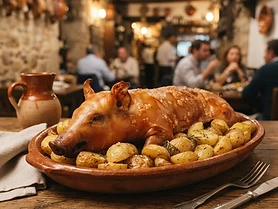
La Alberca is a medieval village of dark stone, narrow lanes and wooden balconies, and it is the one place in the Sierra de Francia that everybody visits — coaches from Salamanca arrive from ten in the morning. It is beautiful and it knows it: the shops sell the same ham, the same honey and the same trinkets, and by midday the streets hold more visitors than residents. Stay the night and it empties completely, which is the only way to see it properly. There is a fine Plaza Mayor with an eighteenth-century stone cross, and a tradition of releasing a pig into the streets each January which is raffled in June.
How it got here
The Sierra de Francia remained isolated from the central plains of Castile through the medieval period. La Alberca evolved as a refuge for mountain communities and served as an estate for the Counts of Miranda del Castañar. The architecture preserves a distinct design of granite ground floors supporting upper levels built from timber and mud bricks. This building method ensured survival in a harsh climate and kept the village layout constrained within tight stone lanes. While modern tourism defines the current village economy, the historic layout demonstrates the defensive and structural needs of a community operating outside the influence of the major feudal powers of the Salamanca province.
Where it sits
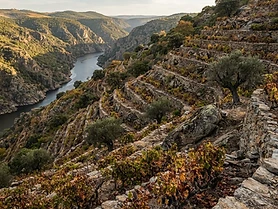
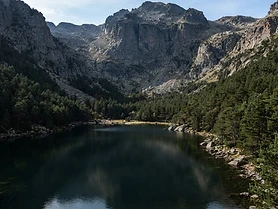
Deep valleys cut through the Sierra de Francia where dense oak forests meet the rocky outcrops of the southern Salamanca province. The village clings to a steep slope, its narrow passages carved from local granite. Access requires navigating winding mountain roads that climb from the lowlands into a cooler, wetter microclimate. Summer sun draws crowds into the central plaza, but autumn rain and winter frost reclaim the silence. Mist clings to the peaks for weeks at a time, emphasizing the village separation from the wider plateau of Castilla y León.
What to eat and drink
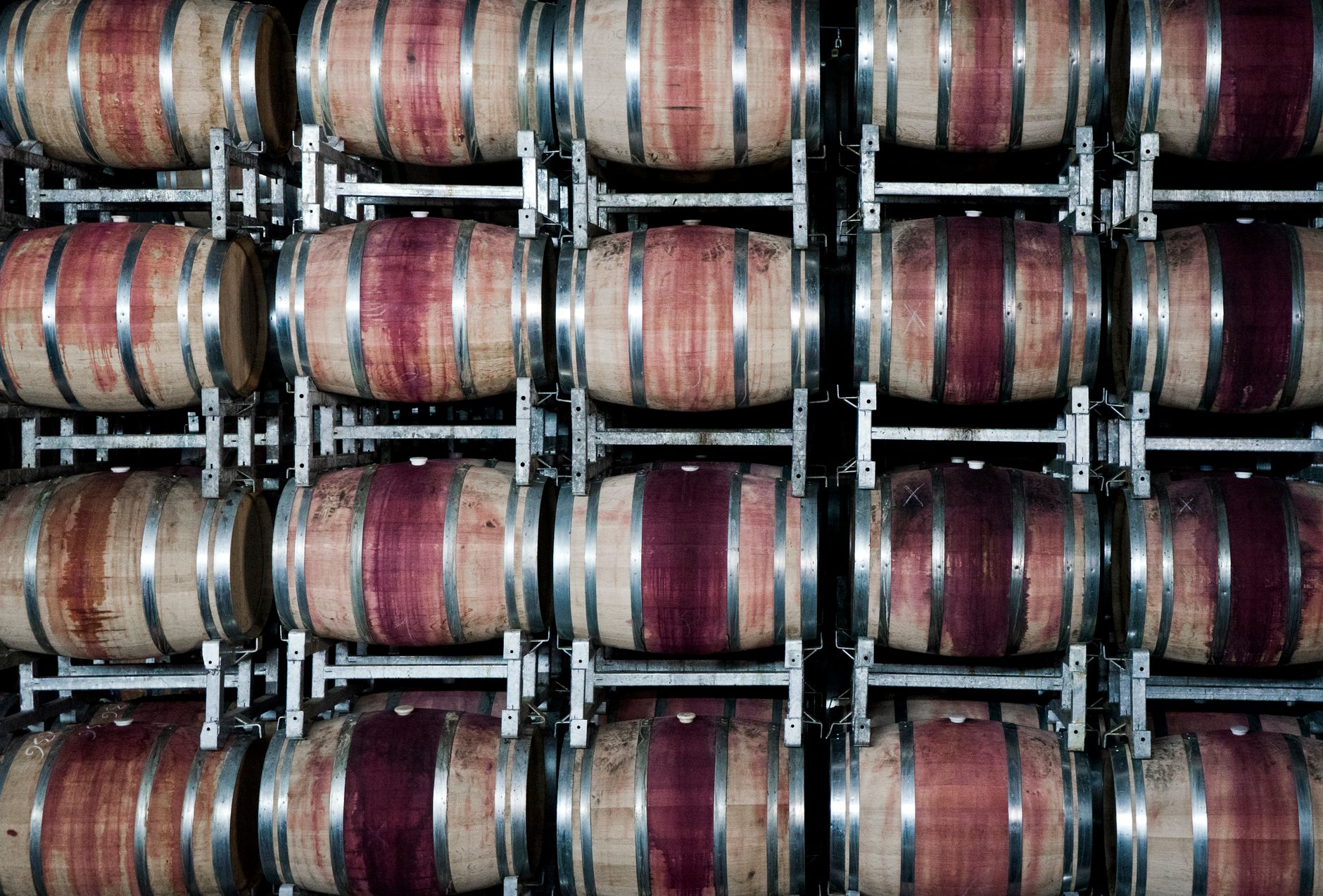
The mountainous surroundings dictate the diet of the Sierra de Francia. Jamón ibérico de bellota from pigs raised on local acorns forms the core of the local pantry. Households produce honey from mountain wildflowers and chestnuts gathered in the nearby woods. Roast suckling pig and kid goat provide the primary proteins, often seasoned with paprika from the nearby Vera valley. A dense, hearty bread accompanies these meals, alongside local wines produced in small mountain vineyards. These simple preparations rely on the proximity of the livestock and the seasonal cycles of the surrounding chestnut forests.
Castilla y León: the whole region
The largest region in Spain, and the one that most rewards a car: a plateau of walled cities, Romanesque churches and vineyards, with Salamanca, León, Burgos and Segovia as four genuine anchors spread across four hundred kilometres. There…
Minimum 5 days · better 8-10 days · deep 2 weeks
What's Nearby


In Castilla y León



In Castilla y León





In Castilla y León












Linked from elsewhere
Entries that name this place in their own nearby lists.

Logistics are verified only. We don't publish schedules we haven't confirmed.
Experiences worth booking ahead
Spain Field Guide may earn a commission when you book through selected links. Recommendations are editorial and independent of commission.
Ready to build La Alberca into a trip?
You've found a place worth going. When you're ready to turn discovery into an itinerary, Travel Itinerary Co picks up where the Field Guide leaves off — with your saved places already in hand.
Build this into a tripContinues on Travel Itinerary Co
Spain Field Guide may earn a commission when you book through selected links. Recommendations are editorial and independent of commission.