Patones de Arriba
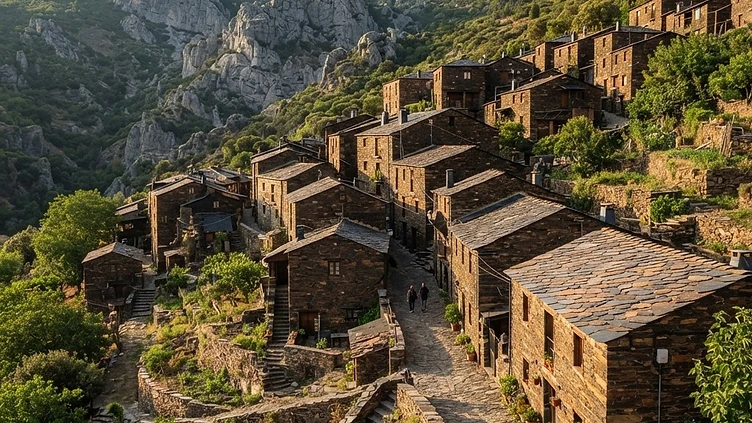
Go for lunch, eat well, and walk fifteen minutes above the village. It is a two-hour stop rather than a day, and parking is tight, so arrive before one o'clock.
The most photogenic village in the Madrid region, and lunch in one of its slate houses.
At a Glance
- — You want a town with something to do beyond eating
Dark slate houses and stone lanes on a hillside, so consistent in material that it looks built in one afternoon. It was abandoned and then rebuilt around its restaurants, which is the honest reason most people go: the food is good and the setting is better. Patones de Abajo, in the valley, is where the village actually lives.
How it got here
The village survives as a distinct example of the black architecture of the Sierra Norte de Madrid. Its reliance on dark slate for walls and roofing emerged from the necessity of utilizing local geological resources in a rugged environment. While the population declined during the twentieth century as inhabitants moved to the more accessible Patones de Abajo, the preservation of the upper settlement prevented the erasure of these vernacular building techniques. The village preserves the spatial arrangement of a mountain agro-pastoral community where the separation between the residence and the livestock housing shaped the narrow lanes and the small irregular squares found today.
Where it sits
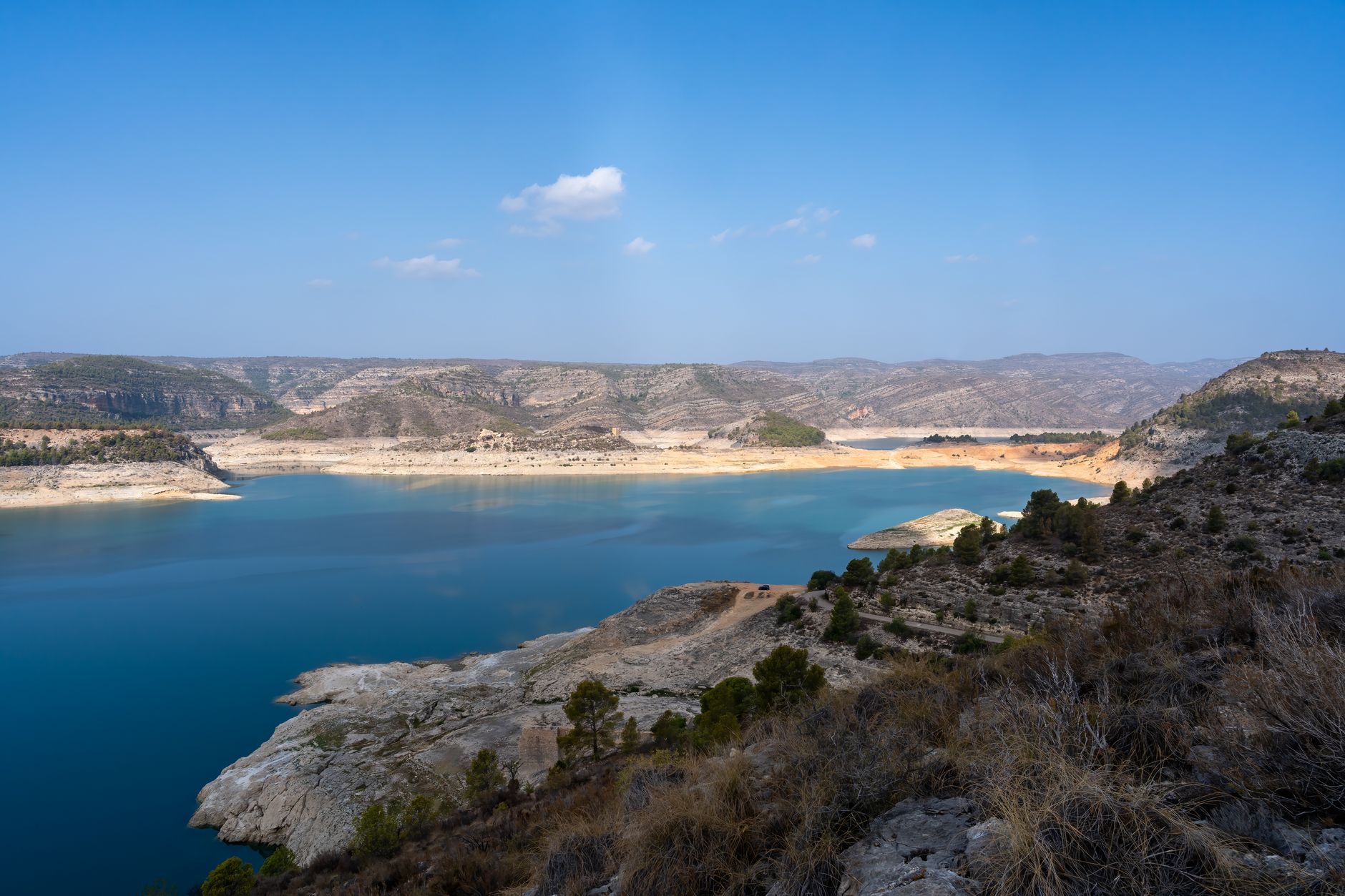
The village clings to a steep limestone hillside north of the Jarama valley. It overlooks a landscape of Mediterranean scrubland and holm oak forests that define the transition between the Castilian plateau and the foothills of the Sierra de Ayllón. Summer heat dries the hillsides while winter frosts turn the slate paths into slick surfaces. Access requires traversing winding roads that climb from the valley floor. Weekend visitors from the capital frequently crowd the narrow corridors, though the surrounding trails remain quiet during the week as they lead into the empty grazing lands above the canyon.
What to eat and drink
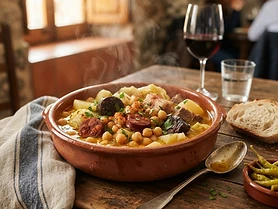
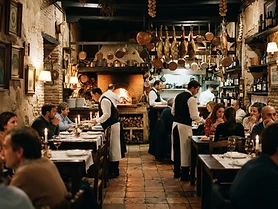
Castilian mountain cuisine defines the table here. Cordero lechal, suckling lamb roasted in wood-fired ovens, provides the heavy staple demanded by the mountain climate. Migas, pan-fried breadcrumbs seasoned with garlic and pork fat, persist as a testament to the traditions of local shepherds. Patatas a la importancia, sliced potatoes dipped in egg and flour before a slow simmer in a rich saffron-infused broth, make use of the staple tubers of the province. Red wines from the nearby Vinos de Madrid designation of origin, particularly those from the Arganda sub-zone, accompany these meals.
Madrid: the whole region
Madrid is a province with one great city in it, and that city is worth three or four days on its own: three major museums within a few hundred metres of each other, a working market culture, a nightlife that starts late and does not stop,…
Minimum 3 days · better 5-6 days · deep 8-10 days

In Madrid










In Madrid















Logistics are verified only. We don't publish schedules we haven't confirmed.
Experiences worth booking ahead
Spain Field Guide may earn a commission when you book through selected links. Recommendations are editorial and independent of commission.
Ready to build Patones de Arriba into a trip?
You've found a place worth going. When you're ready to turn discovery into an itinerary, Travel Itinerary Co picks up where the Field Guide leaves off — with your saved places already in hand.
Build this into a tripContinues on Travel Itinerary Co
Spain Field Guide may earn a commission when you book through selected links. Recommendations are editorial and independent of commission.