Ferrocarril Minero de Riotinto
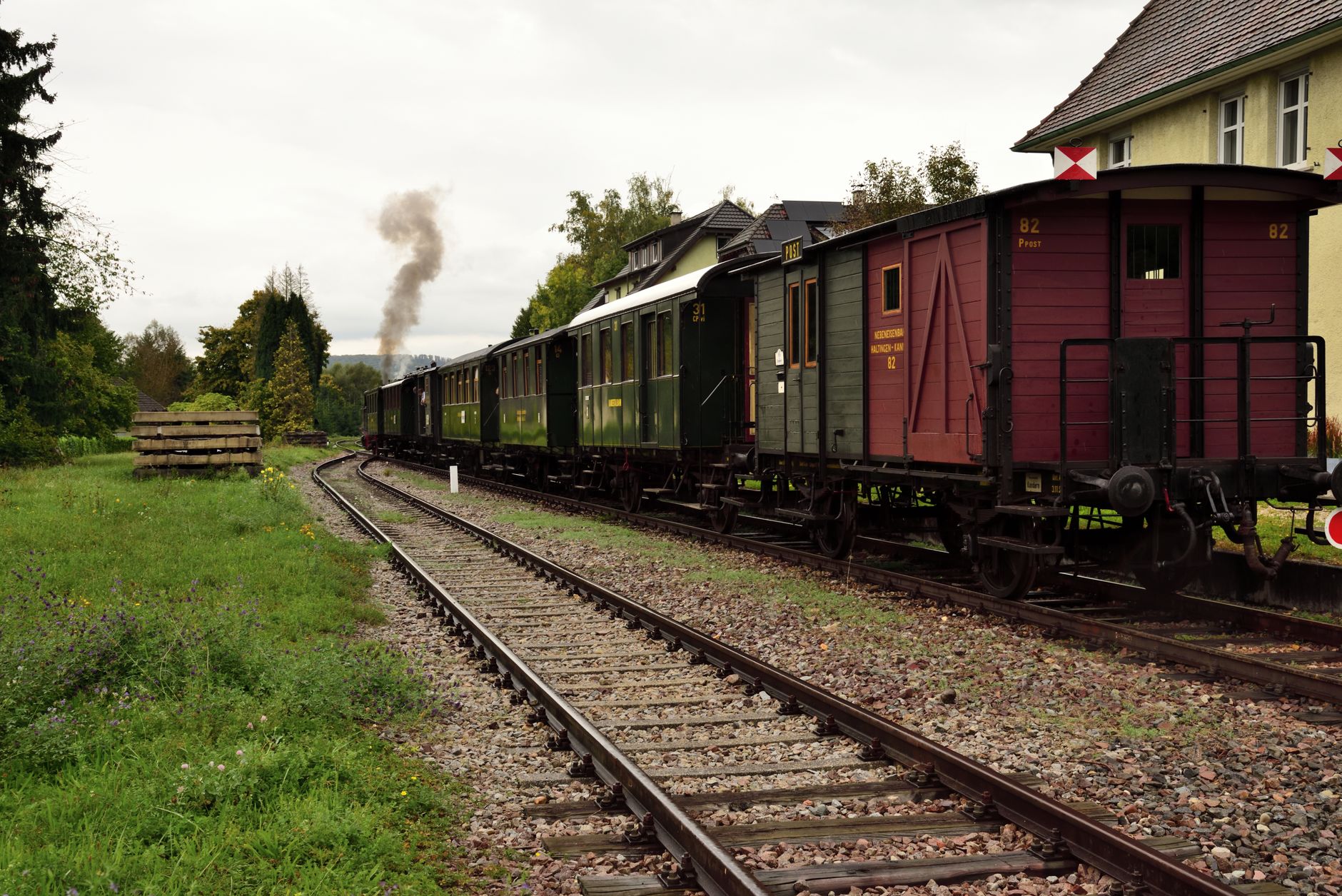
Recommended when it is running. Confirm dates first, because the timetable is not a daily one.
The best way to see the mining landscape, on a line built to carry its ore.
At a Glance
- — You need fixed daily timetables
The British-owned mining company built its own railway to move ore to the coast, and part of that line survives as a heritage railway through the red hills between Riotinto and the river valley. Trains run on selected days rather than daily, with open carriages and stops at the old loading points, and the route shows you the workings at close range: cuttings, spoil heaps, and the orange water below. It is a working museum rather than a scenic excursion, and that is the appeal. Check the running dates before you plan a day around it.
How it got here
The Riotinto mines exploited copper and silver deposits since the Roman era, but the modern railway line emerged from the massive industrial expansion under British ownership in the late nineteenth century. The Rio Tinto Company Limited constructed this infrastructure to transport ore from the high inland workings to the port of Huelva. This narrow gauge line followed the contours of the valley, cutting through layers of rock and earth to connect the inland extraction sites with the Atlantic coast. Today the tracks preserve the physical remnants of a massive industrial operation that reshaped the Huelva landscape through decades of open pit mining and infrastructure development.
Where it sits
The terrain around Riotinto is a raw, jagged landscape of oxidized red soil and deep mining scars that contrast sharply with the surrounding Huelva scrubland. Summer heat intensifies the starkness of the iron-stained water and the eroded hillsides. Winter brings cooler temperatures and rain that washes through the canyon, altering the color of the silt in the riverbed. Roads into this rugged part of the Sierra de Aracena are narrow and wind through dense forests of oak and pine before breaking into the sudden, artificial basins of the mining zone.
What to eat and drink
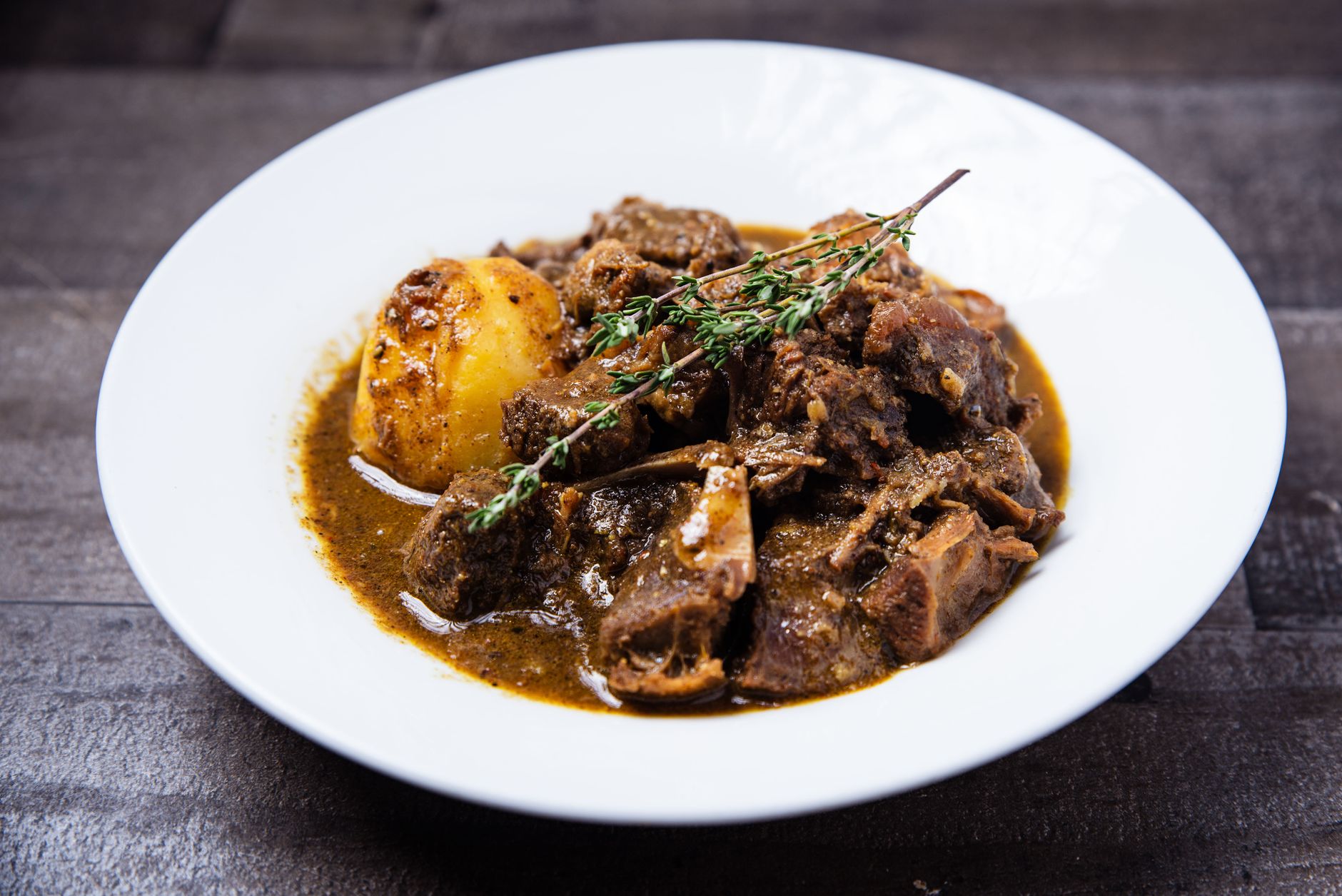
Jamón de Jabugo, the salt-cured ham from the black-hoofed pigs fed on mountain acorns, defines the local diet. The province leans into hearty, pork-based stews like caldereta, where shoulder cuts simmer with garlic and local wine until the meat falls away from the bone. Wild mushrooms gathered from the damp Sierra slopes often find their way into autumn frying pans. A glass of crisp, pale manzanilla sherry from the coastal vineyards remains the standard accompaniment to the intense salt of the cured pork and the acidity of the wild mountain greens.
Andalusia: the whole region
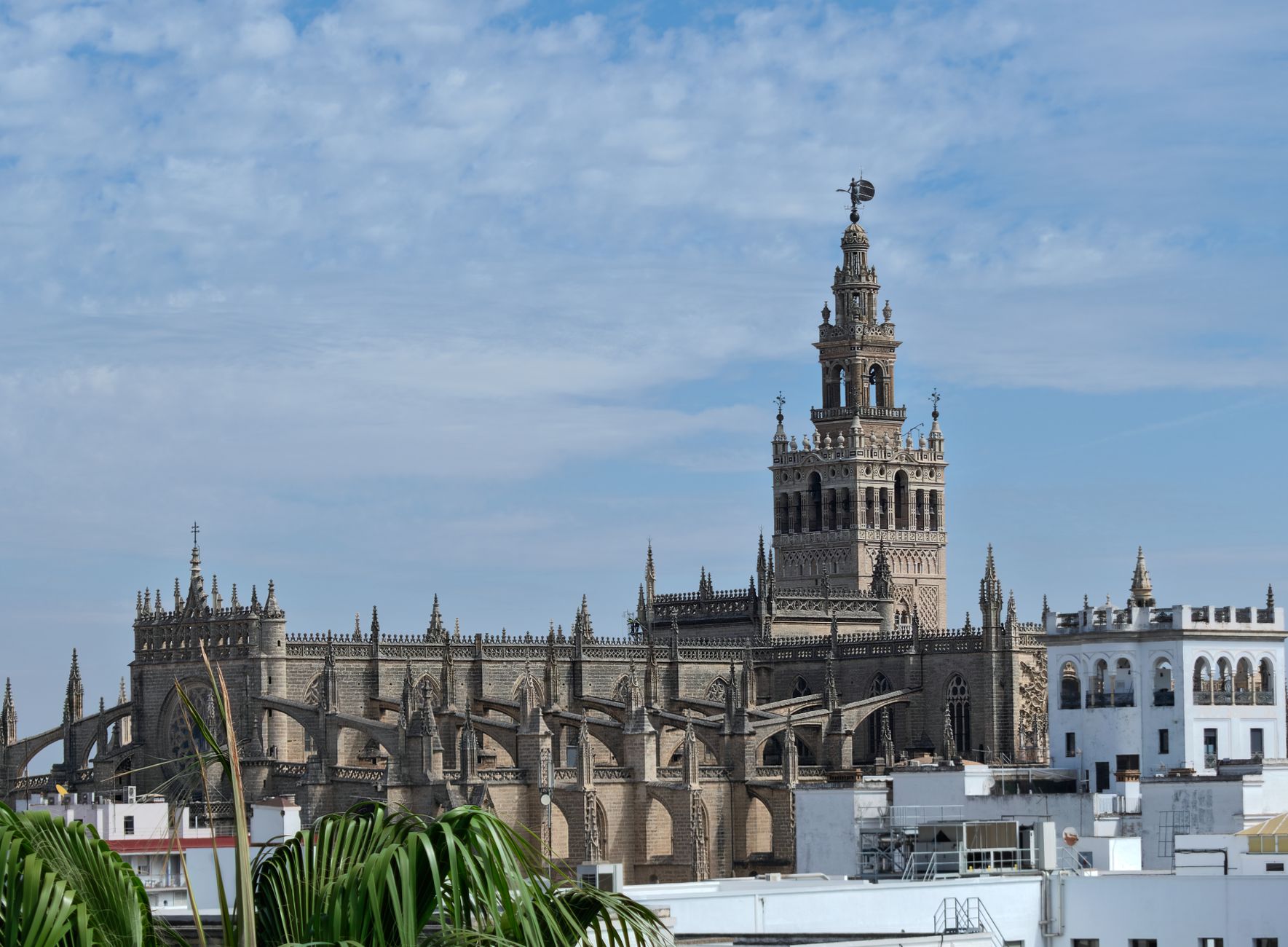
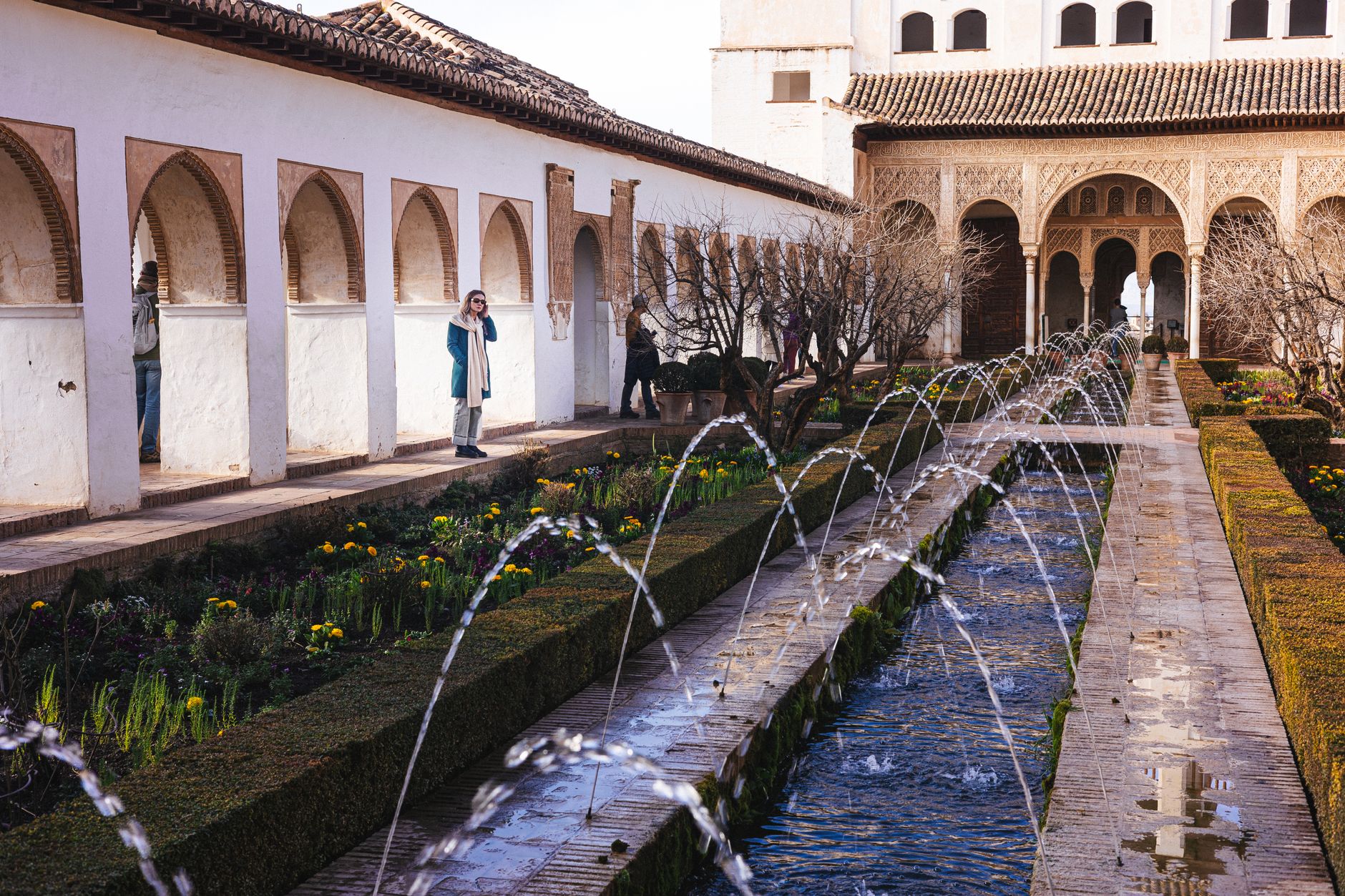
The Spain most first-time visitors are picturing: the Alhambra, orange trees, sherry, and a coastline that runs from windsurfing water to resort sprawl. It is also the region people most often ruin by underestimating it. Seville and…
Minimum 5 days · better 8–10 days · deep 2 weeks
In Andalusia












In Andalusia


In Andalusia

















Logistics are verified only. We don't publish schedules we haven't confirmed.
Appears In
Experiences worth booking ahead
Spain Field Guide may earn a commission when you book through selected links. Recommendations are editorial and independent of commission.
Ready to build Ferrocarril Minero de Riotinto into a trip?
You've found a place worth going. When you're ready to turn discovery into an itinerary, Travel Itinerary Co picks up where the Field Guide leaves off — with your saved places already in hand.
Build this into a tripContinues on Travel Itinerary Co
Spain Field Guide may earn a commission when you book through selected links. Recommendations are editorial and independent of commission.