Figueres
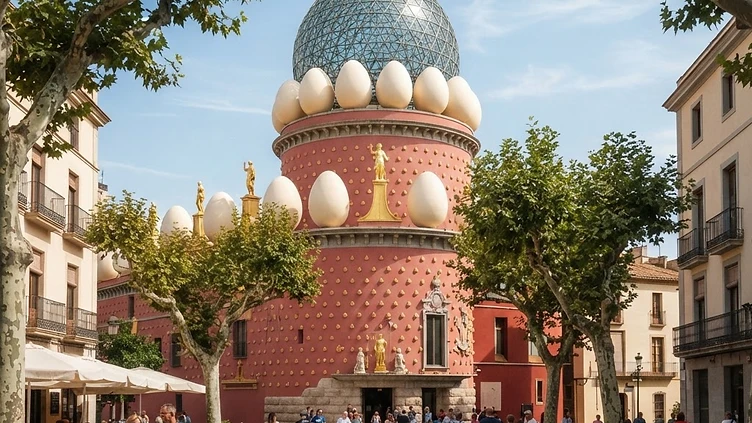
Two to three hours for the museum and a walk down the Rambla. Book online, arrive at opening, and pair it with Cadaques or Girona rather than expecting a day out of the town itself.
The Dali Theatre-Museum, which is the strangest major museum in Spain.
At a Glance
- — You have no interest in Dali; there is little else here
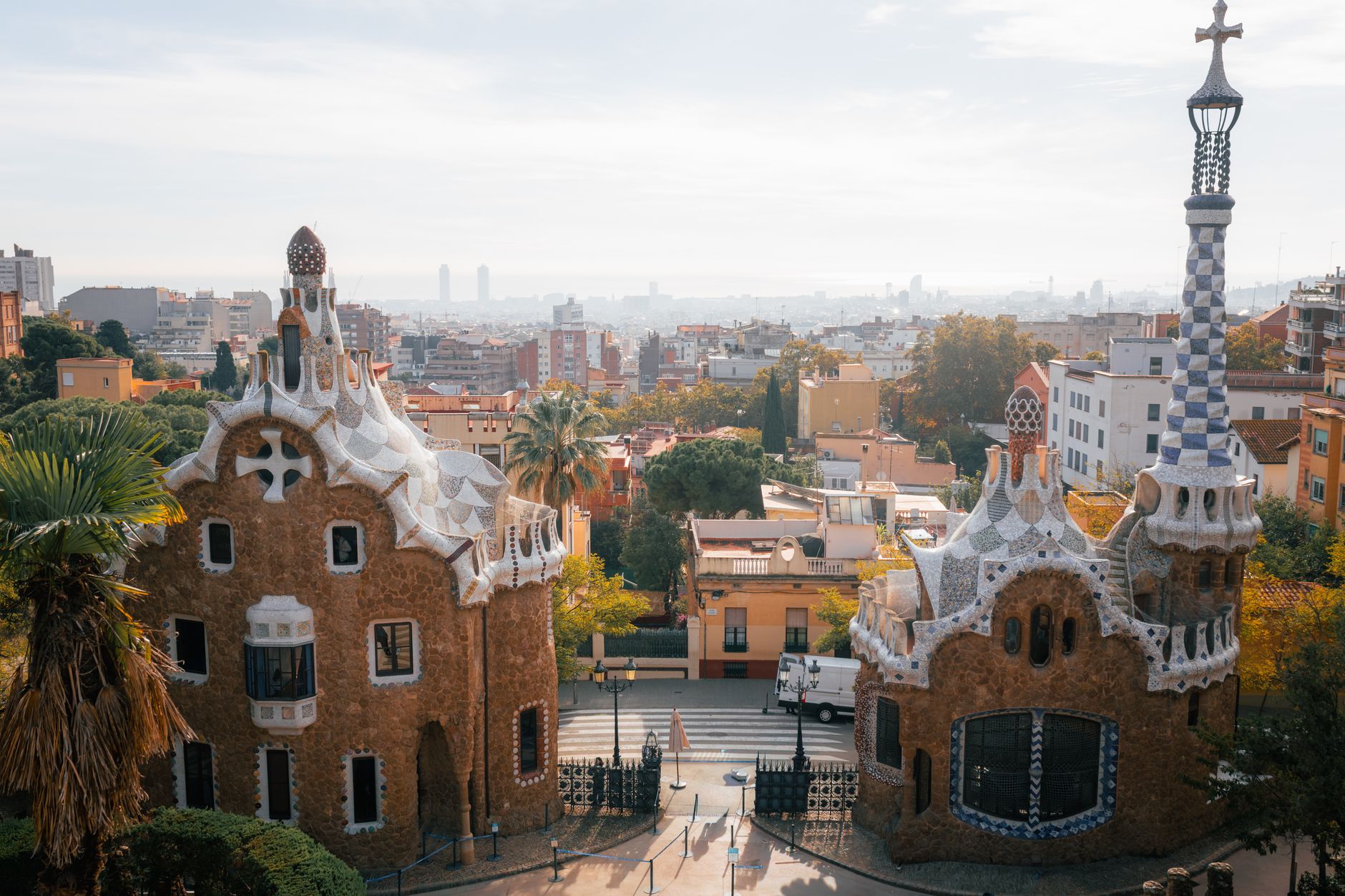
A workaday Emporda market town with one extraordinary building: the theatre Dali converted into his own museum, painted red, crowned with eggs and filled with the largest single collection of his work. The town itself is unremarkable and knows it, which is why the museum is the whole errand. It is also the rail junction for the Costa Brava, so it works as a stop rather than a destination.
How it got here
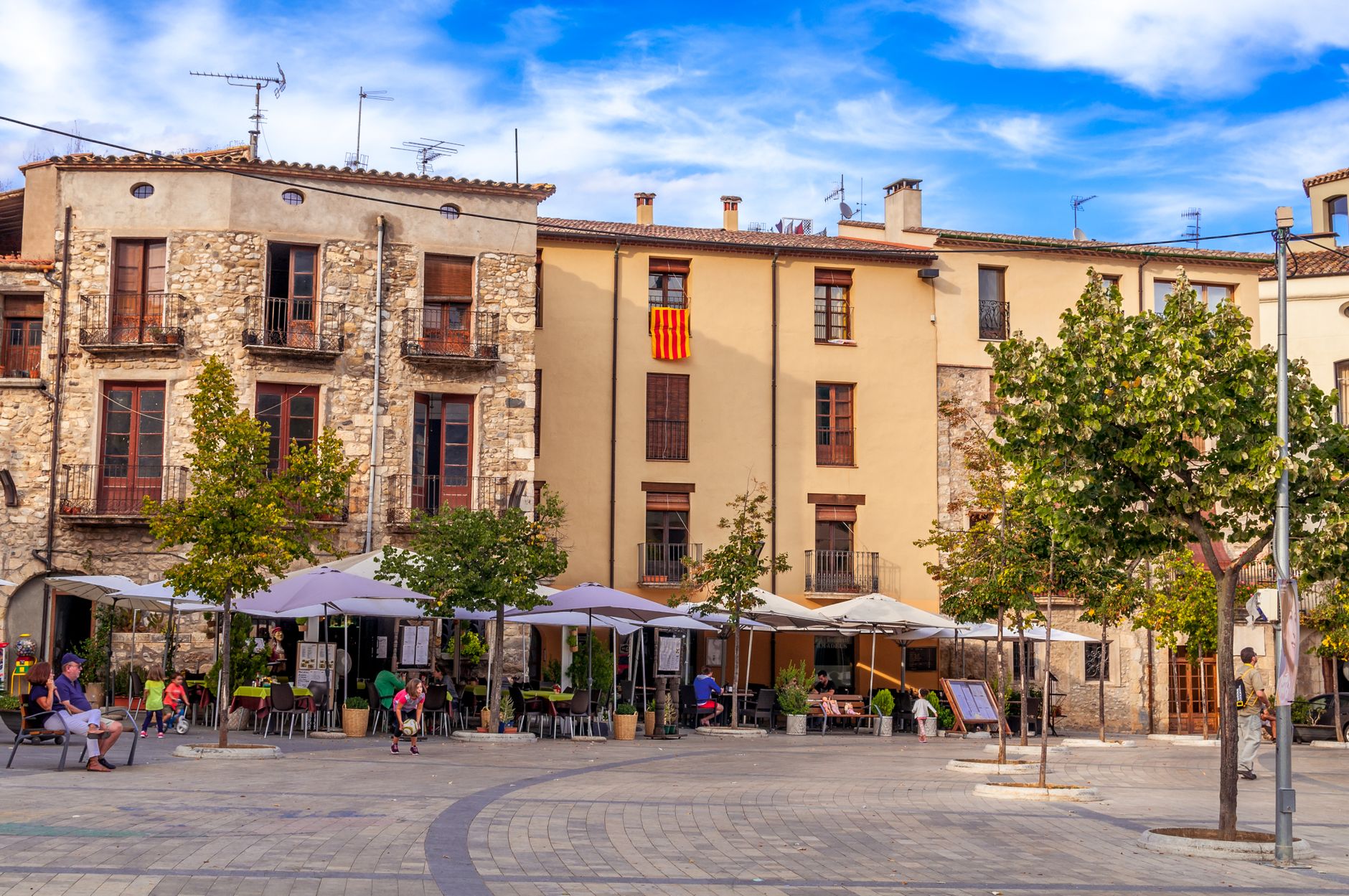
Counties of the Empordà historically formed the northern marches of Catalonia, serving as a buffer between the Frankish realm and the Caliphate of Córdoba. Figueres grew at the intersection of these fertile plains and the foothills of the Pyrenees, gaining importance as a market center during the Middle Ages. Its layout follows the development of the broader Girona region, transitioning from a medieval settlement into a garrison town during the wars against France. The destruction and subsequent rebuilding of the nineteenth century left the core of the town largely nineteenth-century in character, overshadowing the older walls that once contained the medieval market.
Where it sits
The town occupies the center of the Alt Empordà, a plain bounded by the Albera mountains to the north and the Mediterranean coast to the east. Light reflects off the limestone earth, and the tramuntana wind strips the sky clear and pulls cold air down from the high peaks. This rail junction draws travelers moving between the French border and the coastal coves of the Costa Brava. While summer heat concentrates in the streets, the surrounding fields of wheat and olive trees remain quiet and functional throughout the year.
What to eat and drink
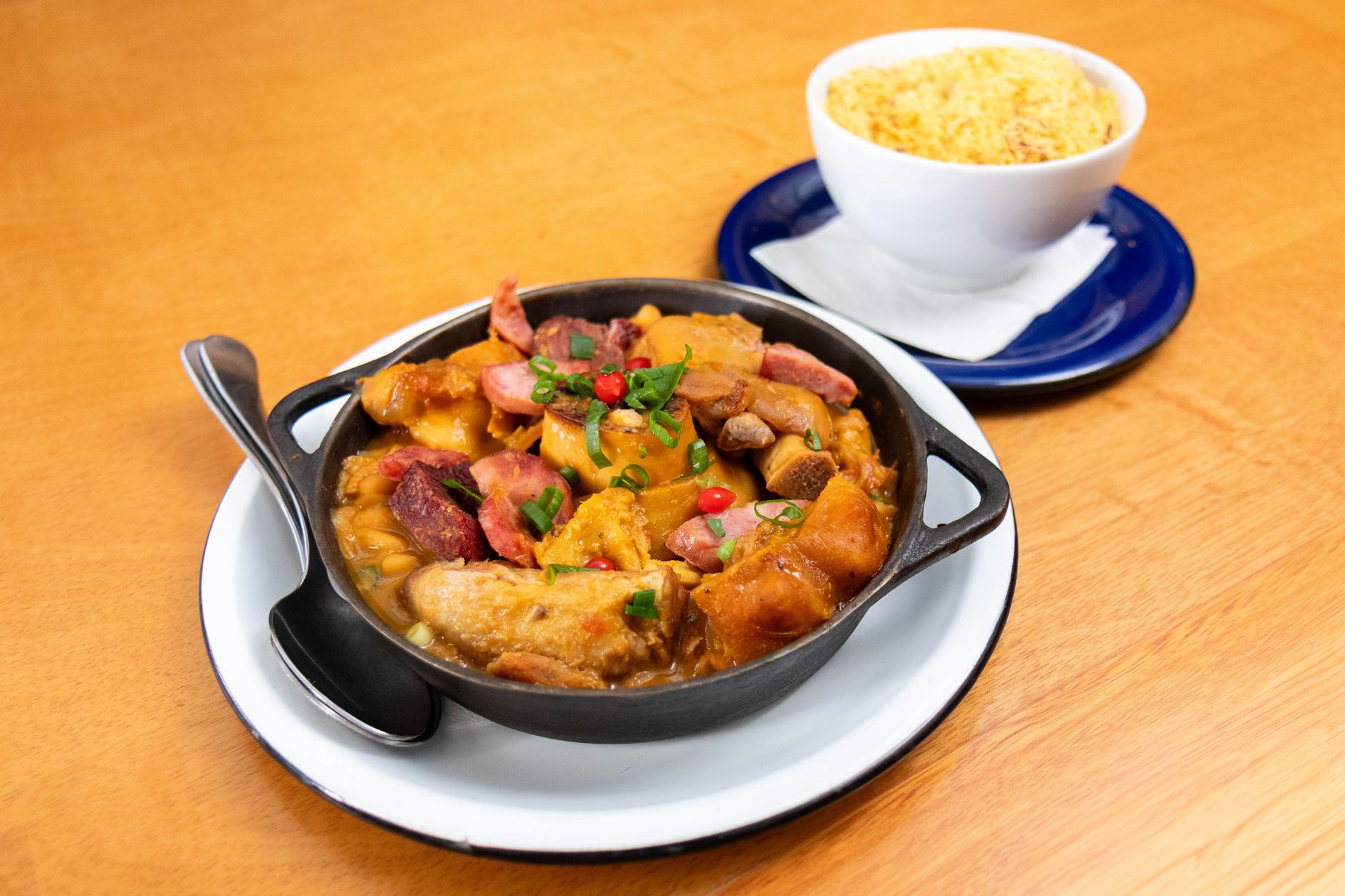
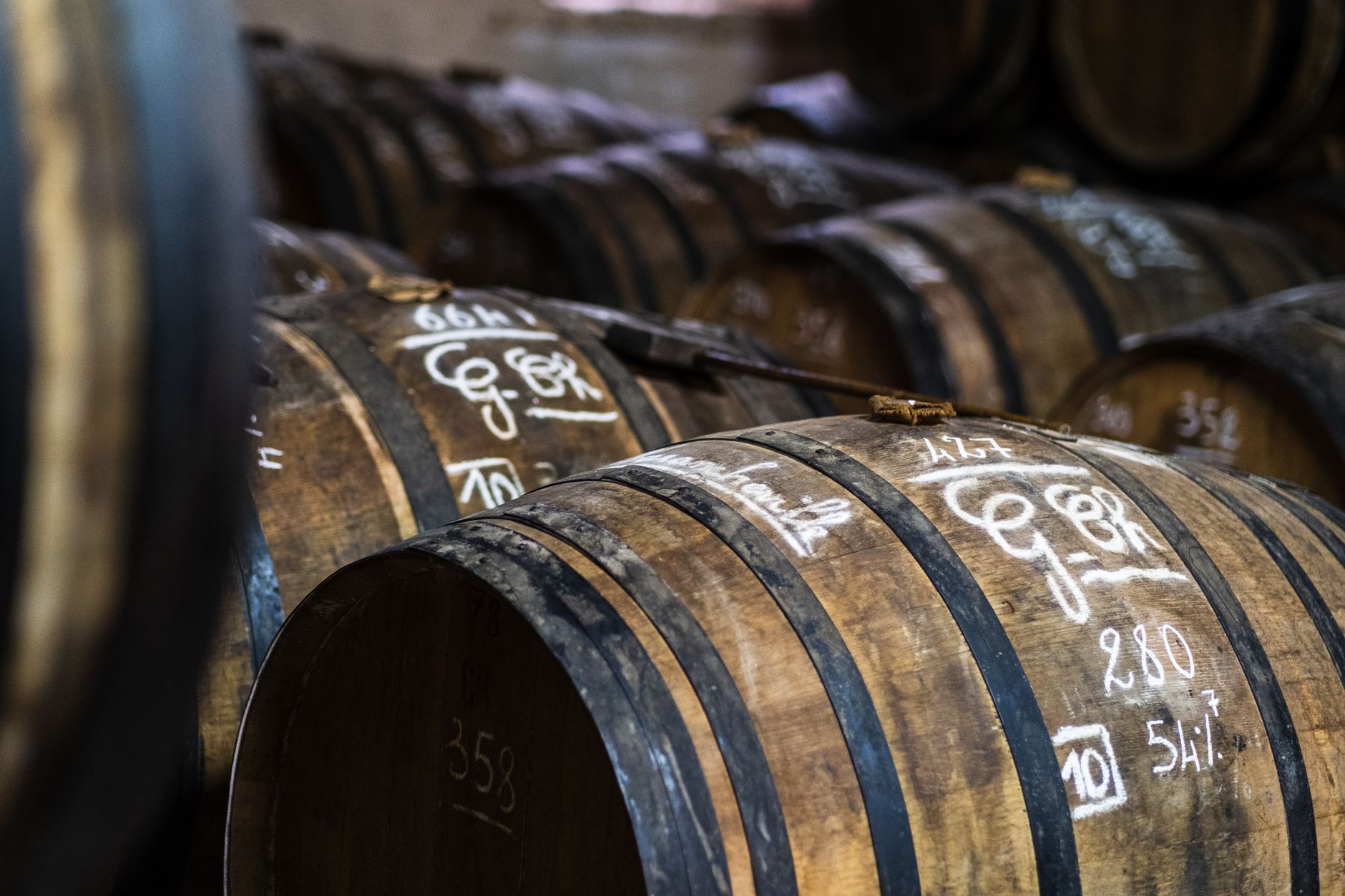
The cuisine follows the traditions of the Empordà, emphasizing the marriage of coastal seafood and inland farm produce. Suquet de peix, a fisherman’s stew made with whatever catch the boats bring in, potatoes, and garlic, defines the local kitchen. Farmers provide botifarra, a seasoned pork sausage often grilled and served with white beans sautéed in olive oil. The region produces D.O. Empordà wine, historically known for sturdy reds and increasingly crisp whites that balance the salt and oil of the traditional dishes.
Catalonia: the whole region
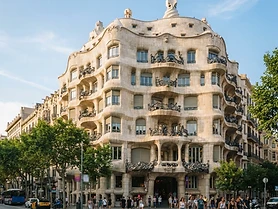
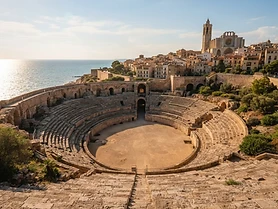
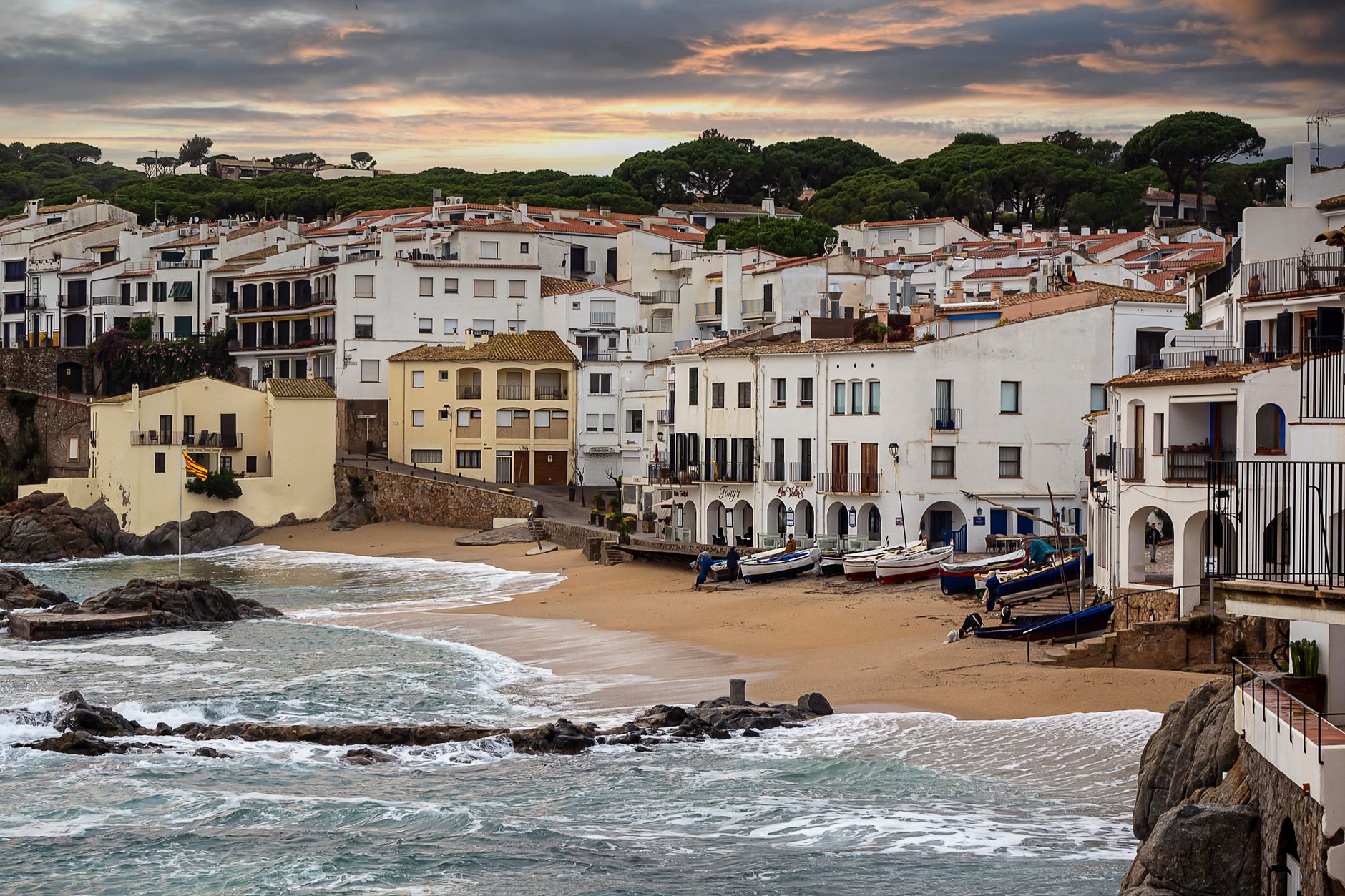
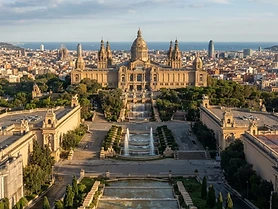
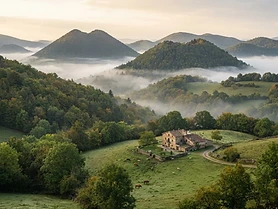
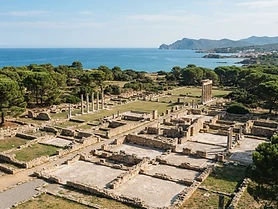
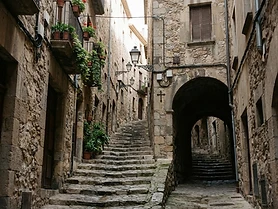
Barcelona is the anchor and most trips never leave it, which is a mistake but not a fatal one: Girona, Tarragona and the Costa Brava's coves are all within two hours by train or a short drive, and the Empordà behind them holds the best…
Minimum 4 days · better 7-8 days · deep 2 weeks


In Catalonia





In Catalonia





In Catalonia



















Logistics are verified only. We don't publish schedules we haven't confirmed.
Experiences worth booking ahead
- From Barcelona: Private Girona and Figueres with Dali Museum Tour4.9 (135)10 hrsFrom €291
- Boat Trip from Cala Figuera to Calo de Moro, S'almonia, Cala Màrmols. Mallorca.4.8 (216)2.8 hrsFrom €56
- Boat tour from Cala Figuera to Caló del Moro and S´Almonia4.8 (150)1.8 hrsFrom €42
- Dali Museum, Figueres & Cadaques Private Tour with Hotel pick-up4.9 (68)12 hrsFrom €310
Spain Field Guide may earn a commission when you book through selected links. Recommendations are editorial and independent of commission.
Ready to build Figueres into a trip?
You've found a place worth going. When you're ready to turn discovery into an itinerary, Travel Itinerary Co picks up where the Field Guide leaves off — with your saved places already in hand.
Build this into a tripContinues on Travel Itinerary Co
Spain Field Guide may earn a commission when you book through selected links. Recommendations are editorial and independent of commission.