Gràcia
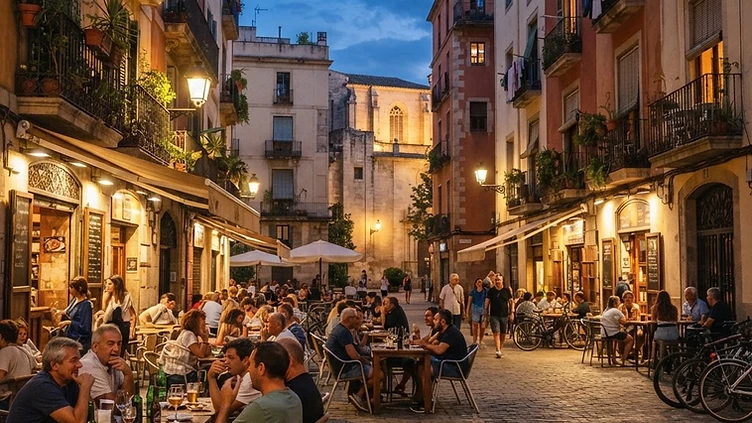
Come for an evening; the squares fill from nine. Time it with the Festa Major in mid-August if you can, but expect it to be busy then.
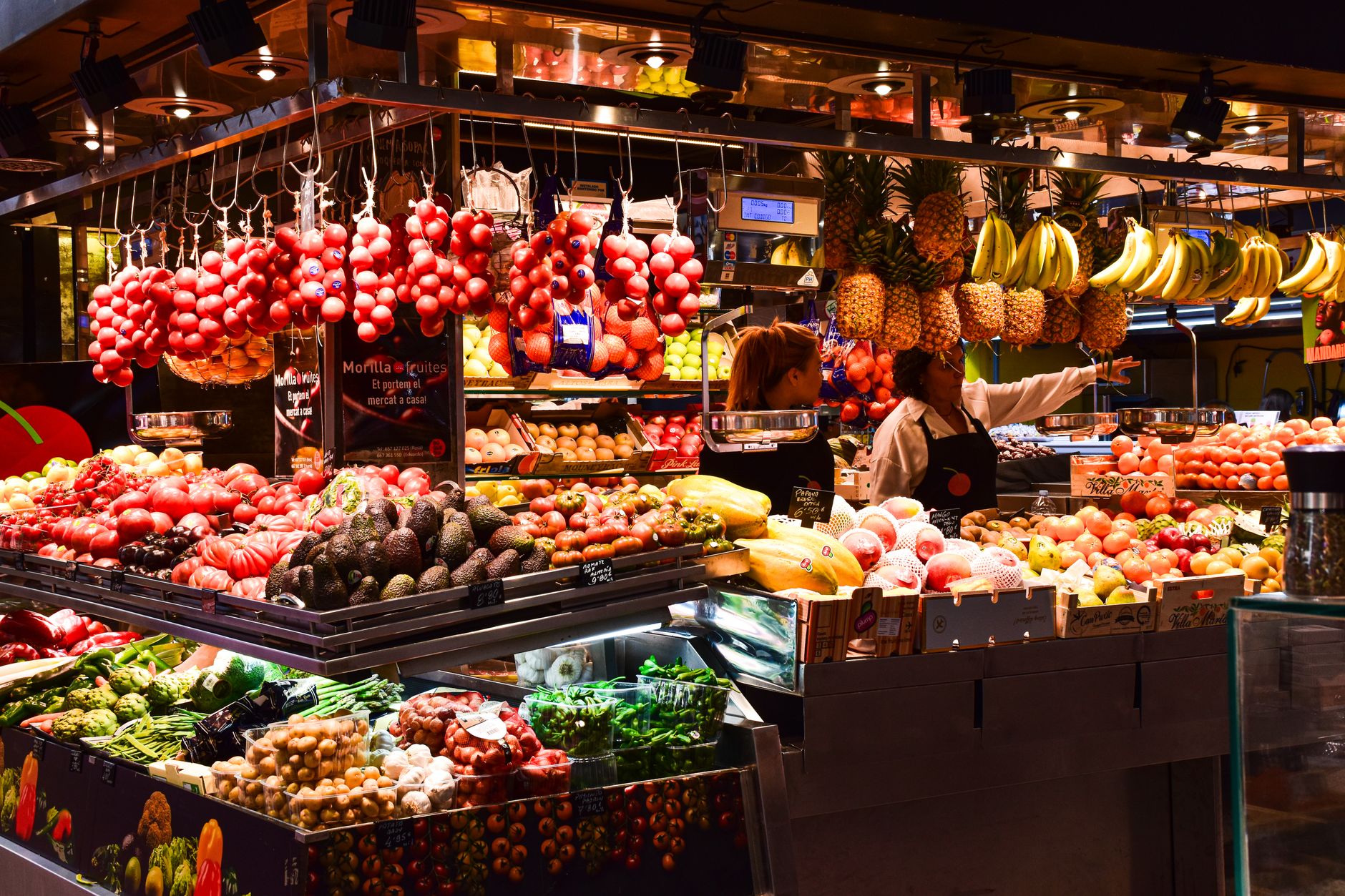
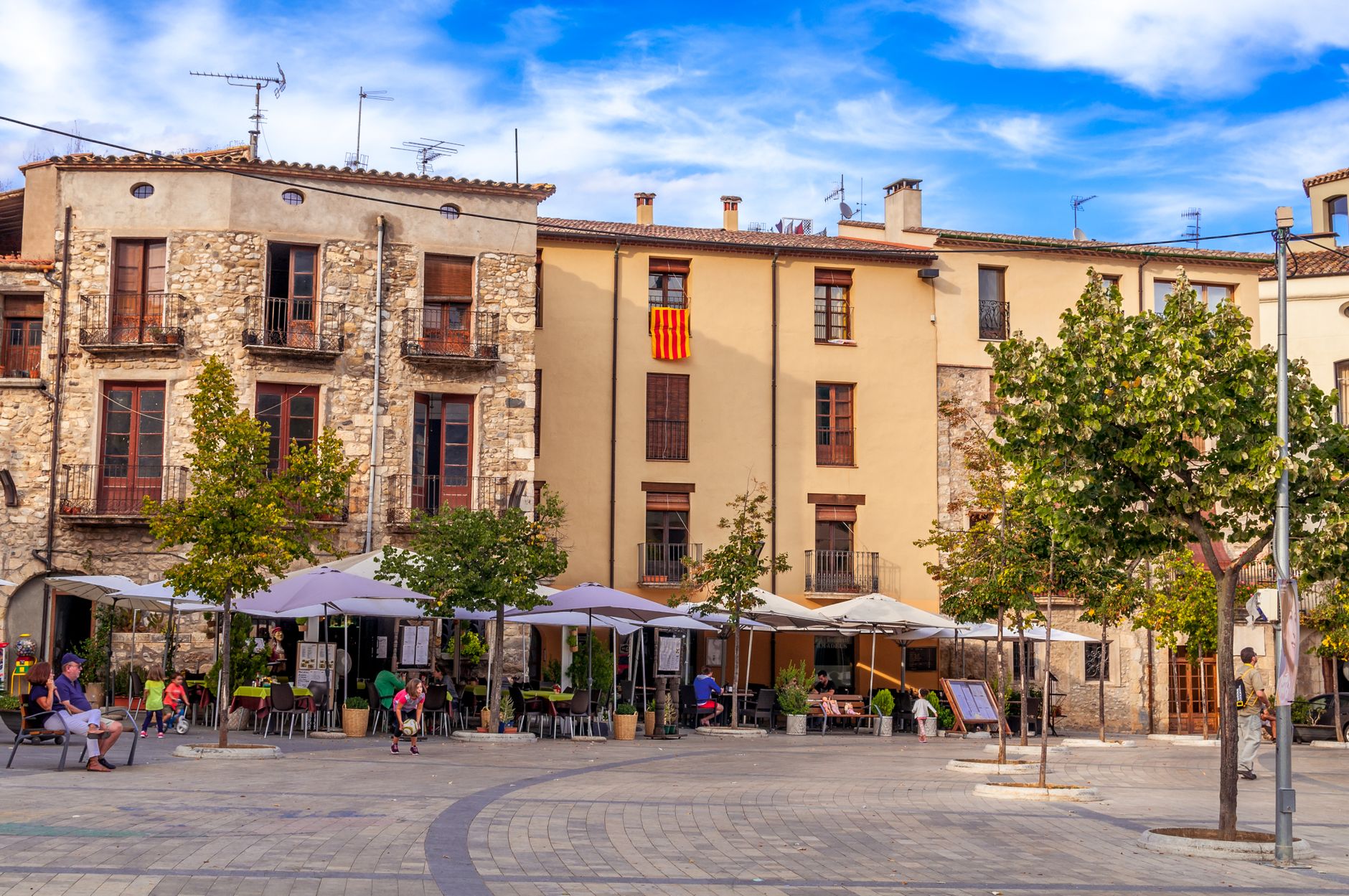
Squares with terraces, and Barcelona at its most ordinary and most enjoyable.
At a Glance
- — You have one day in Barcelona and want the monuments
A separate town until the end of the nineteenth century and still behaving like one: small squares where neighbours sit out, cheap and good bars, independent shops, and the Festa Major in August when the streets are dressed with papier-mache figures. It is the most liveable corner of Barcelona and the least interested in visitors.
How it got here
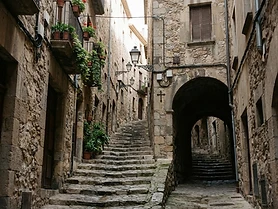
Gràcia grew as an independent agricultural village separate from the walled core of Barcelona until the nineteenth century. Its annexation in 1897 occurred under the Plan Cerdà expansion of the city. The identity of the neighborhood persists through these former municipal borders which defined a space for laborers and artisans rather than the aristocracy. This legacy of autonomous development shows in the irregular street layout and the survival of public squares that replaced church squares in older settlements. Today the district retains this parochial scale because the grid of the Eixample stops abruptly at its edge, leaving a dense cluster of low buildings.
Where it sits
The neighborhood occupies the northern rise of the Barcelona plain, resting against the foothills of the Collserola range. Sunlight hits the narrow streets unevenly, keeping the ground floors cool in summer and allowing life to move into the plazas as the temperature drops. The incline creates a natural barrier that separates the residential core from the flatter city grid to the south. Autumn and spring bring heavy rain that drains toward the Mediterranean, while winter winds blow down from the mountains. This pocket of dense, limestone-heavy construction remains distinct from the grand boulevards of the surrounding city.
What to eat and drink
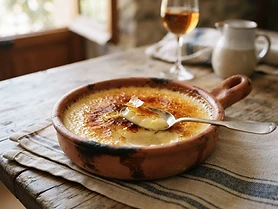
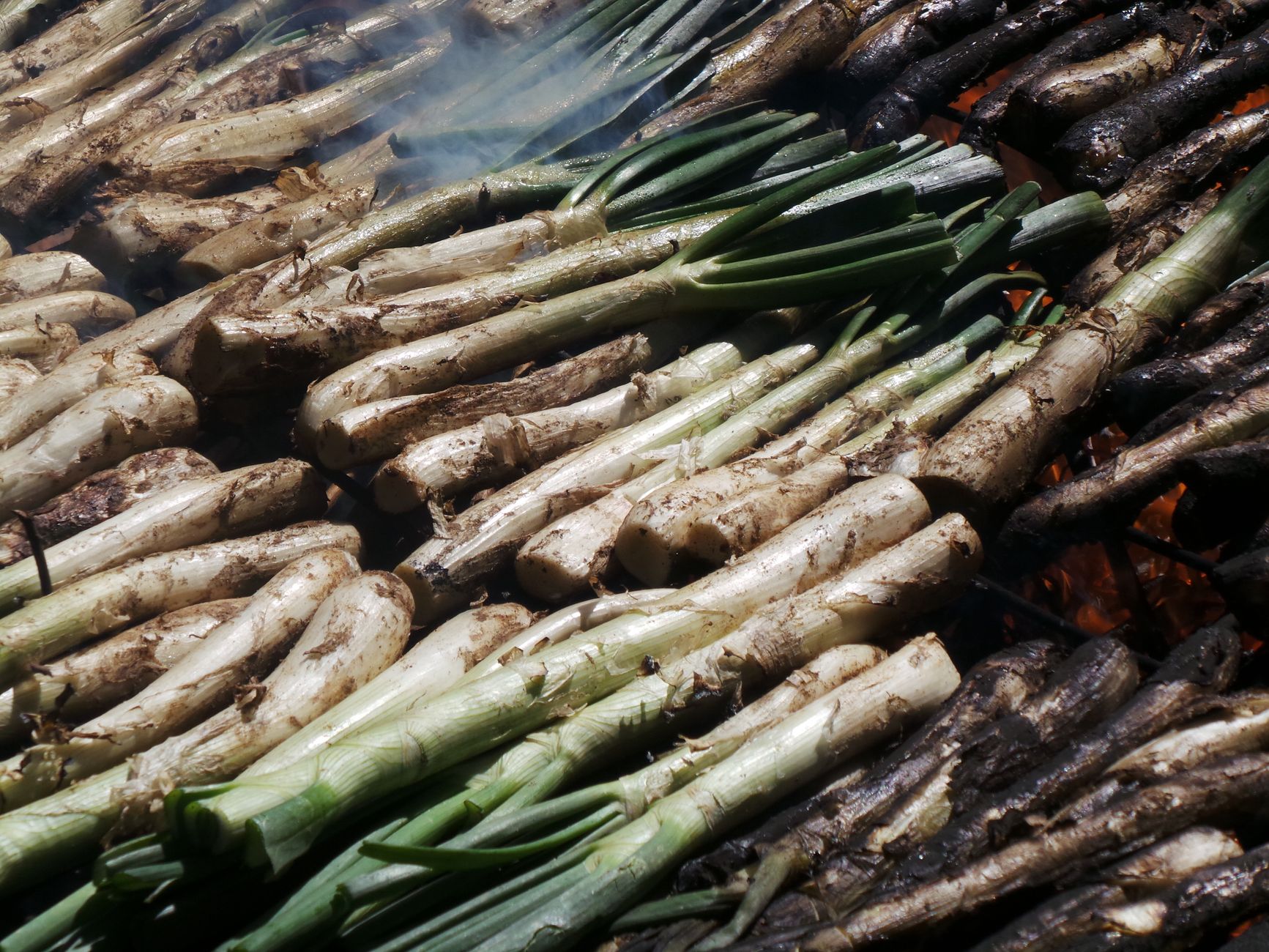
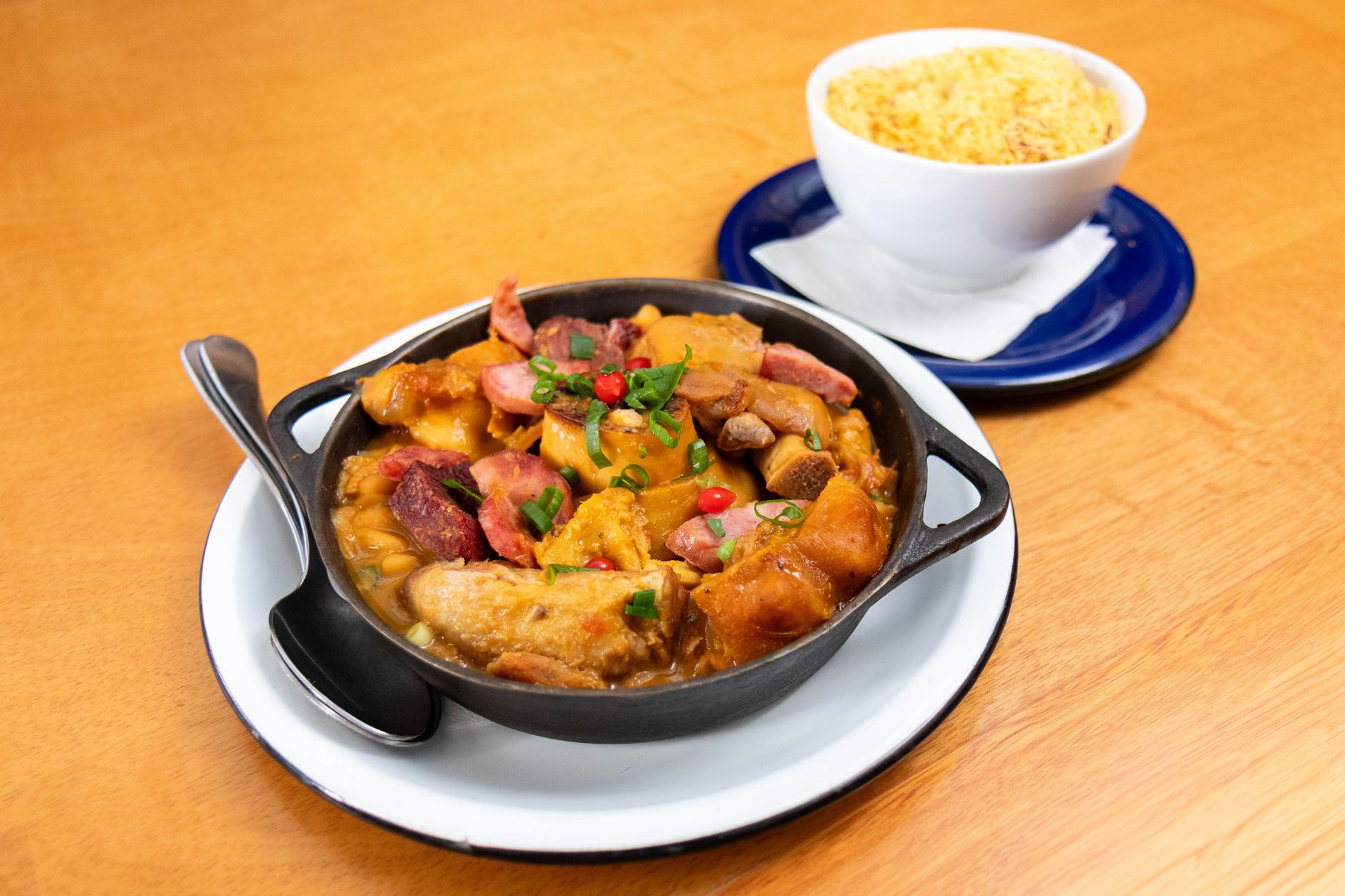
Cuisine here draws from the wider culinary traditions of Catalonia. Butifarra, a coarse pork sausage seasoned with black pepper, appears on plates grilled or stewed with white beans known as mongetes. Escalivada, strips of roasted eggplant, red pepper, and onion, acts as a common starter. For dessert, crema catalana, a custard base topped with a layer of caramelized sugar, remains the standard. Patrons drink vermut, a fortified wine served with a splash of soda and a slice of citrus, at midday before the main meal. Local tables prioritize these long-standing Catalan staples over the trends found in the city center.
Catalonia: the whole region
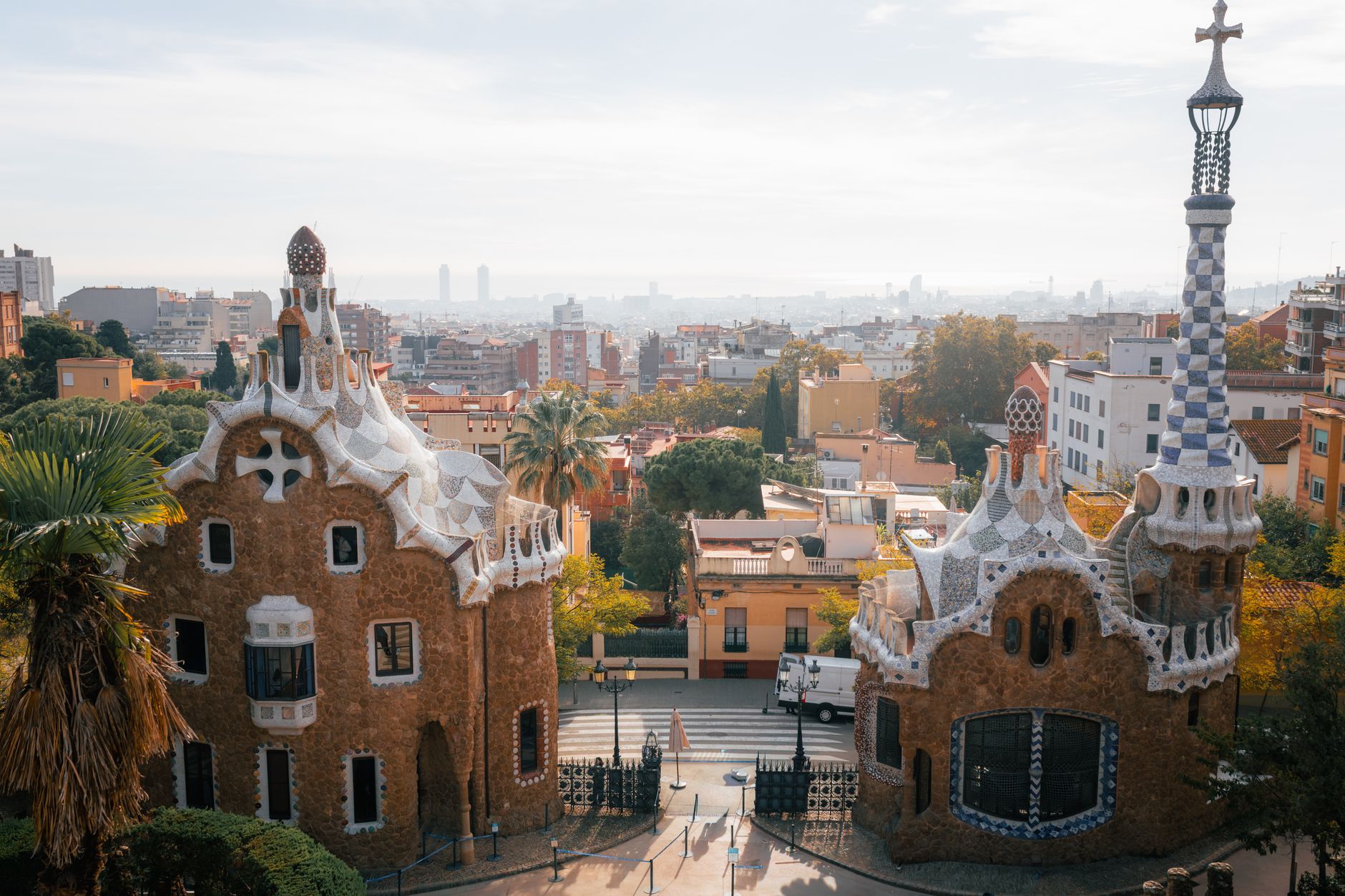
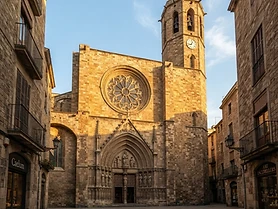
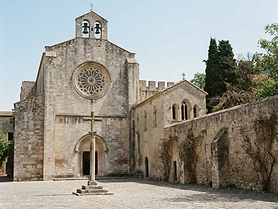
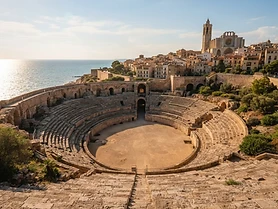
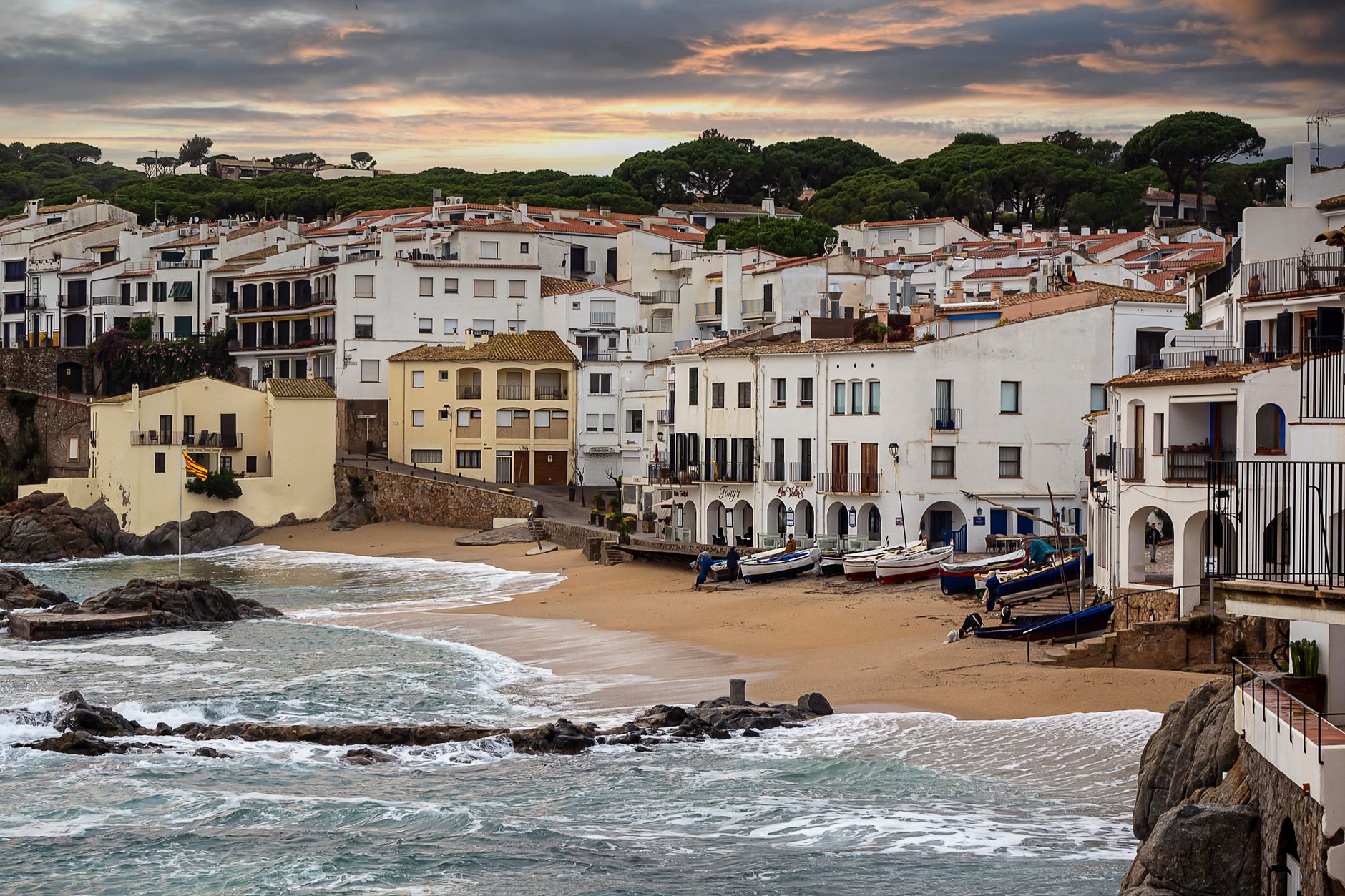
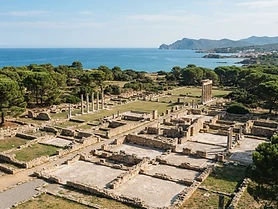
Barcelona is the anchor and most trips never leave it, which is a mistake but not a fatal one: Girona, Tarragona and the Costa Brava's coves are all within two hours by train or a short drive, and the Empordà behind them holds the best…
Minimum 4 days · better 7-8 days · deep 2 weeks

In Catalonia





In Catalonia





In Catalonia




















Logistics are verified only. We don't publish schedules we haven't confirmed.
Experiences worth booking ahead
- White Rabbit: The Immersive Experience of Barcelona4.9 (617)1 hrsFrom €16
- Tour Welcome to Barcelona in Eco Tuk Tuk Private with Local Guide4.8 (2,463)From €20
- Gaudi´s Casa Vicens Skip the Line Ticket with Audioguide4.7 (747)1.5 hrsFrom €24
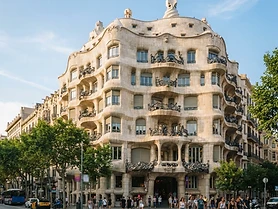
- La Pedrera-Casa Mila Admission Ticket with Audioguide4.5 (1,082)1.5 hrsFrom €34
Spain Field Guide may earn a commission when you book through selected links. Recommendations are editorial and independent of commission.
Ready to build Gràcia into a trip?
You've found a place worth going. When you're ready to turn discovery into an itinerary, Travel Itinerary Co picks up where the Field Guide leaves off — with your saved places already in hand.
Build this into a tripContinues on Travel Itinerary Co
Spain Field Guide may earn a commission when you book through selected links. Recommendations are editorial and independent of commission.