Morella
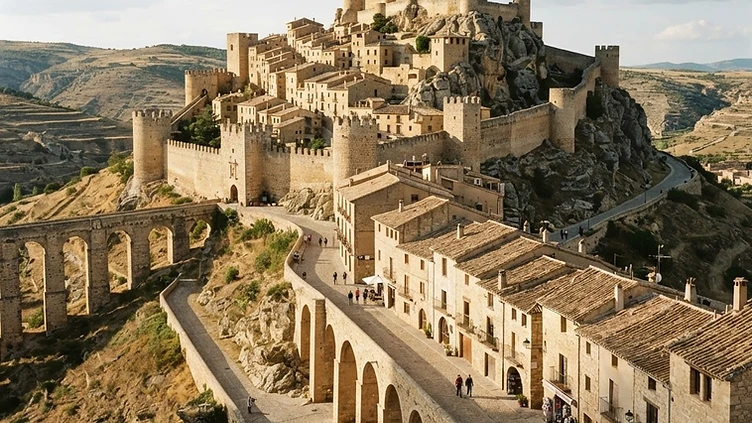
A day, or a night inside the walls. Walk the perimeter and climb to the castle in the evening, when the coach parties have gone.
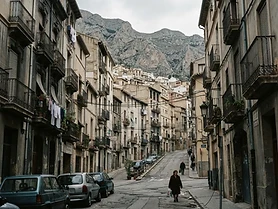
The most complete walled town in the Valencian region, on a hill with a castle above it and the mountains of Els Ports behind.
At a Glance
Morella is a single walled town on a hilltop, with the castle above it reached by a stepped path, the Gothic basilica of Santa María in the middle, and medieval aqueduct arches carrying water up through the streets. It is cold, high and remote, on the road between the coast and Aragón, and its hotels are inside the walls.
How it got here
Morella anchored the northern frontier of the Kingdom of Valencia. Its position at the crossroads of transit routes between the Mediterranean coast and the Ebro valley made it a military prize for successive powers. King Jaime I of Aragon captured the town from its Moorish rulers in 1232, integrating it into the newly formed Kingdom of Valencia. The massive walls and the fortress crowning the summit trace the engineering logic of these centuries of transition. The layout of the town follows the contours of the hill, constrained by the ramparts and the need to defend a passage that separated the highlands from the plains.
Where it sits
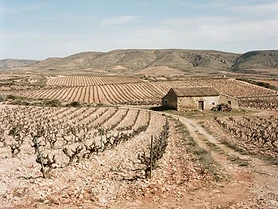
The town sits on a singular limestone outcrop, isolated from the coastal plain of Castellón by the rugged Maestrazgo mountains. The landscape transitions from the arid Mediterranean scrub to dense forests of pine and holm oak at higher elevations. Reaching the town involves winding mountain roads that climb through deep valleys and narrow limestone gorges. Winters bring freezing winds and occasional snow, while summer nights hold a distinct chill despite the heat of the lower plains. It serves as a quiet administrative center for the surrounding hill country, holding a persistent stillness once the day visitors depart.
What to eat and drink
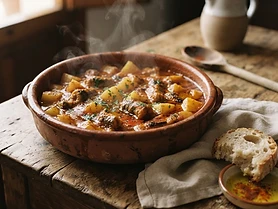
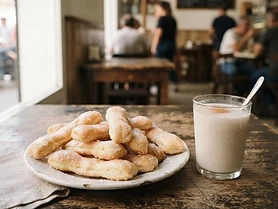
The cuisine centers on the high mountain pasture and the bounty of the forest. The local specialty is croquetas morellanas, large savory fritters stuffed with shredded meat, often chicken or pork, and thickened with a dense béchamel. Lamb from the local flocks appears in many forms, frequently roasted with a simple crust of herbs. The surrounding woods provide black truffles, which appear in seasonal stews and sauces. For dessert, the town produces flaons, crescent-shaped pastries filled with a sweet blend of cottage cheese and ground almonds, a tradition that persists alongside the heavy, honey-drenched almond cakes common to this province.
Valencia: the whole region
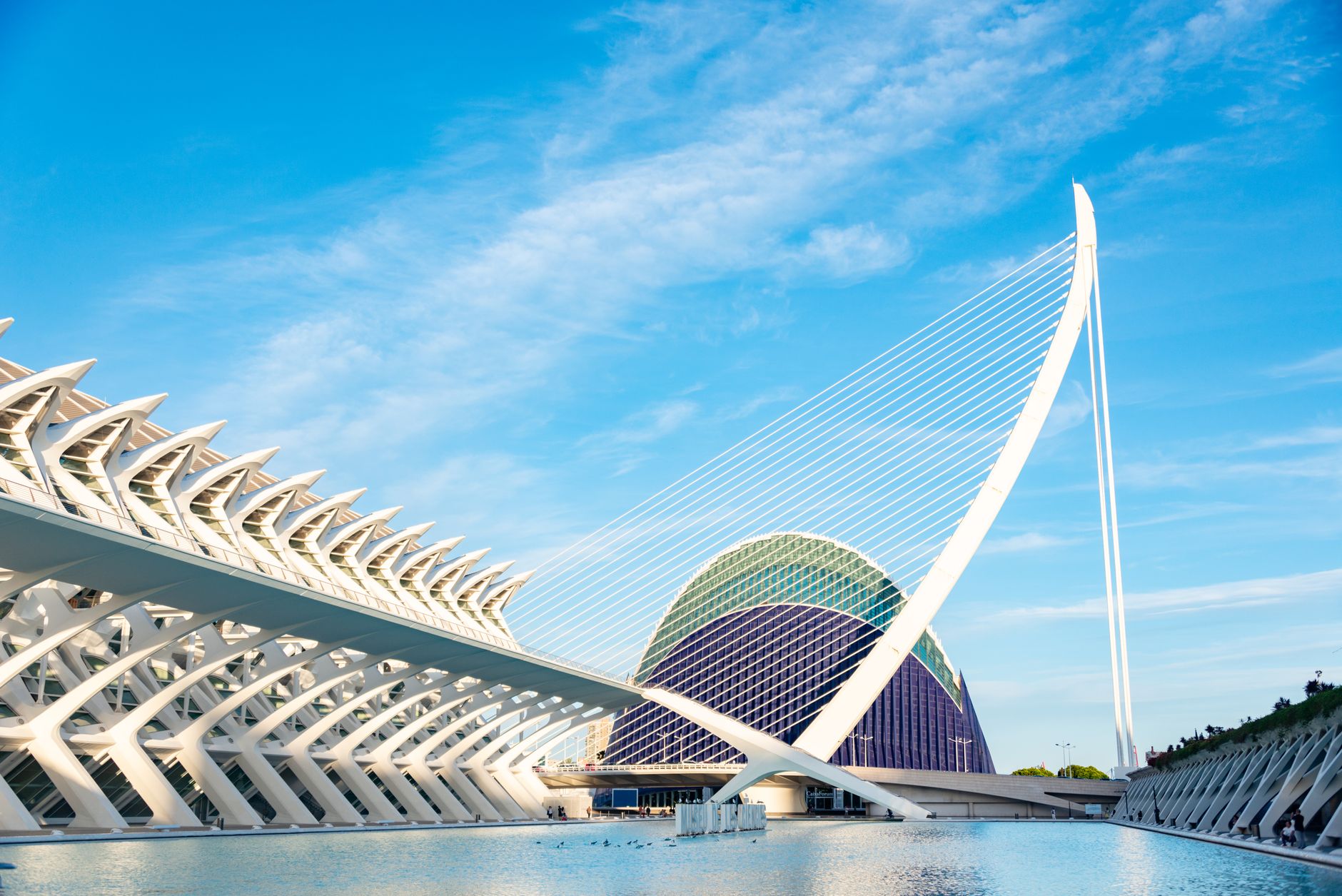
A long, hot, flat coast with one excellent city at its centre and much emptier country behind it. Valencia itself earns three days on its own — the old town, the Central Market, the City of Arts, and the rice that was invented in the…
Minimum 3 days · better 5-6 days · deep 8-10 days
In Valencia

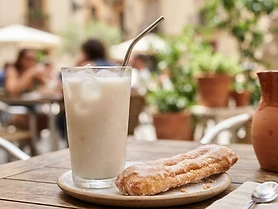


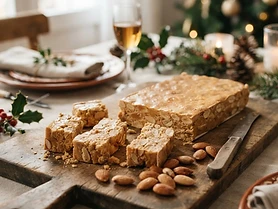


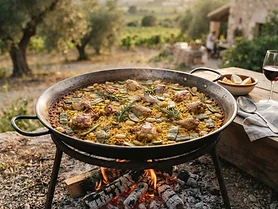




In Valencia


In Valencia










Other Worth a Detour in Valencia



Logistics are verified only. We don't publish schedules we haven't confirmed.
Experiences worth booking ahead
Spain Field Guide may earn a commission when you book through selected links. Recommendations are editorial and independent of commission.
Ready to build Morella into a trip?
You've found a place worth going. When you're ready to turn discovery into an itinerary, Travel Itinerary Co picks up where the Field Guide leaves off — with your saved places already in hand.
Build this into a tripContinues on Travel Itinerary Co
Spain Field Guide may earn a commission when you book through selected links. Recommendations are editorial and independent of commission.