Ohanes
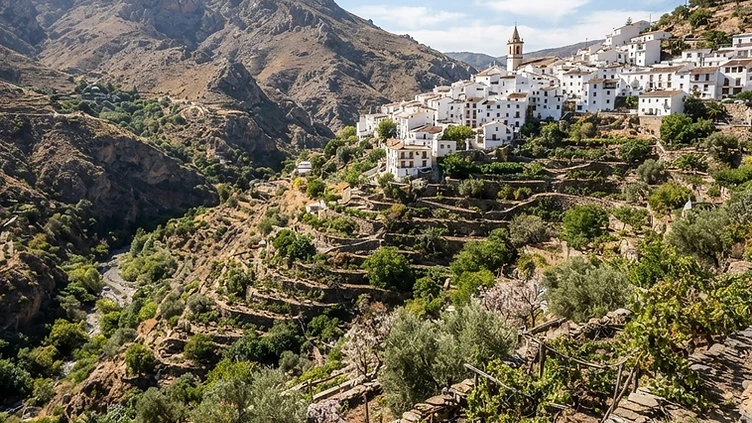
Worth a detour for the walk above the village and the sense of a trade that left.
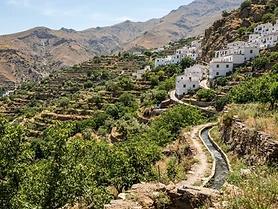
The terraces behind the Almería grape trade, on ground you would not believe was farmed.
At a Glance
Ohanes is famous in Almería for one thing: its grape. The Ohanes grape — thick-skinned, late, and able to survive the sea crossing — was the export crop that made the province's fortune in the nineteenth century, grown on terraces hacked into slopes so steep that everything had to leave by mule. The terraces are still there, some of them still worked, and the village above them is a tight stack of white houses with a church and a spring. A few people have restored houses; most stand empty. Walk up to the terraces for the best understanding of what the trade cost.
How it got here
The village sits within the Alpujarra Almeriense, a landscape shaped by the late medieval migration of Moriscos following the fall of the Nasrid Kingdom of Granada. These communities engineered the complex irrigation systems that allowed for the intensive cultivation of the Ohanes grape, a variety prized for its thick skin and resistance to rot during long sea voyages. The nineteenth century export boom brought wealth to these slopes, funding the construction of the village houses before the Phylloxera epidemic collapsed the trade. Today the abandoned terraces trace the geometry of this vanished economy, leaving behind a stark architecture of survival in the high foothills of the Sierra Nevada.
Where it sits
The village clings to the south-facing slopes of the Sierra Nevada mountains, overlooking the deep valley carved by the river Andarax. Pale stone and whitewashed walls dominate the steep, narrow streets that wind through the terrain. Access follows winding mountain roads that climb from the lower Almería plains into the cooler, thin air of the higher altitudes. Winters bring snow to the high peaks while the spring runoff keeps the valley floor green and active. The solitude of the landscape remains constant, punctuated only by the seasonal rhythm of the remaining agricultural plots.
What to eat and drink
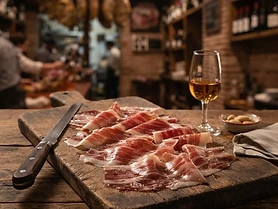
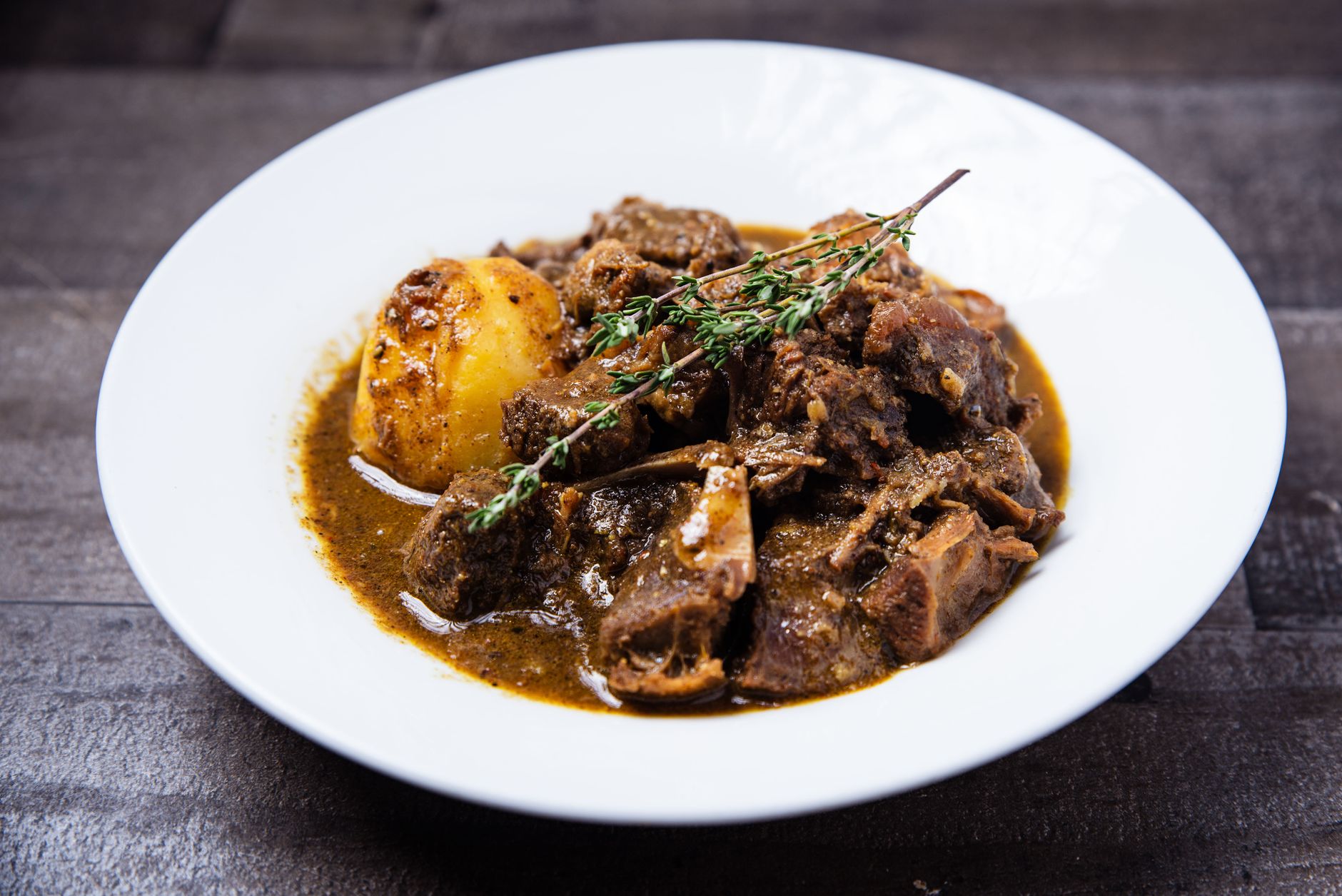
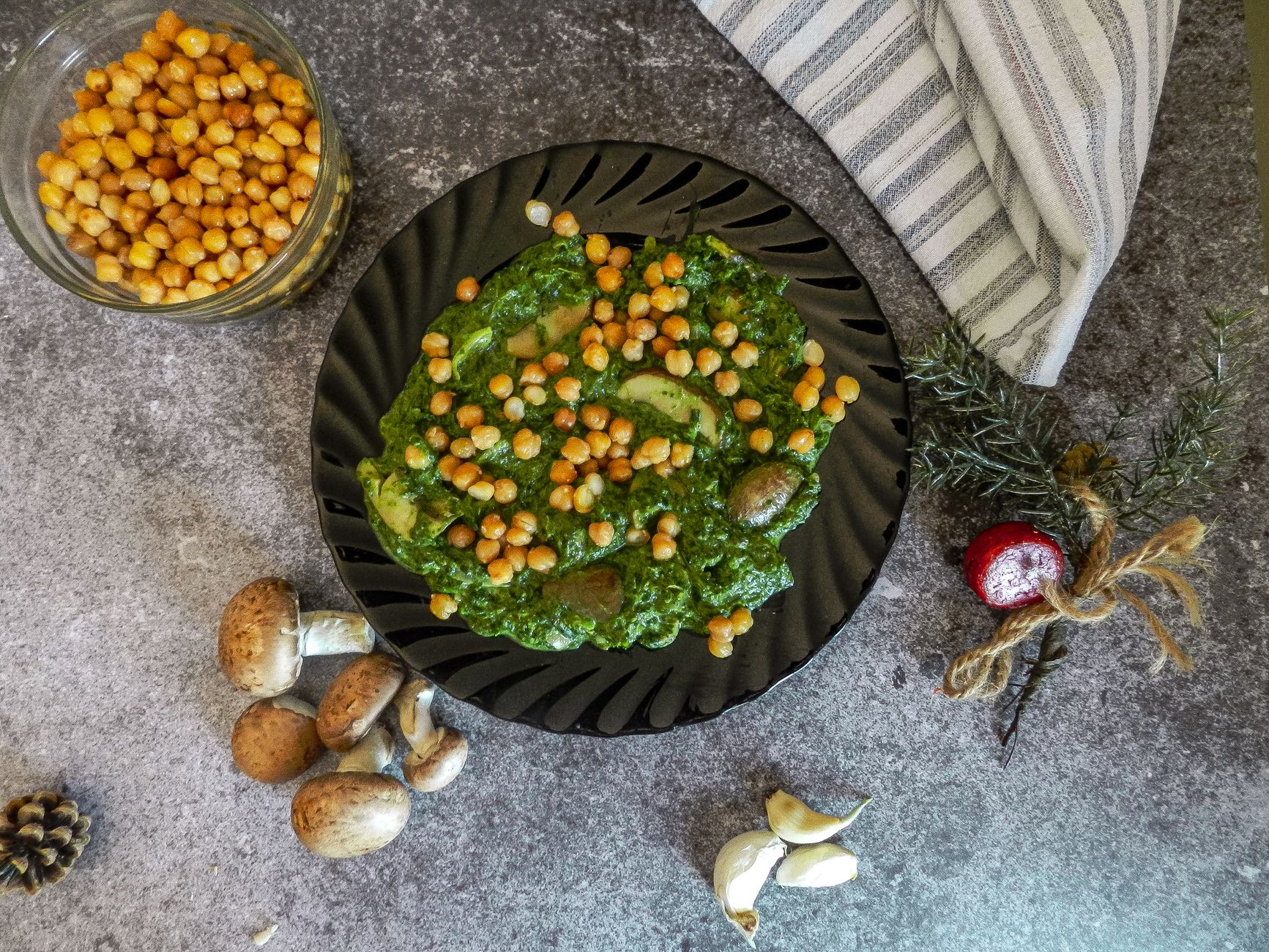
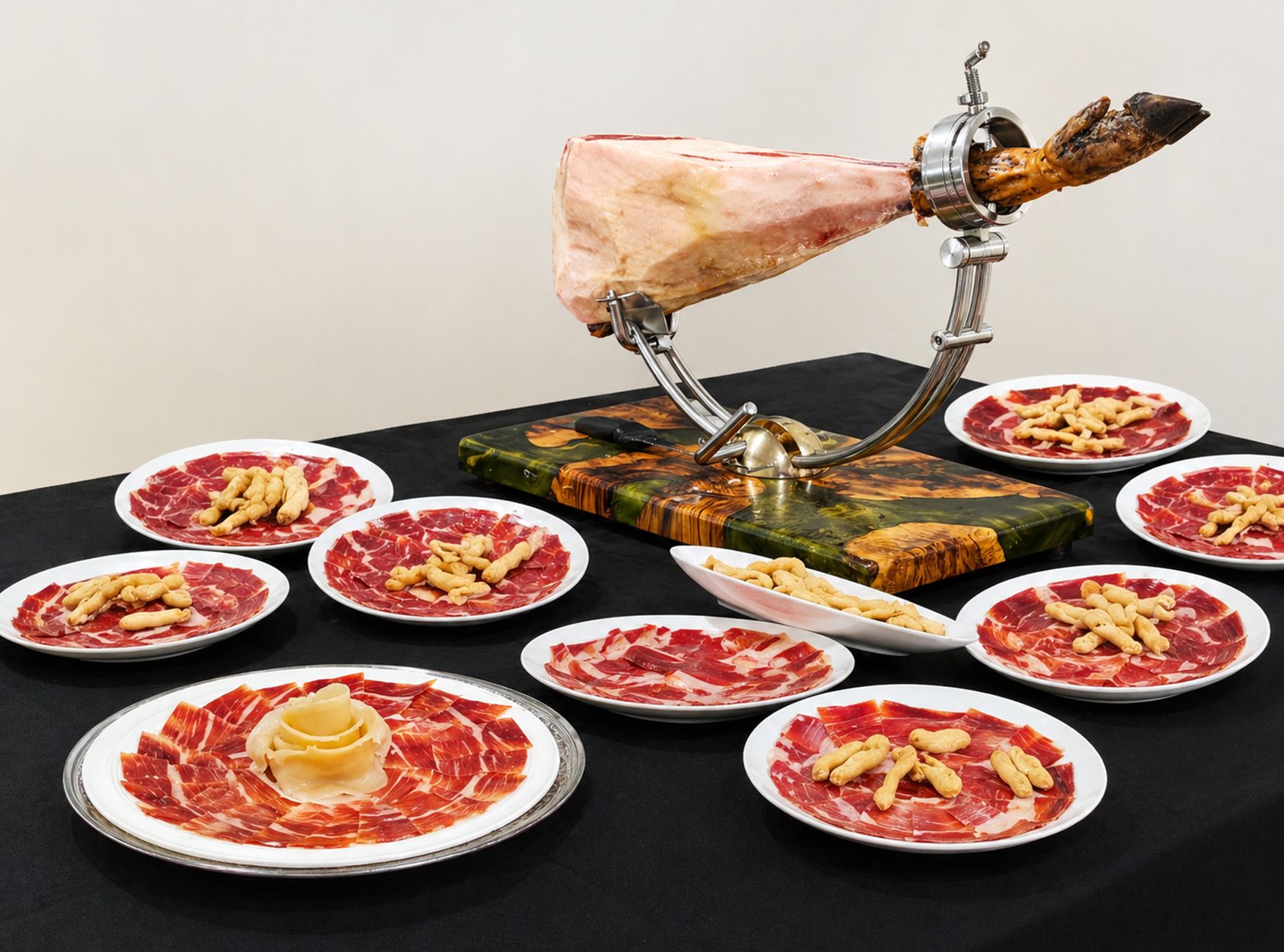
The local diet draws from the produce of the high mountain gardens and the traditional livestock of the province. Gachas, a dense porridge made from flour and water served with fried pork and peppers, provided the necessary calories for laborers working the steep terraces. Jamón de Serón, dry-cured ham from the nearby high-altitude air, appears alongside plates of migas, breadcrumbs fried with garlic and pork fat. Potaje de hinojos, a robust stew of chickpeas and wild fennel, defines the winter meals. The wine produced on these slopes typically serves as a sharp, acidic accompaniment to the salt-heavy cured meats.
Andalusia: the whole region
The Spain most first-time visitors are picturing: the Alhambra, orange trees, sherry, and a coastline that runs from windsurfing water to resort sprawl. It is also the region people most often ruin by underestimating it. Seville and…
Minimum 5 days · better 8–10 days · deep 2 weeks
In Andalusia






In Andalusia


In Andalusia




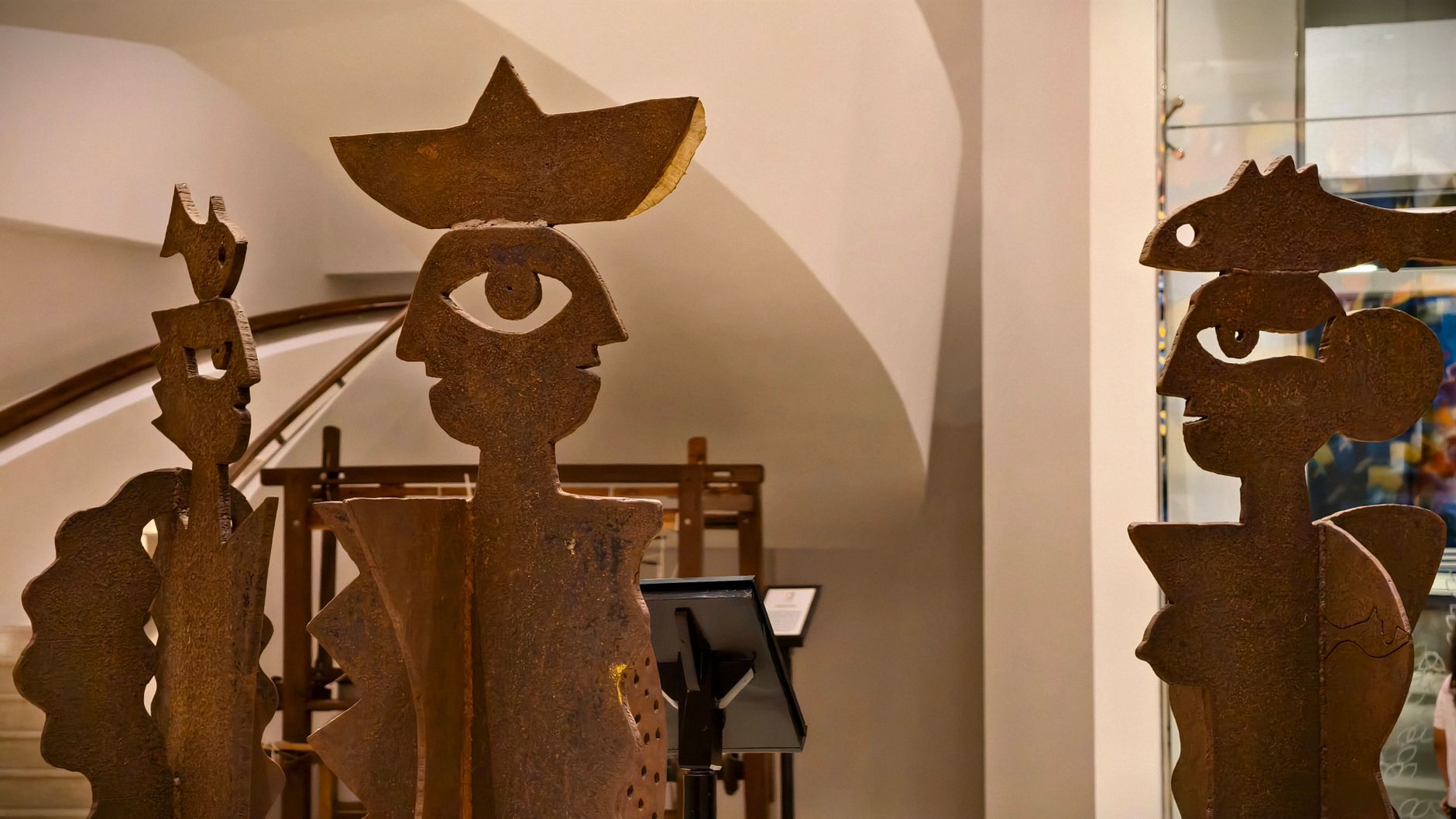

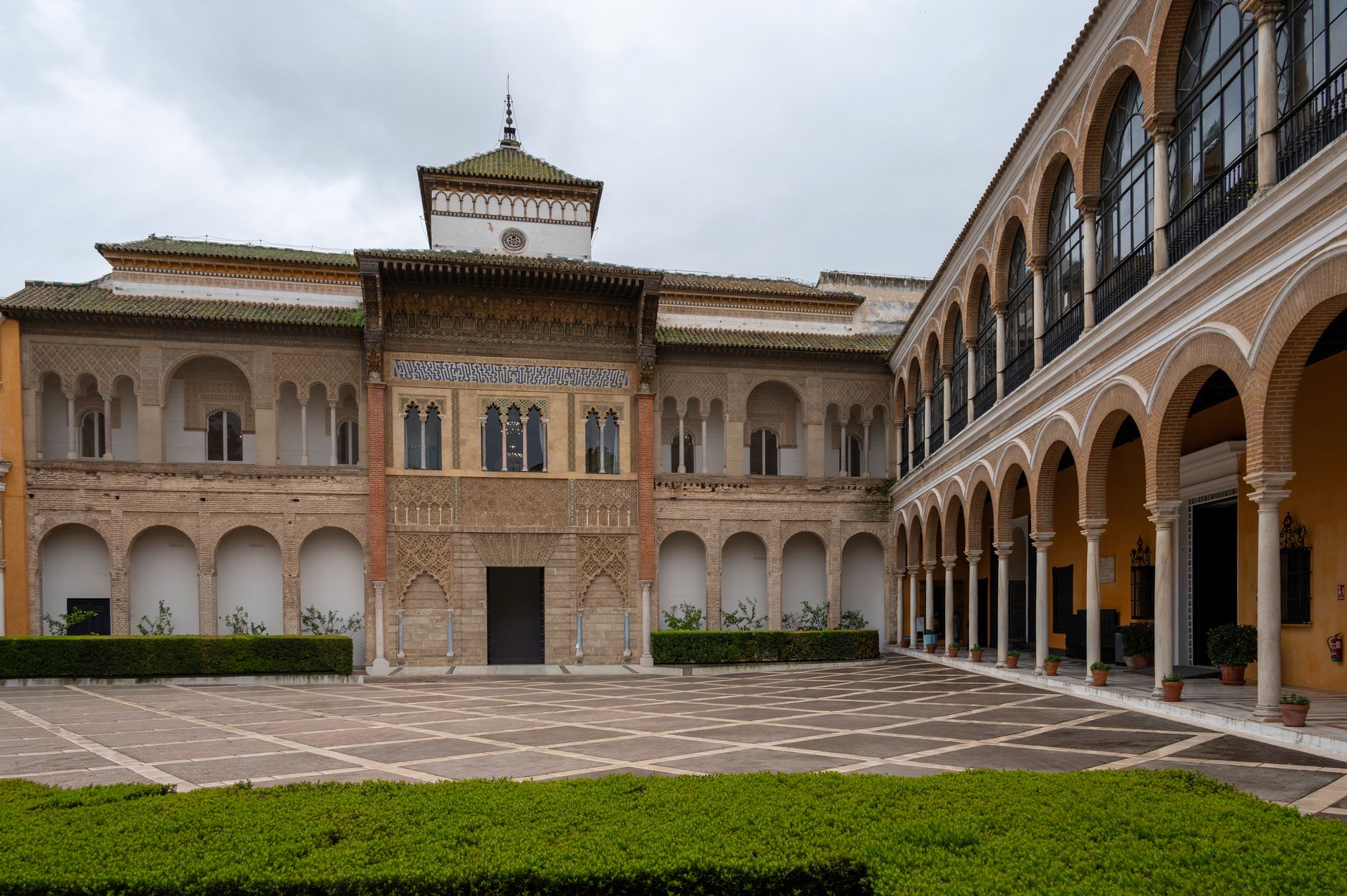


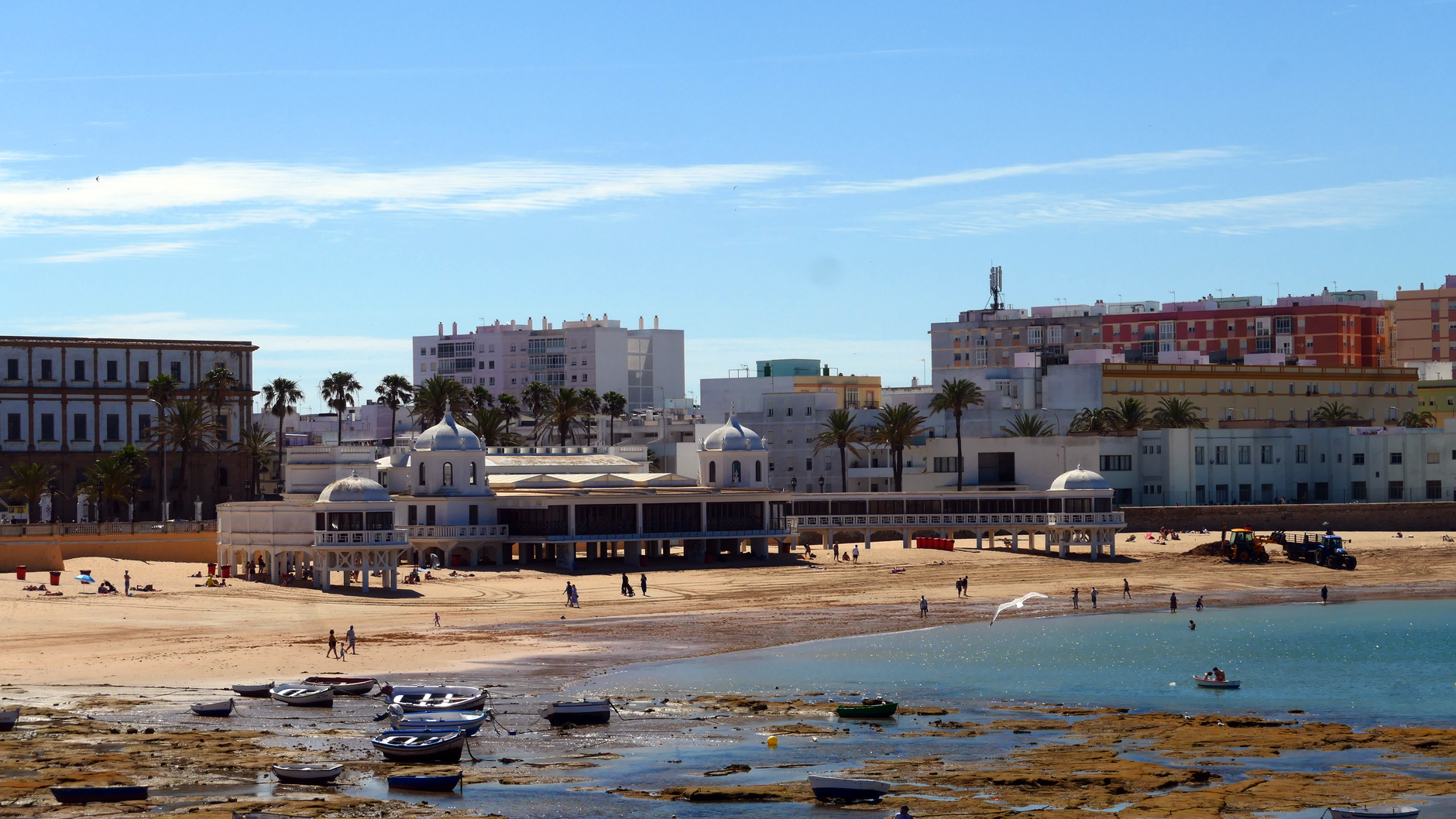









Other Worth a Detour in Andalusia



Logistics are verified only. We don't publish schedules we haven't confirmed.
Experiences worth booking ahead
Spain Field Guide may earn a commission when you book through selected links. Recommendations are editorial and independent of commission.
Ready to build Ohanes into a trip?
You've found a place worth going. When you're ready to turn discovery into an itinerary, Travel Itinerary Co picks up where the Field Guide leaves off — with your saved places already in hand.
Build this into a tripContinues on Travel Itinerary Co
Spain Field Guide may earn a commission when you book through selected links. Recommendations are editorial and independent of commission.