El Born
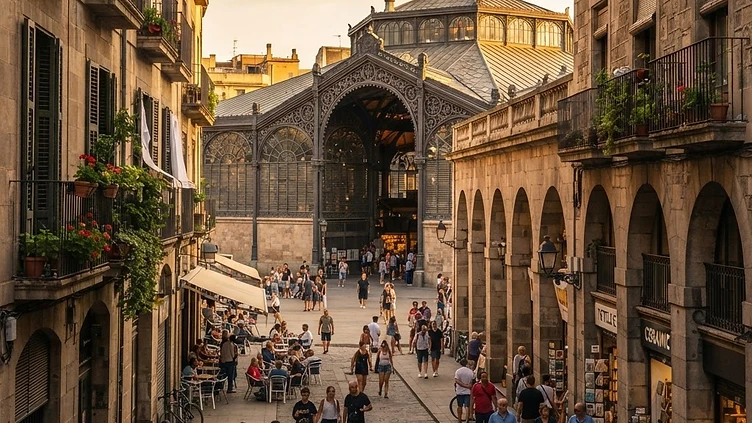
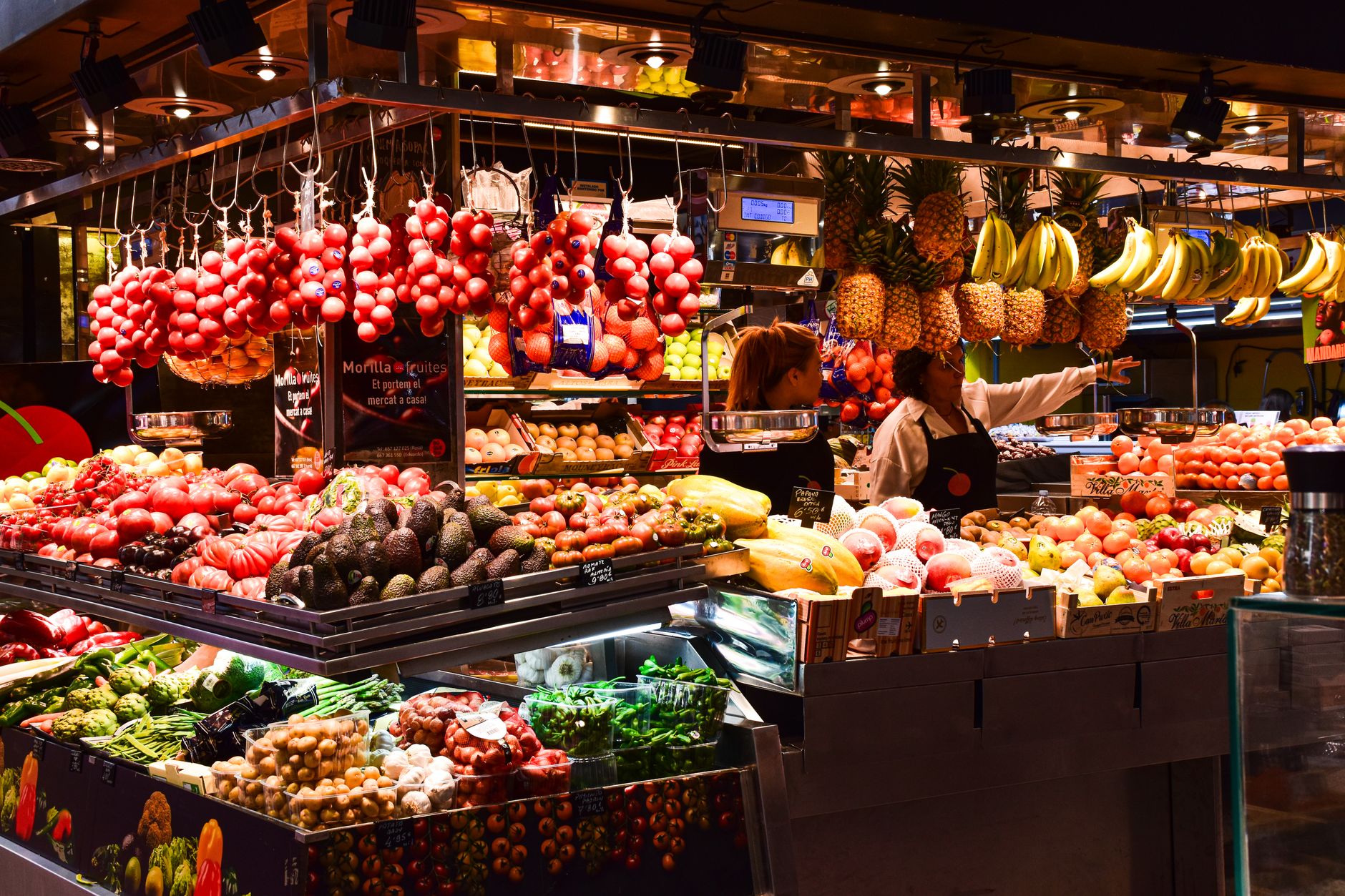
Best at lunch and in the early evening. The Passeig del Born's terraces are priced for visitors; the streets two blocks behind them cook better.
Eating, drinking and walking, in the most pleasant old streets in the city.
At a Glance
- — You want quiet; the bars run late
The quarter between the Gothic core and the Ciutadella park, built around the iron and glass market hall and the Passeig del Born, with the Picasso Museum at one end and a very high number of small restaurants and wine bars in between. It was an artisans' quarter, then a nightlife district, and it has settled into something in between.
How it got here
Medieval merchants established the quarter along the waterfront during the expansion of the maritime power of Barcelona. The construction of the Santa Maria del Mar church in the fourteenth century cemented the district as a center for guilds and wealthy traders. The massive iron market hall built in the nineteenth century later replaced the open stalls that defined the commercial life of the streets for centuries. The dense layout and narrow alleys survived the industrial expansions that transformed other parts of the city because the walls of the earlier fortifications dictated the boundaries of the district for generations.
Where it sits
The neighborhood fills the space between the Roman walls of the Gothic Quarter and the green space of the Ciutadella park. Salt air from the Mediterranean reaches the stone facades in the morning before the sun heats the labyrinth of pedestrian lanes. Summer months bring a heavy humidity that keeps the crowds moving until long after midnight. During the winter months the narrow streets hold a chill, but the sea breeze keeps the frost away. Tourists crowd the primary transit routes between the museum and the market, leaving the quieter side alleys for residents.
What to eat and drink
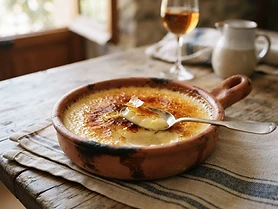
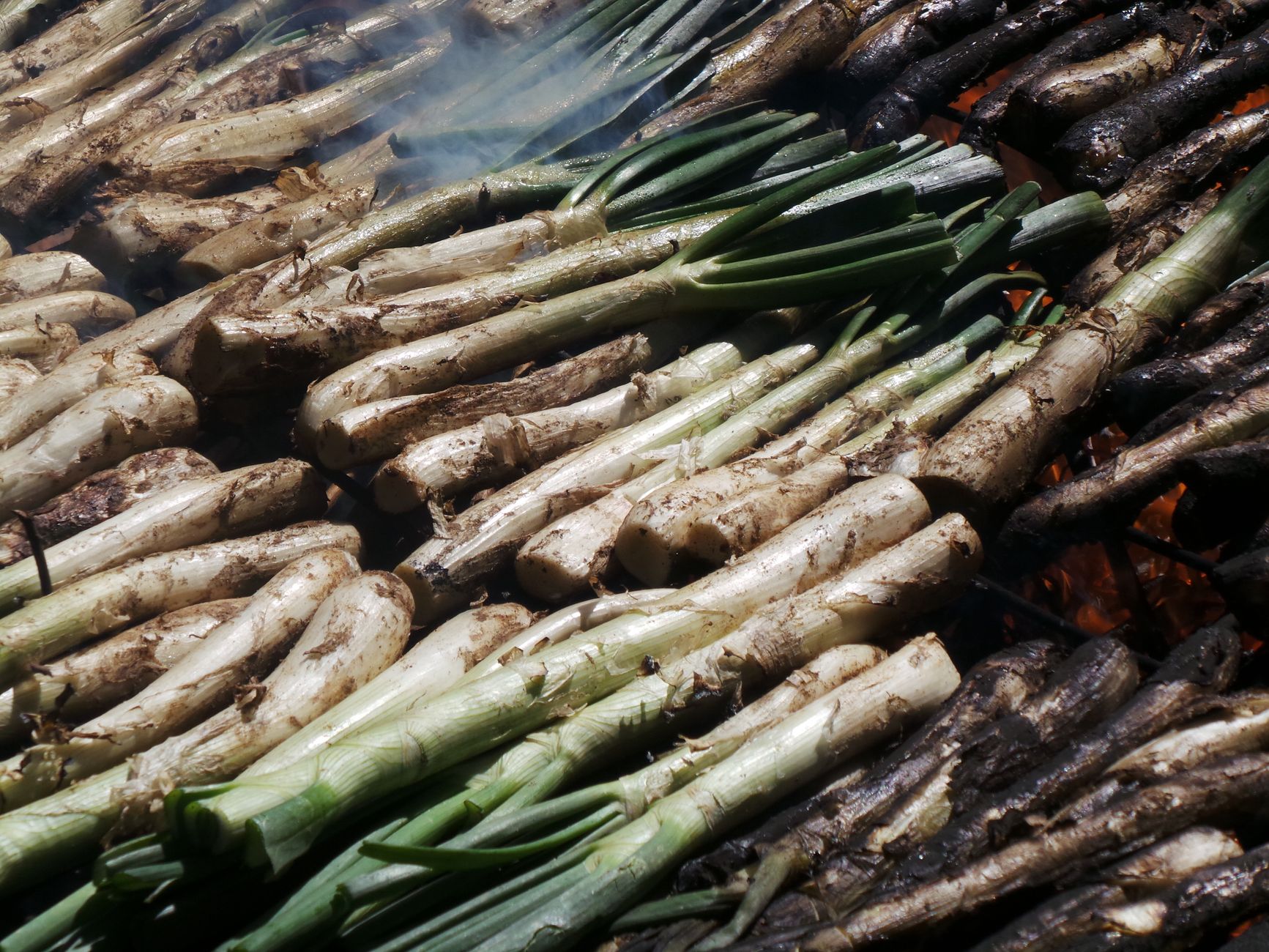
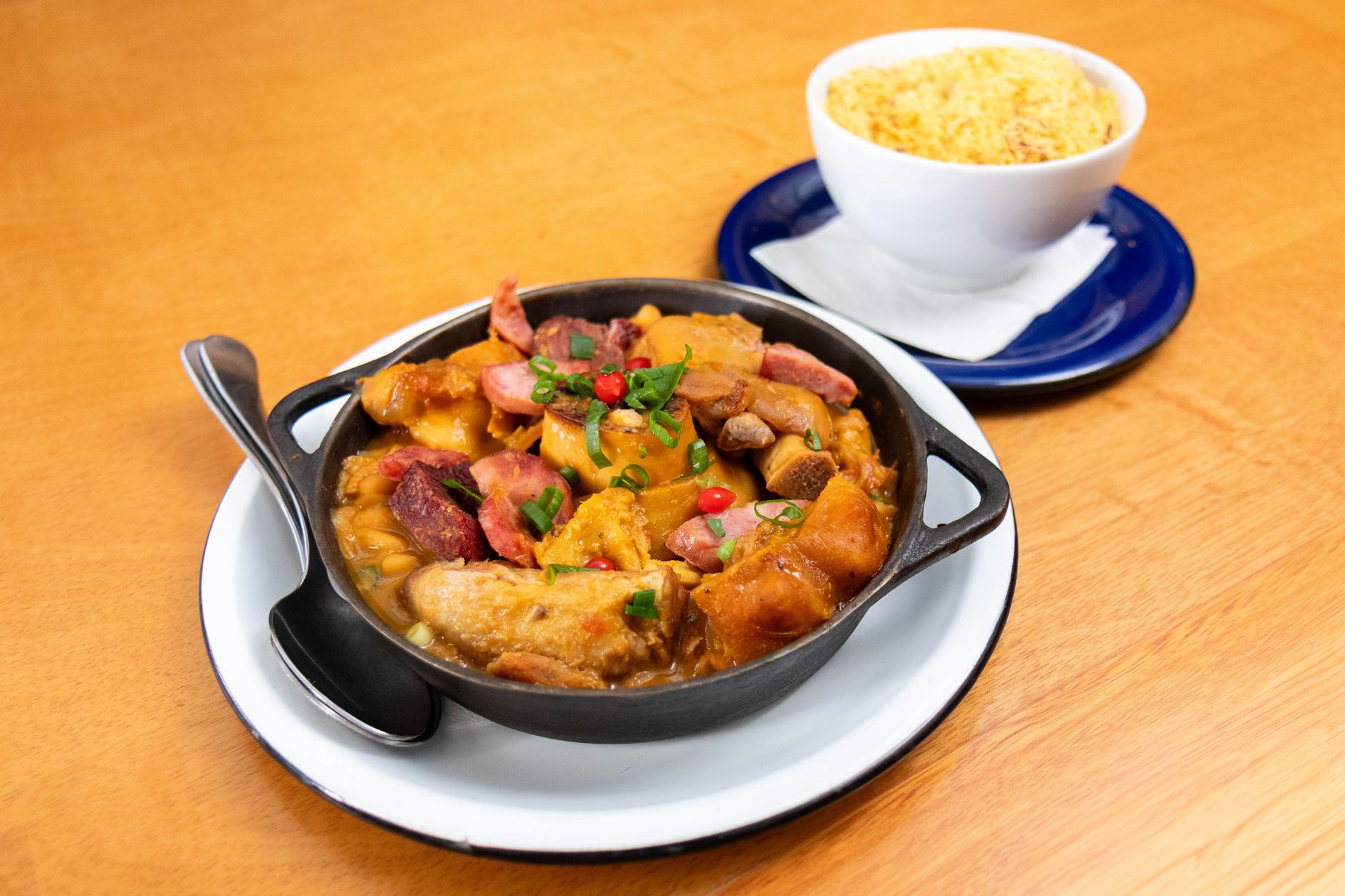
Catalan cooking defines the menus here, relying on products from the surrounding coastal plains and inland mountains. Pan con tomate, toasted bread rubbed with ripe tomatoes and olive oil, accompanies every meal. Escudella i carn d'olla, a hearty stew of pork, sausage, and seasonal vegetables, provides the foundation for winter dining. Diners drink Priorat or Penedès wines produced in the regional hills to cut the fat of the cured botifarra sausage. Crema catalana, a custard topped with a burnt sugar crust, serves as the standard finish to a midday feast.
Catalonia: the whole region
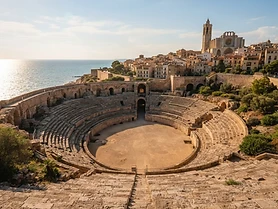
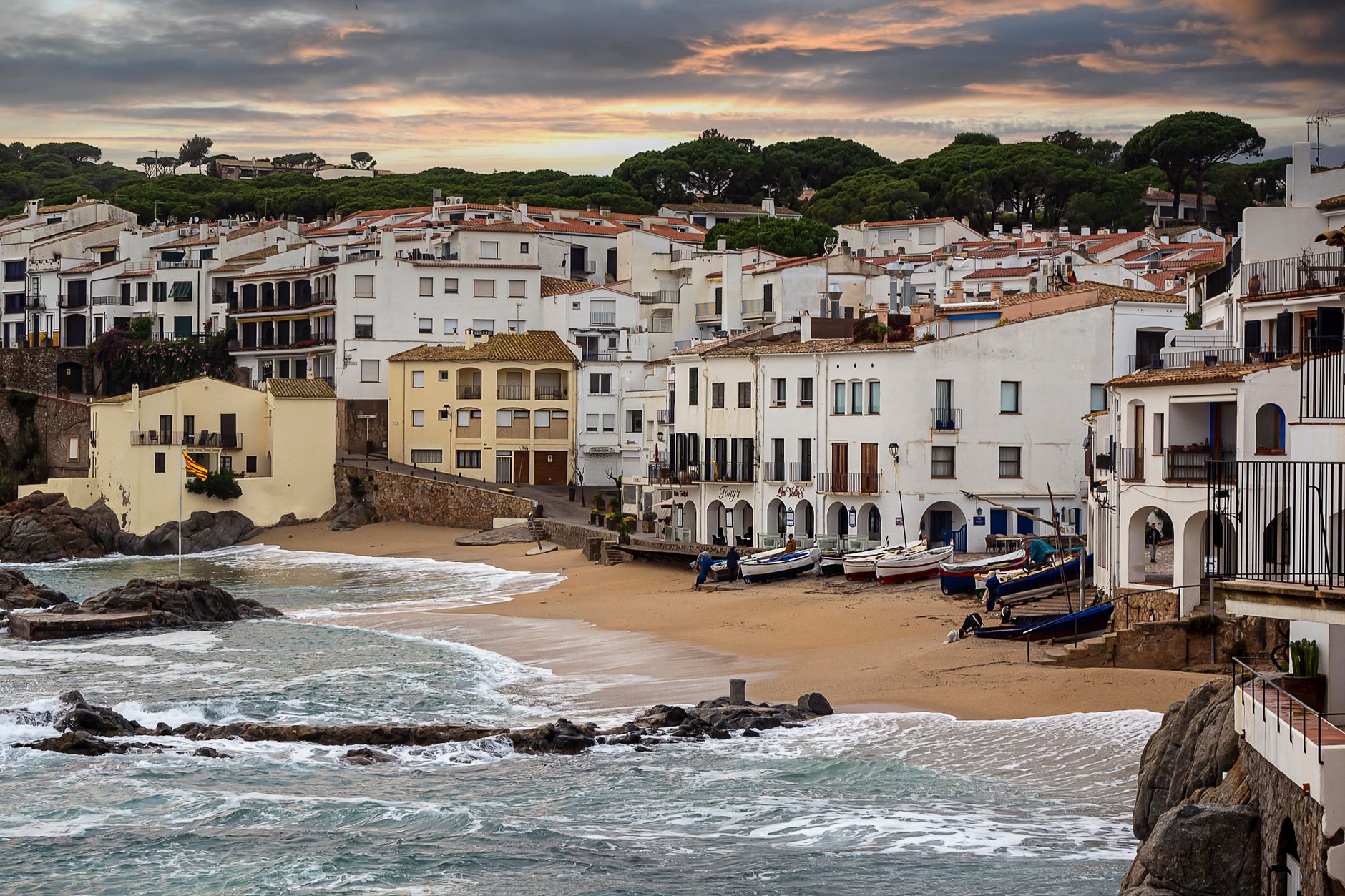
Barcelona is the anchor and most trips never leave it, which is a mistake but not a fatal one: Girona, Tarragona and the Costa Brava's coves are all within two hours by train or a short drive, and the Empordà behind them holds the best…
Minimum 4 days · better 7-8 days · deep 2 weeks
In Catalonia





In Catalonia


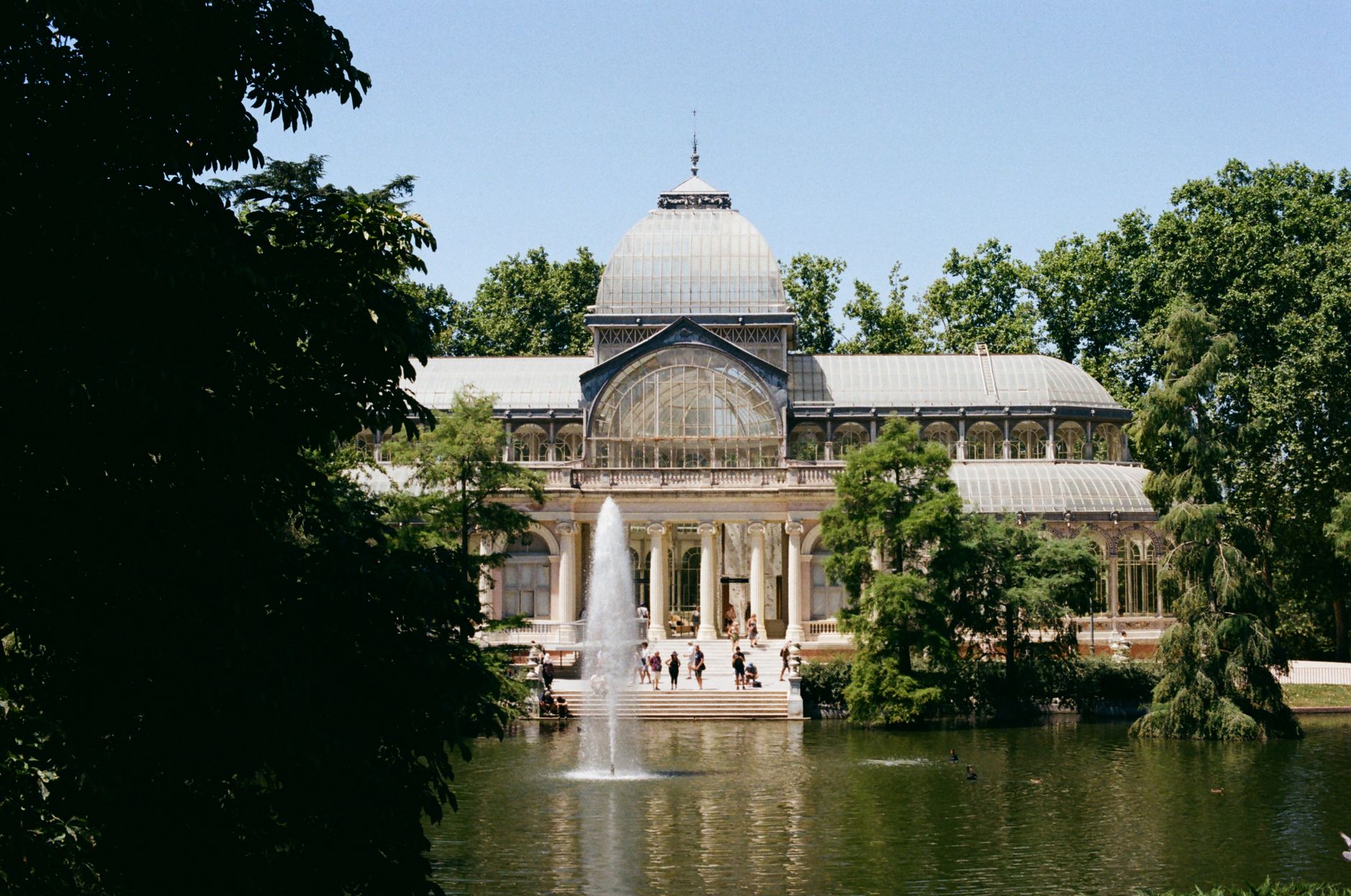


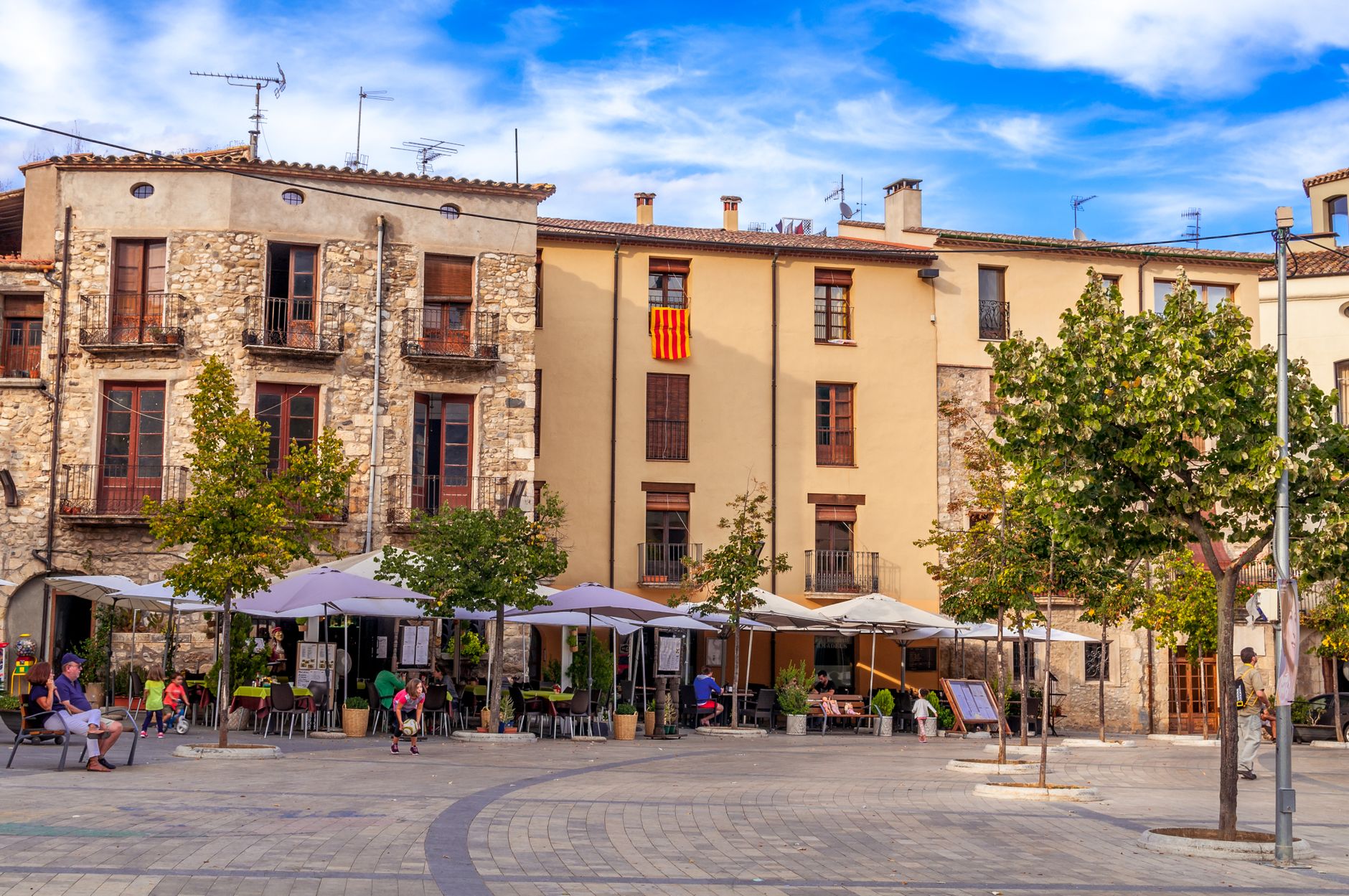
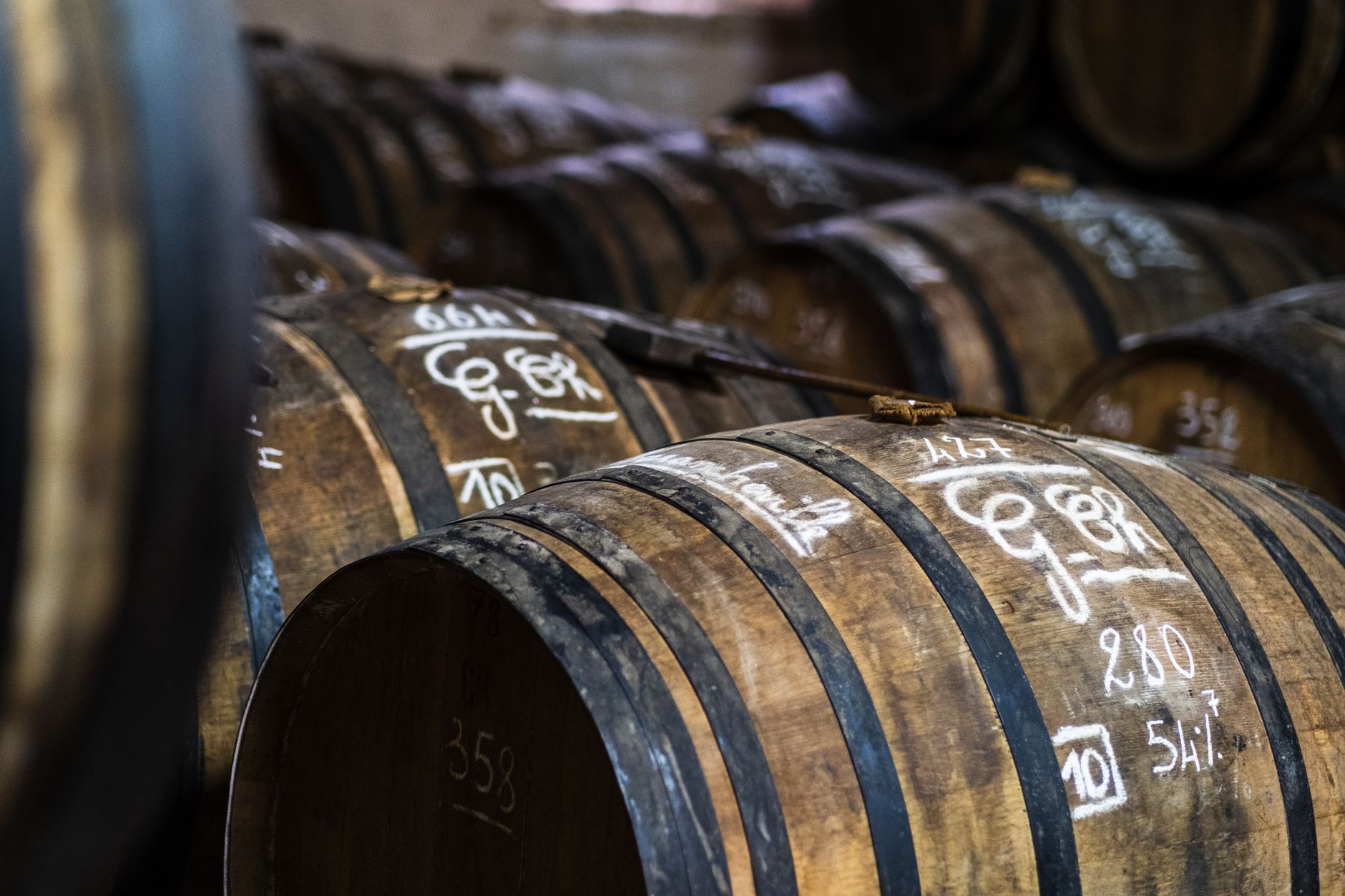

In Catalonia


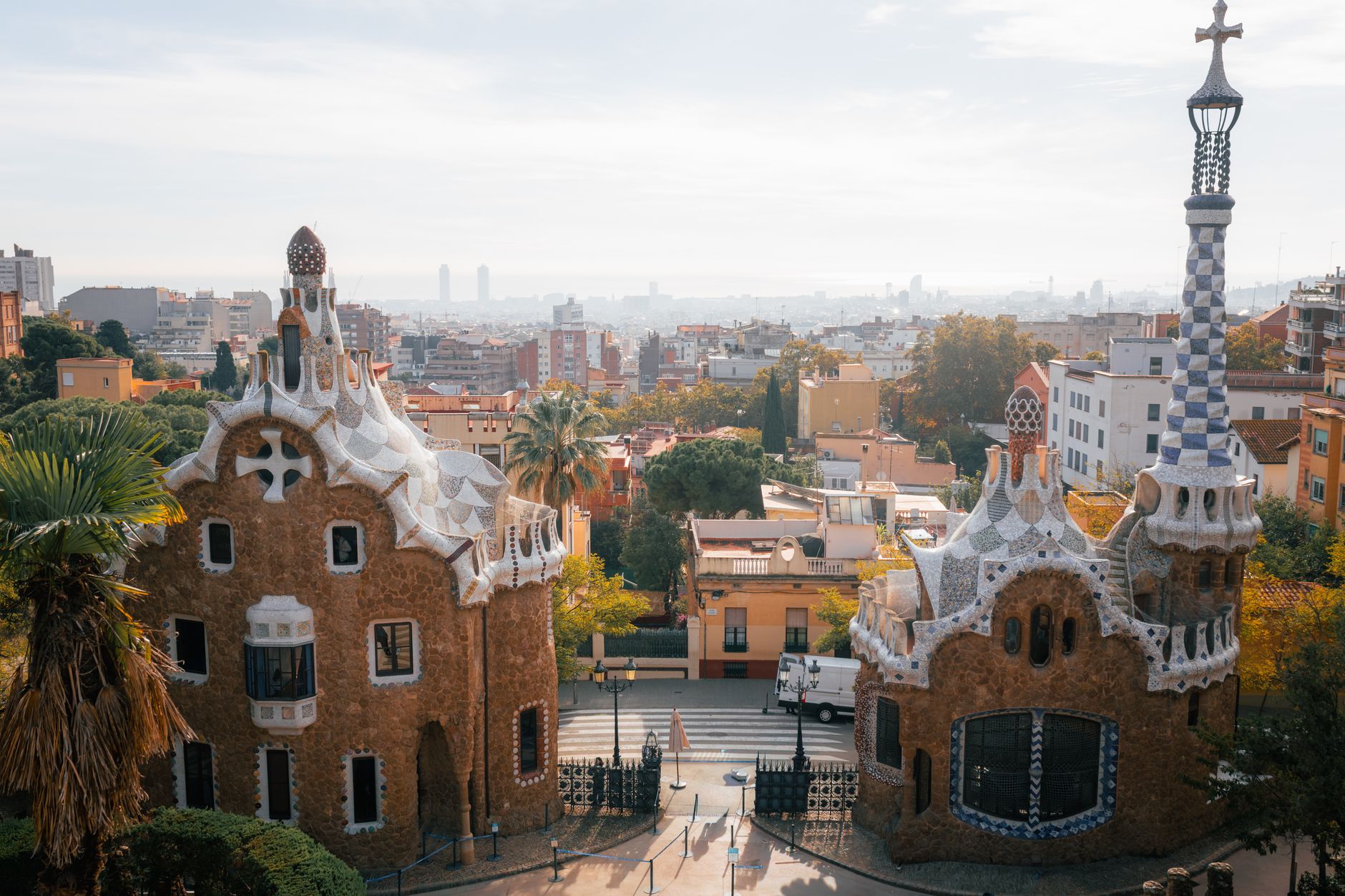



















Linked from elsewhere
Entries that name this place in their own nearby lists.
Logistics are verified only. We don't publish schedules we haven't confirmed.
Experiences worth booking ahead
- Barcelona: Guided Food Walking Tour with Tapas and Wine4.9 (1,390)2.5 hrsFrom €75
- Barcelona Tapas Food Tour in El Born5.0 (414)2.5 hrsFrom €79
- Barcelona Historical Walking Tour: Gothic Quarter and El Born4.9 (407)2 hrsFrom €25
- El Yunque Rainforest Waterslides, Waterfalls and Rope Swing4.8 (2,564)4 hrsFrom €23
Spain Field Guide may earn a commission when you book through selected links. Recommendations are editorial and independent of commission.
Ready to build El Born into a trip?
You've found a place worth going. When you're ready to turn discovery into an itinerary, Travel Itinerary Co picks up where the Field Guide leaves off — with your saved places already in hand.
Build this into a tripContinues on Travel Itinerary Co
Spain Field Guide may earn a commission when you book through selected links. Recommendations are editorial and independent of commission.