Gothic Quarter (Barri Gòtic)
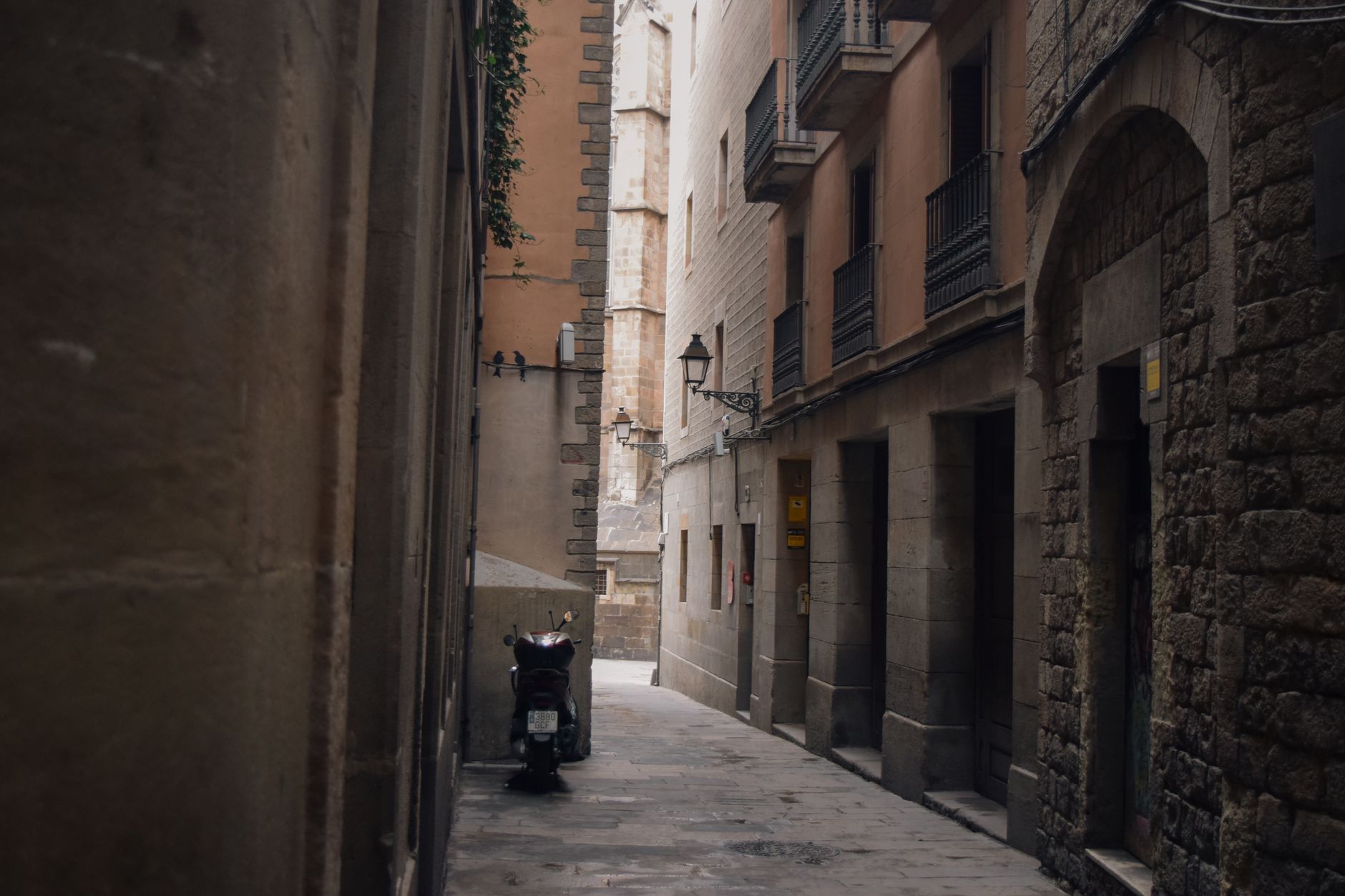
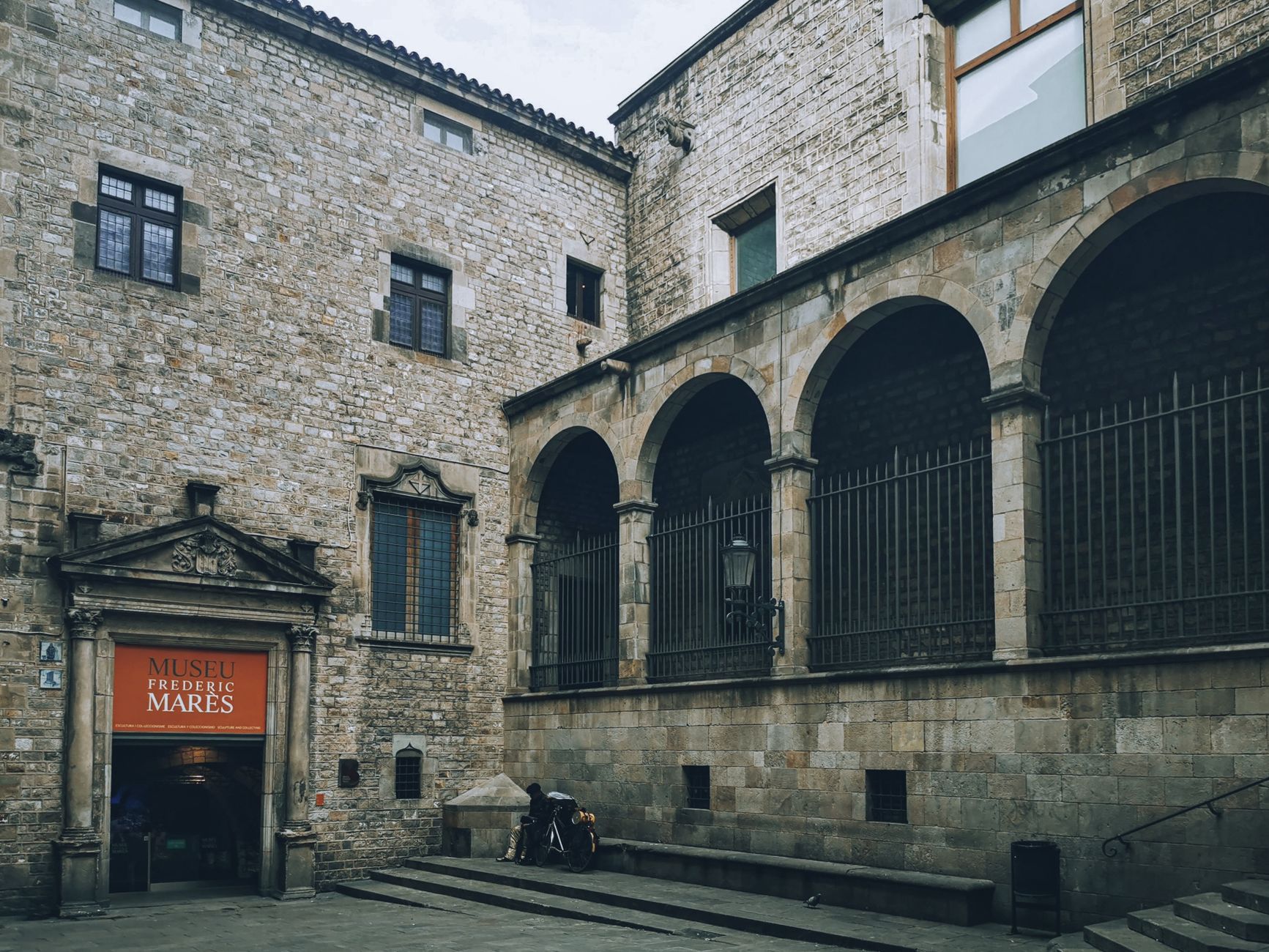
Stay here. Walk it at night when the day-trippers leave. The Cathedral cloister and the Plaça del Rei are the quiet stops.
Barcelona's medieval core, built over Roman Barcino — a labyrinth of Gothic cathedrals, Roman walls, Jewish-quarter stones, and tiny squares. The most atmospheric base in the city.
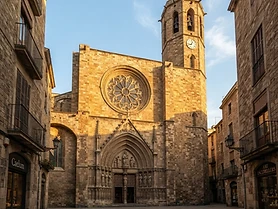
Catedral de Barcelona · Sagrada Família · Picasso Museum Barcelona
At a Glance
- — You want a quiet sleep — it's the nightlife heart
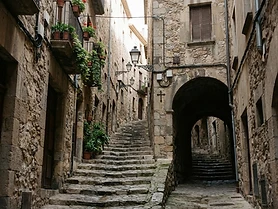
Labyrinthine alleys and dark stone plazas form the medieval core of the city, built directly over the remains of Roman Barcino. While the day-trippers crowd the main arteries, the silence of the Cathedral cloister and the secret corners of the Plaça del Rei offer a different, more somber experience. It is the atmospheric heart of the capital, best navigated late at night when the shadow of the cathedral is long and the tourist shops have finally shuttered their doors.
How it got here
Barcino earned its status as a Roman colony under Augustus, established to settle veterans on the low hill of Mont Tàber. Walls enclosed the settlement, creating a grid that dictates the circulation of the neighborhood today. During the Middle Ages, the seat of the Counts of Barcelona occupied this sector, centering power around the Plaça del Rei. The building of the Gothic cathedral from the thirteenth century onward solidified the district as the ecclesiastical core of the city. Later civic expansions pushed beyond the original Roman perimeter, yet the density of the initial walled layout defines the current spatial confinement and the orientation of the narrow streets.
Where it sits
The neighborhood fills the coastal plain between the Collserola hills and the Mediterranean Sea. Stone façades and tight corridors trap the heavy humidity of the sea breeze, creating a sharp contrast with the wide expansion of the nineteenth-century Eixample district. Summer heat hangs motionless within the deep canyons of the old city while winter brings a biting dampness from the water. Pedestrian flow reaches a total saturation point during the daylight hours, forcing a retreat into the quiet courtyards of the ecclesiastical buildings. Only in the deep hours of the night do the walls hold a human silence.
What to eat and drink
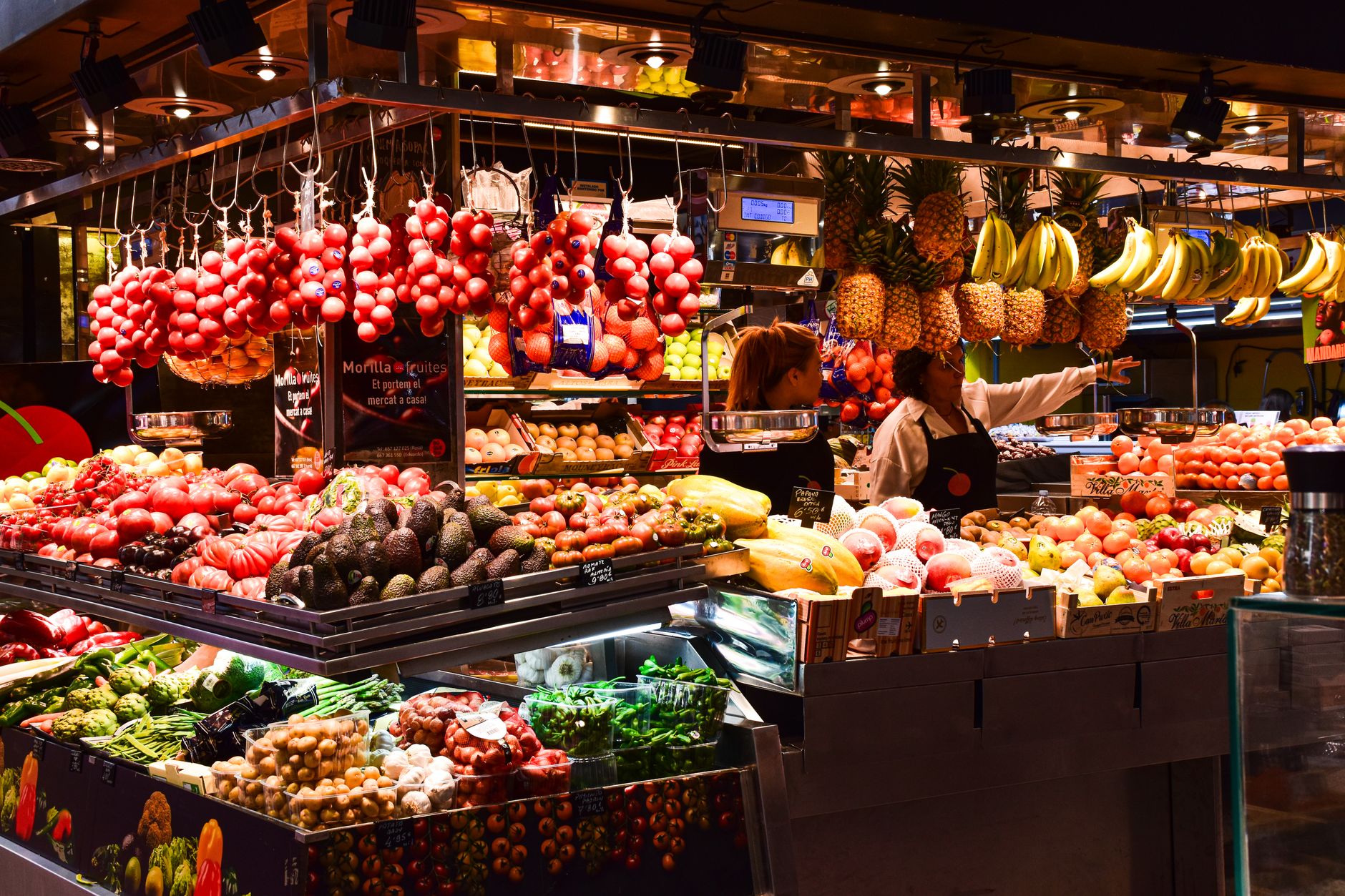
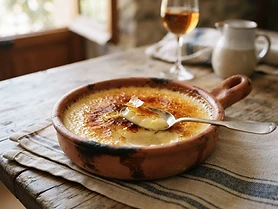
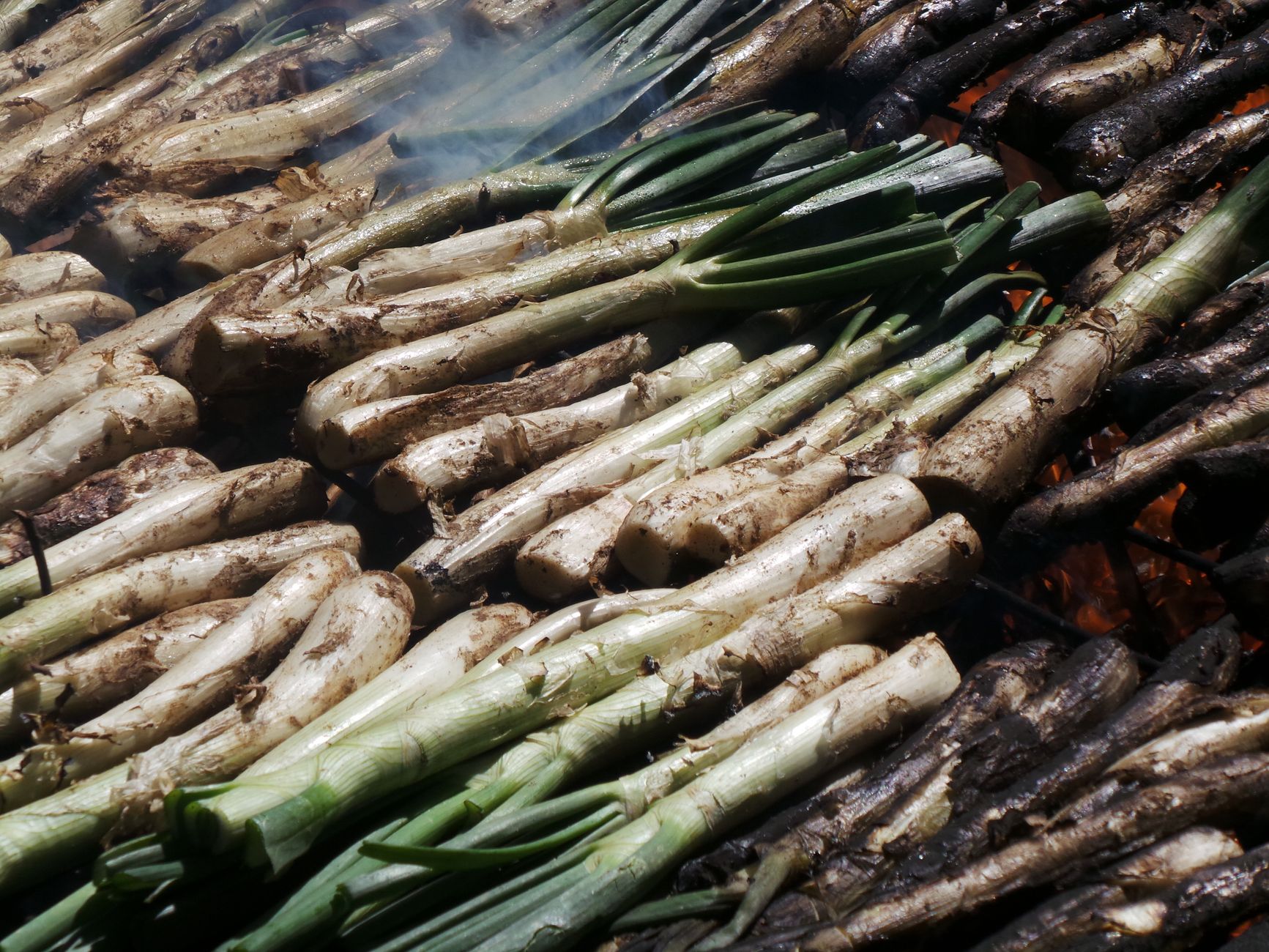
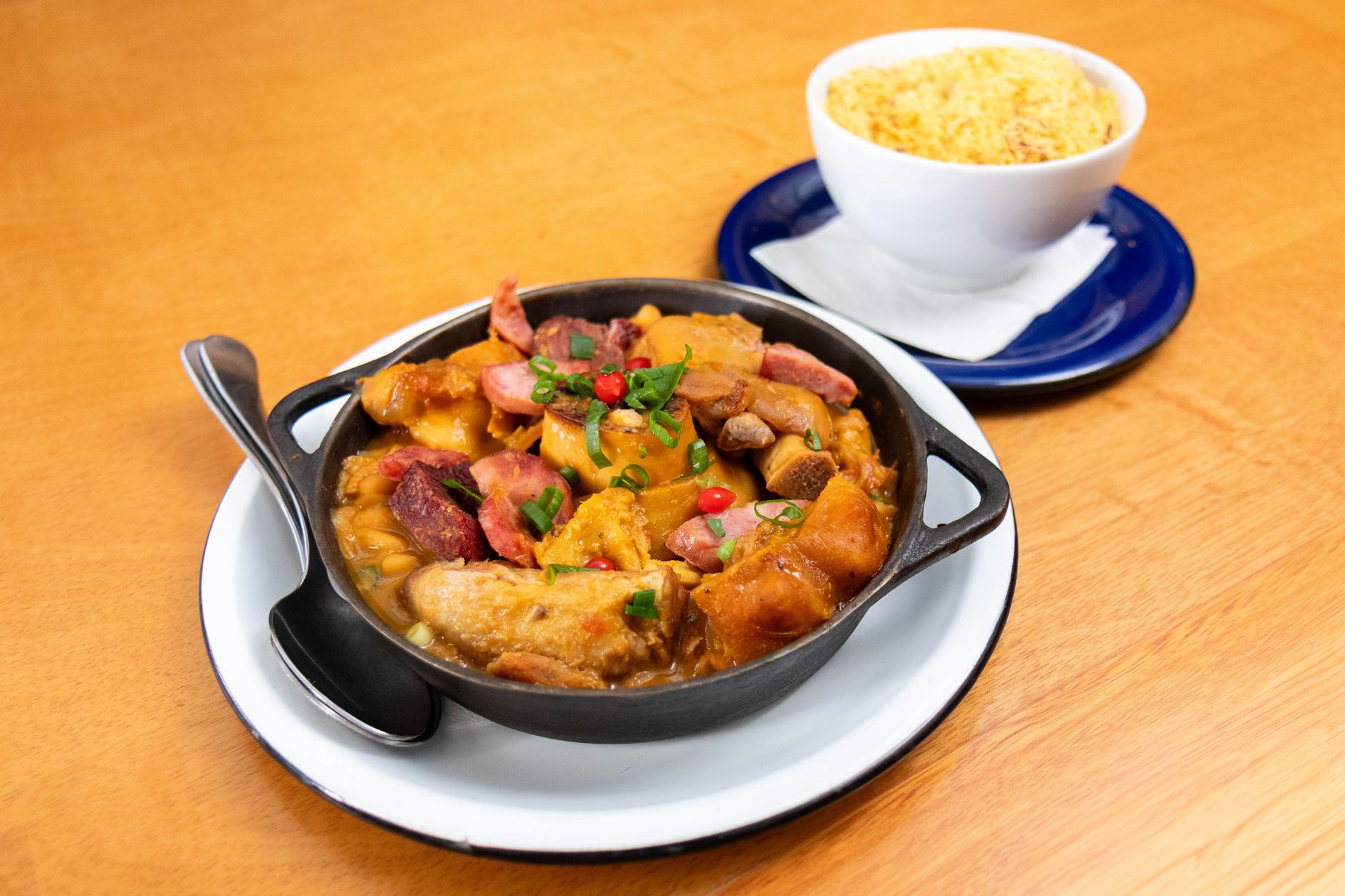
Escudella i carn d'olla, a heavy stew of meat, chickpeas, and vegetables often served in two parts with pasta, defines the traditional table of the city. Pan con tomate, bread rubbed with garlic and ripe tomato and finished with olive oil, acts as the primary accompaniment for local cured meats. Crema catalana, a custard base topped with a layer of hardened caramelized sugar, remains the definitive sweet. Cava, the sparkling wine produced in the Penedès countryside, travels the short distance to the city to accompany these meals and stands as the standard glass for any celebration.
Catalonia: the whole region
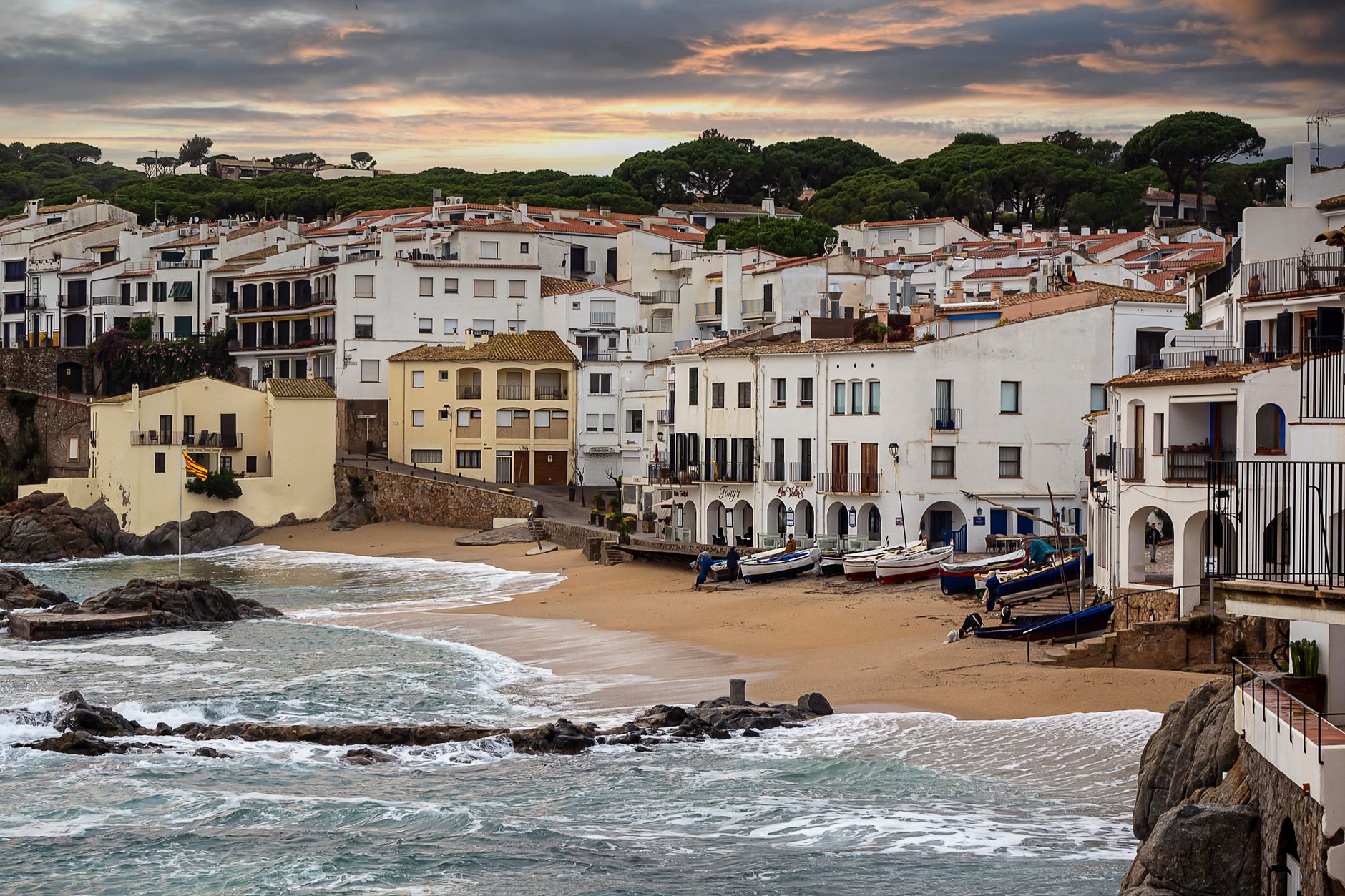
Barcelona is the anchor and most trips never leave it, which is a mistake but not a fatal one: Girona, Tarragona and the Costa Brava's coves are all within two hours by train or a short drive, and the Empordà behind them holds the best…
Minimum 4 days · better 7-8 days · deep 2 weeks

Pair It With

In Catalonia




In Catalonia




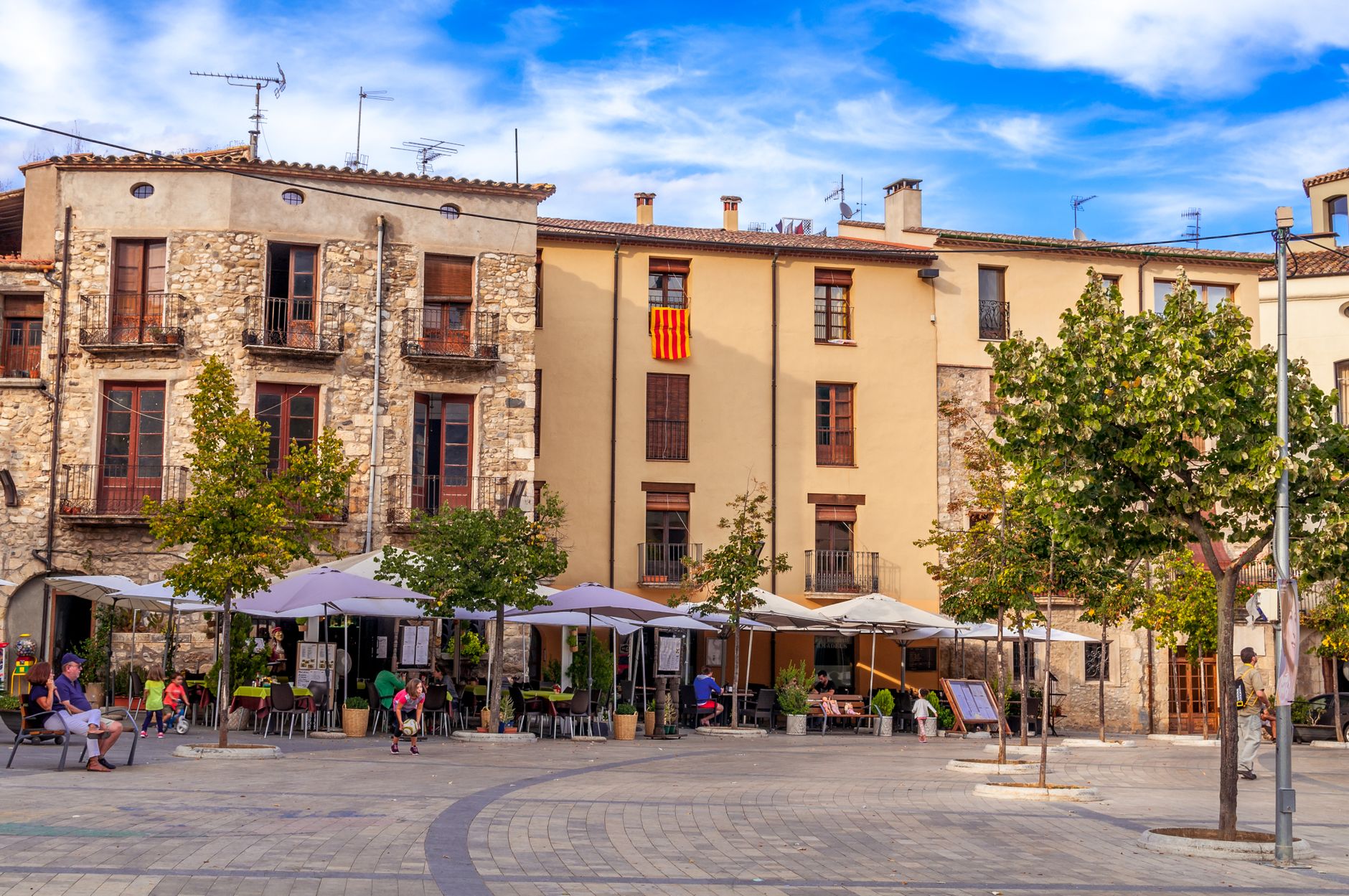
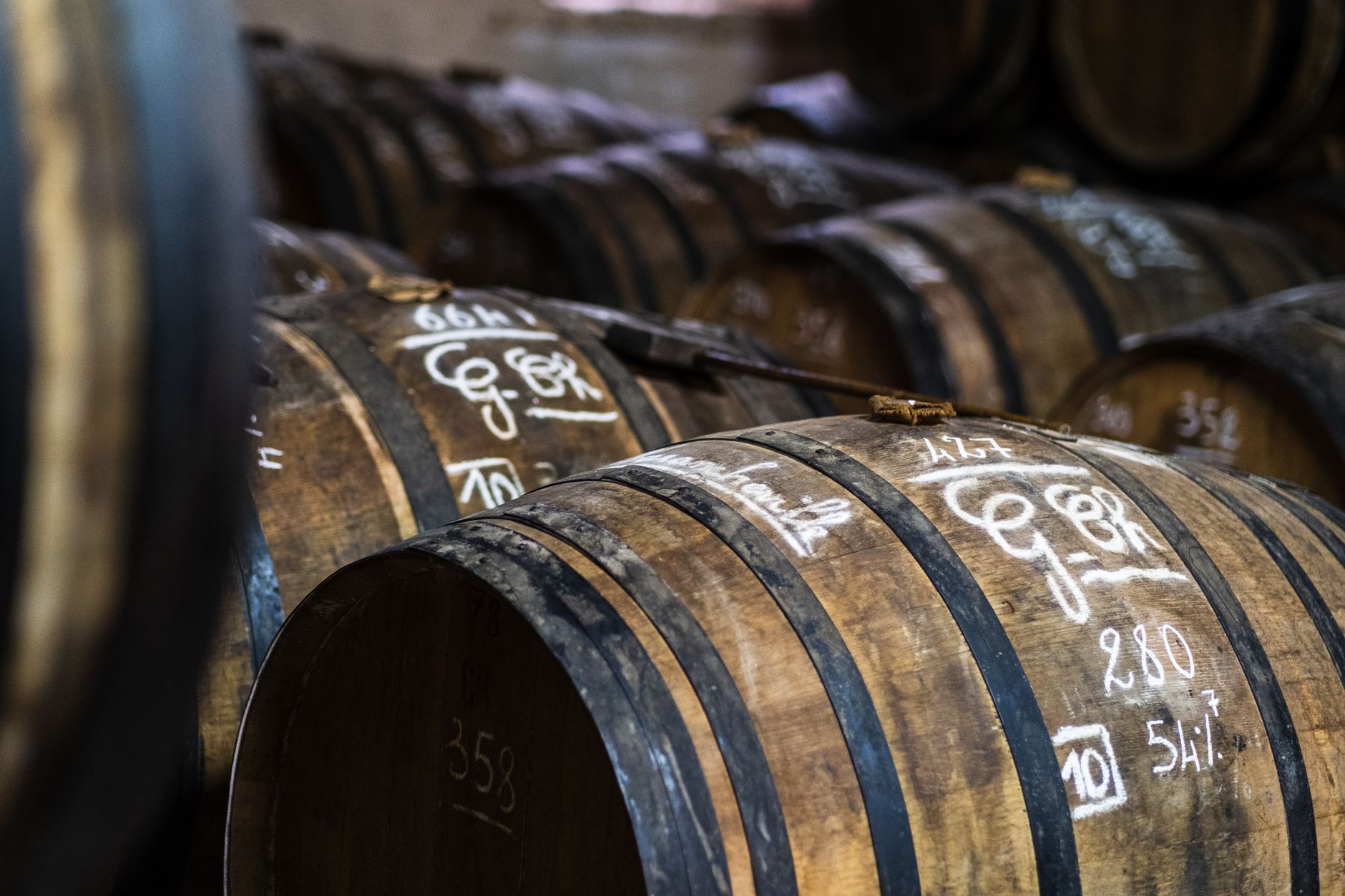

In Catalonia


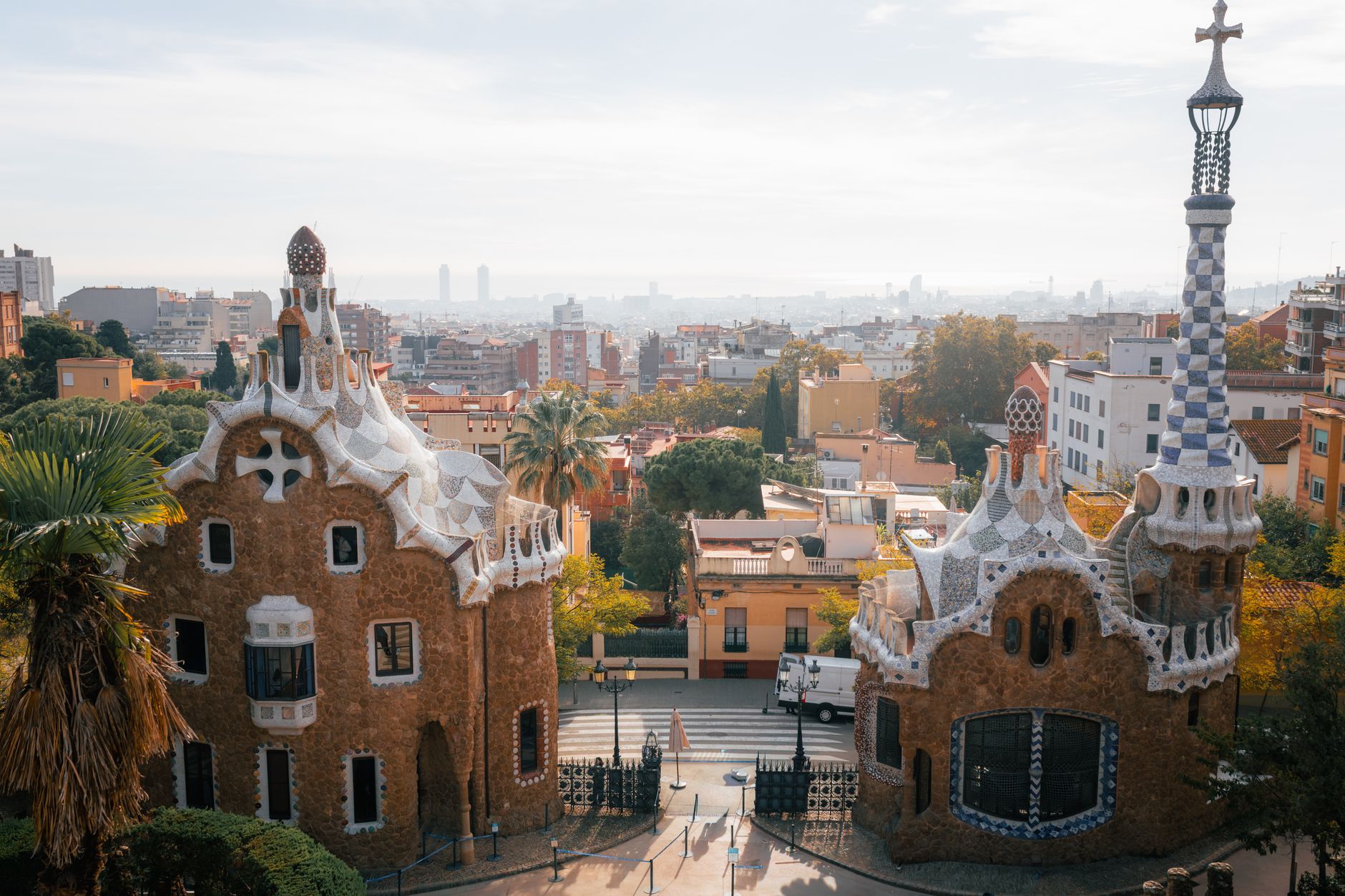


















Linked from elsewhere
Entries that name this place in their own nearby lists.


Logistics are verified only. We don't publish schedules we haven't confirmed.
Appears In
Ready to build Gothic Quarter (Barri Gòtic) into a trip?
You've found a place worth going. When you're ready to turn discovery into an itinerary, Travel Itinerary Co picks up where the Field Guide leaves off — with your saved places already in hand.
Build this into a tripContinues on Travel Itinerary Co
Spain Field Guide may earn a commission when you book through selected links. Recommendations are editorial and independent of commission.