El Raval
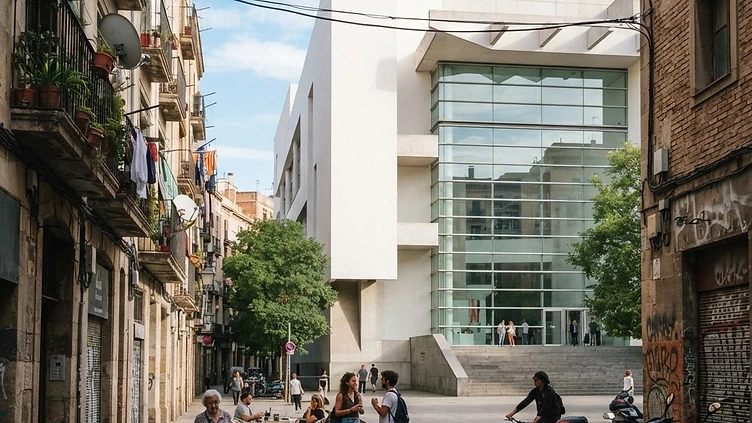
Worth an afternoon for the museums and an evening for the bars. Stay on streets you feel comfortable in after dark; the quarter is fine but not uniform.
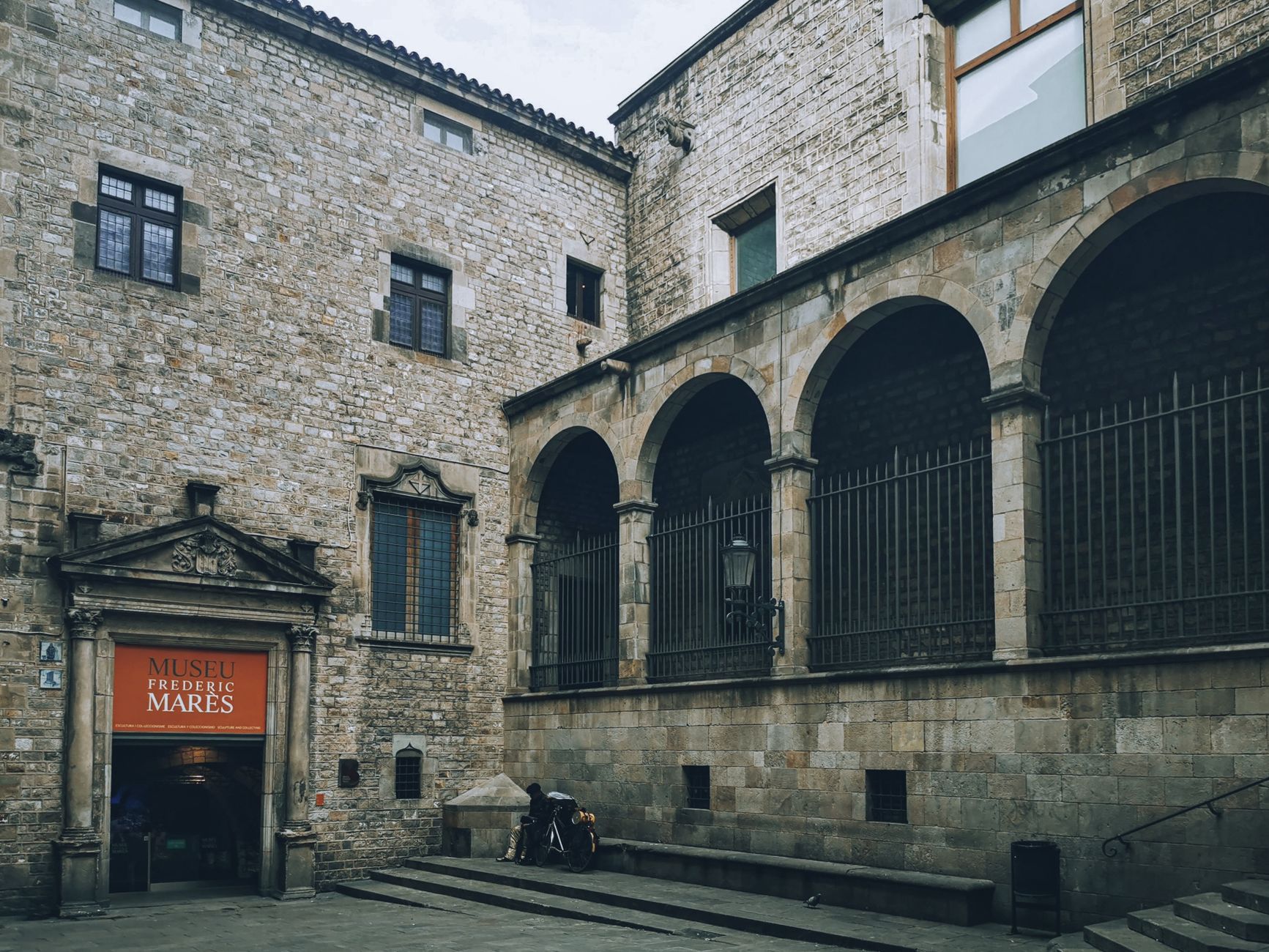
Contemporary art and the city's least curated street life, a few minutes from the Rambla.
At a Glance
- — You want a calm, ordered quarter
Barcelona's immigrant and nightlife quarter, with the contemporary art museums in the middle of it, older tenements, cheap food from everywhere and a street life that runs until morning. It is neither dangerous nor polished, and it changes character street by street.
How it got here
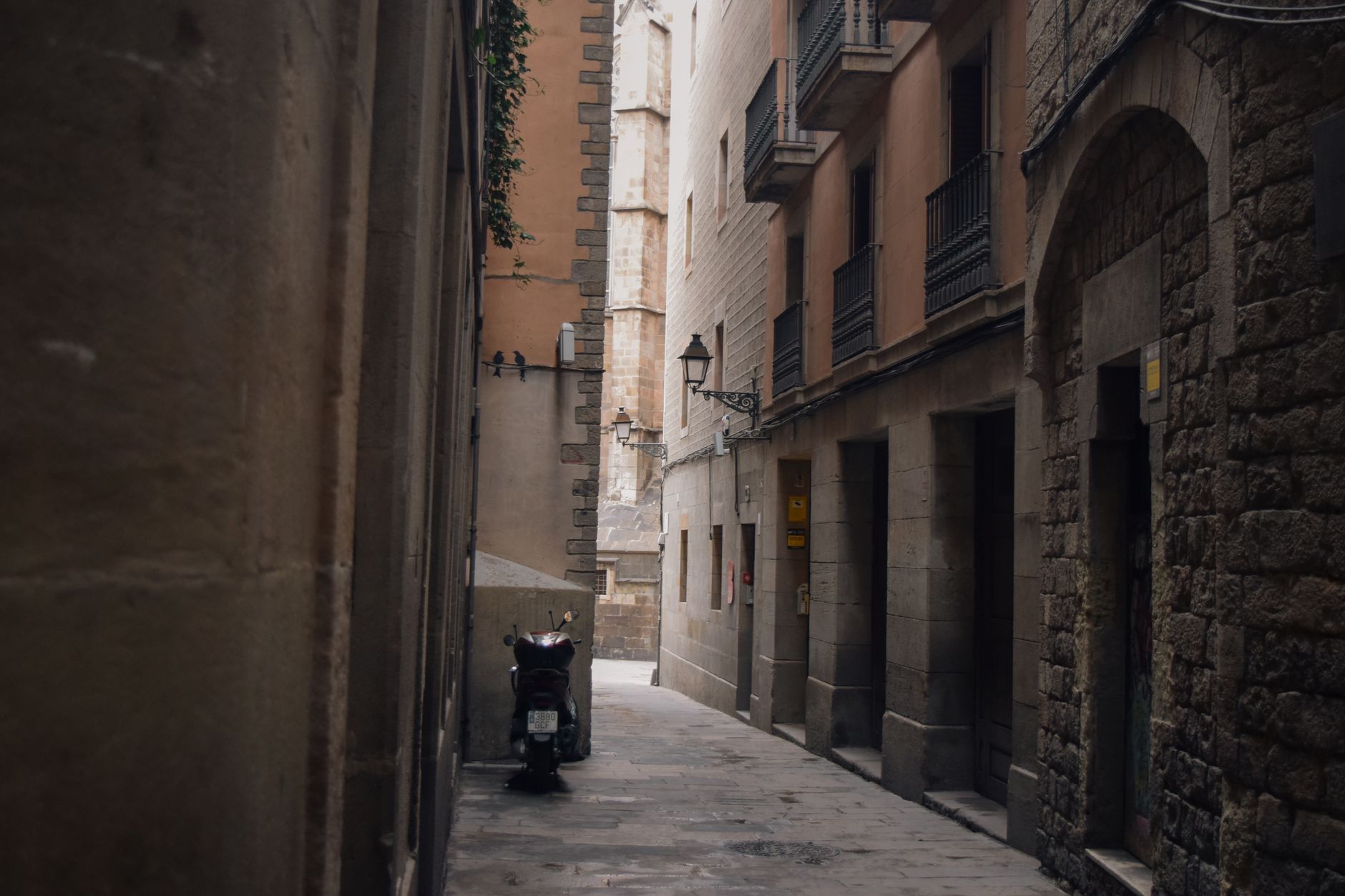
Medieval walls defined the perimeter of this quarter until the mid nineteenth century when the barriers fell to accommodate industrial expansion. Before that expansion, the land held convents and monasteries on the fringe of the old city. The demolition of those religious structures created space for workers who arrived during the nineteenth century industrial boom. Textile factories and tenements crowded together, defining the tight street plan visible today. Waves of migration throughout the twentieth century brought residents from across the Mediterranean and beyond, adding layers to a density that evolved from medieval religious isolation into a high pressure hub of trade and labor.
Where it sits
The neighborhood sits on the coastal plain of Barcelona between the La Rambla artery and the maritime port. Flat ground transitions here from the medieval core to the harbor, creating a dense grid where buildings block the sunlight from narrow streets. Summer heat gathers in these canyons of stone and mortar, while the proximity to the sea brings humidity through the year. The ground level shifts from the polished tourist trails of the center to the gritty reality of a working port district. Street life intensifies after dusk as the population spills out onto the sidewalks until dawn.
What to eat and drink
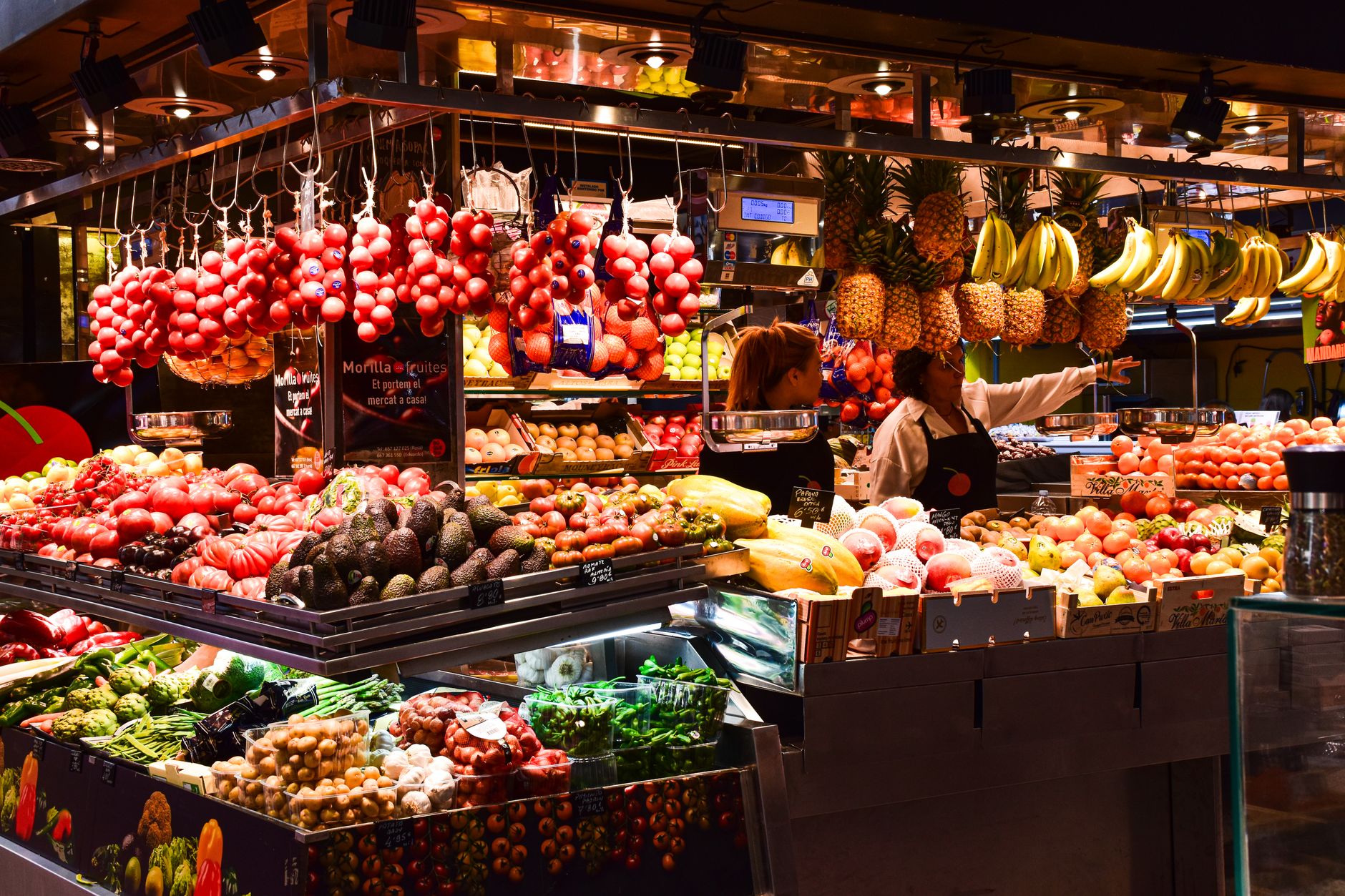
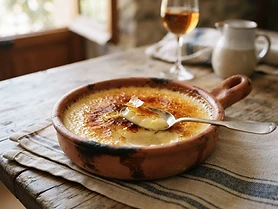
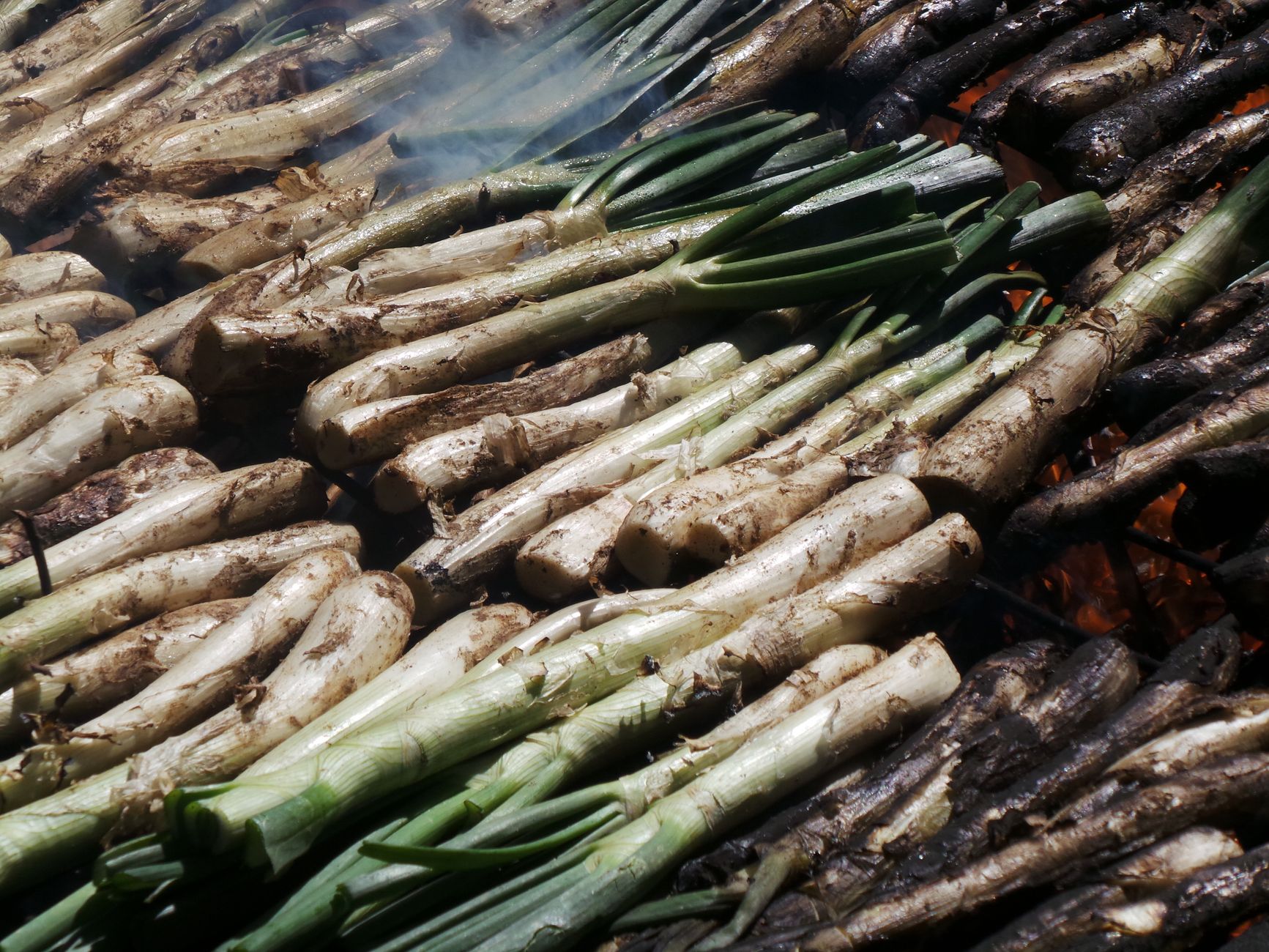
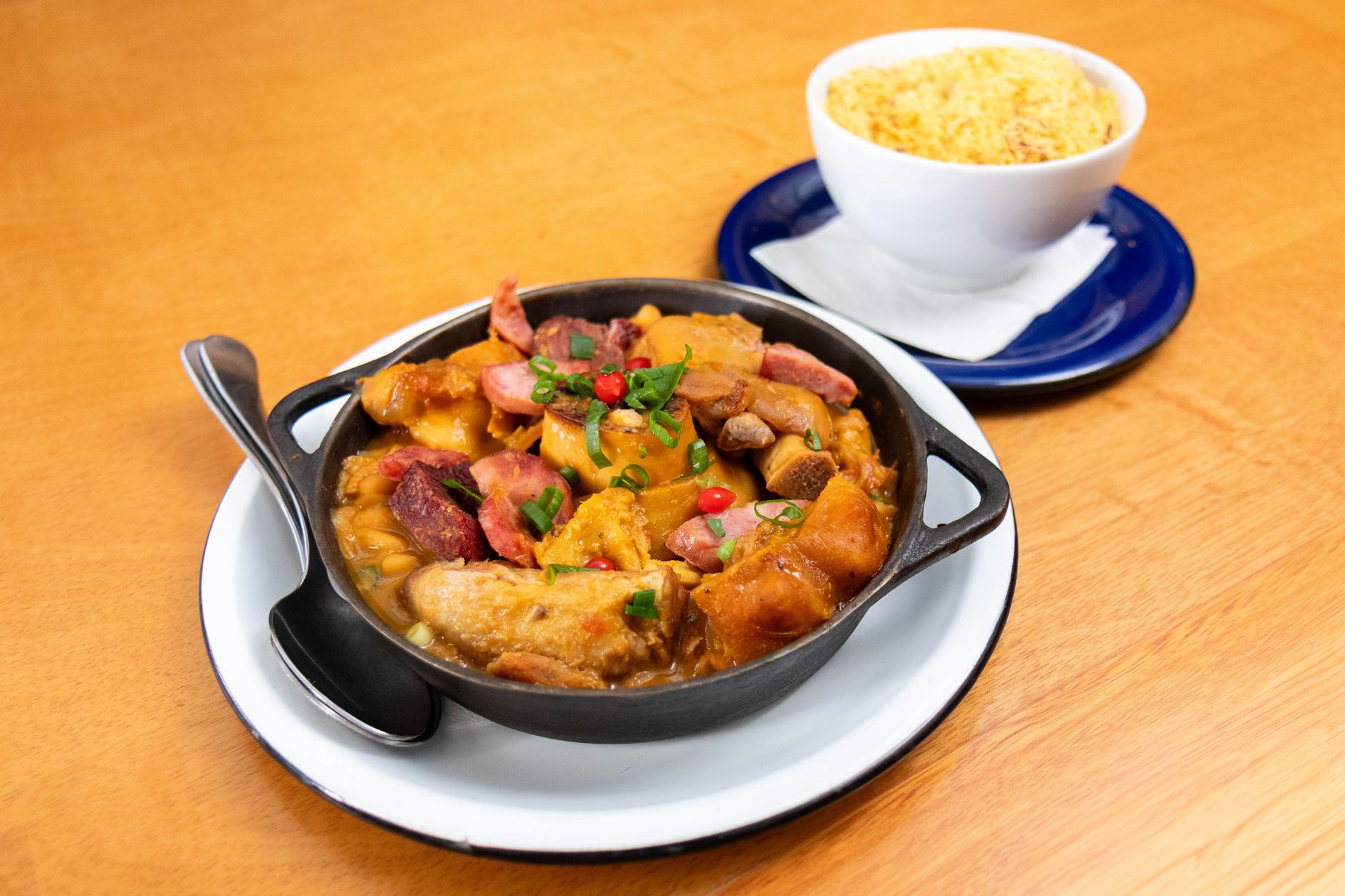
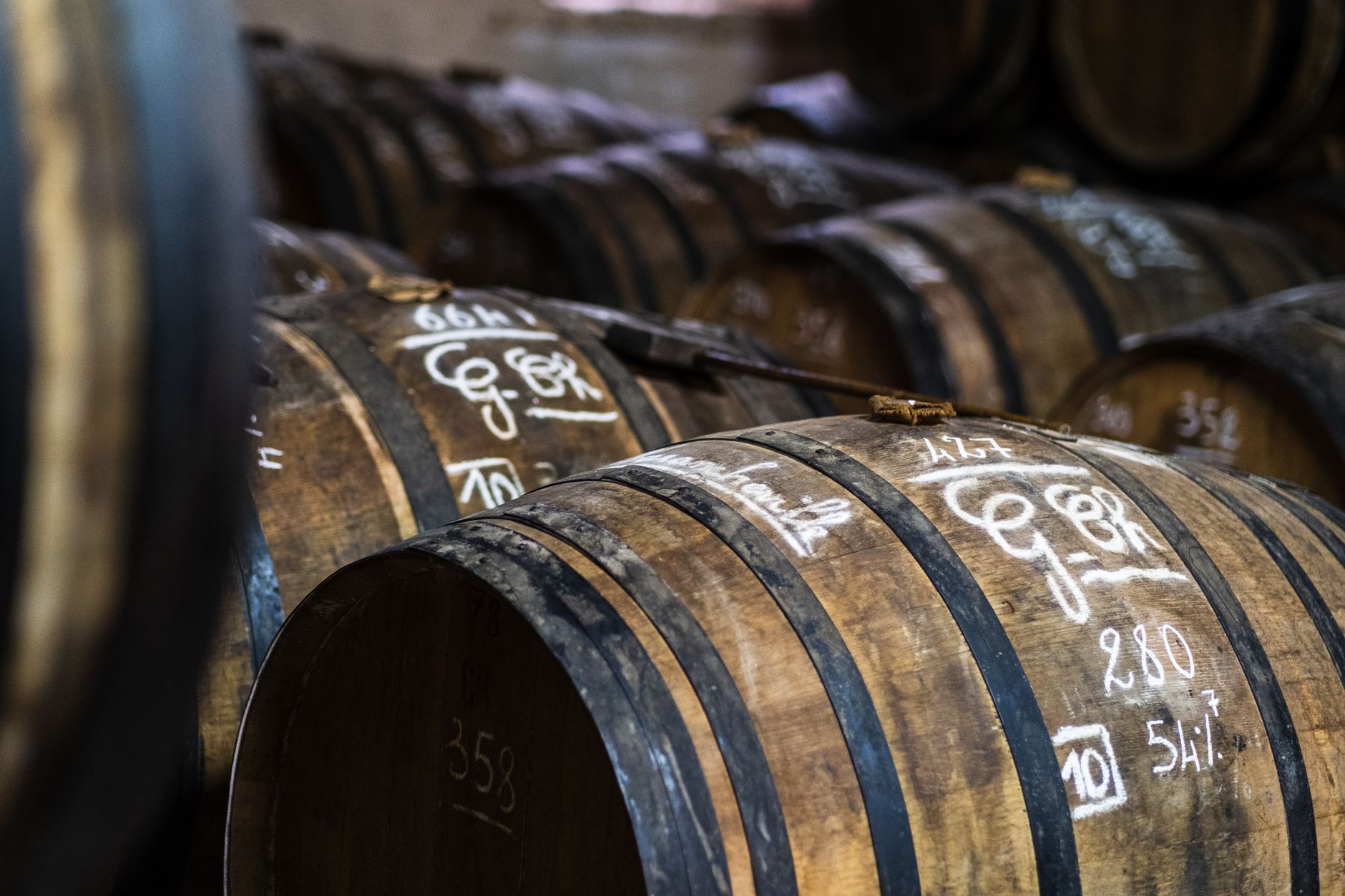
Escudella i carn d'olla, a long boiled stew of pork, sausage, chickpeas and vegetables, remains the definitive dish of Catalan tables. Botifarra, a seasoned pork sausage grilled or fried, provides a reliable standard served alongside white beans sautéed with garlic. Crema catalana provides the finish, a custard base thickened with cornflour and topped with a layer of caramelized sugar. Cava, the sparkling wine from the Penedès region, accompanies these meals as the standard celebratory drink. The local palate values the contrast between salt cured meats and the produce brought in from the surrounding countryside of the province.
Catalonia: the whole region
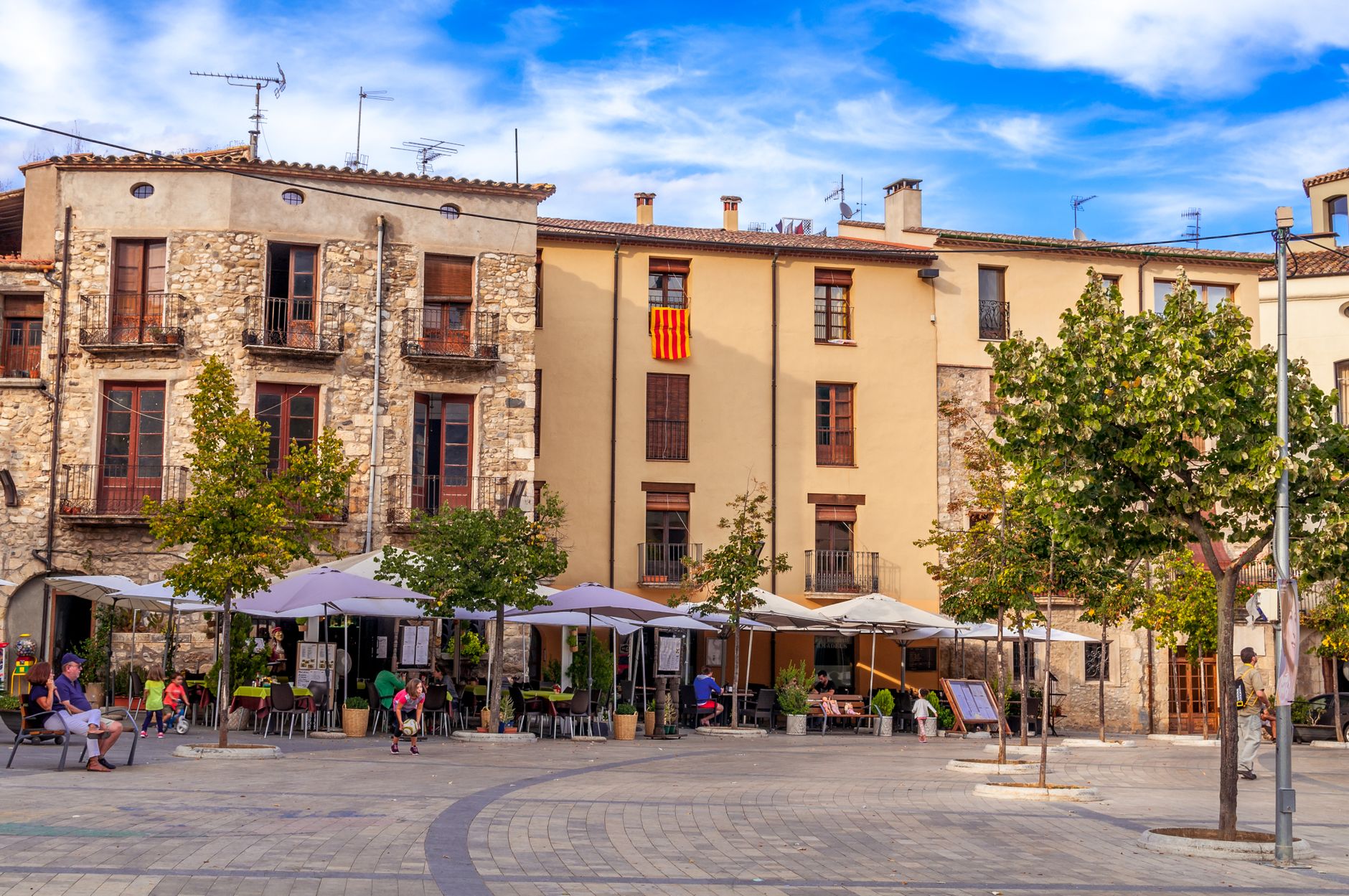
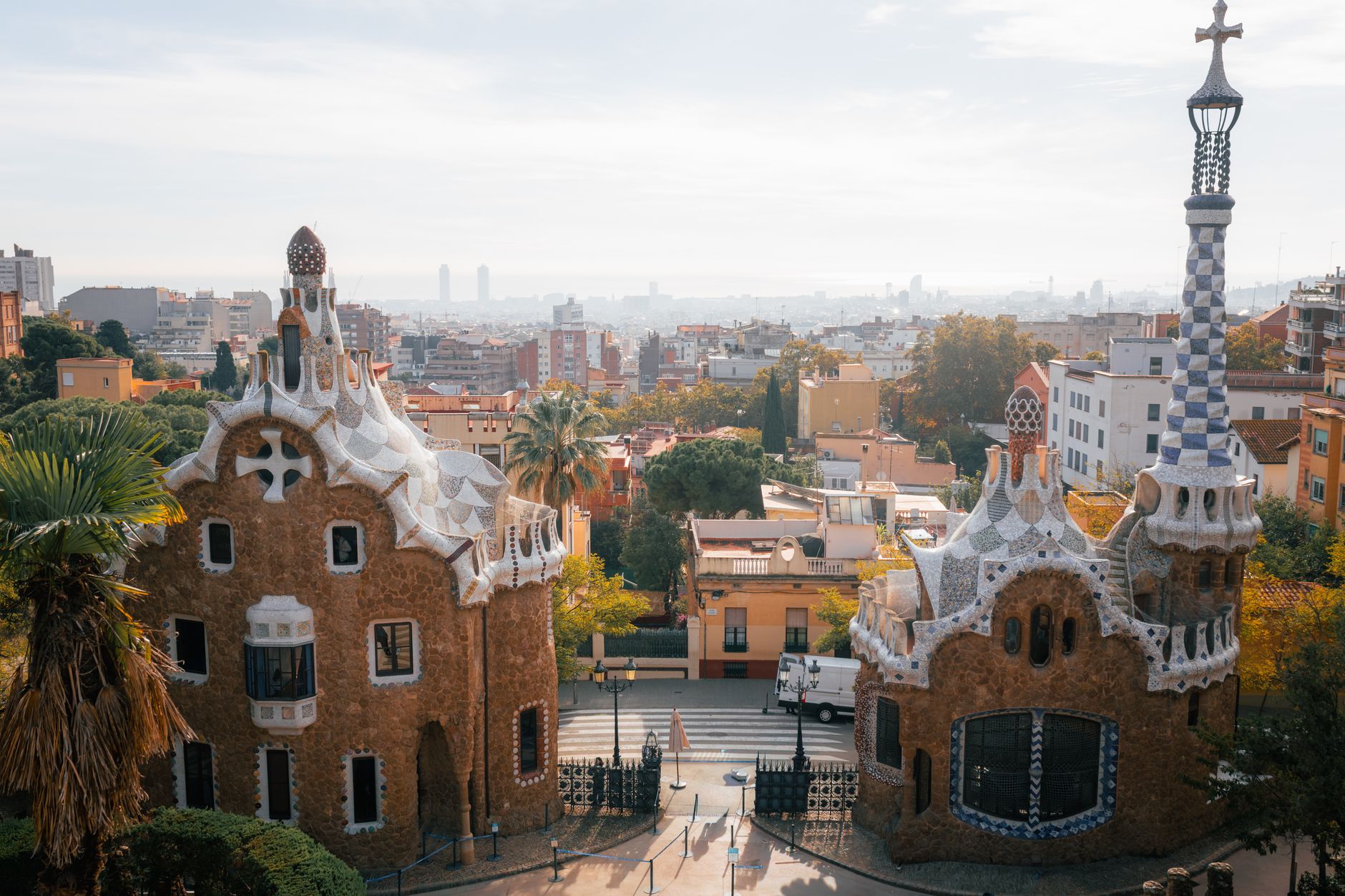
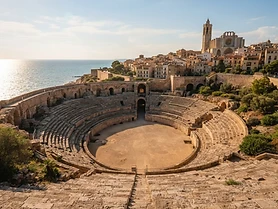
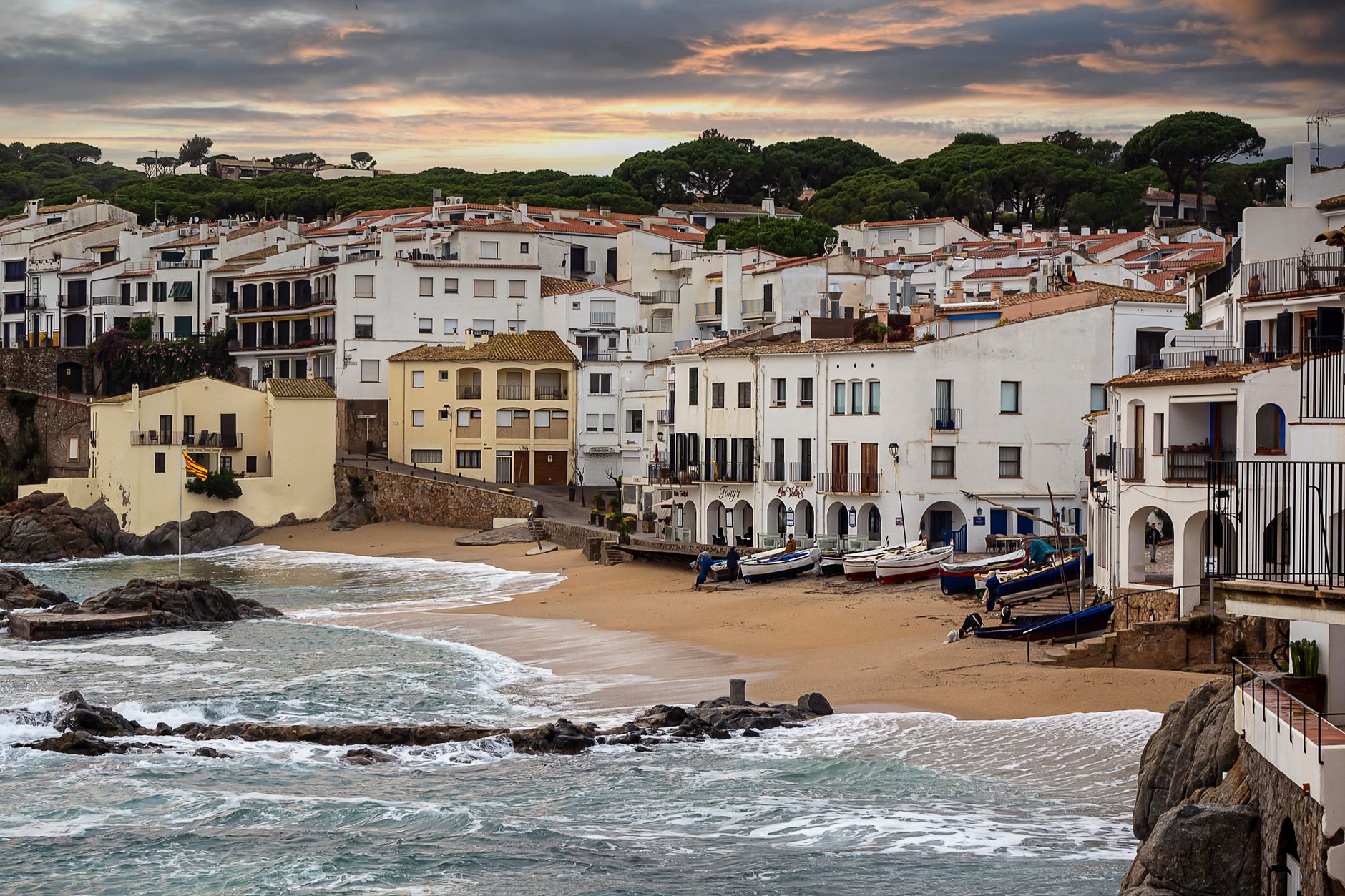
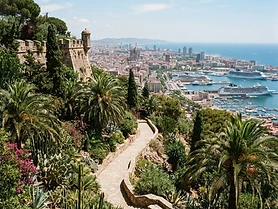
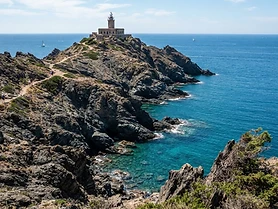
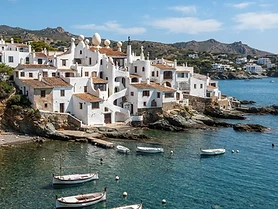
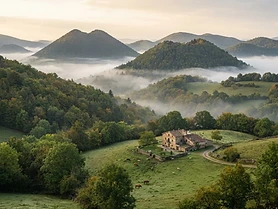
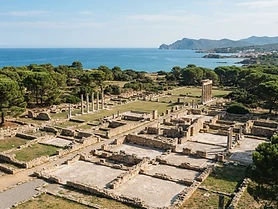
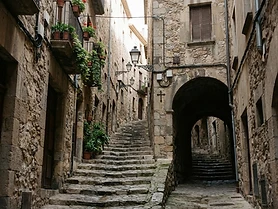
Barcelona is the anchor and most trips never leave it, which is a mistake but not a fatal one: Girona, Tarragona and the Costa Brava's coves are all within two hours by train or a short drive, and the Empordà behind them holds the best…
Minimum 4 days · better 7-8 days · deep 2 weeks
In Catalonia




In Catalonia





In Catalonia





















Logistics are verified only. We don't publish schedules we haven't confirmed.
Experiences worth booking ahead
- Barcelona: Old Town, Montjuic Castle, Cable Car Small Group Tour4.8 (720)3.5 hrsFrom €55
- Barcelona Street Art Tour with Exclusive Artist Studios Visit4.9 (163)2 hrsFrom €28
- Raval Street Art and Graffiti Guided Tour in Barcelona4.8 (88)2 hrsFrom €27
- Barcelona Arrival Private Transfer Airport To Barcelona City4.6 (49)30 minFrom €30
Spain Field Guide may earn a commission when you book through selected links. Recommendations are editorial and independent of commission.
Ready to build El Raval into a trip?
You've found a place worth going. When you're ready to turn discovery into an itinerary, Travel Itinerary Co picks up where the Field Guide leaves off — with your saved places already in hand.
Build this into a tripContinues on Travel Itinerary Co
Spain Field Guide may earn a commission when you book through selected links. Recommendations are editorial and independent of commission.