Elantxobe

A twenty-minute place, and worth the twenty minutes. Combine it with Lekeitio on the same road.
One of the strangest small settlements on the Spanish coast, built down a cliff face onto a tiny harbour.
At a Glance
- — You cannot manage steep steps down to the water and back
Elantxobe occupies a fold in the cliff below the coast road, and there is no room in it for anything: the lanes are too narrow for cars, so they park on the hill above and you walk down through the houses to the harbour. At the bottom there is one small square with a bar, used as a theatre in summer because the shape of the buildings makes the sound work, and a harbour of small boats under a wall of rock. In summer the village has a reputation for its own weather, and the locals will tell you about it. Between the road and the water you pass the whole of it.
How it got here
Fishing shaped the life of the inhabitants of this coast for centuries. The steep terrain forced a vertical organization of dwellings as space remained limited by the precipitous drop to the Bay of Biscay. The village grew as a site for whaling and later for the catch of tuna and anchovies. These maritime traditions dictated the layout of the harbour works and the narrow lanes that wind between houses. The economy relied on the sea until modern transport shifted the focus of the region away from small scale coastal fishing ports. The architecture preserves the structure of a community built strictly for proximity to the water.
Where it sits
The village clings to a sheer cliff face dropping directly into the Cantabrian Sea within the Urdaibai estuary area. Houses sit in tight rows from the high coast road down to the small basin of the port. Access remains difficult for vehicles due to the extreme gradient. The landscape consists of green pastures on the high plateaus above and dense forest clinging to the slopes. Winter brings heavy salt spray and damp winds from the north while summer months bring cooler air up from the water level. Mist often rolls through the folds of the cliff and settles over the harbour.
What to eat and drink
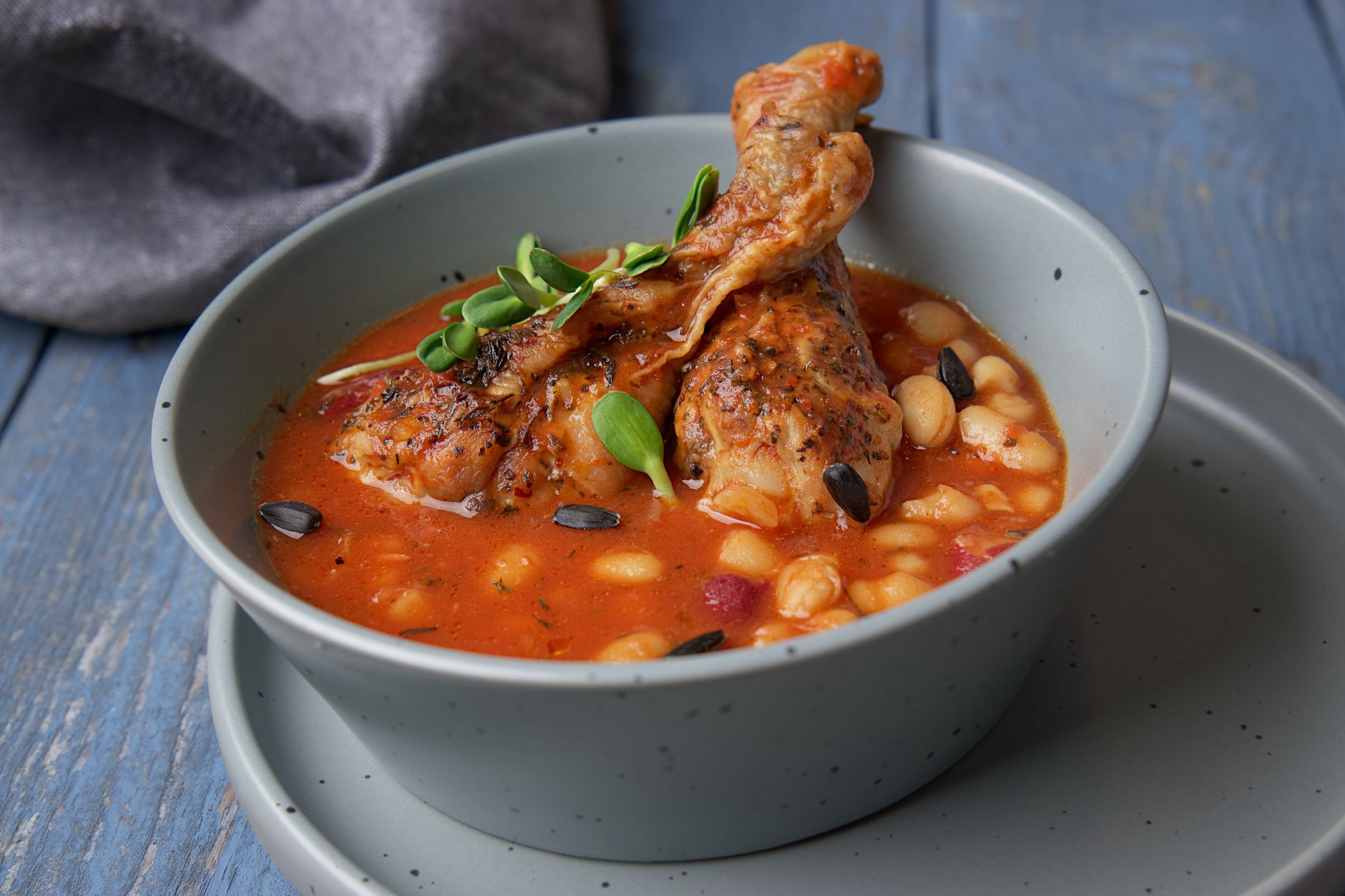
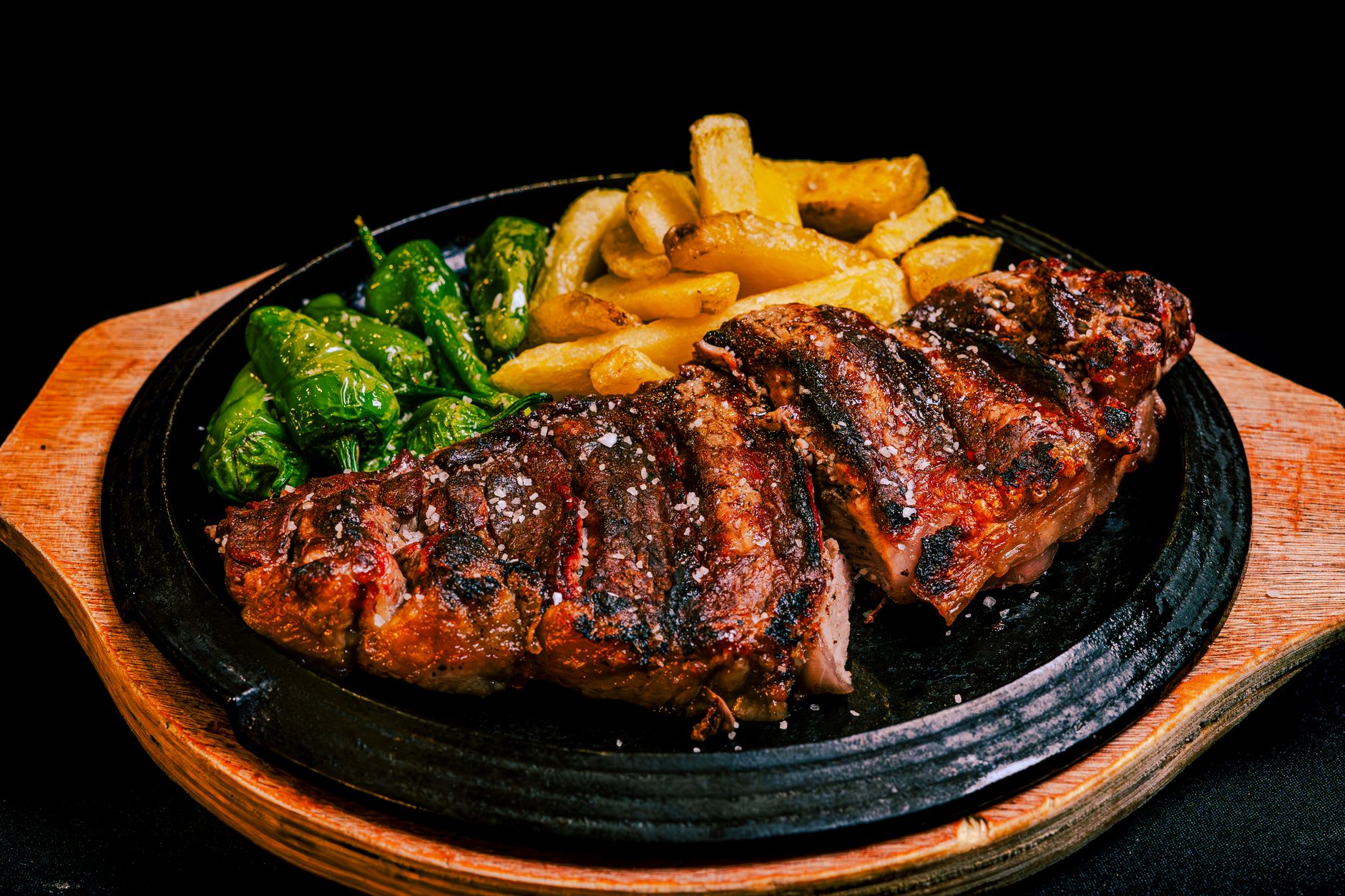
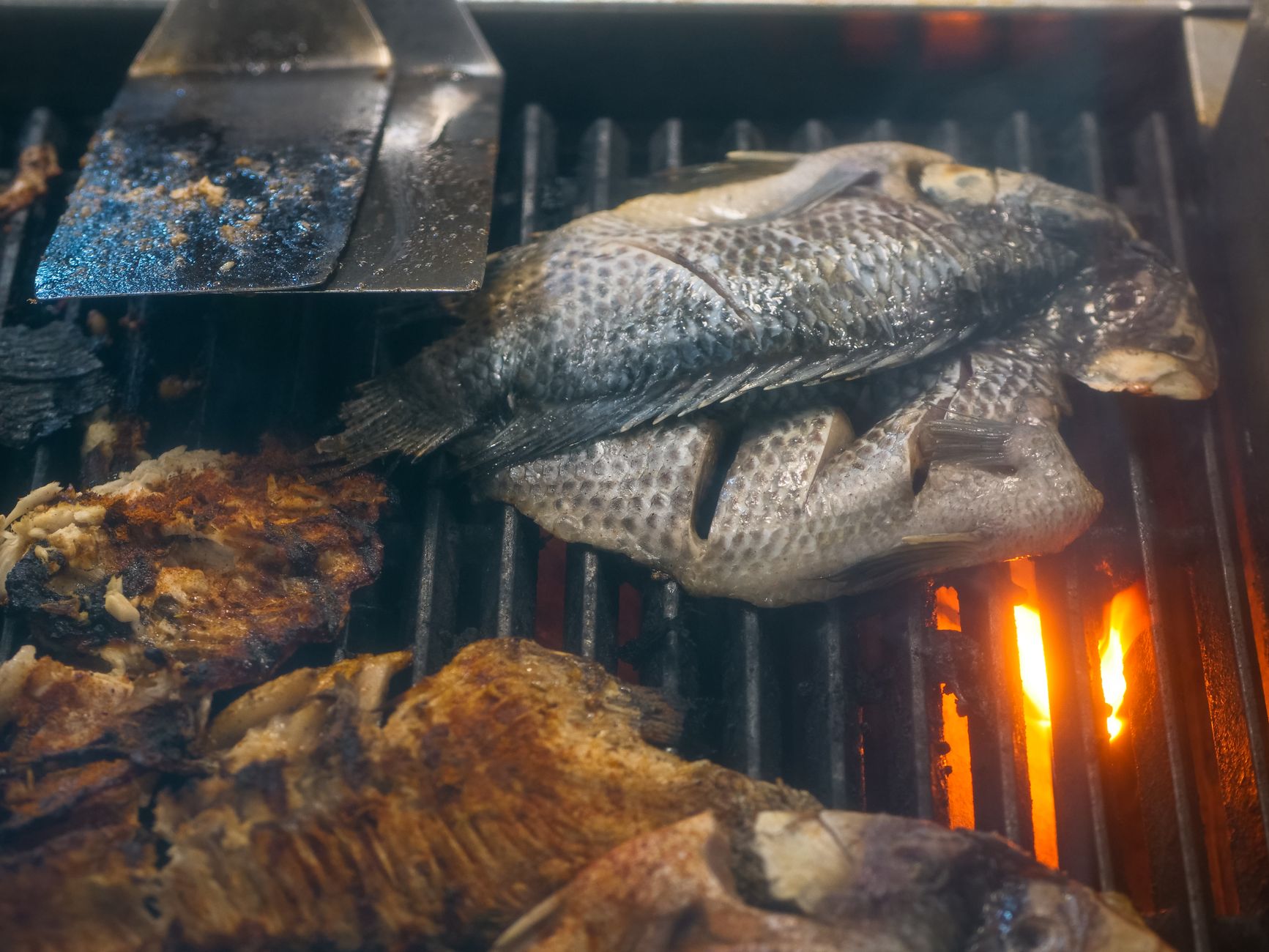
Cuisine in this province emphasizes the catch of the local fleet and the produce of the surrounding hills. Marmitako, a stew of bonito tuna, potatoes, peppers and onions, provides a meal suited to the maritime climate. Anchovies from the nearby Cantabrian waters remain a staple, usually served in oil or salted. The drink of choice is Txakoli, a dry, slightly effervescent white wine produced in the coastal vineyards of the Basque Country. It cuts through the salt and richness of the local fish dishes. The province also produces Idiazábal, a firm sheep milk cheese, often paired with quince paste.
Basque Country: the whole region
The Basque Country is the most expensive and the most rewarding corner of northern Spain: three small provinces, each with its own character, all within an hour of each other. It suits travellers who want to eat well and move slowly far…
Minimum 4 days · better 7 days · deep 2 weeks
What's Nearby


In Basque Country








In Basque Country


In Basque Country












Logistics are verified only. We don't publish schedules we haven't confirmed.
Appears In
Experiences worth booking ahead
Spain Field Guide may earn a commission when you book through selected links. Recommendations are editorial and independent of commission.
Ready to build Elantxobe into a trip?
You've found a place worth going. When you're ready to turn discovery into an itinerary, Travel Itinerary Co picks up where the Field Guide leaves off — with your saved places already in hand.
Build this into a tripContinues on Travel Itinerary Co
Spain Field Guide may earn a commission when you book through selected links. Recommendations are editorial and independent of commission.