Durango

A two-hour stop on the way to somewhere else, and a sobering one if you read up first.
An arcaded plaza, a working Basque town, and two of the darker episodes of Spanish history on its record.
Gernika · Vitoria-Gasteiz · Urkiola · Bilbao
At a Glance
- — You want photogenic old streets
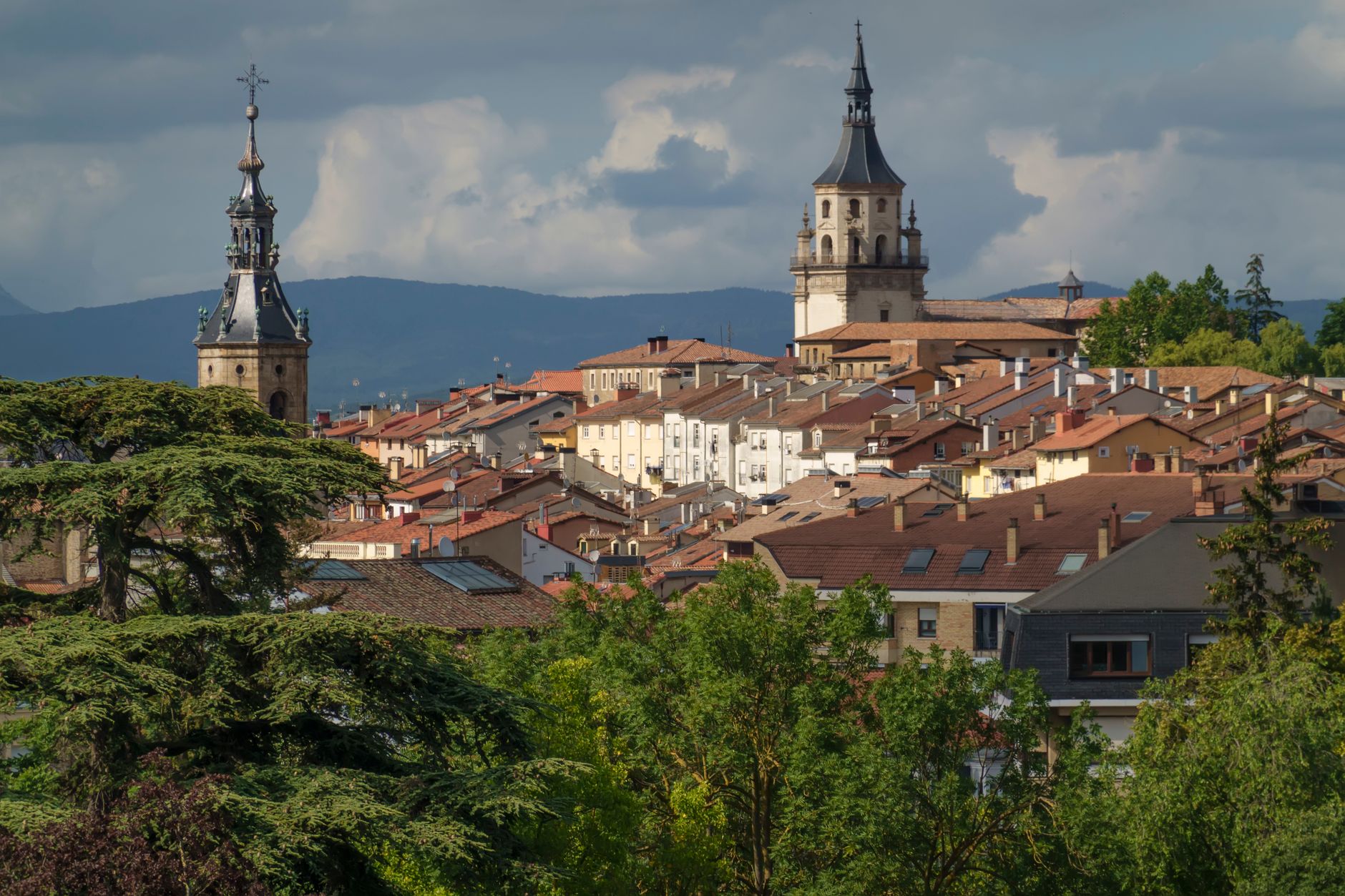
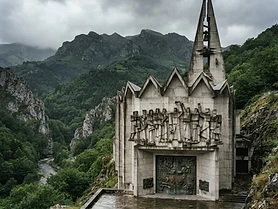
Durango sits where the old road from Bilbao to Vitoria crosses a river, and its old town has a long porticoed plaza with bars under the arches and a church built up against the flood wall. Two histories matter here: in the early 1500s the Inquisition burned a group of local men and women in the town as witches, one of the first such trials in Spain, and in 1937 Durango was bombed by the Italian air force, weeks before Gernika, killing hundreds of civilians. There is a small museum and a monument for the second. Durango is not a pretty town and does not pretend to be, but it was trading here long before either event.
How it got here
The town occupies a critical juncture in the Durangaldea valley where the Mañaria river meets the Ibaizabal. In 1498 the Inquisition targeted a movement known as the Durango heretics, leading to the burning of several followers at the stake. Centuries later, the Italian Aviazione Legionaria devastated the town center in March 1937, causing hundreds of deaths during the Civil War. These events anchor the modern identity of the town, shifting it from a quiet medieval trade center to a site of mourning. The surviving architecture carries the scars of this industrial and military trauma, standing in contrast to the medieval foundations of the surrounding province.
Where it sits
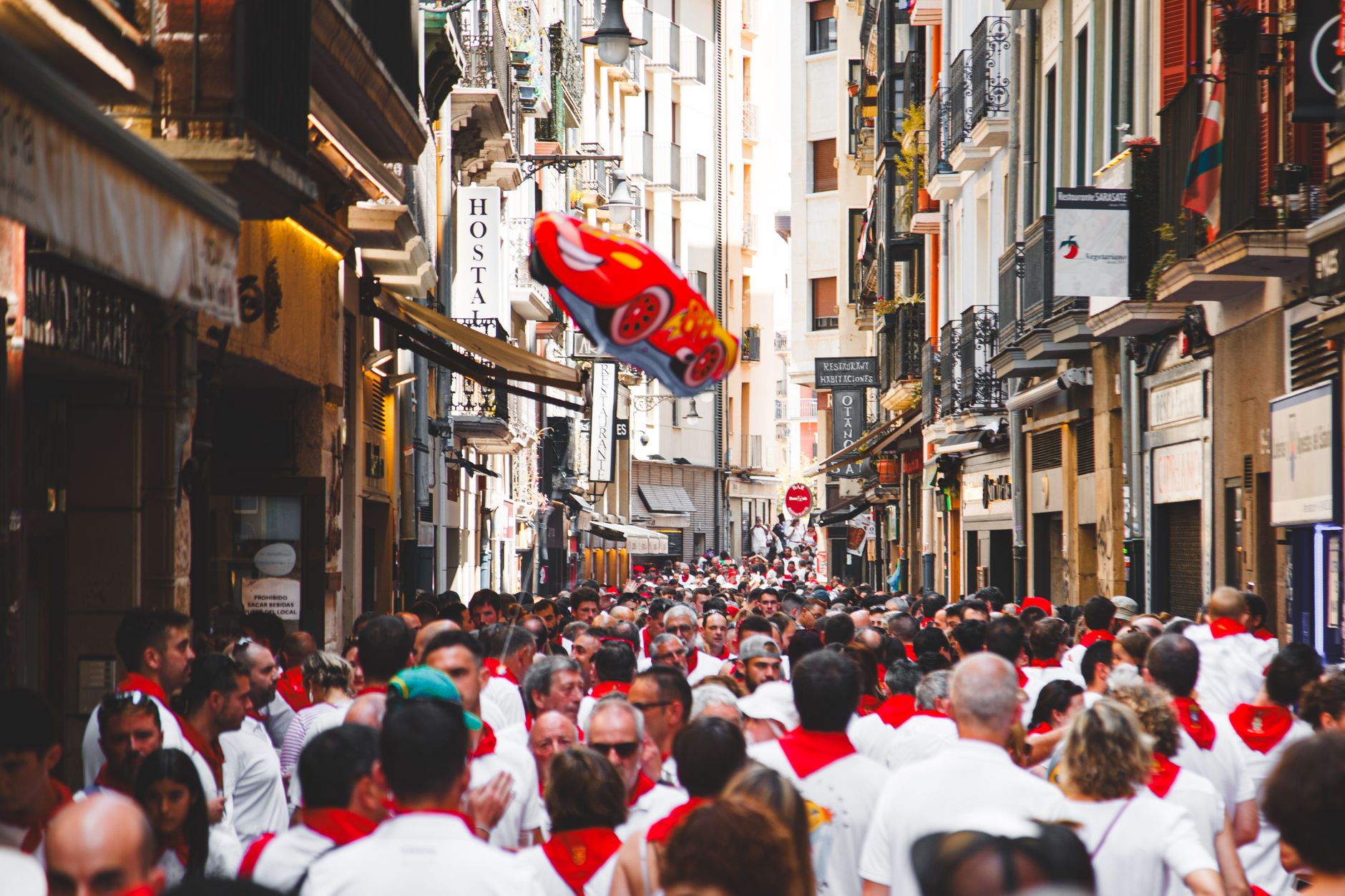
The valley sits at the transition between the coastal mountains of Bizkaia and the higher ranges of the interior. Rain falls frequently, keeping the slopes dense with ferns, beech, and pine. The town is reached by the main road that connects Bilbao with the plains of the Ebro valley, channeling heavy transit through the narrow passage. Winter air chills the valley floor quickly while summers remain moderate. Crowds gather during the annual book and music fair in December, but at other times the town functions as a busy transit hub for the industrial belt.
What to eat and drink
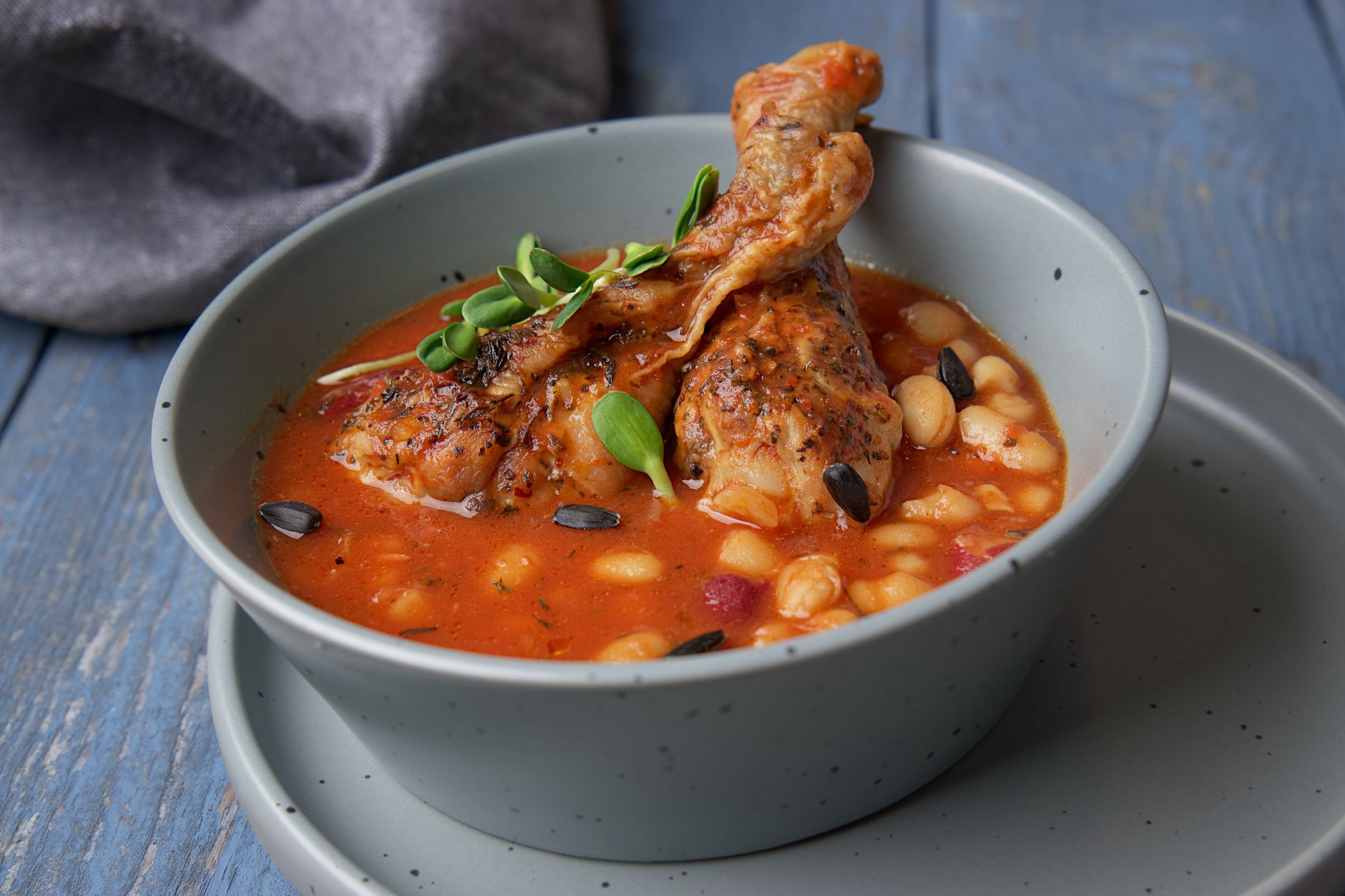
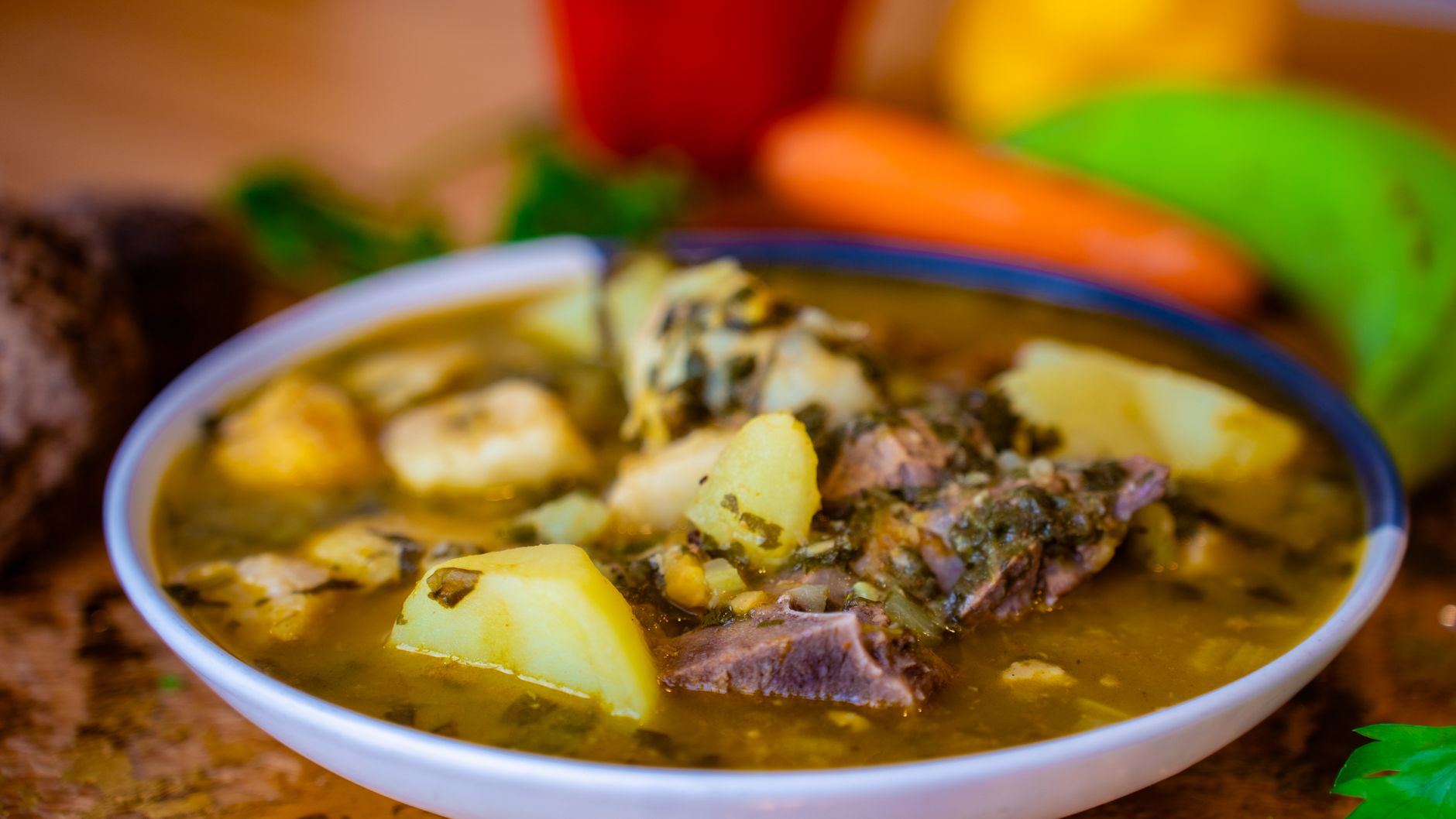
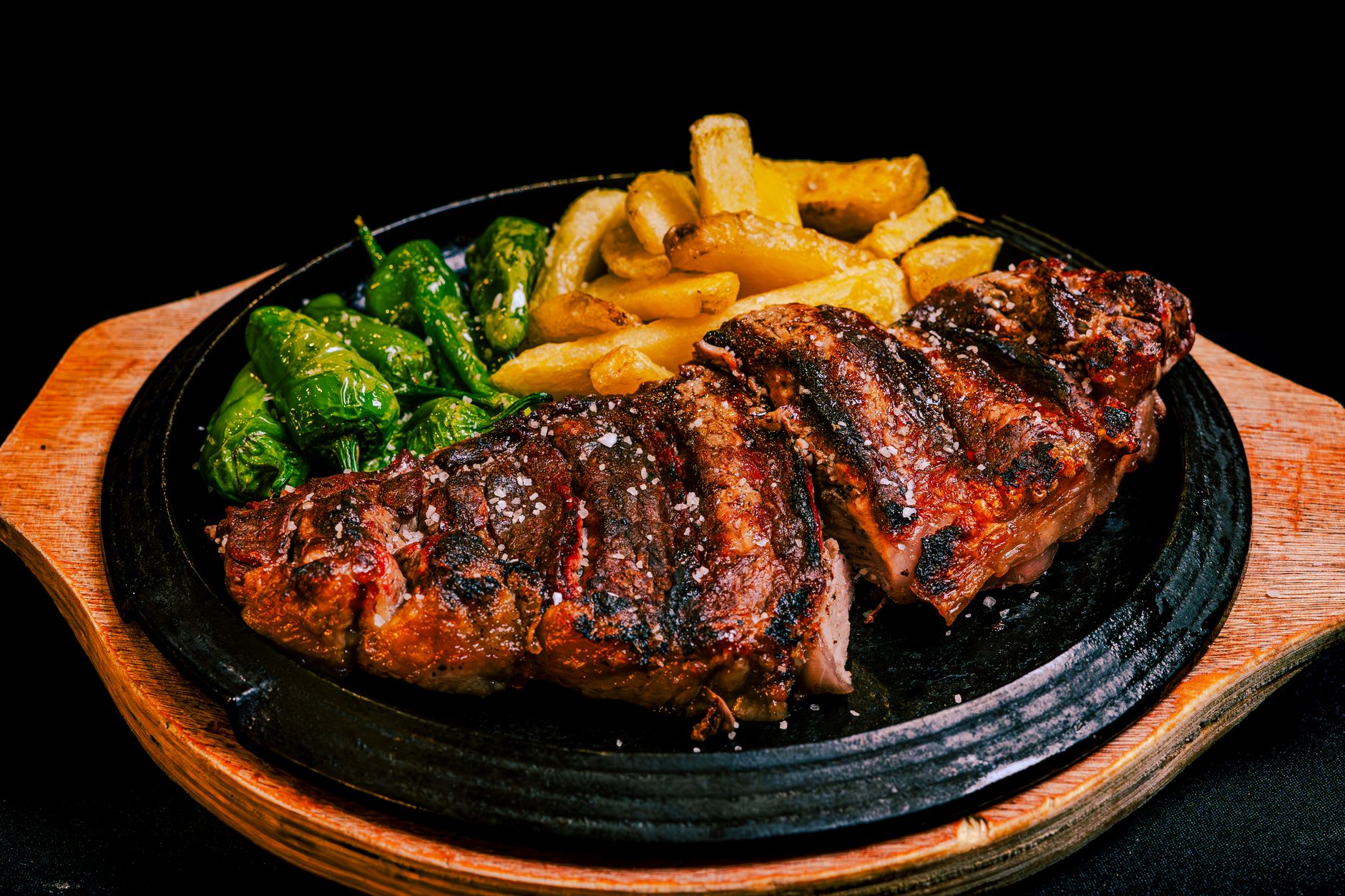
Durangaldea is known for the quality of its seasonal garden produce, particularly the small, frying peppers called Gernikako piperrak. Local tables prioritize bacalao, salt cod prepared in pil-pil sauce using olive oil, garlic, and chili. The province favors txakoli, a crisp, acidic white wine produced in the nearby coastal vineyards, poured from a height to release its subtle carbonation. Idiazabal cheese, pressed from the raw milk of Latxa sheep and smoked over hawthorn or beech wood, concludes the meal. These staples define the rustic culinary culture of the interior Basque lands.
Basque Country: the whole region
The Basque Country is the most expensive and the most rewarding corner of northern Spain: three small provinces, each with its own character, all within an hour of each other. It suits travellers who want to eat well and move slowly far…
Minimum 4 days · better 7 days · deep 2 weeks
What's Nearby



Pair It With
In Basque Country








In Basque Country


In Basque Country











Logistics are verified only. We don't publish schedules we haven't confirmed.
Appears In
Experiences worth booking ahead
Spain Field Guide may earn a commission when you book through selected links. Recommendations are editorial and independent of commission.
Ready to build Durango into a trip?
You've found a place worth going. When you're ready to turn discovery into an itinerary, Travel Itinerary Co picks up where the Field Guide leaves off — with your saved places already in hand.
Build this into a tripContinues on Travel Itinerary Co
Spain Field Guide may earn a commission when you book through selected links. Recommendations are editorial and independent of commission.