Destinations
Browse where to go by trip role, region, or category. Every place carries an editorial judgment, not a star rating.

Minas de Riotinto
A Huelva mining town where the river runs red and a British company dug copper by the ton.

Gernika
The town painted by Picasso: a Monday market, an assembly house, and the oak the Basques swore under.

Oñati
A town with a university older than any other in the Basque Country, and a modern sanctuary in the valley above.

Sierra de Gata
Cáceres's northwest corner on the Portuguese border, where three villages speak a language of their own.

Arribes del Duero
A granite gorge on the Duero, with villages built on the lip of it and pre-phylloxera vineyards behind.


Sierra de Urbión
Soria's roof: a working pine forest, a black glacial lake, and the source of the Duero.


Ancares, Os
A mountain range on the Lugo-León border, with slate villages and round thatched pallozas.


Os Pasiegos
Three Cantabrian valleys of summer pasture, where families still move uphill with the cows.


Rioja Oriental
The hot, flat east of La Rioja: vegetables, shoes, storks, and wine in volume.

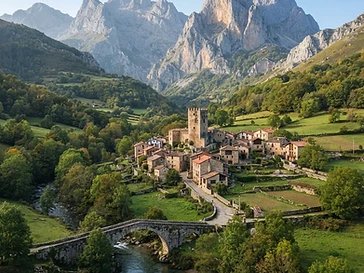
Liébana
A sheltered green basin under the Picos de Europa, with a monastery, a cable car and Cantabria's best cheese.


Alpujarra Almeriense
The dry, high Almería half of the Alpujarra, where Moorish water channels still irrigate the slopes.

Almagro
A well-preserved Golden Age town, known for its open-air corral de comedias and Plaza Mayor.

Mundaka
A harbour village at the mouth of the Urdaibai estuary, with a wave surfers travel for.

Lekeitio
The best-looking harbour on the Bizkaian coast, with a basilica whose roof is a ship's hull.
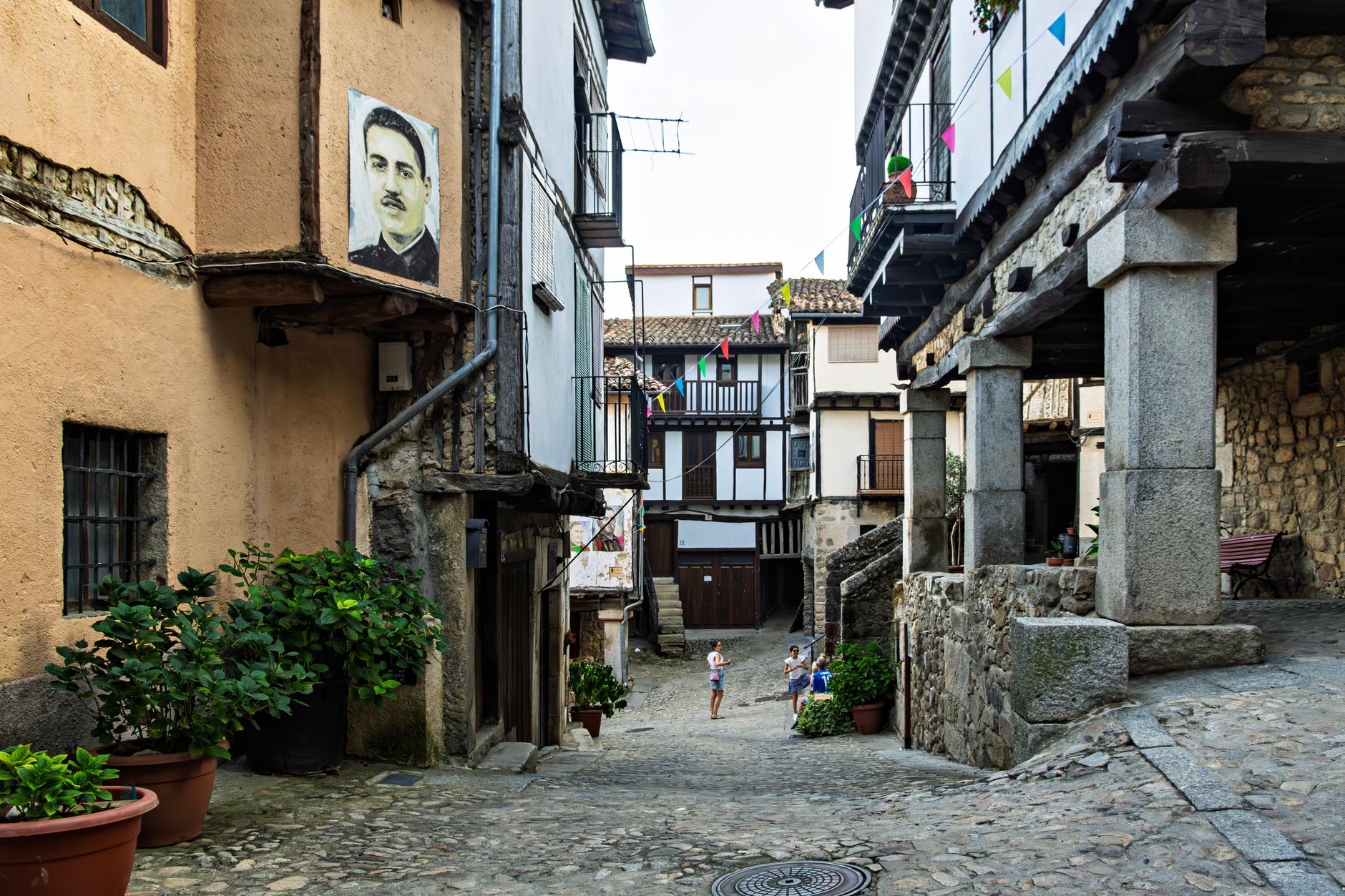
Sierra de Francia
Salamanca's mountain villages: dark stone, wooden balconies, and one town everyone already knows.

Taramundi
A working knife-making town in the far west of Asturias, where the workshops still sell what they make.

Sierra de Aracena
Chestnut and cork hills in northern Huelva, where the pigs eat acorns and Sevilla goes for the weekend.

La Vera
Paprika, chestnut groves and cold mountain streams under the Gredos range.

Las Hurdes
Terraced valleys and slate villages in the mountains north of Extremadura, cut off for centuries.

A Guarda
A fishing town at the mouth of the Miño, with Portugal a short hop across the water.

Somiedo
High mountain valleys, working summer pastures and brown bears, an hour inland from the coast.

Taramundi and the Oscos
Western Asturias: watermills, knife workshops, slate hamlets and the greenest corner of the north.

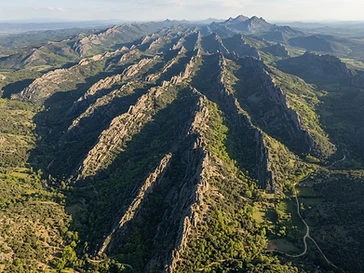
Villuercas, Ibores and Jara
Parallel ridges in eastern Cáceres where the geology is the sight, and a monastery town at the edge.

Deba
The western end of the flysch coast: a stone old town, a good beach, and a Camino stage.


Courel, Serra do
Galicia's quietest mountain: chestnut and oak forest, a fossil ridge, and villages of four houses.


Alfaro
The largest colony of white storks in Europe, on the roof of a collegiate church above the Ebro.


Ohanes
A terraced village that built the Almería grape trade on slopes only reachable by mule.
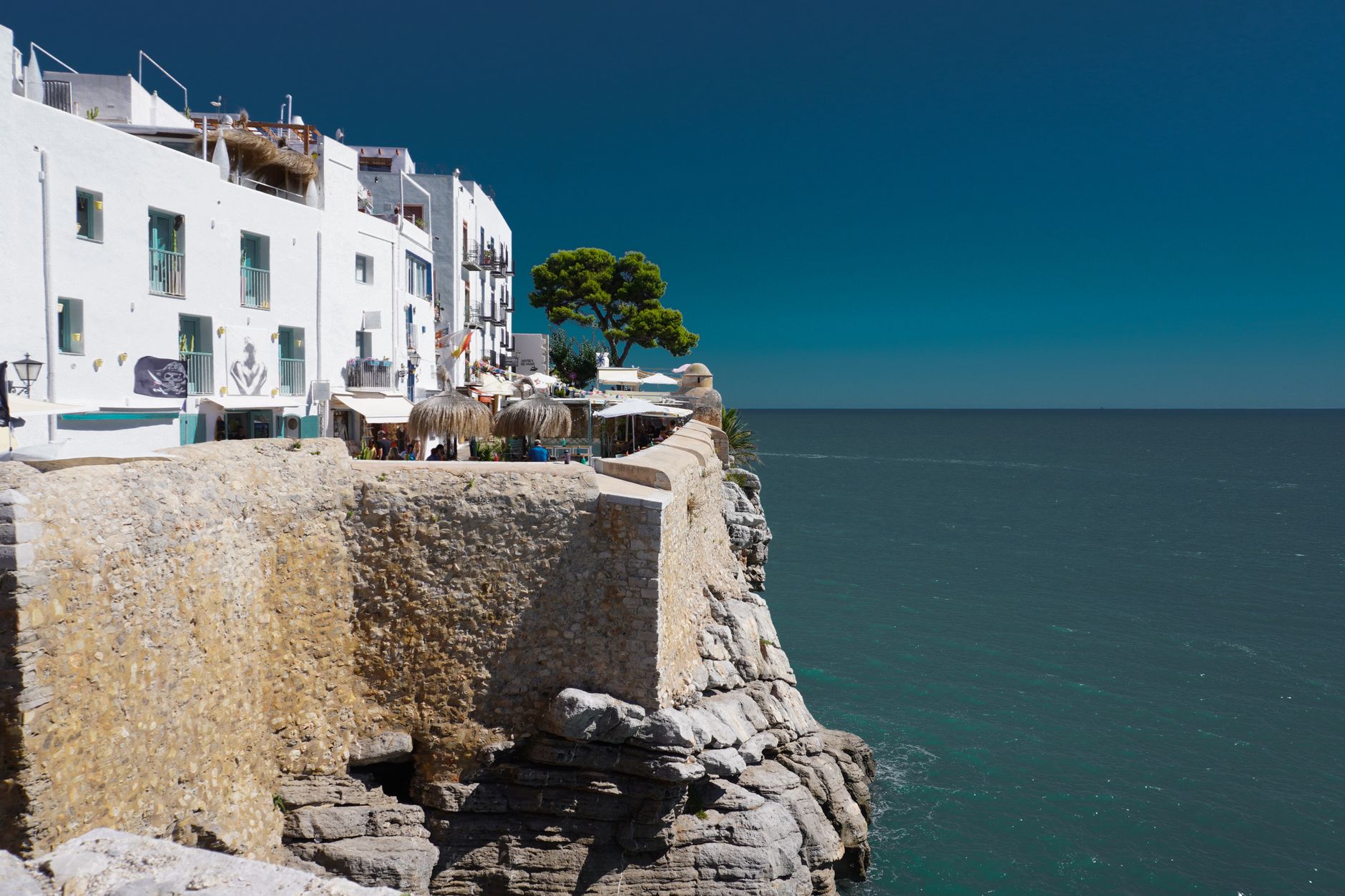
Peñíscola
A photogenic peninsula town crowned by a historic castle and flanked by Mediterranean beaches on both sides
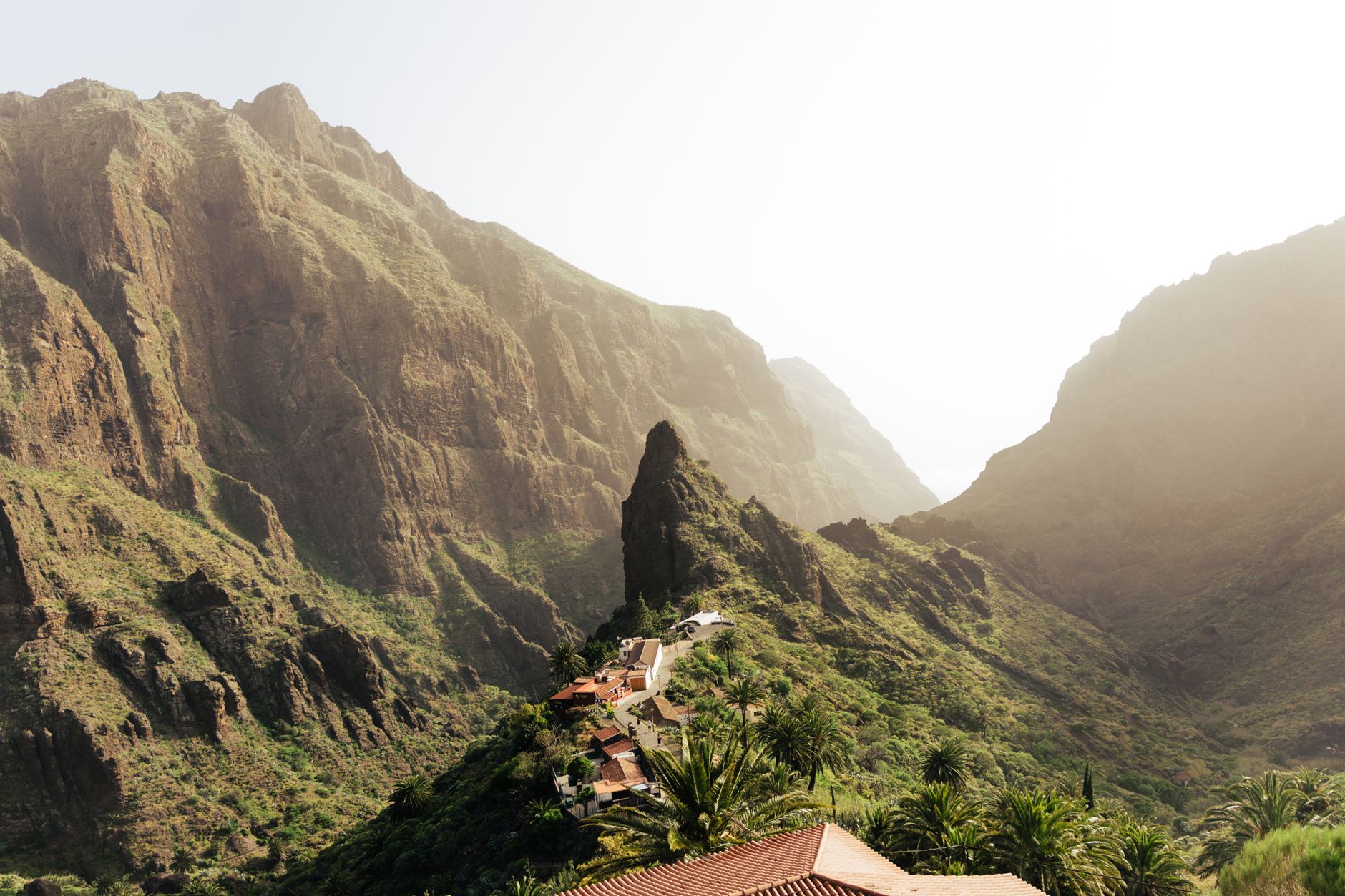
Masca
A hamlet set deep in a dramatic ravine, one of Tenerife's most rugged landscapes.

Lorca
Baroque palaces under a hilltop castle, in a Murcian city foreigners have not discovered.

Piornedo
The best-preserved group of pallozas in Spain: round stone houses under conical thatch.

Lerma
A duke's entire seventeenth-century vision, intact and empty, an hour south of Burgos.

Caravaca de la Cruz
One of the Catholic world's five holy cities, built up a hill around a relic and a fortress.

Covarrubias
A stone village with a collegiate church and a tenth-century past, half an hour from Burgos.
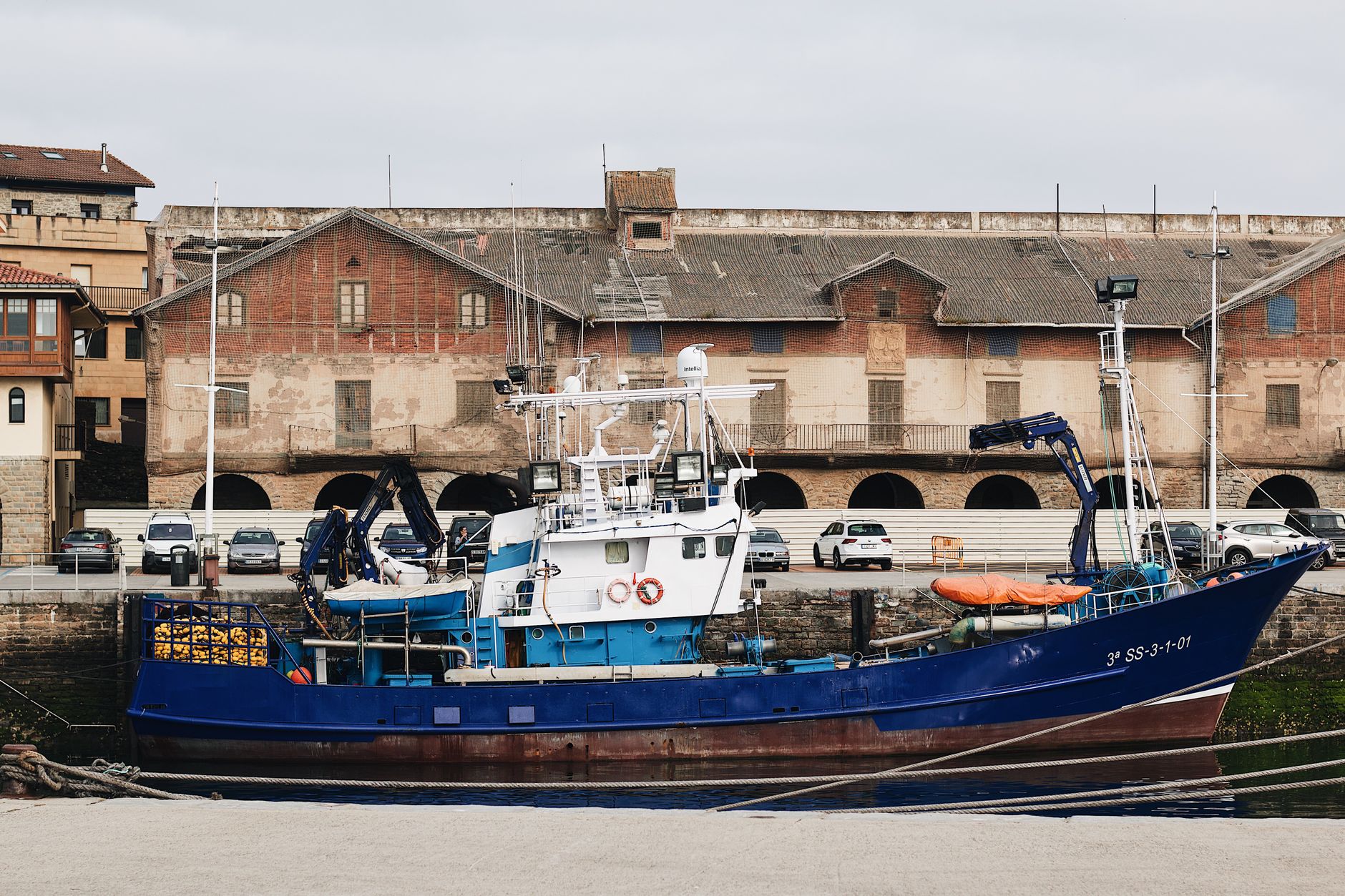
Getaria
A tiny fishing village renowned for grilled turbot and traditional Txakoli wine with a view

Consuegra Windmills
A ridge of white windmills and a medieval castle, the classic Don Quixote landscape in the flesh.

Sigüenza
A quintessentially medieval hill town in Castilla-La Mancha featuring a grand castle-cathedral and a historic Jewish quarter


San Pedro del Romeral
The highest of the Pasiego villages, up a dead-end valley of pastures and stone cabañas.

Tazones
A small Asturian fishing harbour where the houses stand almost in the water.
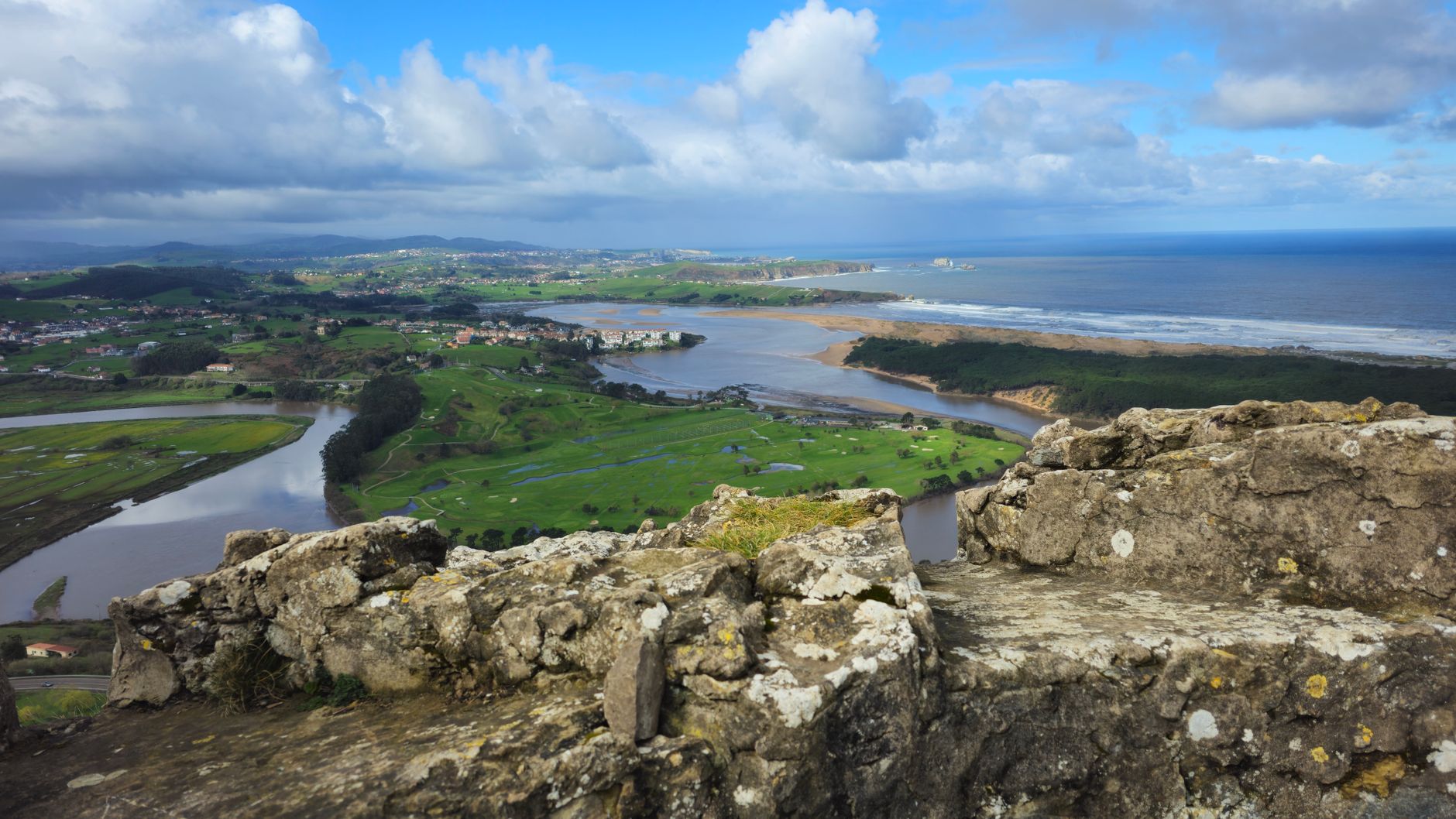
Santoña
The anchovy town of the Cantabrian coast, backed by marshes full of birds.

Villaviciosa
A cider town with an estuary, a weekly rhythm, and the biggest cidery in Spain on its doorstep.


Trevejo
A ruined castle stranded on a rock above a hamlet of a few houses.


Sangüesa
A Camino Francés town whose Santa María la Real carries one of the finest Romanesque portals in Spain.

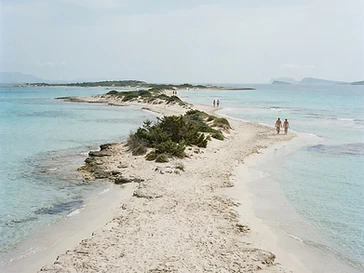
Formentera
The smallest inhabited Balearic island, flat, sandy and reachable only by ferry from Ibiza.


San Vicente de la Sonsierra
A hilltop village above the Ebro with a castle, a 12th-century bridge and a Holy Week of self-flagellation.


Ujué
A hilltop fortress-village above the Navarran plains, crowned by a Romanesque church the kings of Navarra favoured.


Malasaña
Madrid's barrio of second-hand shops, bars and late nights, north of Gran Via.


Castro Urdiales
A port town on the Cantabrian border with a Gothic church, a castle doubling as a lighthouse, and a good beach.


Elche
A palm-forest city inland from Alicante, with a UNESCO palm grove, a mystery play and two millennia of layers.


Xàtiva
A market town under a double castle, the birthplace of the Borja family and of two popes.

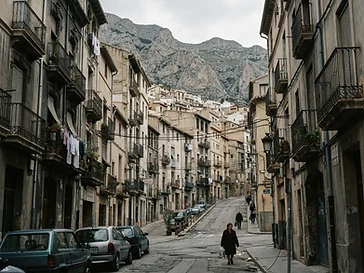
Alcoi
An inland industrial city of Modernist buildings and steep streets, home of the Moors and Christians festival.


San Vicente de la Barquera
A fishing town at the mouth of a tidal ría, with a 28-arch medieval bridge and the Picos de Europa behind it.


Rioja Alta
The western half of Rioja, between Haro and Logroño, where the oldest bodegas and the best-known vineyards sit.


Zugarramurdi
A border village above a cave tunnel that gave its name to the Basque witch trials.


Yecla
A wine and furniture town on Murcia's northern plateau, with a much-regarded Holy Week and an 18th-century basilica.


Manzanares el Real
A Gothic castle on the reservoir edge, under the granite of La Pedriza.


Cabo de Palos
A fishing village on a cape with a lighthouse, the best diving in the region and the caldero that comes from it.

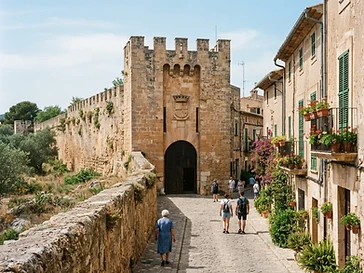
Alcúdia
A walled town on a peninsula in northern Mallorca, built over the Roman city of Pollentia.


Deià
A stone village on a hillside above the Tramuntana coast, long a writers' and artists' retreat.


Peratallada
Golden stone lanes cut into living rock, ten minutes from Pals.


Besalú
A fortified bridge, a medieval core and one of Europe's best-preserved ritual baths.


Pals
A hilltop stone village above the Emporda's rice fields.


Lavapiés
Madrid's most mixed neighbourhood: immigrant kitchens, bars and cheap rent.


Rascafría
The Lozoya valley's village of monasteries and river pools, an hour from Madrid.


Chinchón
An irregular medieval plaza and anise liqueur, an hour southeast of Madrid.


La Latina
Madrid's oldest quarter: Sunday market, tabernas, and steep streets down to the river.

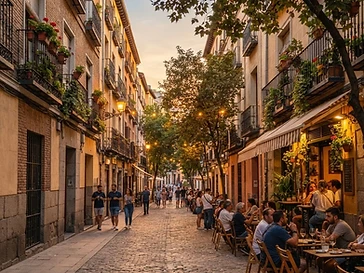
Barrio de las Letras
The literary quarter between the Prado and the Plaza Mayor.


Begur
White Indiano houses on a hill above the best coves of the Costa Brava.


Comillas
A small coastal village with a Gaudí house, a palace by Domènech and a university built by returning emigrants.


Patones de Arriba
A slate village of steep lanes, an hour north of Madrid.


Buitrago del Lozoya
A walled town on a bend of the Lozoya, an hour north of Madrid.

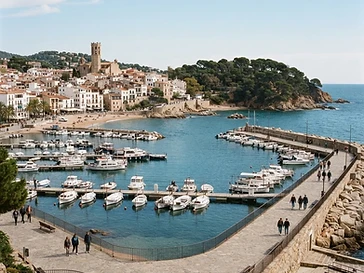
Sant Feliu de Guíxols
A working port on the Costa Brava with the coast path running through it.

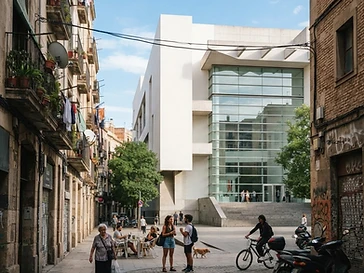
El Raval
The city's most mixed quarter, between the Rambla and the port.


Morella
A walled hill town under a castle on the Castellón border, with aqueduct arches and a Gothic basilica.


Gràcia
A village swallowed by the city, with squares, terraces and its own festival.

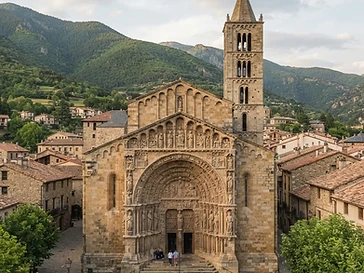
Ripoll
A monastery town at the foot of the Pyrenees, on the road into the mountains.


Ezcaray
A stone village at the head of the Oja valley, with a reputation for eating far larger than its size.

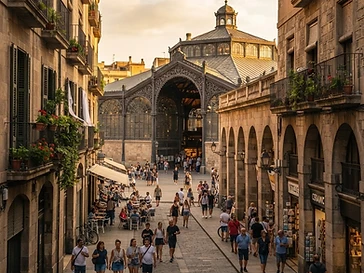
El Born
Barcelona's old artisans' quarter, and now its densest concentration of good eating.


Maestrazgo
Teruel's high country: walled medieval villages on rock, stone streets and long views.


Sierra de Albarracín
Pine and sandstone high country in southwest Teruel, with the pink town of Albarracín at its centre.


Matarraña
Olive groves, gorges and medieval towns in the corner of Aragón that nobody crosses.


Mirambel
A single walled village, still enclosed by its gate and wall, that almost nobody visits.

Teruel
The capital of Mudejar brickwork, four tiled towers strong, and almost nobody goes.

Albarracín
A striking pink-stone medieval village dramatically perched on a cliff over a river bend
Turn this shortlist into an actual itinerary
You've narrowed the Atlas to the places that fit your trip. Travel Itinerary Co picks up here — with these saved places in hand — and builds the day-by-day plan.
Build this into a tripContinues on Travel Itinerary Co